


Buy Wine Online in New York (2026): NYC, Long Island & Hudson Valley Delivery from Bourbon Central
New York drinks more wine than almost anywhere else in the country, and it drinks it with unusual seriousness. A Manhattan wine list is a competitive document. A Brooklyn bottle shop will argue with you about Sancerre. And out on the East End, Long Island has spent forty years building a genuine wine region of its own. This page is a practical guide to buying wine online for delivery in New York — what to order, why, and how the logistics work.
Start with the Long Island bottles
If you live in New York, there is a good argument for keeping at least one local bottle in the rack, and Wölffer Estate in Sagaponack is the name most people reach for first. Their rosé is effectively the unofficial drink of a Hamptons summer.
Wolffer Summer in a Bottle Rose Cotes de Provence ($28.09) is the flagship — pale, dry, extremely drinkable, and one of the most recognisable bottles on any East End table. Wolffer Estate Rose Table Wine ($21.99) is the everyday version and the better value by some distance. Wolffer Summer in the Bottle Sauvignon Blanc ($29.09) covers the white side, and Finca Wolffer Rose ($16.99) is the Argentine sister project, which is a genuinely interesting thing to pour next to the Long Island bottle for comparison.
Rosé season in New York runs later than people expect. Late August through October is often the best drinking weather of the year here, and the bottles are frequently cheaper once the summer rush ends.
For the Italian table
No city in America eats Italian food the way New York does, from a red-sauce room in Bensonhurst to a tasting menu in Tribeca, and the wine list should follow the plate. Three tiers worth knowing:
- Weeknight red sauce — Villa Antinori Toscana Rosso ($20.09) and Marchesi Antinori, Peppoli Chianti Classico ($24.99). Sangiovese's acidity is built for tomato; almost nothing else works as reliably.
- Sunday dinner — Ruffino Chianti Classico Riserva Ducale Oro ($45.99) for something with more weight, or Tommasi Amarone della Valpolicella Classico ($59.99) if the meal involves braising and several hours.
- The special bottle — Cascina del Torcc Barolo ($27.99) or Produttori del Barbaresco's Nebbiolo Langhe ($29.99). Piedmont Nebbiolo is what to open when the occasion actually merits it.
Browse the full wine collection for the rest of the Italian range.
For oysters, and for the raw bar generally
New York is an oyster town — it was built on oyster beds, and Grand Central's Oyster Bar has been running since 1913. The pairing rule is narrow and worth obeying: high acid, low oak, no residual sugar.
Simonnet Febvre Chablis ($32.99) is the textbook answer — unoaked Chardonnay from limestone soils that tastes almost saline. Domaine Martin Sancerre ($32.99) is the Loire alternative, sharper and more citrus-driven. Santa Margherita Pinot Grigio Alto Adige ($27.99) is the crowd-pleaser that will not offend anyone at a table of eight. If you want bubbles instead, Santa Margherita Prosecco Superiore ($27.99) does the job at a weeknight price and Ruinart Champagne Brut Blanc de Blancs ($99.99) does it properly.
Big reds for a cold apartment in February
New York winters make a case for Cabernet that Californian winters do not. Caymus Vineyards Cabernet Sauvignon Napa Valley ($79.99) is the benchmark plush Napa red and probably the most-requested bottle in the store. Robert Mondavi Cabernet Sauvignon Napa ($52.99) is the more classical, more structured alternative at a similar price. Bonanza Cabernet Sauvignon ($24.09) is the everyday version — Chuck Wagner's second label, and remarkable value. The Prisoner Red ($62.99) is the red blend that converts people who think they only like Cabernet.
For lighter reds, Meiomi Pinot Noir ($24.99) and La Crema Pinot Noir Sonoma Coast ($28.09) are the reliable California Pinots, and Craggy Range Pinot Noir ($26.99) is the New Zealand option worth trying if you want something brighter and more savoury.
Celebration bottles
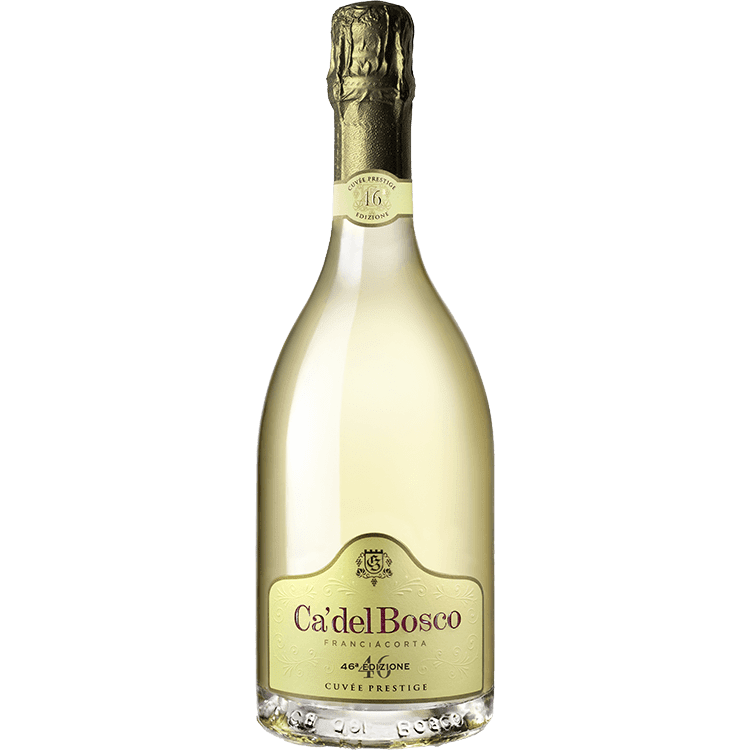
Veuve Clicquot Champagne Brut Yellow Label ($69.99) needs no introduction and travels well as a gift. Moet & Chandon Champagne Nectar Imperial ($68.09) is the sweeter option, which suits a dessert course or a room full of people who say they do not like Champagne. Saracco Moscato d'Asti ($16.99) is the low-alcohol, lightly sweet, entirely charming bottle to end a long dinner on.
Shipping wine to New York: what to know
A few practical points specific to this state:
- Someone 21 or over has to sign. This is the single most common cause of a failed delivery in New York City. If your building has no doorman, ship to an office or arrange a delivery window — a package left in a lobby will not clear the carrier's requirements.
- Heat is the enemy, and August is the risk month. Wine is far more temperature-sensitive than spirits. A carton sitting on a Brooklyn stoop at 2pm in August can cook. From late September onward, that risk drops to near zero, which makes autumn the best window of the year for building a cellar.
- Upstate and the Adirondacks run on longer transit times than the five boroughs. Order a few days earlier than you think you need to for Buffalo, Rochester, Syracuse and the North Country.
- Case buying is where the savings are. If you are ordering for a holiday table or a party, a mixed case ships at roughly the same cost as three bottles.
Beyond wine
Bourbon Central is a spirits store first, and New York customers order across the whole catalogue. If your table wants something other than wine, the bourbon collection, the whiskey collection and the best sellers are the places to start. We also have dedicated New York pages for Scotch, rum, tequila, gin and bourbon.
Two guides worth reading before you order: our wine and cheese board guide for the pairing logic, and our new piece on bourbon at the dinner table if you want to run a mixed table with both. And browse new arrivals to see what has just landed.
Ready to order? Start with the full wine collection and filter by what your table is eating tonight.

