


Buy Wine Online in Connecticut (2026): Fairfield County, New Haven, Hartford & the Shoreline — Shipping from Bourbon Central
Connecticut is one of a minority of states where the law actually permits licensed out-of-state retailers to ship wine directly to consumers. That has been true since 2019, it operates through a Retailer Wine Shipper's Permit issued by the Liquor Control Division, and it comes with a real limit worth knowing before you build a case: no more than five gallons of wine to the same Connecticut consumer in any two-month window. Five gallons is roughly twenty-five standard bottles, so it is generous for ordinary buying and restrictive for cellar-filling. Spirits are a separate matter and are not covered by the wine shipper permit.
That legal footing matters more in Connecticut than almost anywhere else, because the state's drinking is unusually sophisticated relative to its retail footprint. Fairfield County buys at Manhattan standards without Manhattan selection. New Haven has one of the most specific food cultures in the Northeast. The shoreline eats shellfish from June to November. And the whole state sits inside a two-hour radius of three major wine markets, which means Connecticut buyers know exactly what they are missing.
Fairfield County: Greenwich, Westport, Darien, New Canaan, Stamford
The Gold Coast is the most demanding wine audience in New England and the least well served by bottle count. Buyers here commute to Manhattan or work in Stamford's financial corridor, drink at restaurants that would be well regarded in any city, and consequently arrive at a wine shelf already knowing what they want. They are not price-insensitive — that is a lazy assumption about the area — but they are quality-insensitive to price, which is different: they will pay for a bottle that is clearly the right one and refuse a bottle that is merely expensive.
In practice this is Napa Cabernet and top-tier Burgundy-adjacent Chardonnay territory. Chateau Montelena Cabernet Sauvignon Napa Valley at $74.99 is the benchmark request, and the house that famously won the 1976 Paris tasting still trades on being a serious wine rather than a trophy. Whitehall Lane Cabernet Sauvignon at $44.99 is the Rutherford answer for people who want structure rather than sweetness. On the white side, Cakebread Cellars Chardonnay at $55.09 and Ramey Chardonnay Russian River Valley at $42.99 are the two bottles that most often end up on a Westport dinner table, and Chalk Hill Chardonnay Sonoma Coast at $20.09 is the more restrained, higher-acid choice for anyone who has decided oak is not for them.
Pinot Noir does very well in this market because it suits the way people here actually eat — Failla Pinot Noir Sonoma Coast at $39.99 is the elegant, savoury version and Belle Glos Pinot Noir Las Alturas Vineyard at $42.99 the richer, riper one. Both are in our Red Wine and White Wine collections.
New Haven: apizza, Wooster Street, and why this is Chianti country
New Haven is the most enjoyable wine market in the state to shop for, because it has a food culture specific enough to dictate the wine. The city's Italian-American population built one of America's genuinely distinctive regional foods — New Haven apizza, coal-fired, thin, charred, tomato-forward, minimally cheesed — and it demands exactly one kind of wine: high-acid, medium-bodied, savoury Italian red. Not a fruit bomb. Not an oaked Cabernet. Sangiovese.
San Felice Chianti Classico Riserva Il Grigio at $23.99 is the value benchmark for this and it is difficult to beat under $25. Marchesi Antinori, Peppoli Chianti Classico at $24.99 brings a little more polish, and Rocca delle Macie Chianti Classico Riserva Famiglia Zingarelli at $28.09 is the Riserva that most reliably impresses without needing an occasion. At the top, Castello di Monsanto Chianti Classico Riserva at $29.99 and Brancaia Chianti Classico Riserva at $44.99 are the bottles for a proper dinner, and Carpineto Brunello di Montalcino at $59.99 is the Brunello for when Chianti is not quite enough.
Yale keeps the market younger and more experimental than the rest of the state, which is why lighter, higher-acid European wine moves better here than it does forty minutes north. Browse the full Chianti and Wine | Tuscany collections.
The Shoreline: Mystic, Stonington, Madison, Norwalk oysters
Connecticut's shoreline is an oyster coast, and it stays one long after the summer crowd leaves — Copps Island and Norwalk beds are working through the autumn, and the local rule of thumb about months with an R in them still roughly holds. Oysters, littlenecks and cold lobster want the same thing: high acid, low oak, some salinity, no sweetness.
That is a short and specific list. Domaine Martin Sancerre at $32.99 is the classic Sancerre answer — Loire Sauvignon Blanc, flinty rather than tropical, and the single most reliable oyster wine in the world. Le Petit Silex Sancerre at $28.99 and Domaine Des Coltabards Sancerre at $32.99 are the same idea at slightly different weights. For Chablis, which is Chardonnay grown on ancient seabed and tastes like it, Joseph Drouhin Vaudon Chablis at $32.99 and Simonnet Febvre Chablis at $32.99 are the two to know, and Louis Latour Chablis La Chanfleur at $34.99 is the more textural of the group.
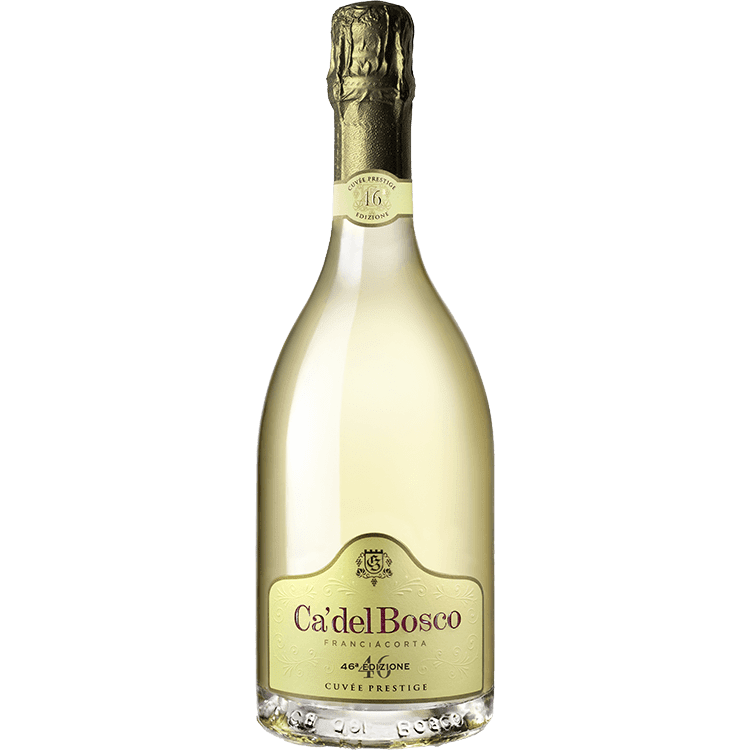
Sparkling works just as well and travels better to a boat: Taittinger Brut La Francaise Champagne Reims at $74.99 is the serious choice, Piper-Heidsieck Champagne Brut at $57.09 the everyday one. Both live in Champagne.
Hartford, Litchfield County and the rest of the state
Hartford drinks the way an insurance capital drinks — steadily, without much fashion, and toward reliable names rather than allocations. Santa Margherita Pinot Grigio Alto Adige at $27.99 is the wine that shows up at more Hartford dinner parties than any other, and it deserves to. Litchfield County is weekend-house country and behaves differently again: bigger reds, more entertaining, more buying by the case within the five-gallon window. Allegrini Amarone della Valpolicella Classico at $99.99 and Tommasi Amarone della Valpolicella Classico at $59.99 are the Amarone options for a cold Litchfield evening, and they are considerably better value than their Barolo equivalents.
Shipping notes specific to Connecticut
- The five-gallon rule is per consumer, per two months. About twenty-five bottles. If you are buying for an event, spread the order or ship to more than one adult household member.
- An adult signature is required on delivery. In Fairfield County, where a large share of the population commutes into Manhattan, a work address or a doorman building is far more reliable than a house between nine and five.
- Second delivery attempts are where wine orders fail — not first ones. Getting the first attempt right is most of the battle.
- Autumn is the best shipping window of the year in New England. Wine is temperature-sensitive in both directions; September through early November is close to ideal, and it is a better time to build a case than either August or January.
- Wine and spirits are governed separately in Connecticut. The retailer shipping permit covers wine. Do not assume it extends to anything else.
Start here
Browse Wine for the full range, or narrow by Red Wine and White Wine. For sparkling, Champagne and Wine | Sparkling. For the Italian side of the New Haven argument, Chianti and Wine | Tuscany.
Related reading: the best red wines to buy in 2026, Champagne vs. Prosecco vs. Cava, and how to build a wine and cheese board. If you are shopping across the tri-state area, our New York and New Jersey wine pages cover those markets, and Massachusetts rounds out New England.

