


Champagne vs. Prosecco vs. Cava (2026): Every Style of Sparkling Wine Explained — and 8 Bottles to Buy

Every bottle of bubbles on the shelf is answering the same two questions — where is it from? and how did the bubbles get in? — and once you can read those answers, the sparkling aisle stops being intimidating and starts being a menu. With Bastille Day on July 14 and a summer of spritzes and French 75s ahead, here is the plain-English map of Champagne, Prosecco, Cava, Crémant, Franciacorta, and American sparkling — with eight bottles verified in stock today, from $15 to $69.
Eight bubbles, six styles, one guide


Champagne: the benchmark
Champagne is a place, not a synonym — only sparkling wine from the Champagne region of France, made by the traditional method (a second fermentation inside each bottle, then months or years resting on the spent yeast), gets the name. That yeast contact is where the toast, brioche, and fine persistent bubbles come from. Veuve Clicquot Champagne Brut Yellow Label ($68.99) is the definitive house style — toasty, dry, reliable from the first glass to the thousandth — and Moet & Chandon Champagne Imperial ($59.99) is its slightly softer, orchard-fruited rival. These are the bottles for toasts, gifts, and any night that ends in a speech. (Our Champagne & sparkling brunch guide ranks more options by occasion.)
Prosecco: the crowd-pleaser
Prosecco is Italian, Glera-based, and tank-fermented — the second fermentation happens in a big pressurized tank rather than the bottle, which preserves fresh pear, melon, and white-flower fruit and keeps the price friendly. La Marca Prosecco ($17.99) is the one in the powder-blue bottle for a reason: clean, softly frothy, and the smartest base in the store for Aperol Spritzes, mimosas, and by-the-pool pours. Rule of thumb: drink Champagne for the wine, Prosecco for the party.
Cava: Spain's traditional-method bargain
Cava is the aisle's best-kept secret: made in Spain by the same in-bottle method as Champagne — at a fraction of the price. Freixenet Cordon Negro Brut ($15.09), the black-bottle standard, delivers citrus, green apple, and a genuine yeasty snap for about the price of two coffees. If your budget says Prosecco but your palate says Champagne, Cava is your category.
Crémant and Franciacorta: the insider picks
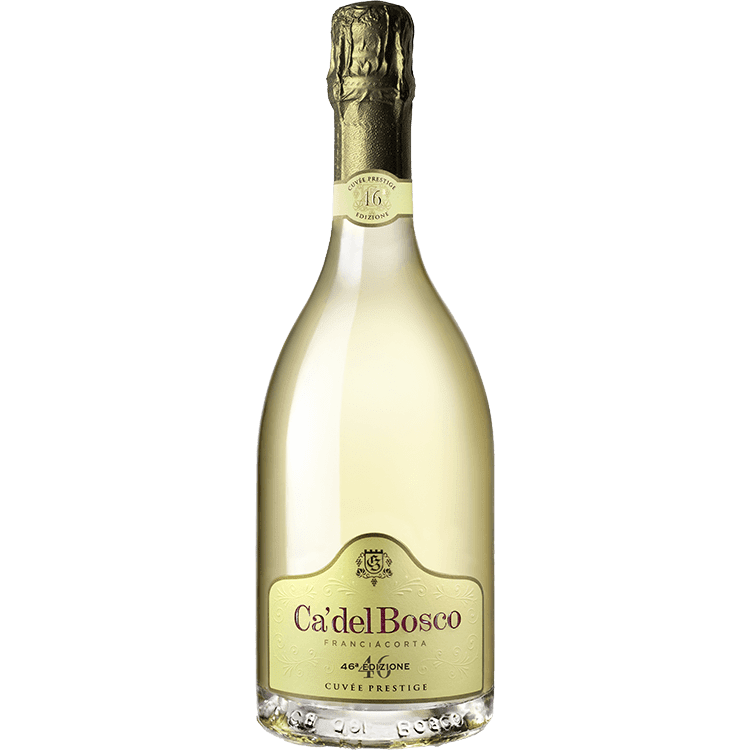
Crémant is French traditional-method sparkling made outside Champagne — same technique, different postcode, better math. Lucien Albrecht Cremant D' Alsace Brut ($17.99) is a textbook Alsatian example: creamy mousse, orchard fruit, absurd value. Franciacorta is Italy's answer to Champagne — not Prosecco's tank method but full bottle fermentation in Lombardy — and Contadi Castaldi Francia Corta Brut ($22.99) is the approachable introduction, while Ferrari Brut ($38.09) (Trentodoc, from Italy's alpine north) has been pouring at state dinners and Formula 1 podiums for a century. These three are what sommeliers actually drink at home.
American sparkling: California joins the party
The French houses planted flags in California decades ago, and Roederer Estate Anderson Valley Brut ($32.09) — the Anderson Valley outpost of the family behind Cristal — is arguably the best traditional-method value in the country: estate fruit, real aging, Champagne bones at half the fare. For big-batch mimosas there is also Mumm Napa Brut Prestige ($29.09) and, at the "buy a case" tier, Cooks Brut ($9.99). Browse the full sparkling wine collection for everything in between.
Tank vs. bottle: why the method is half the price tag
All sparkling wine starts as still wine; the difference is where the second fermentation — the one that traps the carbon dioxide — happens. In the tank method (Prosecco), it happens fast in a sealed steel tank, and the wine is bottled under pressure: fruity, fresh, inexpensive, meant to be drunk this year. In the traditional method (Champagne, Cava, Crémant, Franciacorta, and the better California houses), it happens inside the very bottle you buy, after which the wine rests on its spent yeast — months at minimum, years for the good stuff — before the sediment is riddled and disgorged by hand or machine. That yeast aging is what builds the bread, toast, and hazelnut notes and the fine, persistent bead. It is also labor and time, which is why a traditional-method bottle costs more to make — and why Cava and Crémant, which use the expensive method in inexpensive regions, are the aisle's arbitrage play.
The price ladder, honestly
Under $20 buys excellent tank-method Prosecco (La Marca, $17.99) and legitimate traditional-method Cava and Crémant (Freixenet, Lucien Albrecht). The $20–$40 band is the value sweet spot: Franciacorta, Trentodoc, and California traditional method (Contadi Castaldi, Ferrari, Roederer Estate) drink far above their tags. Above $55 you are in true Champagne, where the name on the label is part of what you pour. None of these rungs is wrong — they are different tools, and the best-stocked fridges hold one from each.
Reading the label: brut, extra dry, and the sweetness trap
Sparkling labels rank sweetness counterintuitively: Brut Nature/Extra Brut (bone dry) → Brut (dry — the default) → Extra Dry (confusingly, sweeter than Brut) → Dry/Demi-Sec (openly sweet). Most food and most cocktails want Brut. One more tip: "méthode traditionnelle" or "méthode champenoise" on any label means in-bottle fermentation — the Champagne technique — whatever the country.
Which bubbles for which job
Toasts and gifts: Champagne (Veuve, Moët). Spritzes and mimosas: Prosecco (La Marca) or Cook's for a crowd. French 75s: Cava or Crémant hold their structure against gin and lemon — see the Bastille Day guide for the recipe and batch math, and the frozen French 75 lives in our slushie guide. Dinner on the patio: Franciacorta or Roederer Estate. Stocking a first bar cart? Our 12-bottle home bar guide explains why one bottle of bubbles belongs in it.
The takeaway
Same bubbles, different passports: Champagne for gravitas, Prosecco for joy, Cava and Crémant for stealth value, Franciacorta and California for the in-crowd. Every bottle above is in stock at today's prices and ships fast — start with the sparkling wine collection, keep a backup in the wine collection, and check best sellers to see what your fellow drinkers keep reordering.

