


Wine | Tuscany
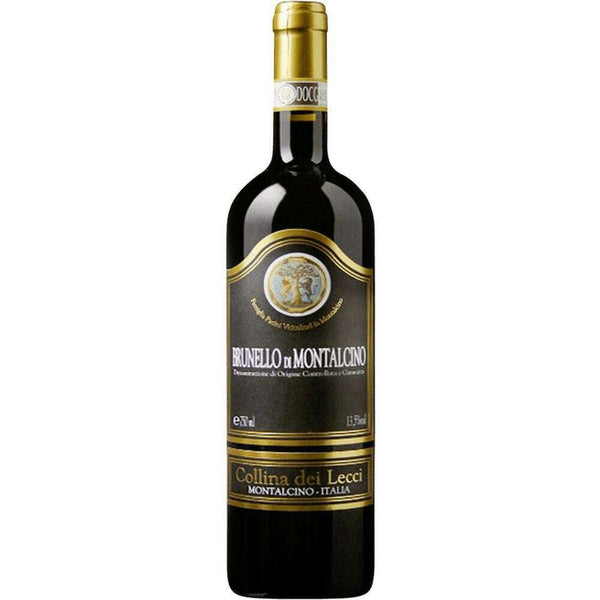
Collina Dei Lecci Brunello Di Montalcino
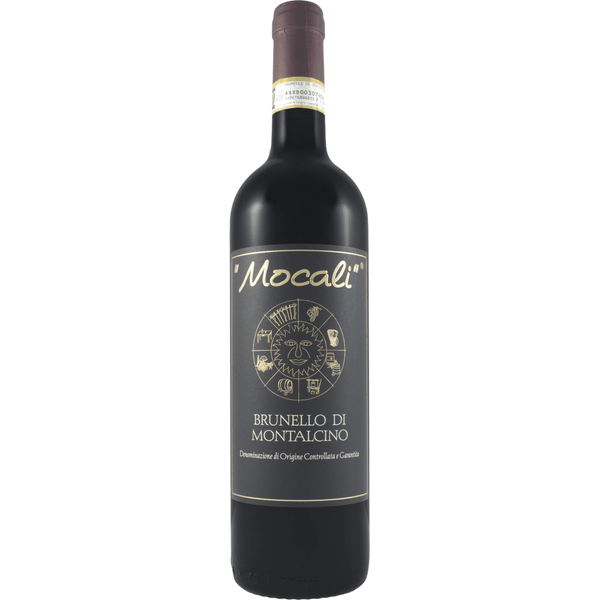
Mocali Brunello di Montalcino

La Poderina Brunello Di Montalcino
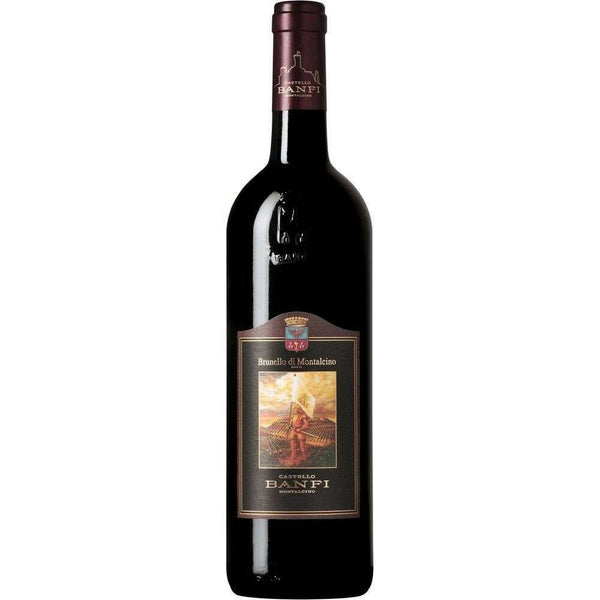
Castello Banfi Brunello Di Montalcino

Antinori Tignanello Red Wine
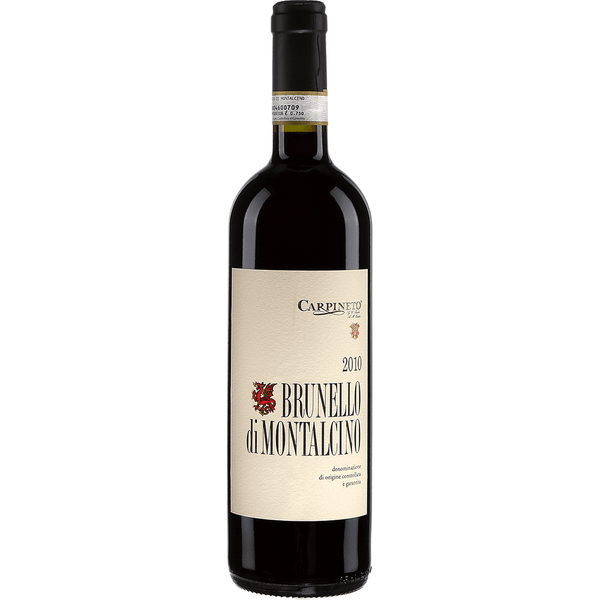
Carpineto Brunello di Montalcino

Camigliano Brunello di Montalcino

La Lecciaia Brunello Di Montalcino Riserva

Carpineto Vino Nobile di Montepulciano Riserva

Renieri Brunello Di Montalcino

Terrabianc Campaccio Toscana

Armilla Brunello di Montalcino

Tenuta Poggio Il Castellare Brunello di Montalcino

Tenute Silvio Nardi Brunello di Montalcino
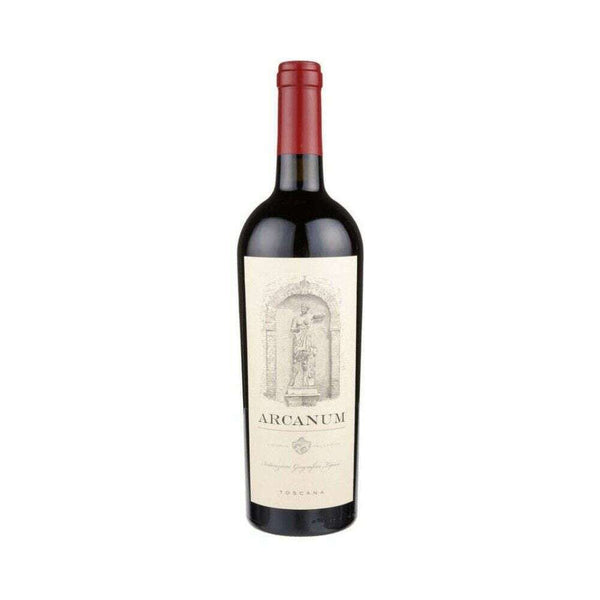
Arcanum Toscana

Villa Calcinaia Casarsa Toscana

Fattoria La Fiorita Brunello di Montalcino

Sant Arturo Brunello di Montalcino

Renieri Re Di Renieri Toscana
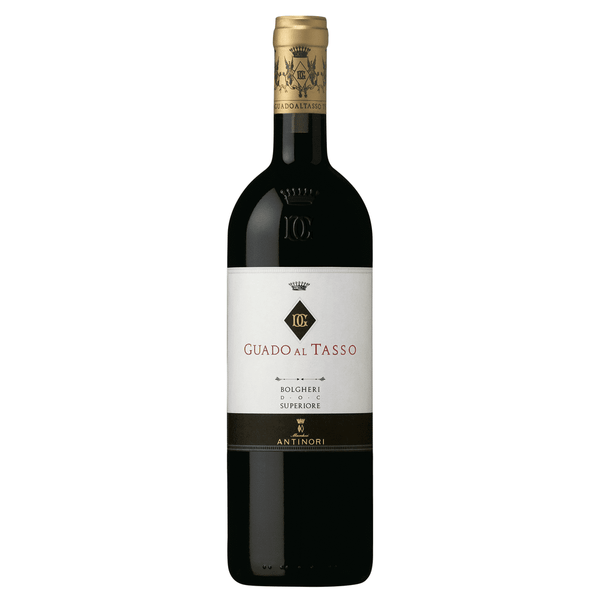
Guado Al Tasso Antinori

Castello Pomino Pinot Nero
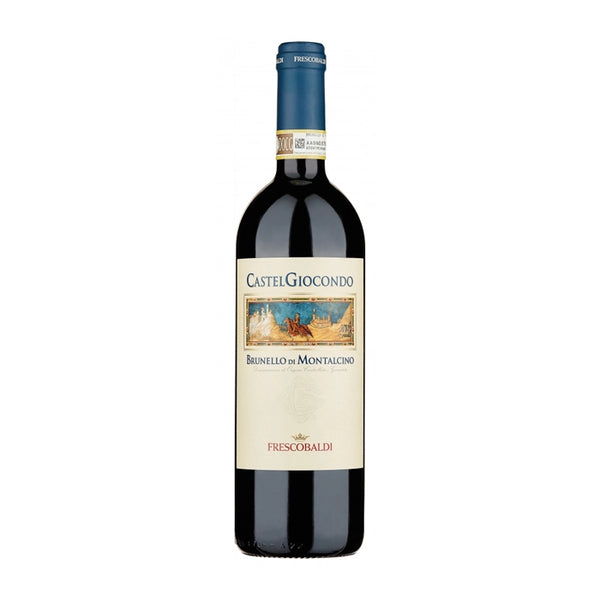
CastelGiocondo Brunello di Montalcino DOCG
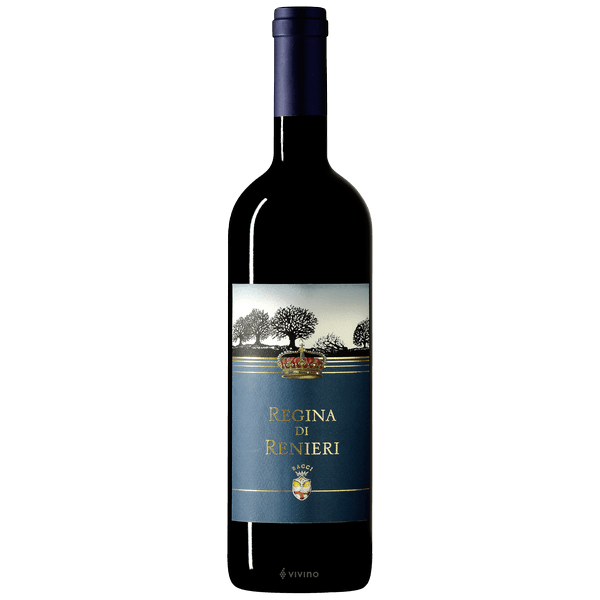
Renieri 2021 Regina di Renieri Toscana Rosso IGT
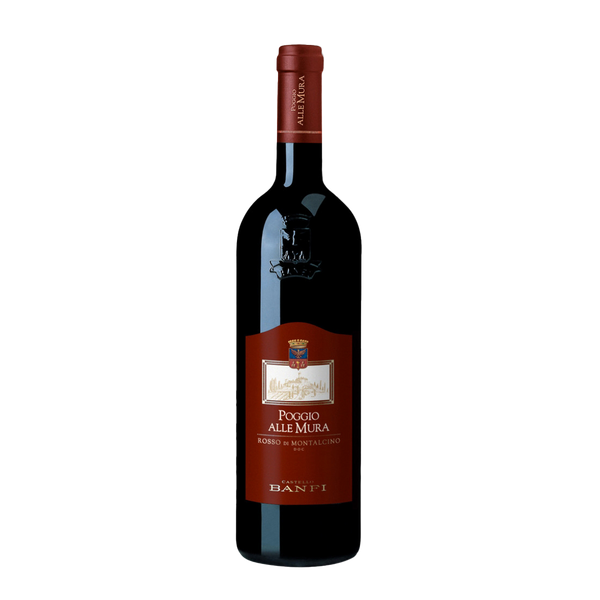
Poggio alle Mura Rosso di Montalcino DOC
Wine | Tuscany
Read more about Wine | Tuscany
Tuscany is the part of Italy most Americans can picture without trying — cypress rows, stone farmhouses, hills the colour of dry grass. It is also, more usefully, the home of Sangiovese, a grape that makes wine of extraordinary range depending on where it is planted and how long it is given.
This collection is built around that range. At one end sits Brunello di Montalcino, Italy's most demanding red wine appellation. At the other sit the Super Tuscans, born out of a deliberate refusal to follow the rules. Both are Tuscany. They just answer different questions.
Brunello di Montalcino: the long game
Brunello is made from 100% Sangiovese Grosso grown around the hill town of Montalcino, and the appellation rules are unusually strict: a minimum of five years of ageing before release, at least two of them in oak. Nothing reaches the shelf young. What you get in exchange is a wine with genuine structure — dried cherry, leather, tobacco leaf, dried herbs, and tannins that need either time or food.
Collina Dei Lecci Brunello Di Montalcino ($32.99) and Sant Arturo Brunello di Montalcino ($34.99) are the two most approachable entry points here, both well under what the appellation usually costs. If you have never opened a Brunello, either is a fair introduction to what the extra years actually buy.
La Poderina Brunello Di Montalcino ($39.09) and Armilla Brunello di Montalcino ($45.09) sit in the middle of the range and reward an hour in a decanter. Mocali Brunello di Montalcino ($47.99) is a classicist's bottle — earthy, savoury, resolutely un-modern.
Higher up, Tenuta Poggio Il Castellare Brunello di Montalcino ($56.09) and Carpineto Brunello di Montalcino ($59.99) show more polish and more oak influence, and Fattoria La Fiorita Brunello di Montalcino ($69.99) and Castello Banfi Brunello Di Montalcino ($68.09) are the two to reach for when the bottle is the point of the evening. Banfi in particular is the estate most responsible for putting Montalcino on American tables in the first place.
Super Tuscans: the rule-breakers
In the 1970s a handful of Tuscan producers began planting Cabernet Sauvignon, Merlot and Cabernet Franc alongside Sangiovese — grapes the local appellation rules did not permit. Their wines were legally classified as humble table wine and priced like first growths anyway. The category that resulted is the Super Tuscan, and today it is formalised under the IGT Toscana designation.
Renieri Re Di Renieri Toscana ($32.99) and Terrabianc Campaccio Toscana ($37.99) are the value end — riper, softer and more immediately drinkable than Brunello, with the Bordeaux grapes filling in the mid-palate that pure Sangiovese leaves open. Both are excellent with anything off a grill.
Arcanum Toscana ($98.09) is Cabernet Franc-driven and considerably more serious — floral, graphite-edged, built to age. Guado Al Tasso Antinori ($178.09) is the collection's flagship, from Antinori's Bolgheri estate on the Tuscan coast, and belongs on the short list of Italy's genuinely great wines.
How to drink these
Tuscan reds are food wines almost without exception. The high acidity that makes young Sangiovese feel severe on its own is exactly what makes it work against tomato, olive oil, aged cheese and fat. Serve slightly below room temperature — around 62–65°F, which in most American homes means twenty minutes in the fridge before opening.
Decant the Brunellos. An hour is not excessive for a young one, and the difference between the first glass and the third is often dramatic. Super Tuscans need less time but still benefit.
Elsewhere in the cellar
If Tuscany lands, the natural next steps are our dedicated Brunello di Montalcino collection and Sangiovese more broadly, where the Chianti and Rosso di Montalcino bottlings offer the same grape at earlier-drinking prices. Spain is the closest stylistic cousin — Rioja does something comparable with Tempranillo and long oak ageing — and Argentina is the alternative for anyone who wants the fruit weight without the tannic grip.
Browse the whole cellar in our wine collection, or see what is moving in Best Sellers and New Arrivals. If the occasion calls for a digestif afterwards, cordials and liqueurs and brandy are the traditional Italian close.

