


Wine | Argentina
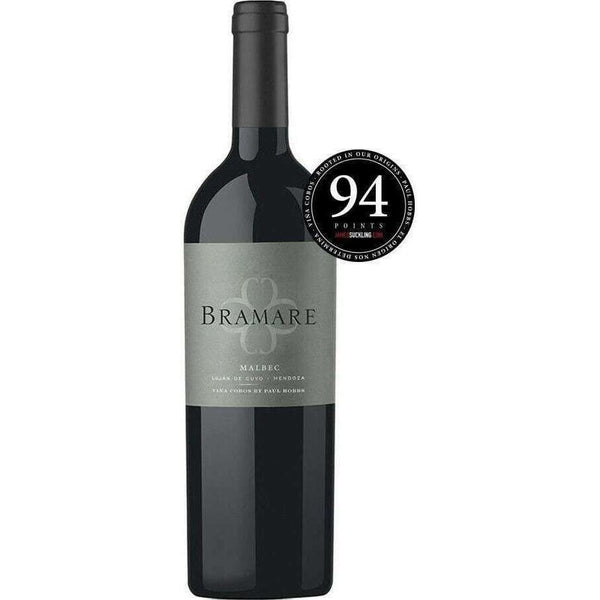
Bramare Malbec Lujan de Cuyo

Catena Malbec

El Enemigo Malbec

Catena Cabernet Sauvignon

Altocedro Malbec Reserva

Bodega Noemia Malbec A Lisa

Caymus Red Schooner Malbec Voyage 11
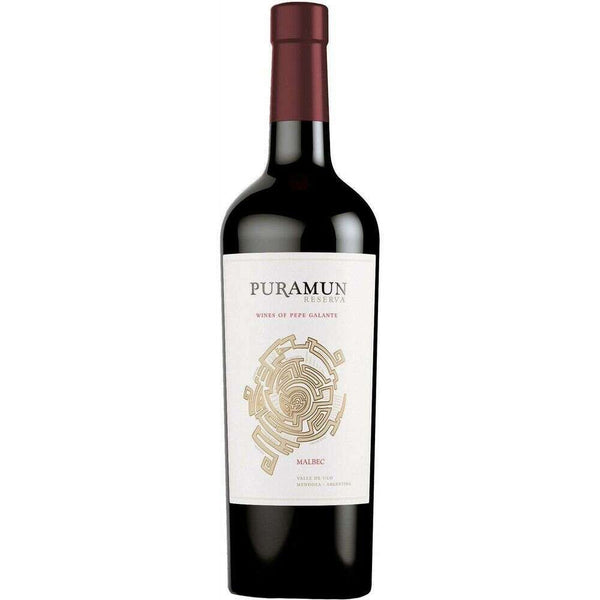
Puramun Malbec Reserva

Susana Balbo Cabernet Sauvignon
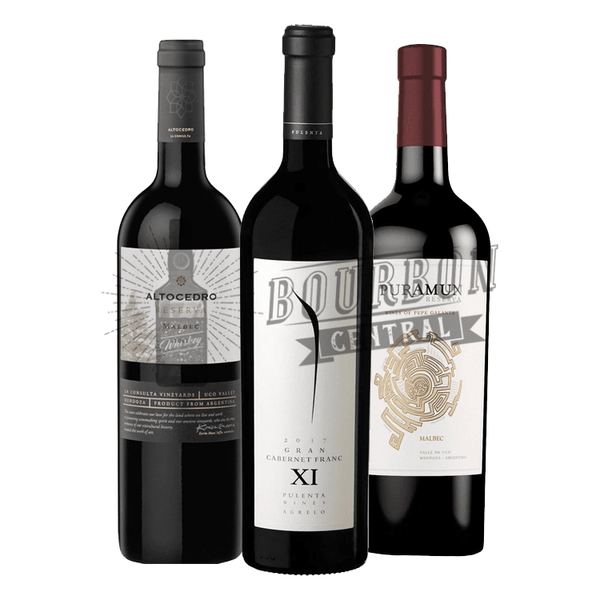
Argentinian Wine Bundle

Pulenta Estate Cabernet Franc XI Gran

Bodega Norton Privada

Don Miguel Gascon Malbec Reserva

Bodega Noemia Malbec
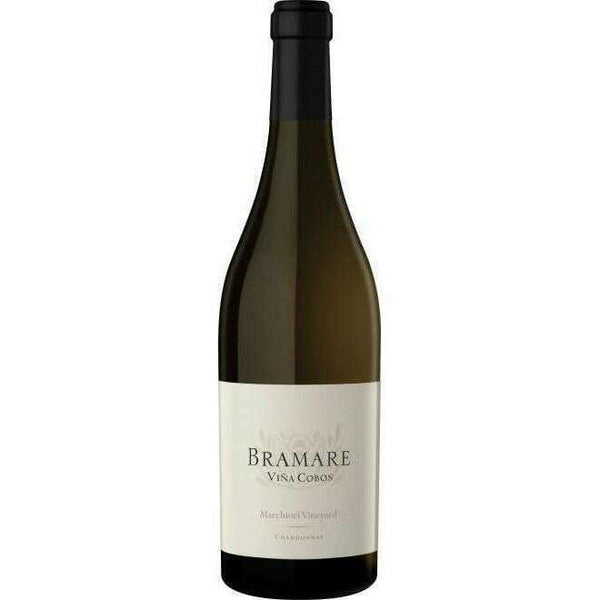
Bramare Chardonnay Marchiori Vineyard
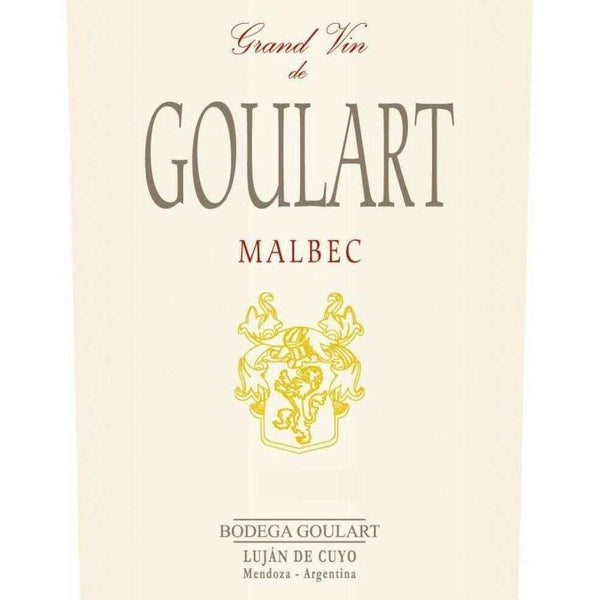
Goulart Malbec Grand Vin

Belasco de Baquedano Malbec AR Guentota
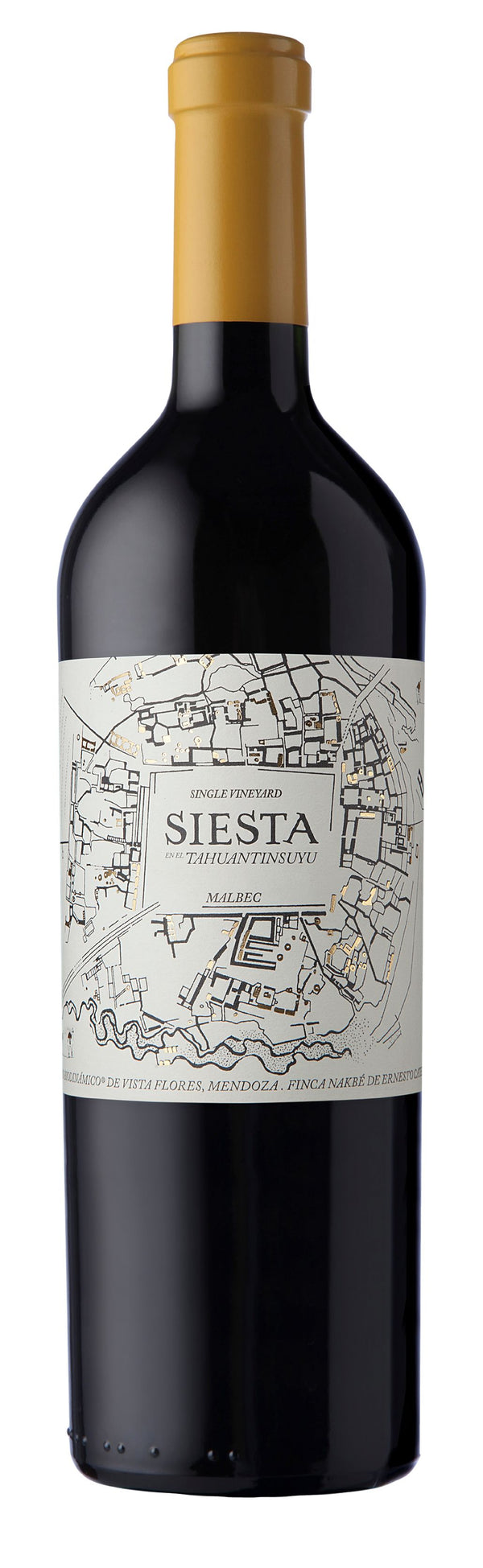
Siesta en el Tahuantinsuyu Malbec Mendoza
Wine | Argentina
Read more about Wine | Argentina
Argentina is the only major wine country that built its reputation on a grape somebody else gave up on. Malbec was one of the six permitted varieties of Bordeaux, where it was difficult, prone to frost and rot, and steadily abandoned in favour of Merlot and Cabernet. Cuttings reached Mendoza in the 1850s. In the high, dry, brilliantly lit foothills of the Andes it turned out to be a completely different wine — deeply coloured, softly tannic, generous with fruit and almost incapable of the greenness that made it awkward in France.
That is the standard story and it is true, but it undersells what has actually happened in the last fifteen years. The interesting thing about Argentine wine in 2026 is that it has stopped being about Malbec as a flavour and started being about altitude as a variable. Mendoza's vineyards run from roughly 2,500 feet up past 5,000, and every 300 feet of elevation lowers the average temperature by about a degree Fahrenheit while increasing ultraviolet exposure. Cooler nights preserve acidity. More UV thickens skins. The result is that two Malbecs from the same producer, grown twenty miles apart at different heights, can taste less alike than a Bordeaux and a Chianti.
This makes Argentina one of the best-value places in the world to learn something specific about wine, because the variable is legible and the price of entry is low.
Where to start
Catena Malbec at $22.99 is the reference bottle and the fairest introduction to the modern style — a blend across several of the family's high-altitude vineyards, plum and violet without the sweetness the category is sometimes accused of. If you buy one bottle from this collection, buy that one.
Catena Cabernet Sauvignon at $21.99 is the same house's Cabernet Sauvignon, and it is worth buying alongside rather than instead. Cabernet at altitude in Mendoza keeps more herbal, savoury structure than it does in warmer regions, and tasting it next to the Malbec tells you more about what altitude does than either bottle does alone.
Alamos Malbec at $14.99 is the crowd-pleaser and the honest everyday bottle — soft, ripe, uncomplicated, and considerably better than its price suggests for weeknight drinking or for a table where nobody is analysing anything.
The bottles worth the step up
El Enemigo Malbec at $27.99 is made by Alejandro Vigil, the winemaker at Catena, under his own label, and it is the bottle that most consistently surprises people who think they know what Argentine Malbec tastes like. There is a savoury, almost floral edge to it and a genuine sense of restraint. At under $30 it is one of the strongest quality-to-price arguments on this site.
Bramare Malbec Lujan de Cuyo at $45.99 comes from Luján de Cuyo, the oldest serious Malbec district in Mendoza, and shows what happens when a producer treats the grape as a fine-wine proposition rather than a value one — more structure, more oak, and a wine built to sit for a few years rather than be opened tonight.
Bodega Norton Privada at $22.99 is a Bordeaux-style blend rather than a varietal Malbec, and it belongs here precisely because it demonstrates that Argentina's strength is not one grape. Goulart Malbec Grand Vin at $54.99 is another serious single-estate wine, and Susana Balbo Cabernet Sauvignon at $28.09 is a well-made Cabernet from one of the country's most respected producers — Susana Balbo was Argentina's first female winemaker, and her wines have a precision that is easy to taste.
Two that do something unusual
Belasco de Baquedano Malbec AR Guentota at $22.99 is grown at Agrelo and is one of the most aromatic Malbecs in the collection — violets and dark flowers well ahead of the fruit. Bodega Noemia Malbec A Lisa at $24.99 is a Patagonian wine rather than a Mendoza one, from the Río Negro valley several hundred miles south, where the growing season is longer and cooler and the wines come out leaner and more mineral. It is the clearest demonstration in the collection that Argentina is not one place.
Caymus Red Schooner Malbec Voyage 11 at $44.99 deserves a note of its own for being genuinely odd: the grapes are grown in Argentina and then shipped to Napa to be vinified, which is either a gimmick or an interesting experiment depending on your temperament. It tastes like a Napa winemaker's idea of Malbec, which is to say richer and more polished than the Mendoza norm.
What to eat with it
Argentina's national cuisine answers this question without being asked. Malbec's soft tannin and dark fruit were made for grilled beef — the tannin cuts the fat, the fruit stands up to char, and the wine's low acidity, usually a weakness, becomes an advantage against a salty crust. Chimichurri's vinegar and garlic do not fight it the way they fight a more delicate red. Beyond the grill, it works with anything smoky or braised: short ribs, mushrooms, aubergine, hard sheep's cheeses.
The one thing to avoid is treating it as a cold-weather wine only. High-altitude Malbec has more freshness than its reputation implies and is perfectly good lightly chilled with something off a grill in September.
Where to go next
If Argentina works for you, the natural next step is Rioja — Spanish Tempranillo occupies similar territory at similar prices but arrives with age already on it, since Crianza, Reserva and Gran Reserva are legally enforced minimum ageing periods rather than marketing terms. Our Wine | Spain collection covers the rest of the country. For a broader look at the category, browse Red Wine and Wine | Tuscany, or the full Wine range.

