


Wine | Sangiovese

Marchesi Antinori, Peppoli Chianti Classico
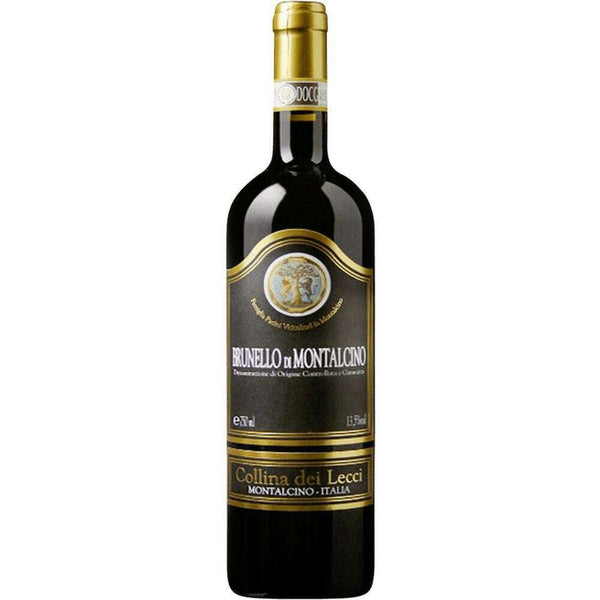
Collina Dei Lecci Brunello Di Montalcino
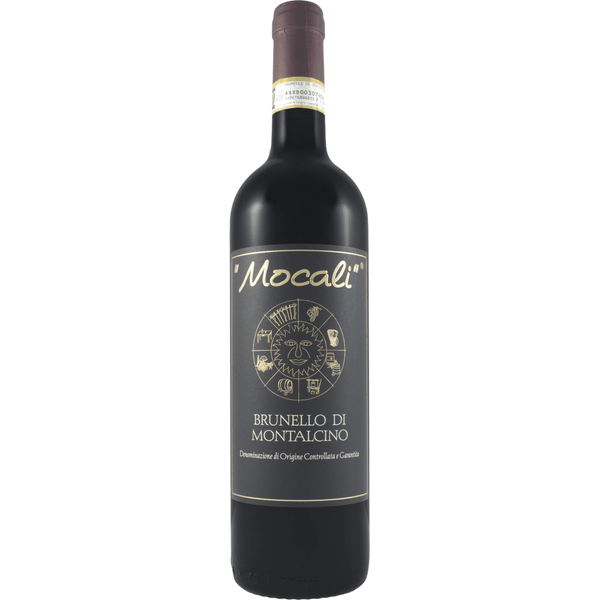
Mocali Brunello di Montalcino

La Poderina Brunello Di Montalcino

Antinori Tignanello Red Wine
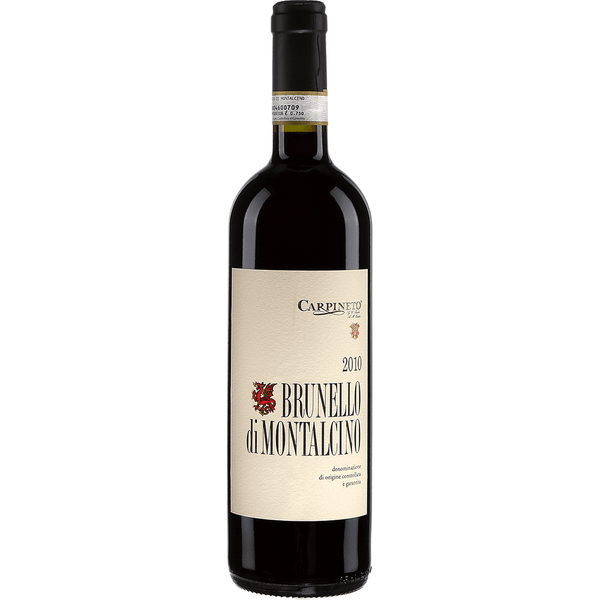
Carpineto Brunello di Montalcino

Camigliano Brunello di Montalcino

La Lecciaia Brunello Di Montalcino Riserva

Tenuta San Giorgio Brunello Di Montalcino Ugolforte

Carpineto Vino Nobile di Montepulciano Riserva

Renieri Brunello Di Montalcino

Armilla Brunello di Montalcino

Tenuta Poggio Il Castellare Brunello di Montalcino

Tenute Silvio Nardi Brunello di Montalcino

Fattoria La Fiorita Brunello di Montalcino

Sant Arturo Brunello di Montalcino
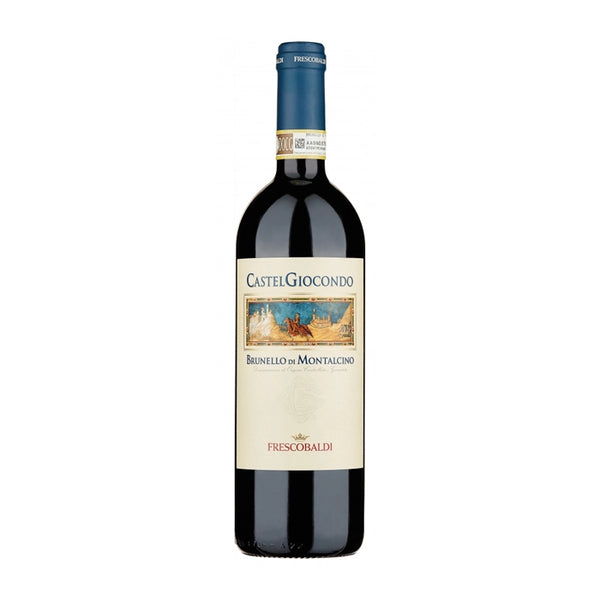
CastelGiocondo Brunello di Montalcino DOCG
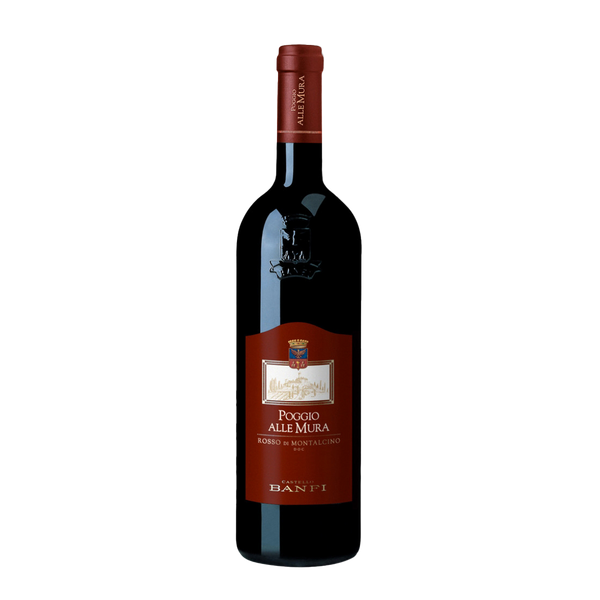
Poggio alle Mura Rosso di Montalcino DOC

Da Vinci Brunello di Montalcino
Wine | Sangiovese
Read more about Wine | Sangiovese
Sangiovese is Italy's most planted grape and the backbone of nearly everything great that comes out of Tuscany — but it is also the country's most site-sensitive red. The same variety produces the bright, sour-cherry, food-first wines of Chianti Classico and the brooding, structured, decade-lived bottles of Brunello di Montalcino, and the difference comes down almost entirely to altitude, soil, and how long the producer is willing to wait before releasing it.
What unites all of it is acidity. Sangiovese is a high-acid, firm-tannin grape that was never designed to be drunk on its own, which is precisely why it is one of the best values in fine wine: it makes a plate of food better in a way that a plusher, riper red simply cannot. Tomato, olive oil, aged cheese, cured meat and anything off a grill all work with it by default.
Where to start
Marchesi Antinori, Peppoli Chianti Classico ($24.99) is the accessible entry point and the clearest illustration of what the grape does at its brightest — juicy red cherry, a savoury edge, and enough acid to cut through a ragù. It comes from one of Tuscany's oldest houses and is the bottle to buy first if you want to understand why Italians drink this grape with dinner rather than before it.
Carpineto Vino Nobile di Montepulciano Riserva ($32.99) represents Tuscany's third great Sangiovese zone, sitting between Chianti's brightness and Brunello's weight. Historically the wine of popes, and still one of the region's better-value propositions — the Riserva ageing adds dried fruit and leather without the Brunello price.
Brunello di Montalcino: the long game
Most of this collection is Brunello, and it is worth understanding what that designation actually requires: 100% Sangiovese grown on the warmer, drier hills around Montalcino, aged a legally mandated five years — two of them in oak — before it can be released. The result is a fundamentally different wine from Chianti: darker, denser, more tannic, and built to be opened years after purchase.
Collina Dei Lecci Brunello Di Montalcino ($32.99) and Sant Arturo Brunello di Montalcino ($34.99) are the two most approachable ways into the appellation, both drinking well now rather than demanding a decade of patience. La Poderina Brunello Di Montalcino ($39.09) is a step up in concentration, and Mocali Brunello di Montalcino ($47.99) the classically structured, savoury, dried-cherry-and-tobacco version that Montalcino traditionalists point to.
At the top of the shelf, Carpineto Brunello di Montalcino ($59.99) and Fattoria La Fiorita Brunello di Montalcino ($69.99) are the two cellar bottles here — the first powerful and oak-framed, the second the more perfumed and elegant of the pair. Armilla Brunello di Montalcino ($45.09), Tenuta San Giorgio Brunello Di Montalcino Ugolforte ($45.99) and Tenuta Poggio Il Castellare Brunello di Montalcino ($56.09) round out the mid-shelf and are all comfortably worth their price.
How to serve it
Serve Sangiovese slightly below room temperature — around 60–64°F. Warm, it turns alcoholic and loses the acidity that makes it work in the first place. Chianti needs no decanting and wants food on the table. Brunello wants an hour open, a large glass, and something substantial: braised beef, aged pecorino, a mushroom ragù, or a steak. Our wine and cheese pairing guide covers which cheeses actually flatter a high-acid red rather than fighting it.
Explore further
If you want to go deeper into a single appellation, Brunello di Montalcino collects the full range, and Chianti covers the lighter, more everyday end of the grape. The broader Tuscany collection adds Super Tuscans and the region's whites, and the full red wine collection is where to compare Sangiovese against Napa Cabernet or Argentine Malbec. Everything here ships nationwide.

