


Wine | Spain

Marques De Caceres Rioja Reserva

Gran Duque D'Alba Brandy

Bodegas Aalto Ribera del Duero
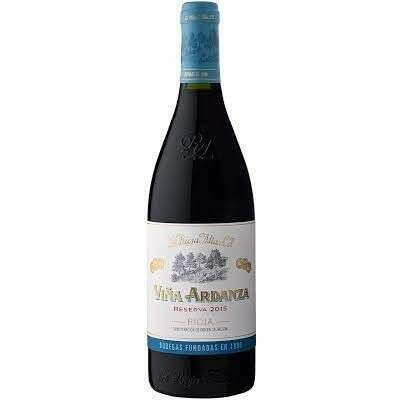
La Rioja Alta Rioja Vina Ardanza Reserva

Marques de Caceres Rioja Gran Reserva

Abadia Retuerta Seleccion Especial

Artadi Rioja Vinas de Gain

Marques De Murrieta Rioja Reserva

Faustino Rioja Gran Reserva I

Juan Gil Monastrell Blue Label

Raventos i Blanc Conca del Riu Anoia Brut Blanc de Blancs

Perinet Priorat Merit
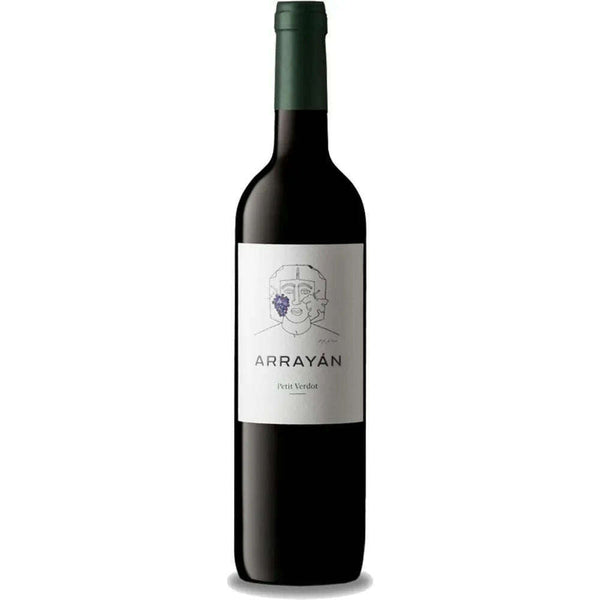
Arrayan Petit Verdot

Valderiz Juegabolos Ribera del Duero

Faustino V Reserva Rioja

Abadia Retuerta Pago Garduna Syrah
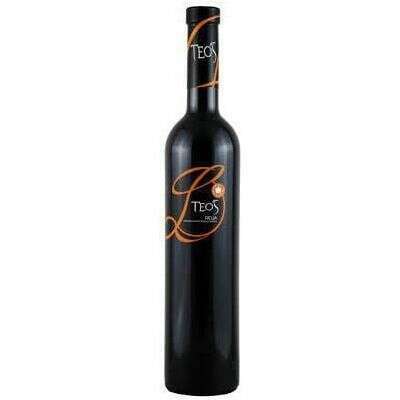
Bodegas Launa Teo's

Spanish Wine Bundle

Torres Priorat Salmos
Wine | Spain
Read more about Wine | Spain
Spain is the largest vineyard area in the world and, by a wide margin, the best value in serious wine. That combination should make it the first place people look and it almost never is — partly because the labels use vocabulary nobody explains, and partly because Rioja spent a generation being sold as a cheap red rather than as one of the few classic regions still priced sanely.
The vocabulary is worth ten minutes, because in Spain it does real work. Crianza, Reserva and Gran Reserva are not marketing tiers; they are legally defined minimum ageing periods, and a Rioja Gran Reserva has spent years in barrel and bottle at the winery before release. You are buying wine someone else has already stored for you. Nowhere else in Europe is that still true at these prices.
Rioja: the place to start
Marques De Caceres Rioja Reserva ($22.99) is the clearest introduction to what Reserva means — Tempranillo, time in American oak, and the particular savoury-dried-cherry character that makes Rioja unmistakable. Step up to Marques de Caceres Rioja Gran Reserva ($32.09) and the extra years show up as softness rather than as more flavour: the tannin has already resolved.
Faustino V Reserva Rioja ($22.09) is the value benchmark in the category and one of the best red wines on this site under twenty-five dollars. Faustino Rioja Gran Reserva I ($37.09) is its older sibling, in the mesh-wrapped bottle that a certain generation of restaurant-goer will recognise instantly — and it is a genuinely mature wine at a price that mature wine has no business being.
Artadi Rioja Vinas de Gain ($34.09) is the modern counter-argument: less American oak, more fruit, more obviously a wine of a place rather than a wine of a cellar. If you have had Rioja before and found it too dried-out and vanilla-driven, this is the bottle that changes your mind.
Ribera del Duero: the same grape, colder nights
Ribera del Duero grows the same Tempranillo at higher altitude on the Castilian plateau, where the days are hot and the nights drop hard. That swing keeps acidity in the grape while the sugar rises, and the result is a darker, denser, more structured wine than Rioja — less dried cherry, more black fruit and iron.
Bodegas Aalto Ribera del Duero ($68.09) is the region's argument made properly: concentrated, firm, built to be drunk with food rather than on its own. Valderiz Juegabolos Ribera del Duero ($54.99) is the more idiosyncratic bottle of the two, from old vines and made with a lighter touch.
Priorat and Monastrell: the ones nobody expects
Priorat is grown on llicorella — broken black slate on slopes steep enough to be farmed by hand — and it produces some of the most intense red wine in Europe. Torres Priorat Salmos ($42.99) is the accessible entry, Garnacha and Cariñena with the mineral, almost smoky edge the slate gives. Perinet Priorat Merit ($29.09) sits alongside it.
Juan Gil Monastrell Blue Label ($34.99) is the outright value pick of this collection. Monastrell in Jumilla, grown in near-desert conditions, gives a dark, warm, generous wine that costs a fraction of what a Californian red of similar density would. It is the single best bottle here for a table with barbecue or lamb on it.
And the sparkling
Raventos i Blanc Conca del Riu Anoia Brut Blanc de Blancs ($22.99) is the sparkling wine to know. The estate left the Cava appellation deliberately to hold itself to stricter standards, and the result is a bottle that outperforms Champagne at three times the price. If you buy one thing from this page, consider making it this. How the categories actually differ is covered in our guide to Champagne versus Prosecco versus Cava.
Serving and ageing
Serve Spanish reds at 60–65°F — cooler than a warm room, warmer than a fridge. Gran Reserva Rioja needs no decanting and is arguably harmed by it; young Priorat and Ribera del Duero both benefit from thirty minutes of air. As for cellaring, the honest answer for most of this collection is that the winery has already done it. That is the whole point of the classification, and it is why Spain remains the best answer to “I want a mature red wine and I do not want to wait ten years.”
Browse the rest of our red wine and white wine selections, the full wine collection, or Zinfandel if you want the American equivalent of the value-per-dollar argument this page is making.

