


Wine and Cheese Pairing Guide 2026: 8 Bottles, 8 Cheeses, and the Rules That Actually Work (National Wine & Cheese Day, July 25)

National Wine and Cheese Day falls on Saturday, July 25 this year, which is either a manufactured holiday or the most useful one on the calendar, depending on how seriously you take dinner. The pairing advice you'll find elsewhere tends to collapse into a list of rules that contradict each other. So here is the short version, which is the only version that matters: match intensity, and let acid cut fat. Everything below is that idea applied eight ways, with a bottle for each that we stock and a cheese you can find at any decent counter.
The 8 bottles on this board


The two rules that replace twenty
Rule one: strength calls for strength. A delicate fresh cheese will be flattened by a big tannic red, and a three-year cheddar will make a light white taste like water. Match the volume level before you worry about anything else. Rule two: fat wants acid, and salt wants sweetness. Cheese is fat and salt in a solid; wine's job is to reset your palate so the next bite tastes like the first. High-acid whites and sparkling wines do this mechanically. Sweet wines do it chemically, which is why the strangest-sounding pairings — blue cheese and port, roquefort and sauternes — are the ones that convert skeptics. Tannin, meanwhile, binds to protein and fat, which is why aged hard cheeses tame a young cabernet that tastes harsh on its own. That is the entire theory. The rest is shopping.
Sauvignon Blanc + fresh goat cheese
The most reliable pairing in wine, and the one that proves the acid rule instantly. Fresh chèvre is lactic, tangy and coats the mouth; a bracing Sauvignon Blanc scours it clean and picks up the herbal notes hiding underneath. Cloudy Bay Sauvignon Blanc ($32.09) is the Marlborough benchmark — passionfruit, cut grass, a citrus edge like a knife. Duckhorn Sauvignon Blanc ($28.99) plays it rounder and softer if your goat cheese is on the mild side, and any of our Loire Sancerres will do the classical French version of this pairing — same grape, same region as the cheese, which is rule three if we allowed a third rule.
Chardonnay + brie (and the butter trick)
Triple-cream brie is fat pretending to be cheese, and an oaked Chardonnay is butter pretending to be wine. They should cancel each other out, and instead they compound: the wine's malolactic creaminess meets the rind's mushroomy edge and both get richer. Kendall-Jackson Chardonnay Avant ($16.99) is the value pick here — lightly oaked, bright enough not to go flabby. Cakebread Cellars Chardonnay ($55.09) is the special-occasion version, and Josh Cellars Chardonnay ($18.09) the everyday one. One warning: with a very young, chalky brie, skip the oak entirely and pour Santa Margherita Pinot Grigio ($27.99) instead.
Pinot Noir + gruyère, and the red wine problem
Most red wine is worse with cheese than people admit, because tannin plus salt equals metal. Pinot Noir is the exception that fixes it: low tannin, high acid, earthy fruit. Against a nutty aged gruyère or comté, Meiomi Pinot Noir ($24.99) — plush, dark-fruited, faintly smoky — is the crowd-pleasing choice, and it is the one bottle on this board that will also survive being served slightly too warm at a summer party. For the harder, older alpine cheeses, a lighter Burgundian-styled pinot from our shelves does the more delicate version of the same trick.
Cabernet Sauvignon + aged cheddar
Here the tannin is the point. A three-year cheddar has crunchy tyrosine crystals, a savory depth, and enough fat to absorb structure. Josh Cellars Cabernet Sauvignon ($19.09) is the weeknight answer — blackcurrant, cedar, an honest amount of grip — and Kendall-Jackson Grand Reserve Cabernet ($31.09) is the step up. If the cheddar is genuinely old and the occasion is genuinely something, Caymus Napa Valley Cabernet ($79.99) is the Napa statement. Add Catena Malbec ($22.99) to the board and try it against aged gouda: the caramel in the cheese finds the plum in the wine, and it is better than either deserves.
Bubbles + soft, creamy, and fried anything
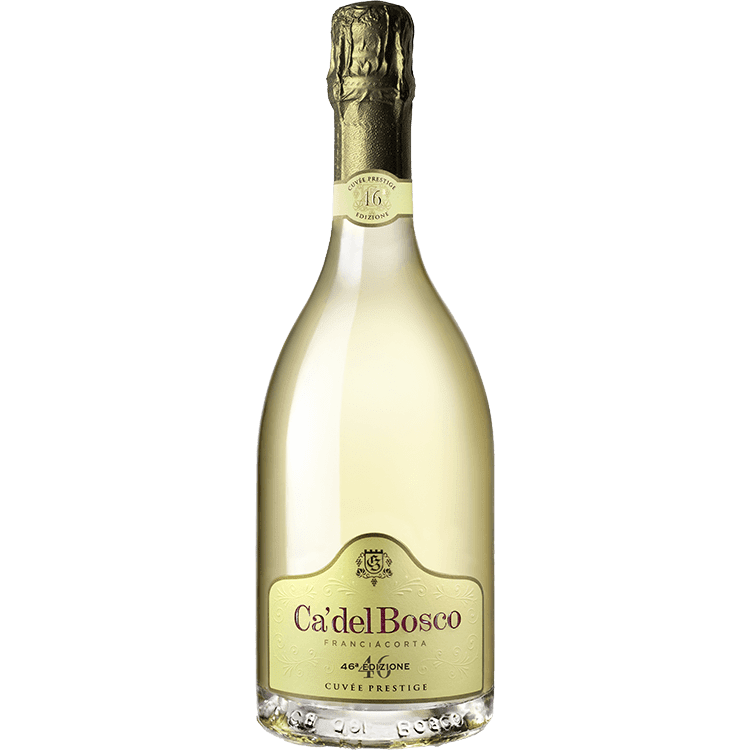
If you only pour one wine at a cheese party, pour sparkling. Carbonation and acid together are the most efficient palate cleanser in the drinks cabinet, and there is no soft cheese it doesn't flatter — camembert, burrata, robiola, the entire washed-rind aisle. La Marca Prosecco ($17.99) is the value workhorse, off-dry enough to handle salt. Veuve Clicquot Yellow Label ($68.99) brings toasty autolytic notes that echo the mushroom in a bloomy rind, which is the pairing that makes people go quiet. We broke down every style of bubbly — and what separates them — in champagne vs. prosecco vs. cava.
Rosé + mozzarella, and Riesling + the funk
Two pairings for July specifically. Chilled dry rosé against fresh mozzarella, burrata or havarti is a summer default: the wine's strawberry-and-citrus brightness lifts creamy salt without adding weight, and The Beach by Whispering Angel Rosé ($17.99) was practically designed for a shaded table. Our full rosé guide has ten more. Then the trump card: off-dry Riesling. Its residual sugar and screaming acidity together handle the cheeses that defeat everything else — raclette, taleggio, aged munster, anything that announces itself before you open the fridge. Bassermann-Jordan Riesling ($17.09) from the Pfalz is the bottle, and it costs less than the cheese.
Port + blue cheese: the pairing worth believing
Salt and sweet, one more time, at full volume. Blue cheese is aggressive, briny, and high in fat; tawny port is nutty, caramelized and sweet enough to meet it head-on. Delaforce 20 Year Old Tawny Port ($42.09) against a wedge of stilton or gorgonzola dolce is the most reliably astonishing thing on this board, and twenty years of oxidative aging brings walnut and dried fig notes that make the cheese taste sweeter than it is. Croft Vintage Port ($84.99) is the darker, richer, more structured alternative for roquefort. Serve both lightly chilled, in small glasses. This is a two-ounce pairing, not a two-glass one.
Building the board
For six people: three cheeses, not eight — one fresh, one bloomy, one aged hard — plus two wines, a white and a sparkling, and a small pour of something sweet at the end. Pull the cheese from the fridge an hour before serving, because cold mutes cheese exactly as it mutes whisky. Serve whites at 50°F and reds at 60°F, both cooler than most people do. And add the accompaniments that bridge gaps: walnuts for the tannic reds, honey for the blues, fig jam for anything stubborn.
Every bottle above is in stock and ships fast. Start in the wine collection, narrow to white wine for the acid-forward half of the board or red wine for the tannic half, and reach for sparkling wine if you want the one bottle that never fails. Building a bigger summer table? Our grilling pairing matrix and sangria guide handle the rest of the menu, and the French spirits guide covers what to pour before the cheese arrives.

