


WHITE WINE

Klinker Brick Albarino

Chateau De Thauvenay Sancerre

La Crema Pinot Gris
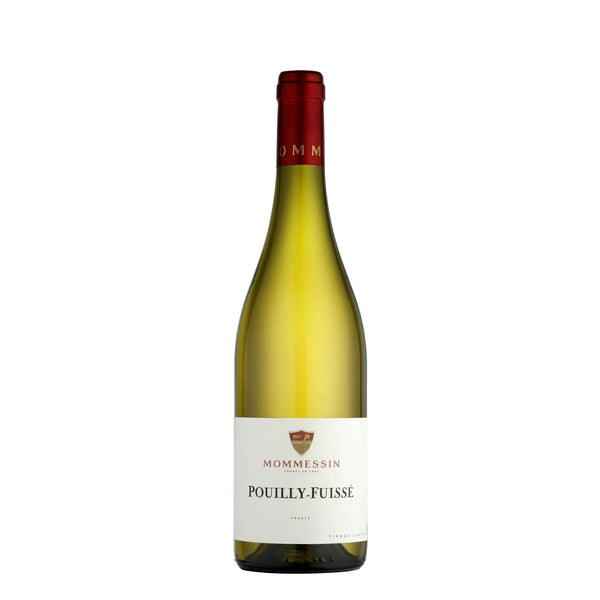
Mommessin Pouilly Fuisse

Etude Pinot Gris

St. Francis Merlot Reserve

San Polo Brunello Di Montalcino

Marchesato Degli Aleramici Brunello Di Montalcino
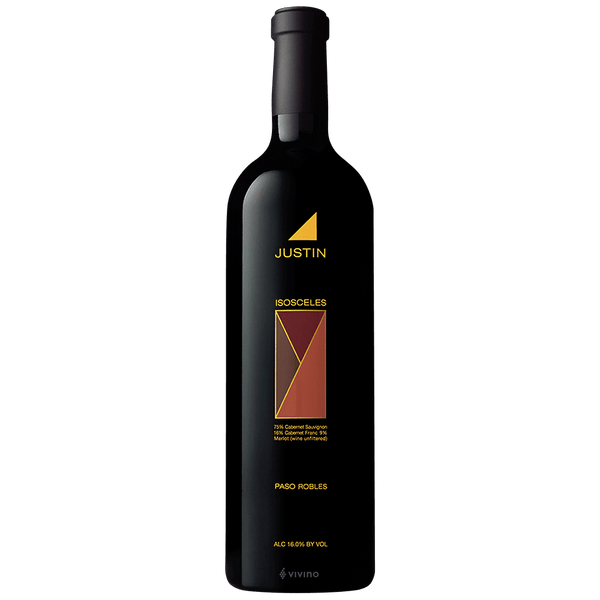
Justin Isosceles

Altesino Brunello Di Montalcino
WHITE WINE
Read more about WHITE WINE
White wine is the most useful category in the store and the most underrated. It is the wine that handles heat, the wine that handles fish, the wine that handles cheese, and the wine that handles a Tuesday. Our white wine shelf runs from ten-dollar Rieslings to Napa Chardonnays with real cellar potential, organized here by what the wine actually does rather than by grape trivia.
The crisp and acidic end
This is where white wine earns its reputation as food's best friend. Cloudy Bay Sauvignon Blanc ($32.09) is the Marlborough benchmark — passionfruit and cut grass with a citrus edge sharp enough to cut through fried food, goat cheese and anything with lemon on it. Domaine Des Coltabards Sancerre ($32.99) is the French original of the same grape: flintier, drier, more mineral. Santa Margherita Pinot Grigio ($27.99) is the Alpine crowd-pleaser, and Bassermann-Jordan Riesling ($17.09) is the bottle we'd bet on for the hardest pairings in the kitchen — spicy food, washed-rind cheese, anything that defeats everything else.
The rich and textured end
Chardonnay is not one wine but a spectrum, and both ends are here. Kendall-Jackson Chardonnay Avant ($16.99) is the lightly oaked everyday bottle: bright, balanced, forgiving. Josh Cellars Chardonnay ($18.09) does the same job at a slightly softer volume. Cakebread Cellars Chardonnay ($55.09) is the Napa statement — layered, creamy, structured — and the bottle to open when brie or lobster is on the table. Duckhorn Sauvignon Blanc ($28.99) sits between the two camps: a Sauvignon with roundness rather than sharpness.
How to serve it
Most people serve white wine too cold, which numbs the wine into a lemon-flavored ice cube. Crisp whites want about 45–50°F; rich, oaked Chardonnays want 50–55°F and open up considerably as they warm in the glass. Twenty minutes out of the fridge is the fix, not the fault. And whites reward a proper glass more than reds do, because their aromatics are delicate enough to be lost to a wide bowl.
Where to go next
Pair the shelf using our wine and cheese pairing guide, which puts four of these bottles against the cheeses they were made for. When you want bubbles instead, the sparkling wine and champagne collections are next door, and champagne vs. prosecco vs. cava explains what separates them. For summer, cross-shop rosé; for dinner, red wine; and for the full shelf, the parent wine collection.
