


Christmas Dinner Wine Pairings 2026: Prime Rib, Ham, Goose and Dessert — 8 In-Stock Bottles from $19.99

Christmas dinner is usually a bigger, richer meal than Thanksgiving, and the centerpiece changes from house to house: a prime rib, a glazed ham, a roast goose, a leg of lamb. Each one asks for a different bottle. This guide matches eight in-stock wines and spirits, priced from $19.99 to $62.99, to the main courses people actually serve on December 25, and it finishes with a dessert wine and a cognac for the end of the night. Prices are live, and an adult aged 21 or older must sign for delivery. If you need gifts rather than dinner bottles, see our Christmas wine gift guide or our Christmas cognac and brandy guide.
The 8 bottles for Christmas dinner


The toast: dry sparkling wine
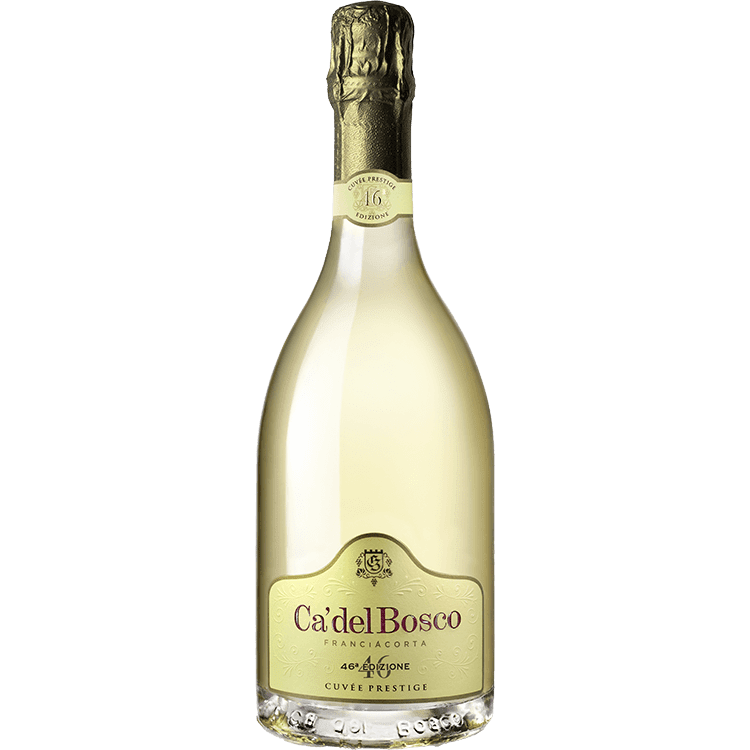
Start with bubbles while the roast rests. Bisol Prosecco Superiore Brut Créde ($24.99) is a drier, higher-tier Prosecco from the Valdobbiadene hills, with crisp green apple and white flower, and it is a good match for cheese, nuts and smoked salmon. It is also a gentler price than Champagne, which leaves more of the budget for the main bottle. Our Christmas sparkling wine guide goes deeper, and the sparkling wine collection and Champagne collection have more choices.
Prime rib and steak: Cabernet or Rioja
A fatty, well-seared roast needs tannin, which is the dry, grippy quality of a young red. Beringer Cabernet Sauvignon Knights Valley ($25.99) is a classic California pairing, with dark fruit, vanilla and firm structure that cut through the fat. For a more savory, older-style choice, Marqués de Riscal Rioja Reserva ($24.99) has red cherry, leather and spice, and it also suits lamb and mushrooms. If you want to understand where Cabernet comes from before you buy, our guide to Cabernet by region explains the differences. Browse the Cabernet Sauvignon collection and the Rioja collection.
Glazed ham: something off-dry and bright
Ham is salty and sweet, which makes a very dry or very tannic wine taste harsh. A little sweetness in the wine solves that. St. Urbans-hof Wiltinger Riesling Schlangengraben ($21.99) is a German Riesling from the Mosel’s Saar area, with lime, stone fruit and a steady acidity that refreshes the palate between bites. If your family prefers red, a light Pinot Noir is the safer choice. See our Riesling collection and our Thanksgiving wine guide, which uses the same principles for turkey.
Roast goose, duck or turkey: Pinot Noir or Syrah
Poultry with crisp skin and a rich sauce suits a red with good acid and not too much weight. La Crema Pinot Noir Monterey ($22.99) has red cherry, cola and a little spice, and it is flexible enough to serve with every dish on the table. For a darker, peppery alternative with a roast goose or a game bird, Montes Syrah Alpha ($19.99) from Chile has blackberry and black pepper at a friendly price. Browse the Pinot Noir collection and the Syrah collection, or the red wine collection for more options.
Dessert: tawny port
Mince pies, Christmas pudding, fruitcake and a cheese board all work with a tawny port, which is an aged fortified wine with notes of nuts, caramel and dried fruit. Delaforce Porto 20 Year Old Tawny ($45.99) is a good example of the style, and a small glass of it can replace a dessert. Serve it slightly cool in a small glass. Our after-dinner drinks guide has more ideas for the end of a heavy meal, and the port collection lists other bottles.
The last pour: cognac
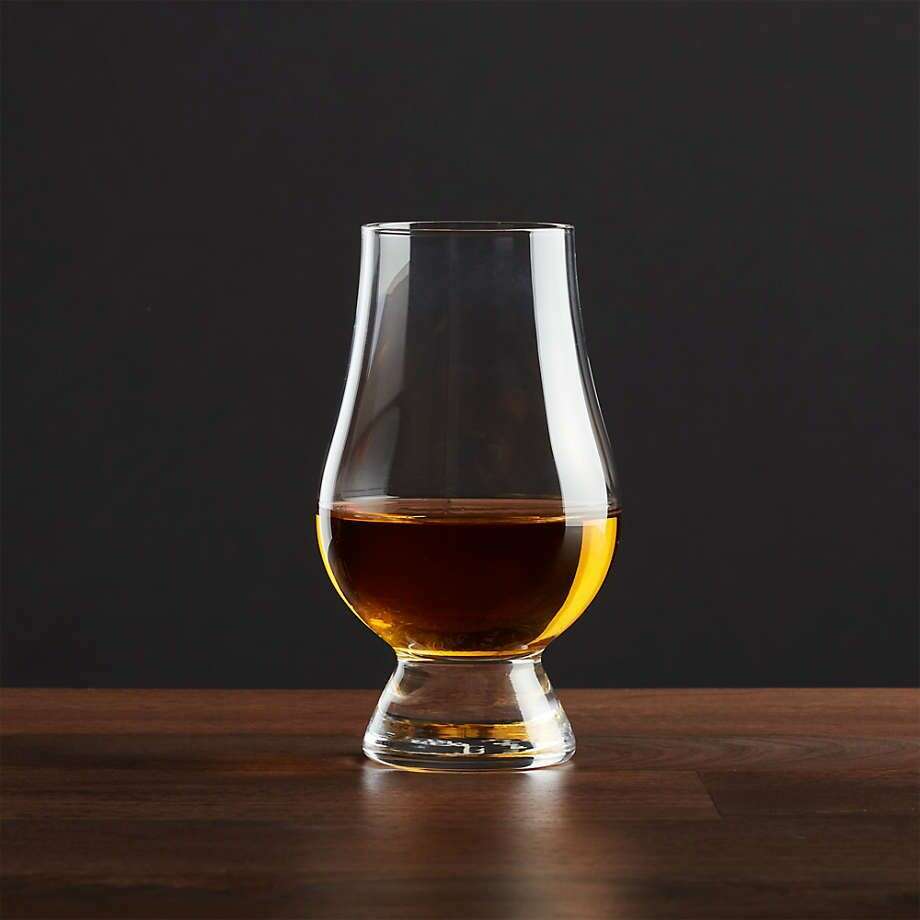
When the table is cleared, a small cognac is a good way to close the evening. Rémy Martin VSOP ($62.99) has apricot, vanilla and a soft oak finish, and it is easy to drink neat or with a drop of water. Pour about one and a half ounces in a tulip glass, and let it sit for a minute. If you would rather serve a liqueur, our Christmas liqueur guide compares eight in-stock bottles. Browse the cognac collection and the brandy collection for other houses and budgets.
Serving temperatures that make a difference
Most home reds are served too warm, and most whites too cold. Aim for about 60 to 65 degrees Fahrenheit for the Cabernet, Rioja and Syrah, which means thirty minutes in the refrigerator before dinner if the house is warm. The Pinot Noir is best at the cooler end of that range. Serve the Riesling and the Prosecco at roughly 45 degrees, straight from the refrigerator, and take the Riesling out for ten minutes if it feels too cold to show any fruit. Port is good slightly cool, and cognac should be at room temperature. Decant the Cabernet and the Rioja into a pitcher an hour ahead if you can, since air softens young tannins. Finally, keep a pitcher of water and a non-alcoholic sparkling drink on the table for guests who are driving or do not drink.
Matching the bottle to the meal at a glance
For a prime rib, choose the Cabernet or the Rioja. For a ham, choose the Riesling, or the Pinot Noir if your guests prefer red. For goose or duck, choose the Syrah or the Pinot Noir. For the toast, choose the Prosecco, and for dessert and the last pour, choose the Delaforce tawny and the Rémy Martin VSOP. If your menu mixes several meats, open two reds, one lighter and one fuller, rather than searching for one perfect bottle. Most guests are happy with a choice of two, and leftover wine is easier to keep than leftover cocktails.
How much to buy, and when
A standard 750ml bottle pours about five glasses, so plan on roughly a bottle for every two guests with dinner, plus bubbles for the toast and a bottle of port or cognac for every six to eight guests. Our holiday party quantity guide has detailed counts for groups of 10, 25 and 50, and our home bar guide lists the extras. December is the busiest month for carriers, so order the week before at the latest, and read our Black Friday liquor guide to see how to time the order. Browse our wine collection, best sellers and new arrivals. Please drink responsibly and never drink and drive.
