


RIOJA
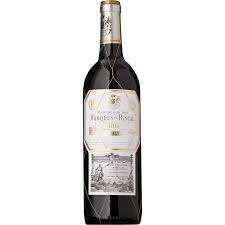
Marques De Riscal Rioja Reserva

Marques De Caceres Rioja Reserva

Lan Rioja Reserva
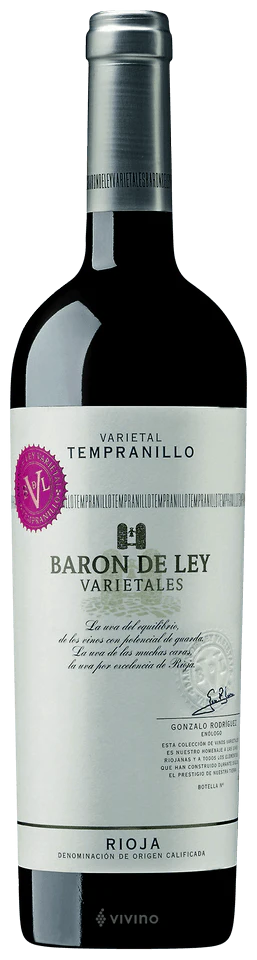
Baron De Ley Rioja Tempranillo

Marques De Murrieta Rioja Reserva
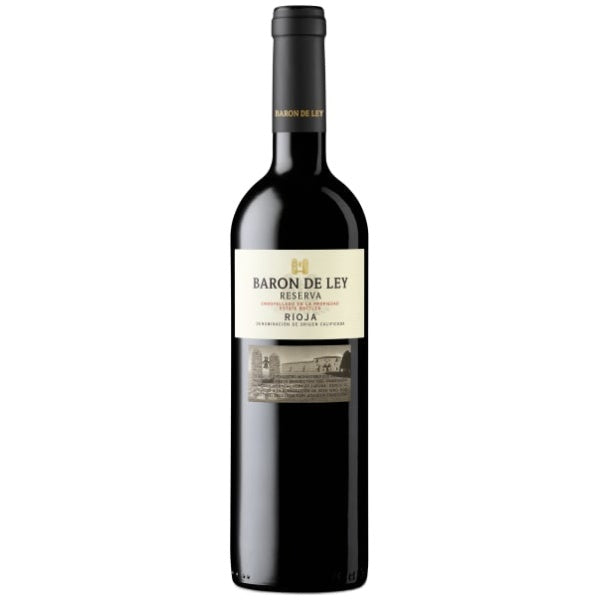
Baron De Ley Rioja Reserva

Lan Rioja Edicion Limitada

Torres Altos Ibericos Reserva Rioja

Faustino V Reserva Rioja
RIOJA
Read more about RIOJA
Rioja is the most familiar Spanish wine in the English-speaking world and the most widely misunderstood. For a generation it was sold here as a cheap, vanilla-heavy red — pleasant, oaky, undemanding — and a great many people formed a permanent opinion on that basis. It is worth revisiting, because the thing that actually distinguishes Rioja is not oak. It is time, and it is written into law.
Crianza, Reserva, Gran Reserva: not marketing tiers
This is the single most useful fact about Spanish wine and it is almost never stated plainly on a shop shelf. Those words on the label are legally defined minimum ageing periods, enforced by the regulatory council, not descriptions a producer chose:
- Crianza — a minimum of two years total, at least one of them in oak barrel.
- Reserva — a minimum of three years total, at least one in barrel.
- Gran Reserva — a minimum of five years total, at least two in barrel and a further two in bottle. Made only in years the producer considers good enough.
The consequence is unusual and, at these prices, close to unmatched anywhere in the wine world: you are buying wine that somebody else has already cellared for you. A Gran Reserva has spent five years maturing before it was allowed to be sold. Nothing from Napa, Bordeaux or Tuscany offers that at $23 — you would be paying for the storage as well as the wine.
Where to start
If you want the clearest demonstration of what the classification does, buy across it rather than within it. Lan Crianza ($14.99), Lan Reserva ($21.99) and Lan Gran Reserva ($22.99) are the same house at all three levels, which makes ageing the only real variable. Opening the Crianza and the Gran Reserva side by side for under forty dollars is one of the best wine lessons available for the money — the fruit recedes, the tannins soften, and savoury notes of leather, tobacco and dried fig come forward.
For a first bottle on its own, Marqués de Cáceres Reserva ($22.99) is the safest possible introduction — a modern, clean, fruit-forward style with the oak kept in proportion. Its Crianza sibling ($18.09) is the everyday version.
Traditional versus modern, and why both are here
Rioja is split by an argument about oak. The traditional camp uses American oak and long ageing, producing that distinctive coconut-vanilla-dill signature; the modern camp uses French oak and shorter ageing for a darker, denser, more international wine. Neither is correct, but you will strongly prefer one.
Marqués de Riscal Reserva ($24.09) is the classicist’s bottle — one of the oldest houses in the region, founded in 1858, and still recognisably traditional. Faustino V Reserva ($22.09) sits in the same camp, with Faustino VII ($13.09) as the young, unoaked entry point that shows you what Tempranillo tastes like before the barrel gets involved.
On the other side, Torres Altos Ibéricos Reserva ($24.09) is the modern reading — Familia Torres came to Rioja from Catalonia and brought a different sensibility with them. The Crianza ($19.09) is the lighter version. Barón de Ley Reserva ($21.99) splits the difference and is one of the most consistent Reservas at its price anywhere.
What it tastes like, and what to eat with it
Tempranillo is the backbone — usually blended with a little Garnacha, sometimes Graciano or Mazuelo. Expect red cherry and plum rather than blackcurrant, moderate tannin, bright acidity, and, with age, an increasingly savoury character. It is a medium-bodied wine that behaves like a heavier one, which is what makes it so useful at the table.
Lamb is the classic pairing and it is classic for a reason. Beyond that: roast chicken, chorizo, aged Manchego, mushroom dishes, anything with paprika, and — because of the acidity — tomato-based cooking that defeats most other reds. A Crianza is the better weeknight bottle; a Gran Reserva wants a slower meal and half an hour open beforehand.
Elsewhere in Spain and beyond
If Rioja works for you, the natural next step is the wider Spanish range — Ribera del Duero is the same grape grown at altitude with a hard day-night temperature swing, Priorat is dense and mineral off slate soils, and Monastrell from Jumilla is the best value in the country. From there, our red wine collection and the full wine range are the wider catalogue, and Argentine Malbec is the closest New World analogue in structure and price.
For help placing Rioja against everything else on the shelf, our guide to the best red wines of 2026 runs from light to full-bodied, and the wine and cheese pairing guide covers the Manchego question properly.
Every bottle linked above was verified in stock in this collection on 2 September 2026. Prices are live and subject to change.

