


Wine | Port
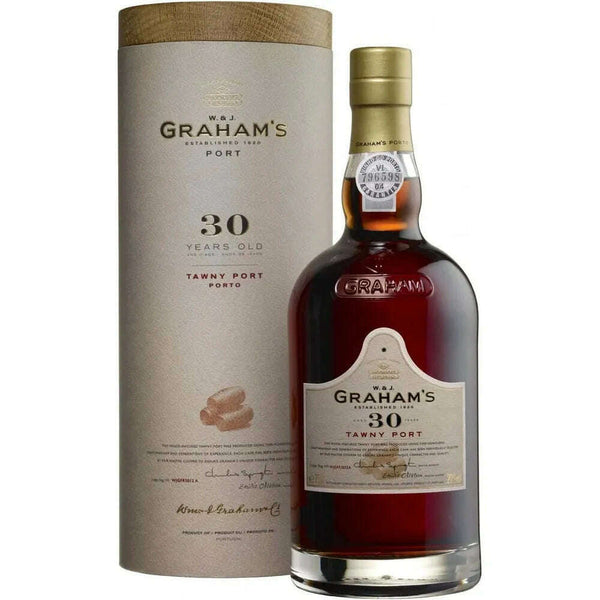
Graham's 30 Year Tawny Port
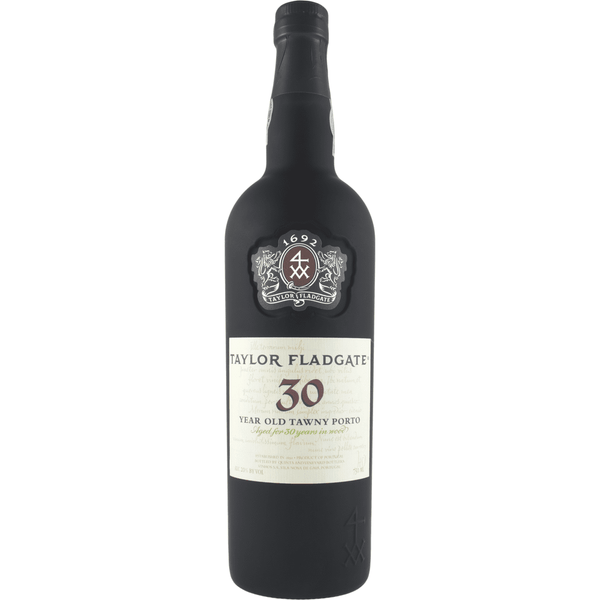
Taylor Fladgate 30 Year Tawny Port
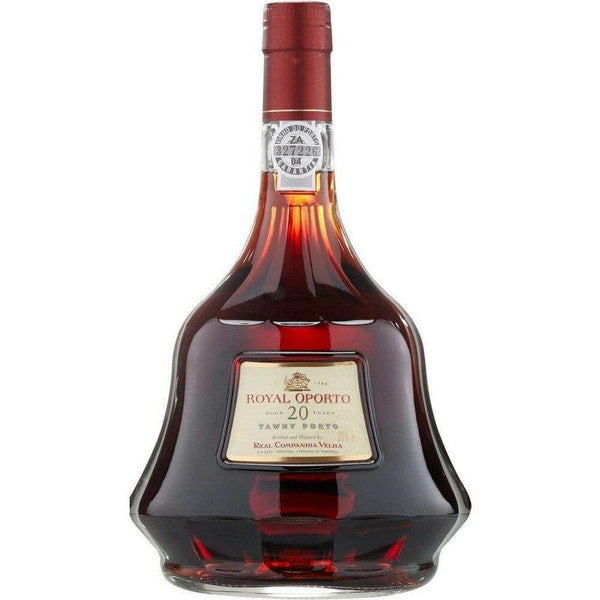
Royal Oporto 20 Year Old Tawny Port
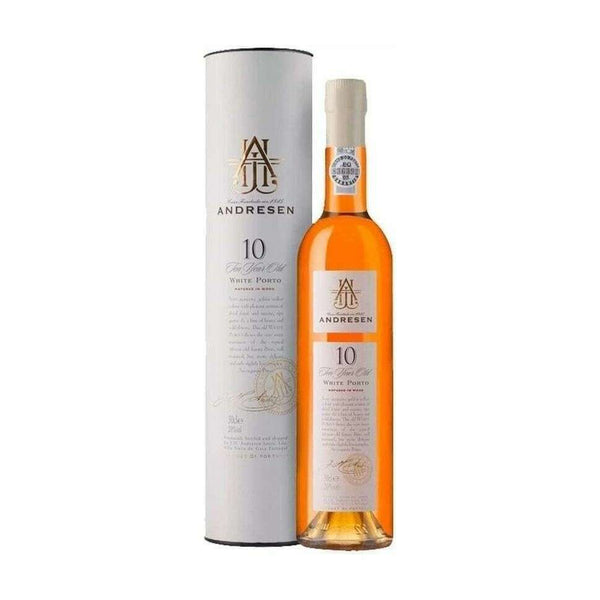
J.H. Andresen Port White 10 Year

Taylor Fladgate 40 Year Tawny Port

Graham's Port Vintage
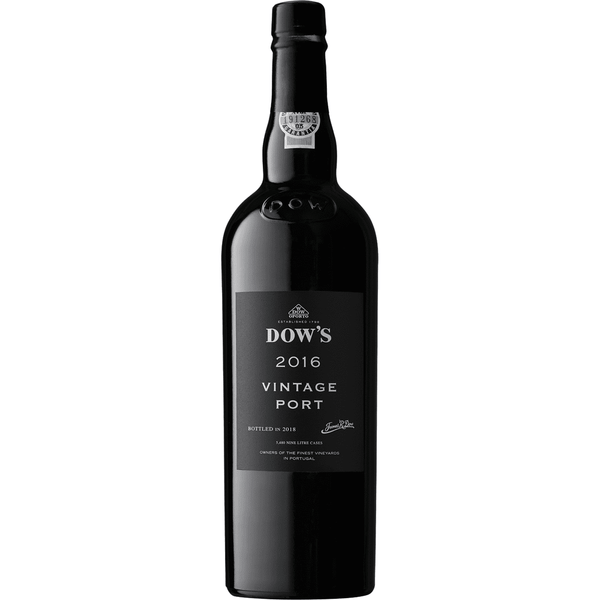
Dow's Vintage Port
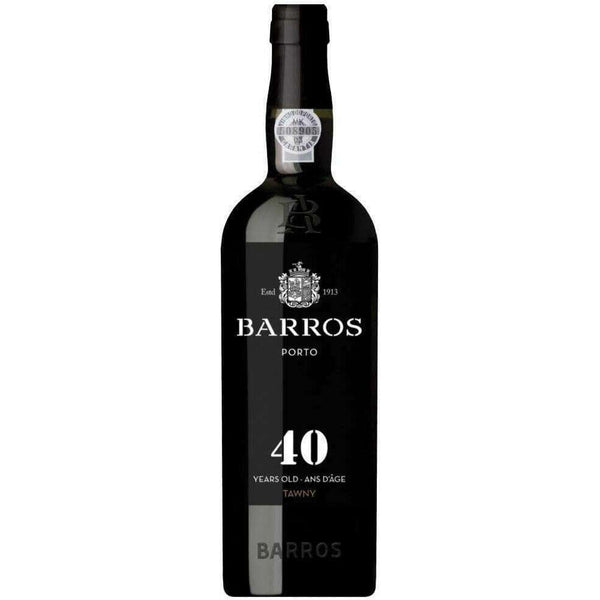
Barros Port Tawny 40 Year

Delaforce Porto 20 Year Old Tawny

Fonseca Vintage Port
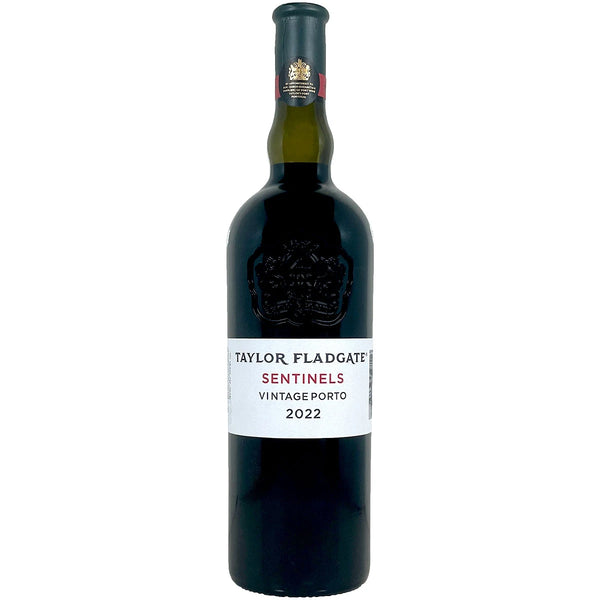
Taylor Fladgate Sentinels Port

Croft Port Vintage
Wine | Port
Read more about Wine | Port
Port is fortified wine from the Douro Valley in northern Portugal — one of the oldest demarcated wine regions on earth, and still one of the most dramatic, with terraced vineyards cut into schist hillsides above the river. What makes port port is the timing: partway through fermentation, before the yeast has converted all the grape sugar to alcohol, the winemaker adds neutral grape spirit. That halts fermentation on the spot, leaving natural sweetness in the wine and pushing it to roughly 19-20% alcohol. Everything else — the color, the texture, how long it lasts once opened — follows from what happens next.
Tawny vs. vintage: the only distinction that really matters
Almost every bottle here falls into one of two camps.
Tawny port is aged for years in wooden casks, where slow contact with oxygen fades the color from purple toward amber and shifts the flavor away from fresh fruit and toward caramel, walnut, dried fig and orange peel. Age-indicated tawnies carry a number — 10, 20, 30 or 40 years — which is the average age of the blend rather than a vintage date. Delaforce Porto 20 Year Old Tawny ($42.09) is an excellent place to understand the style without spending much. Royal Oporto 20 Year Old Tawny Port ($54.09) sits in the same bracket. Step up to Graham's 30 Year Tawny Port ($149.99) or Taylor Fladgate 30 Year Tawny Port ($149.99) and you get the full expression: silky, nutty, endlessly long, and the kind of thing you pour in very small glasses.
Vintage port takes the opposite route. It is aged only about two years in cask and then bottled unfiltered, leaving the rest of its development to happen slowly in glass over decades. Vintage port is declared only in exceptional years — typically three or four times a decade. It arrives dark, tannic and powerfully fruited, and it needs decanting off its sediment. Dow's Vintage Port ($108.09) and Croft Port Vintage ($84.99) are both classic houses and both reward patience.
One outlier worth knowing: J.H. Andresen Port White 10 Year ($19.99) is a white port, made from white grapes and aged ten years. Served cold with tonic and a slice of lemon, it makes one of the best and least-known aperitifs in the wine world.
How to actually drink it
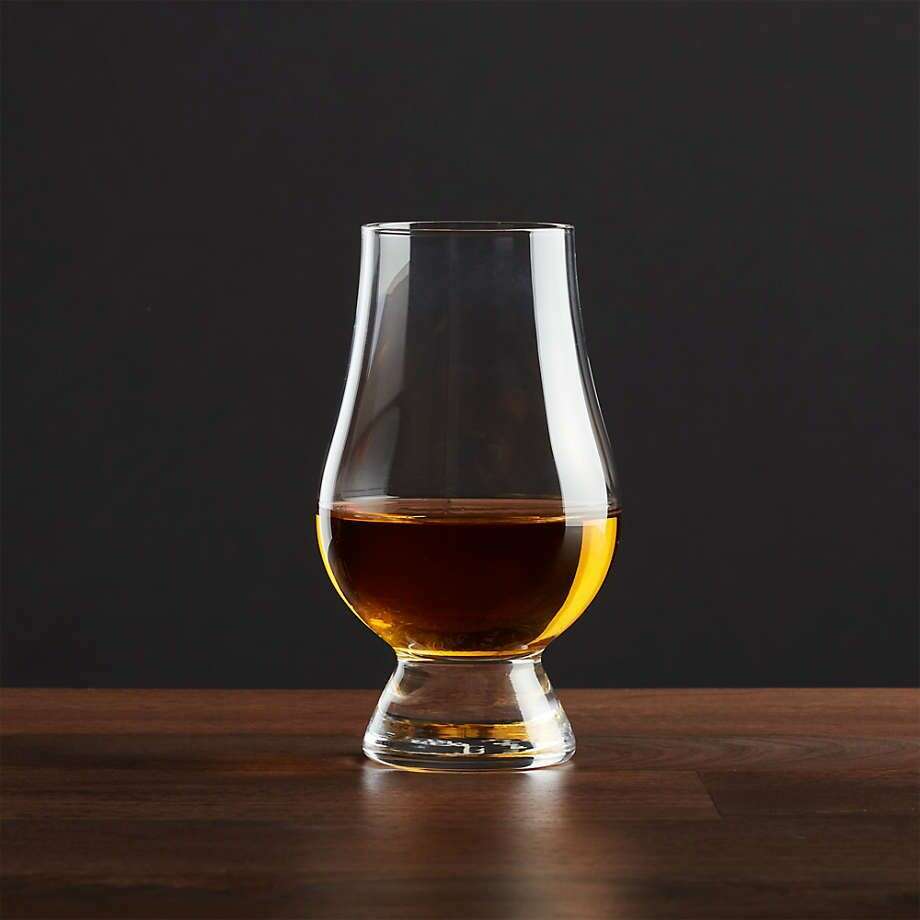
Serve tawny port slightly cool, around 55°F, in a small glass — three ounces is a full serving. Because tawny has already spent years oxidizing in cask, an opened bottle stays good for a month or more in the fridge, which makes it one of the most practical bottles you can own. Vintage port is the opposite: once decanted, drink it within a couple of days.
For pairing, the classics hold up. Tawny with pecan pie, salted caramel, aged hard cheese or walnuts. Vintage with Stilton or a dark chocolate tart. And a chilled white port with olives and almonds before dinner.
Port and whiskey
There is a reason so many American whiskeys now carry the words "port finish" on the label. Emptied port pipes are among the most sought-after casks in the finishing trade, contributing dark stone fruit, raisin and a plush sweetness that rounds off a hot, high-proof bourbon. Our guide to finished bourbon explains what that second barrel actually does. If you own a port-finished whiskey, tasting it beside an actual tawny is genuinely illuminating — you can identify exactly which flavors came from the barrel, usually within a minute.
Explore more in the full Wine collection, or cross over to the Bourbon collection and Brandy collection — the latter, like port, is a fortified-and-aged tradition built on the same logic of spirit, wood and time. Best Sellers shows what is moving right now.

