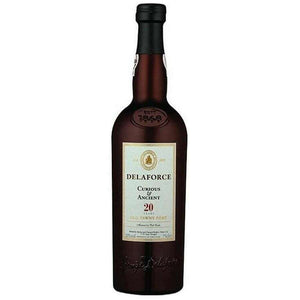
Delaforce Porto 20 Year Old Tawny — Frequently Asked Questions
Does "20 Year Old" mean the wine is twenty years old?
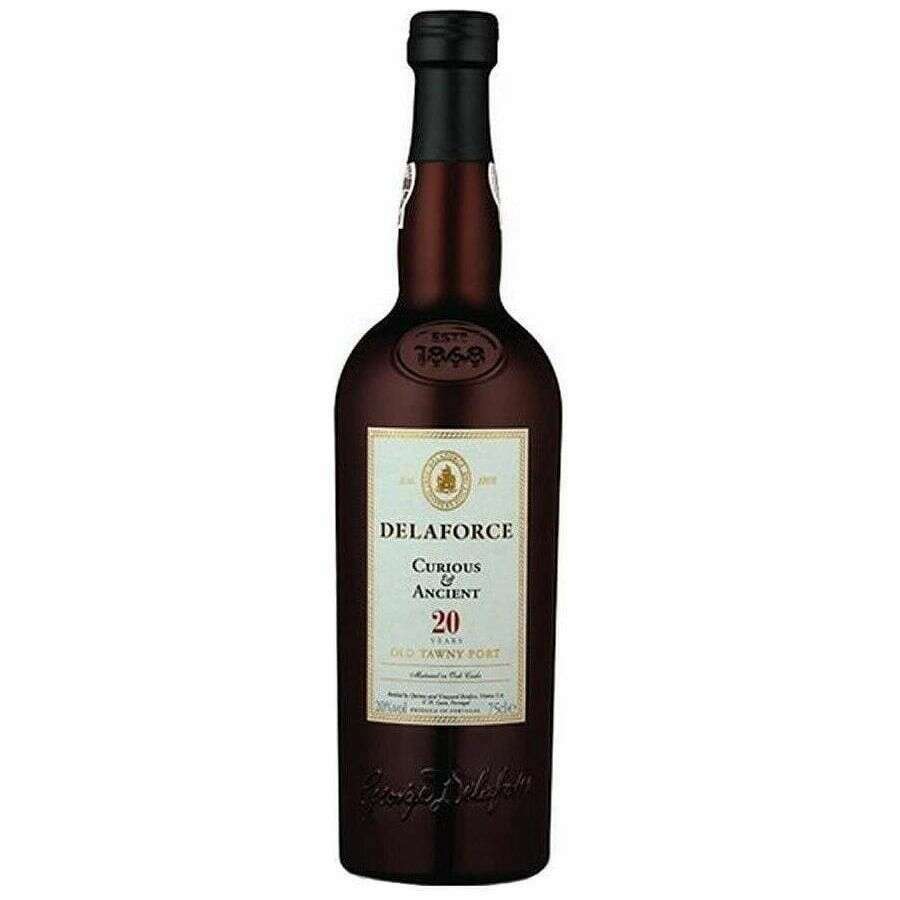
No, and this is the single most misunderstood thing about aged tawny. The official category name is "Tawny with an Indication of Age." The number is a style target, not a minimum age: the bottle is a blend of casks of many different ages, and the producer is declaring that the finished blend presents the way a twenty-year-old tawny should. That claim is assessed by a tasting panel at the Instituto dos Vinhos do Douro e do Porto rather than by an auditor. It means house style matters as much as the number does.
What does a 20 year tawny taste like compared to a 10?
The fruit pulls back and turns dried rather than fresh — fig, date, dried apricot — while nut, butterscotch and caramel move forward. The texture gets silkier and the finish gets appreciably longer. Against Delaforce Porto 10 Year Old Tawny, the step up costs about eleven dollars and is the best-value move on the entire port shelf. Broad critical consensus holds that 20 years is where the style reaches its finest balance.
Is it worth going to a 30 instead?
Only if you already know you like the 20. A 30 year tawny trades away nearly all remaining fruit for leather, roasted nut, coffee and savoury rancio, at roughly three and a half times the price. It is a different drink rather than a better one, and some experienced drinkers prefer the 20 outright for its balance. Buy the 20 first.
How long does it last once opened?
This is aged tawny's real advantage. Because the wine has already spent decades in oxidative ageing in cask, a few more weeks of air will not hurt it. Expect one to three months of good drinking from a stoppered bottle, and longer if you keep it in the fridge. Vintage port, by contrast, is finished within days of opening. If you want one serious bottle open on the sideboard through autumn and winter, this is the category.
What temperature should I serve it at, and should I decant?
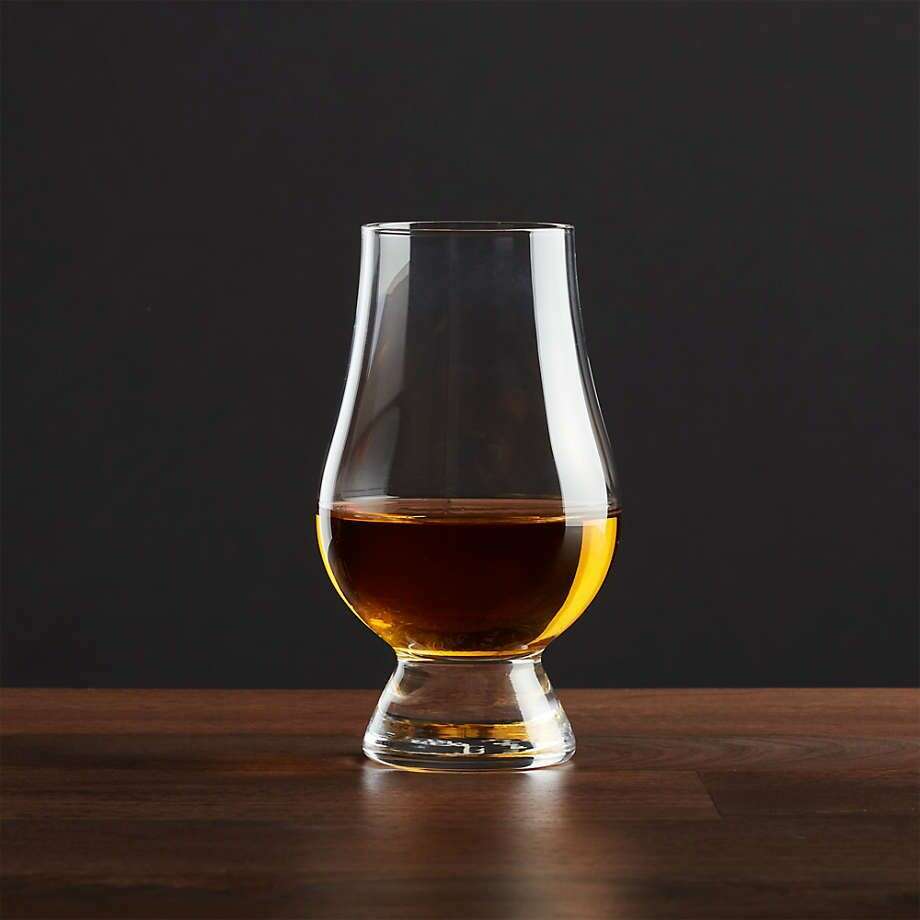
Serve cool, around 55°F — roughly twenty minutes in the fridge from room temperature. Too warm and the alcohol dominates; too cold and the aromatics disappear. Do not decant it. Aged tawny is filtered before bottling and throws no sediment, so decanting achieves nothing and starts a clock you have no reason to start.
What should I eat with it?
Walnuts, almonds, dried figs and dates, hard aged cheese, crème brûlée, and anything caramelised — the pairings work because they share the wine's nutty, oxidative chemistry rather than just its mood. Skip chocolate with aged tawny; it works with ruby and LBV styles, where fruit can stand up to it, but it flattens a twenty completely. The rest of the range, from entry tawnies to declared vintages, is in the Port collection, and broader Portuguese wine sits in Portugal.