


Corporate Gifting with Spirits (2026): How to Buy for 5, 50 or 500 People Without Getting It Wrong — Budget Tiers, the Compliance Rules Nobody Mentions, and 8 Bottles That Travel Well

Corporate gifting is a very large business that is done badly with remarkable consistency. The global market is projected to run around $957 billion in 2026, up from roughly $887 billion the year before, and a meaningful share of that is spent on things the recipient quietly re-gifts before February.
Spirits are one of the few categories that reliably escape that fate — a good bottle gets opened, and being opened is the entire point of a gift. But bottles come with complications that mugs and gift cards do not: they are heavy, they are regulated, they cannot be sent to everyone, and the gap between a thoughtful bottle and an insulting one is narrower than most buyers realise.
This is a practical guide to doing it properly. Budget tiers that correspond to real relationships, the compliance questions to ask before you pick anything, and eight bottles that hold up under the specific stresses of corporate gifting.
The 8 bottles in this guide


First: the three questions that determine everything
Answer these before you look at a single bottle. Getting them wrong is more expensive than overspending.
1. Is the recipient allowed to accept it?
This is the one that gets skipped, and it is the one that can turn a gift into a problem for the person receiving it. Finance, healthcare, government contracting, defence, public education and legal all commonly have hard caps or outright bans on gifts from vendors, and alcohol is frequently singled out even where other gifts are permitted. Public-sector recipients may face disclosure obligations. Some companies cap gifts at $25 or $50 and require reporting above that.
The fix is not to guess. For client gifting, ask the account owner whether the recipient’s employer has a gift policy, and if nobody knows, send it to the office rather than the home and keep the value modest — or send something consumable and shared, like a bottle for the team, which reads differently from a bottle for an individual.
2. Does the recipient drink?
A meaningful fraction of any list does not — for reasons of health, religion, recovery or preference — and a bottle of whiskey arriving at the desk of someone in recovery is not a neutral event. It is actively unkind, even though nobody intended it.
At small scale, you should know. At large scale you cannot, which is why spirits are a poor choice for undifferentiated mass gifting and a very good choice for targeted gifting. If you are sending to 500 people you have never met, send something else. If you are sending to the 40 clients your team actually talks to, spirits are close to ideal.
3. Can it legally get there?
Alcohol shipping is state-by-state and genuinely restrictive. Several states prohibit retailer-to-consumer shipment of spirits entirely, and a few prohibit it for wine as well. An adult signature is required at delivery everywhere, which means a business address during business hours is a materially better delivery point than a home address — a rare case where the corporate option is also the practical one. Build your list knowing that some addresses will not be servable and plan a substitute rather than discovering it in the third week of December.
The four tiers, and what each one actually signals
Price in gifting is a message, not just a cost. Spend too little on a major client and it reads as an afterthought; spend too much on a junior contact and it reads as pressure. These are the bands that work.
Tier 1 — $35–50: teams, volume, thank-yous
This is the band for internal recognition, project close-outs, and the long tail of a client list. You need something recognisable, unembarrassing, and available in quantity — novelty is a liability here, because you cannot brief 50 people on why the bottle is interesting.
Wild Turkey Longbranch ($39.99) is the pick. It is a refined, oak-and-charcoal-filtered Wild Turkey at a friendly proof, the packaging is better than the price, and it is approachable enough that someone who drinks bourbon twice a year will enjoy it. Woodford Reserve ($44.99) is the safest bottle in the entire category — the one nobody has ever been disappointed to receive — and its bottle shape does a lot of work on a desk.
Also in band: Maker’s Mark 46 ($44.99), Angel’s Envy ($54.99) at the top of it, and Smoke Wagon Straight Bourbon ($36.99) if your recipients are the kind who like finding something they haven’t seen.
Tier 2 — $70–125: clients, partners, the relationships that matter
This is the working band for client gifting and it is where presentation starts to matter as much as contents.
Johnnie Walker Gift Set ($89.99) is the most efficient thing on this page for one reason: it arrives in its own presentation packaging, so it needs no wrapping, survives shipping, and looks deliberate on arrival. Scotch also travels better than bourbon across an international recipient list — it is understood everywhere.
Booker’s Small Batch ($109.99) is the choice when the recipient genuinely knows bourbon. It is uncut, unfiltered, barrel proof, batch-labelled — a bottle that says the sender knew what they were doing. Do not send it to someone who drinks a bourbon and ginger twice a year; at over 60% ABV it is an imposition rather than a treat.
Clase Azul Reposado ($119.99) is the single best non-whiskey gift in the store, and arguably the best gift in it full stop. The hand-painted ceramic decanter is kept and used as an object long after the tequila is finished, which is a form of longevity almost no other bottle offers. It is also the right answer for recipients who have made clear they don’t drink brown spirits.
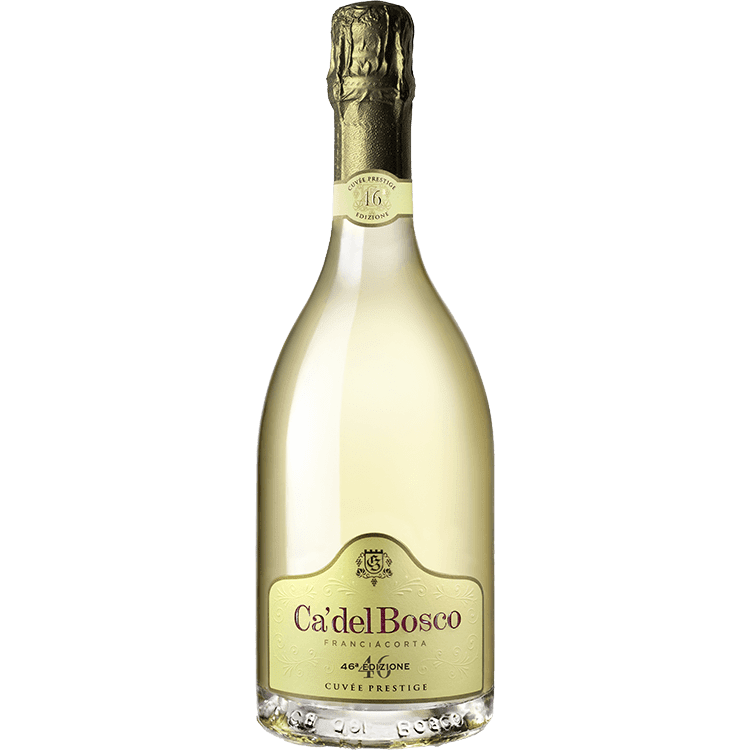
And for a list where you know some recipients don’t drink spirits at all, Taittinger Brut ($74.99) is the correct default — Champagne is celebratory rather than personal, which makes it the safest thing to send to someone whose taste you are guessing at. Ruinart Blanc de Blancs ($99.99) and Veuve Clicquot Rosé ($74.99) sit in the same band; browse the Champagne collection for the rest.
Tier 3 — $150–250: executive, milestone, retirement
Reserve this band for a small number of people and a specific reason. A gift at this level without an occasion attached creates an obligation, which is the opposite of what you want.
The Johnnie Walker Collection Exclusive Sampler Gift Basket ($199.99) is the best executive gift here because it is an experience rather than a bottle — a range to taste through, which is the 2026 trend everyone describes as “experiential gifting” without doing anything about it. The Blanton’s Single Barrel Bundle ($244.99) is the one for a recipient who collects: Blanton’s carries genuine cachet among people who follow bourbon, and the horse-and-jockey stoppers are a collectable set in their own right.
Also here: Johnnie Walker Blue Label ($189.99), which communicates its own value more reliably than any other bottle at the price — a real advantage when you cannot explain the gift in person. Yamazaki 12 Year ($179.99) and Hakushu 12 Year ($199.99) are the picks for a recipient who already has every Scotch worth having; both come from the Japanese whiskey collection, and our global whisky guide covers why they command what they do.
Tier 4 — $300+: one or two people, once
Casa Dragones Joven Gift Set ($398.09) is the example. There is no general advice at this level except that the number of people who should receive a gift like this in a given year is small, and if your list has more than three names on it, some of them are on it for the wrong reason.
Presentation, personalisation, and the one thing that actually matters
The 2026 gifting research is unanimous that personalisation outperforms generic gifting, and it is right, but the industry consistently misreads what personalisation means. An engraved company logo on a glass is not personalisation — it is advertising, given to someone else, at their expense of shelf space.
Personalisation is the note. A handwritten card that names something specific — the project, the year, the thing they did — converts a transaction into a gesture, and it costs nothing. A bottle with a generic printed card is a bottle. The same bottle with three honest sentences is a gift people remember years later. If you do one thing differently this year, do that one.
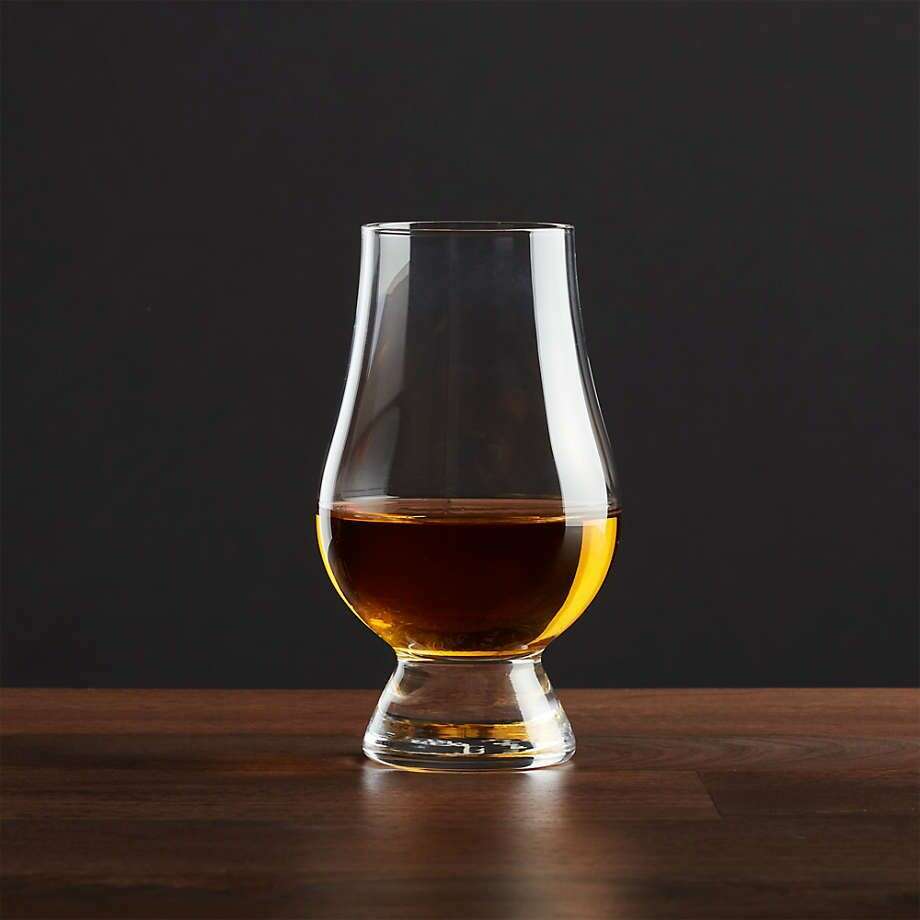
Where engraving does work is on the recipient’s own initials rather than your logo: Nordic Custom Monogram Engraved Whiskey Glass ($29.99) and the Amerit Custom Engraved Glencairn ($24.99) both pair well with a tier-1 or tier-2 bottle and lift the whole package. A Glencairn alongside a barrel-proof bourbon is a genuinely thoughtful combination — our guide to bourbon glassware explains why the shape matters.
Timing: the part that goes wrong every year
Two dates matter and neither is in December.
The first is now. September and October are when the premium $60–200 band is deepest, before allocation season and holiday demand strip it. We made this argument at length in why you should buy your December bourbon in September, and it applies with more force to corporate lists than to personal ones, because a corporate list needs multiples of the same bottle — and depth disappears from the catalogue well before breadth does. Eight of one thing in November is a much harder order to fill than eight of one thing in September.
The second is the shipping cutoff, which is realistically around 8 December for guaranteed pre-Christmas arrival, not the 20th. Adult-signature delivery means failed first attempts are common and second attempts eat days.
There is also a genuine argument, which the 2026 trend data supports, for not gifting in December at all. The current move away from gifting at every possible occasion and towards fewer, better-timed gestures is partly a recognition that a bottle arriving in the second week of January — when nothing else is arriving, and the recipient is not drowning in packages — lands considerably harder than the same bottle arriving on 18 December as one of eleven. If your goal is to be remembered rather than to be seen to have complied with a custom, consider moving the whole programme.
The honest counter-argument
Spirits are not the right corporate gift for every list, and it is worth saying so plainly on a page that sells them.
They fail badly at scale, for the reasons above. They are heavy, which makes shipping a real line item. They cannot reach every address. They exclude non-drinkers by construction. And they carry a compliance burden that a box of good coffee does not.
What they do better than almost anything is signal specific attention to a specific person. That is a narrow strength, but it is exactly the strength that corporate gifting usually lacks. So the defensible position is not “send bottles.” It is: send bottles to the people you actually know, at a tier that matches the relationship, with a note that proves you know them — and send something else to everyone else.
Buying in quantity
A few practical notes. Order the full quantity in one go rather than in waves, because stock depth on any given bottle is finite and partial orders are how a uniform gift programme becomes an awkward mixed one. Confirm that your chosen bottle can ship to every state on your list before you commit to it. Stagger delivery dates deliberately if the recipients talk to each other. And keep one or two spares — replacements for breakages and late additions are always needed, and are always needed at the worst moment.
For multi-bottle options that solve several recipients at once, the sampling kits & gift sets collection is the right starting point.
Where to start
If you have a list and a budget and no time, here is the short version. Under $50 and more than twenty people: Woodford Reserve. Client gifts around $90: the Johnnie Walker Gift Set, because the packaging problem is already solved. One executive, one occasion: the Johnnie Walker Collection sampler basket. Someone who doesn’t drink whiskey: Clase Azul Reposado, or Taittinger if you are unsure. Then write the notes yourself.
Browse the bourbon collection, the whiskey collection, the Scotch collection and tequila & mezcal for the full range, or start from best sellers if you want the bottles that are hardest to get wrong. If your gifting list overlaps with people who are following the season, our guide to the 35th Kentucky Bourbon Festival covers what they will be paying attention to this month, and the bourbon-by-budget guide has more options in each band.
Market sizing and gifting-trend figures are drawn from published 2026 industry research. Prices and stock levels were checked against our live catalogue on the morning of 2 September 2026. Alcohol shipping is regulated state by state; availability is confirmed at checkout. This is general guidance, not legal or compliance advice — check your own organisation’s and your recipient’s gift policies before you buy.

