
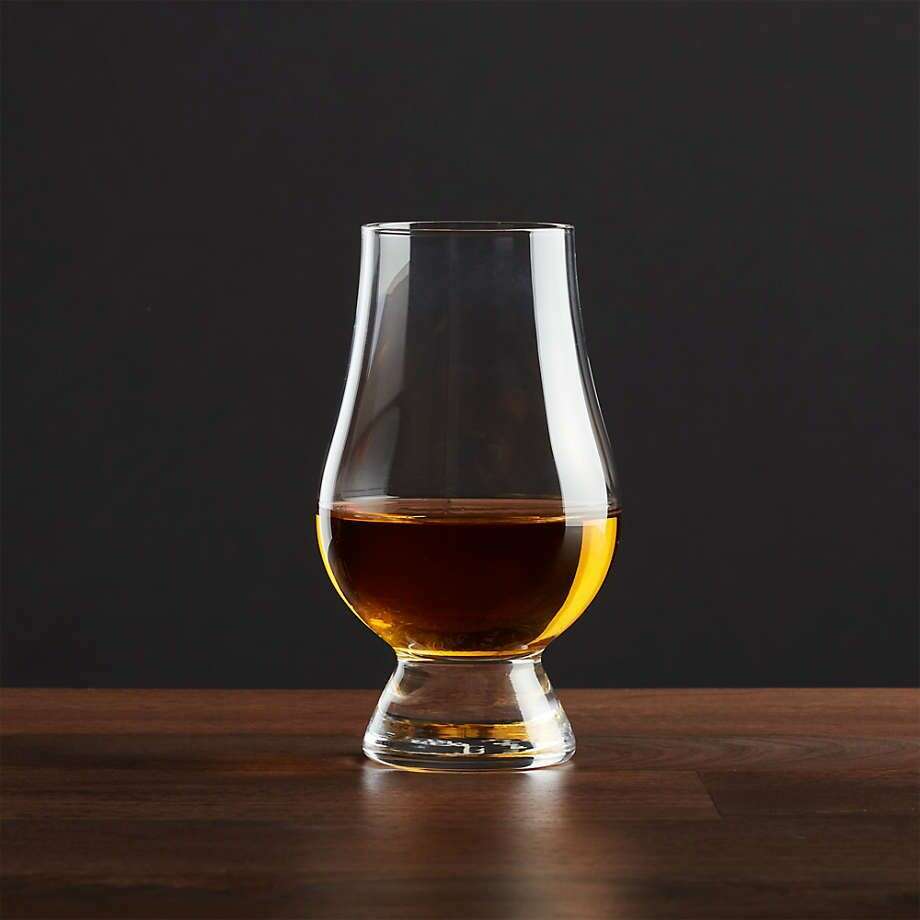
Blind panel tested · Wheated bourbon

The Best Wheated Bourbons, Ranked (2026)

Short answer

The best wheated bourbons our panel ranked are Weller Antique 107, Old Fitzgerald Bottled-in-Bond 7 Year, and Rebel 10 Year Single Barrel — each built on a mash bill that uses wheat instead of rye, which gives wheated bourbon its soft, sweet, rounded profile. Weller Antique 107 took the top spot at 9.0/10: a 107-proof bourbon from Buffalo Trace's wheated recipe, the same family as Pappy Van Winkle. For value, Larceny Small Batch ($40.09) and Maker's Mark 46 ($44.99) deliver the style for under $50.

Bourbon Central's four-person panel blind-tasted a flight of wheated bourbons and ranked the six we keep in stock. Weller Antique 107 finished first at 9.0/10 — a 107-proof bourbon from Buffalo Trace's wheated mash bill, the same recipe family as Pappy Van Winkle, and the richest wheated pour on the list. Old Fitzgerald Bottled-in-Bond 7 Year (8.8) is the best age-stated pick; Rebel 10 Year Single Barrel (8.6) is the single-barrel option; and Maker's Mark Cask Strength (8.5), Maker's Mark 46 (8.4) and Larceny Small Batch (8.2) round out the list.

Wheated bourbon simply means the flavoring grain in the mash bill is wheat rather than rye. That single swap trades pepper and dry spice for soft caramel, honey and a smooth, rounded finish. Here is the full ranking, with wheat content, proof, price, availability and panel score for each.

Key takeaways

  • Wheated bourbon uses wheat instead of rye as its flavoring grain, which trades pepper and spice for a soft, sweet, rounded profile — what most drinkers call 'smooth.'
  • Weller Antique 107 is the panel's top pick: a 107-proof bourbon from Buffalo Trace's wheated mash bill, the same recipe family as Pappy Van Winkle.
  • Larceny Small Batch ($40.09) and Maker's Mark 46 ($44.99) are the value picks — genuine wheated character for under $50.
  • Old Fitzgerald Bottled-in-Bond and Rebel 10 Year are the age-statement options: 100 proof, a decade or near it in oak, with real depth.
  • Weller and Pappy Van Winkle share the same Buffalo Trace wheated recipe — the reason Weller is nicknamed 'the poor man's Pappy.'
  • Proof varies widely (92 to ~110 here), but even the strongest wheated bourbons keep their characteristic soft, sweet core.
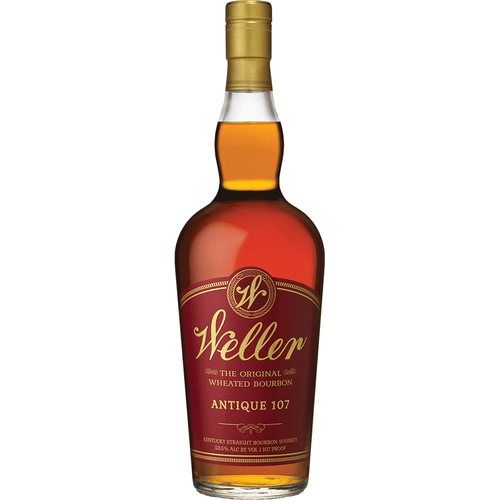
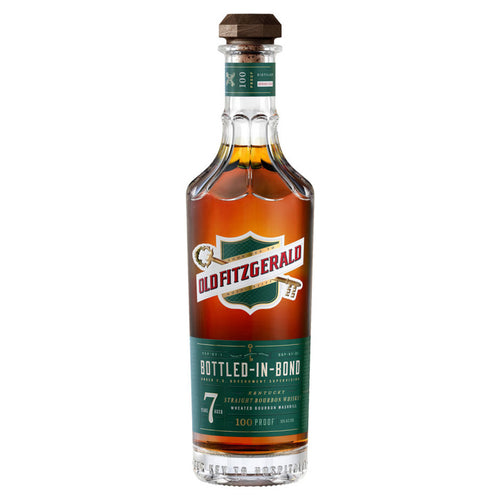
The full ranking

Every bourbon here is wheated — the flavoring grain in the mash bill is wheat, not rye. Our panel scored on aroma, palate, finish, balance and value; wheat content and proof are shown so you can see where the softness comes from. Sort any column to re-rank the flight.

Bourbon Central panel ranking — the best wheated bourbons — blind-tasted August 21, 2026 by a 4-person panel.
Bourbon Wheat in mash billPublished or reported Proof Price750 mL Availability Panel score
Weller Antique 107 ~16–20%* 107 $135Limited9.0/10
Old Fitzgerald Bottled-in-Bond 7 Year Wheated* 100 $80Wide8.8/10
Rebel 10 Year Single Barrel Wheated* 100 $110Limited8.6/10
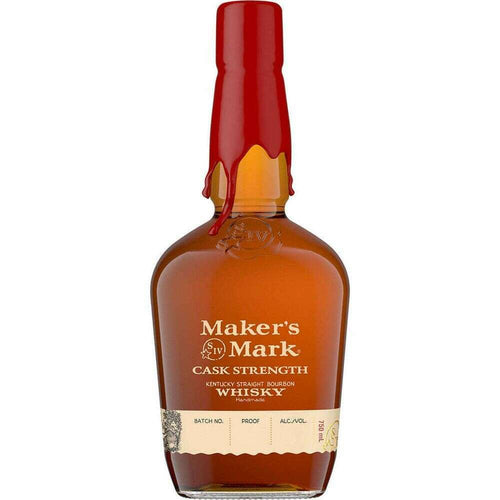
Maker's Mark Cask Strength ~16% 110 $58Limited8.5/10
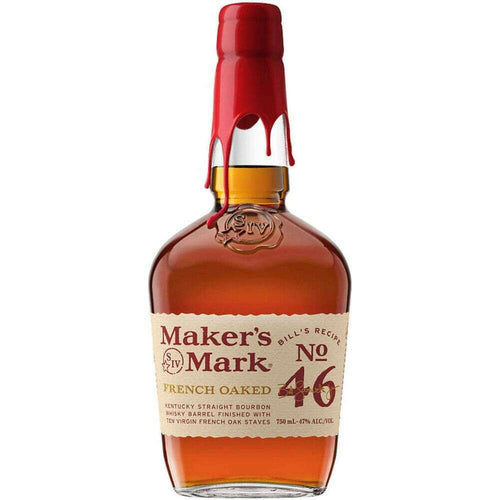
Maker's Mark 46 ~16% 94 $45Wide8.4/10
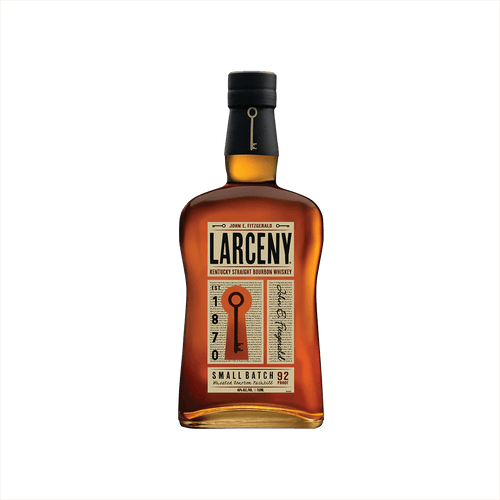
Larceny Small Batch Wheated* 92 $40Wide8.2/10

*Most wheated mash bills are undisclosed; Maker's Mark is the exception at roughly 16% wheat, and Weller's Buffalo Trace recipe is widely reported at about 16–20% wheat. 'Wheated' means wheat is the primary flavoring grain. Prices are the live Bourbon Central price at publication and move constantly; the price on each product page is the accurate one. Method: how we tested.

Cite this table

Free to reuse with attribution and a link back:

Nathan Cole. “The Best Wheated Bourbons, Ranked (2026).” Bourbon Central, August 2026. https://thebourboncentral.com/pages/wheated-bourbons-ranked

Every wheated pick, and who it's for

1

What is the best wheated bourbon overall?

Weller Antique 107. Bottled at a full 107 proof from Buffalo Trace's wheated mash bill — the same recipe family as Pappy Van Winkle — it is the richest, most complete wheated bourbon our panel could actually buy, and the flavour benchmark the rest of the list is measured against.

Proof
107
Avg. price
$134.99
Availability
Limited
Panel score
9.0/10

Weller Antique 107, often called 'the poor man's Pappy,' shares its recipe DNA with Van Winkle: the same Buffalo Trace wheated mash bill, where soft red winter wheat replaces rye as the flavouring grain. What sets it apart from the other Wellers is proof. At 107 it carries far more weight and oil than the 90-proof Special Reserve, and that extra body is exactly what makes wheated bourbon sing — dark caramel, honey, baking spice and a plush, almost syrupy texture.

The panel scored it highest on outright quality. It is the one bottle here that gives you the full Pappy-adjacent experience: the soft, sweet, wheat-driven core, but with enough proof to keep it from turning flabby. Neat, it is round and warming; a few drops of water pushes the caramel and vanilla forward.

The catch is availability and price. Weller is allocated, so it trades well above its roughly $50 shelf price — our stock moves in and out, and it is the most expensive bottle on this list. But for the best wheated bourbon you can realistically get, it was the panel's clear number one.

Panel tasting note
Nose

Dark caramel, honey, vanilla and soft baking spice.

Palate

Rich and rounded — toffee, brown sugar, cherry and a plush, oily texture at 107 proof.

Finish

Long, warming and sweet, with lingering caramel and gentle oak.

Who it’s for

Anyone who wants the definitive rich, high-proof wheated profile — the closest widely-sold bottle to the Pappy experience.

Who should skip it

Bargain hunters, and drinkers who want a light, easy pour — this is the priciest and most intense wheated bottle here.

2

What is the best age-stated wheated bourbon?

Old Fitzgerald Bottled-in-Bond 7 Year, at $79.99. Heaven Hill's decanter series is bottled in bond — one distilling season, 100 proof, an age statement on the label — and this release's seven years of oak give the soft wheated core real depth and structure.

Proof
100
Avg. price
$79.99
Availability
Wide
Panel score
8.8/10

The Old Fitzgerald bottled-in-bond line is Heaven Hill's showcase for its wheated recipe, released twice a year with a stated age that changes each time. This one is seven years old, bottled in bond: a legal guarantee of a single season, a single distillery, at least four years in a federally supervised warehouse, and exactly 100 proof.

That 100-proof bonded format suits wheated bourbon beautifully. The wheat keeps it soft and sweet — honey, orchard fruit, a little butterscotch — while the age adds a layer of dry oak, baking spice and toasted-bread depth that the younger Larceny doesn't have. It drinks richer than its price suggests, and the elegant glass decanter makes it a natural gift.

The panel put it just behind Weller Antique 107 on quality, and ahead of it on value. If you want an age statement and bonded structure in a wheated bourbon you can usually find, this is the pick.

Panel tasting note
Nose

Honey, orchard fruit, toasted bread and light oak.

Palate

Soft and deep — butterscotch, baked apple, wheat sweetness and dry oak at a bonded 100 proof.

Finish

Medium-long, dry and gently spiced, with toffee lingering.

Who it’s for

Wheated drinkers who want age, structure and a bonded guarantee — and a bottle that gifts well.

Who should skip it

Anyone chasing the lightest, easiest wheated pour; this leans richer and drier than the entry-level bottles.

3

What is the best single-barrel wheated bourbon?

Rebel 10 Year Single Barrel, at $109.99. Lux Row's wheated bourbon, aged a full decade and bottled one barrel at a time at 100 proof — the rare wheated bottle that gives you both a genuine age statement and single-barrel character.

Proof
100
Avg. price
$109.99
Availability
Limited
Panel score
8.6/10

Rebel is Lux Row Distillers' wheated brand, and the 10 Year Single Barrel is its serious expression. Where the standard Rebel is a soft, inexpensive everyday bourbon, this is a decade-aged, hand-selected single barrel at 100 proof — a very different animal.

Ten years in oak does a lot for a wheated recipe. The wheat keeps the core sweet and mellow, but the age layers in dark caramel, dried fruit, leather and a real oak spine that younger wheated bourbons lack. Because it is bottled one barrel at a time, there is some variation, but the house character — rounded, sweet, medium-bodied — is consistent.

The panel scored it just below the Old Fitzgerald: similar age and proof, a touch less depth, and single-barrel variability that can cut either way. But as a wheated single barrel with a genuine 10-year age statement, it is hard to find a direct competitor, and it earns its place.

Panel tasting note
Nose

Dark caramel, dried fruit, vanilla and a little leather.

Palate

Rounded and mellow — brown sugar, baked apple, oak and soft wheat at 100 proof.

Finish

Medium, sweet and oak-tinged, with gentle spice.

Who it’s for

Wheated fans who want a decade of age and the single-barrel ritual in one bottle.

Who should skip it

Drinkers who want batch-to-batch consistency, or the lightest possible pour.

4

What is the best full-proof wheated bourbon under $60?

Maker's Mark Cask Strength, at $58.09. The familiar Maker's wheated recipe — about 16% red winter wheat — bottled uncut at cask strength (typically around 108–114 proof), which turns the soft, easy standard pour into something concentrated and bold.

Proof
110
Avg. price
$58.09
Availability
Limited
Panel score
8.5/10

Maker's Mark is the wheated bourbon most people meet first: 70% corn, roughly 16% soft red winter wheat and 14% malted barley, a recipe built for softness and consistency. The standard bottling is deliberately gentle. Cask Strength takes that same distillate and bottles it uncut, usually somewhere between 108 and 114 proof depending on the batch.

The extra proof changes the character completely. Where standard Maker's is light and easy, Cask Strength is thick and rich — caramel, vanilla, baked bread and a warm cinnamon note, with far more oil and length. Water opens it up dramatically, so it rewards a little experimentation in the glass.

The panel scored it a notch above the standard-proof bottles for that concentration and value: it delivers a serious, full-proof wheated experience for well under $60. It ranks below the aged bottles above only because it carries no age statement and less oak-driven depth.

Panel tasting note
Nose

Caramel, vanilla, baked bread and warm cinnamon.

Palate

Thick and rich — toffee, brown sugar, oak and baking spice at cask strength.

Finish

Long and warming, with caramel and cinnamon; water lengthens it further.

Who it’s for

Maker's drinkers who want the same DNA with real intensity, and anyone after a bold wheated pour under $60.

Who should skip it

Neat drinkers sensitive to proof, and anyone who wants an age statement.

5

What is the best value wheated bourbon for sipping?

Maker's Mark 46, at $44.99. Standard Maker's finished with seared French oak staves added to the barrel, bottled at 94 proof — it keeps the soft wheated core but layers on extra vanilla, spice and oak for very little more money.

Proof
94
Avg. price
$44.99
Availability
Wide
Panel score
8.4/10

Maker's Mark 46 was the brand's first new recipe in decades, and it is a clever one. Fully matured Maker's Mark is dumped, ten seared French oak staves are inserted into each barrel, and the whiskey rests a few more months in the limestone cellar before bottling at 94 proof. The wheated base stays soft and sweet; the staves add a darker, spicier top layer.

The result is more complex than standard Maker's without losing the approachability that makes the brand a household name — caramel and vanilla up front, then a wave of oak, clove and dark spice from the French oak. At 94 proof it is sturdy enough to sip neat and gentle enough for a beginner.

The panel rated it the best value sipper on the list. It is not the deepest or highest-proof wheated bourbon here, but for around $45 it delivers genuine complexity and the signature wheated smoothness — a bottle that punches above its price.

Panel tasting note
Nose

Caramel, vanilla, clove and toasted French oak.

Palate

Smooth and layered — toffee, baking spice, dark oak over a soft wheated core at 94 proof.

Finish

Medium, warm and spiced, cleaner than the cask-strength bottles.

Who it’s for

Anyone who wants a smooth, complex wheated sipper for around $45 — an easy everyday upgrade over standard Maker's.

Who should skip it

Drinkers chasing maximum proof, age or intensity; this is tuned for balance and value.

6

What is the best cheap wheated bourbon?

Larceny Small Batch, at $40.09. Heaven Hill's everyday wheated bourbon — the same wheated recipe as Old Fitzgerald, bottled younger at 92 proof — is the best value entry point to the style, soft and sweet for around $40.

Proof
92
Avg. price
$40.09
Availability
Wide
Panel score
8.2/10

Larceny is Heaven Hill's accessible wheated bourbon, built from the same soft red winter wheat recipe as the pricier Old Fitzgerald line but bottled younger and at 92 proof. It exists to be the wheated bottle you keep on the shelf and actually drink, and it does that job very well.

On the palate it is exactly what a wheated bourbon should be at this price: honey, caramel, a little butterscotch and bread dough, soft and round with almost no rye bite. It is not complex, and it fades faster than the aged bottles above, but it is smooth, sweet and extremely easy — the classic 'gateway' wheated bourbon.

The panel scored it lowest here purely on depth, not on likeability. For an introduction to wheated bourbon, a reliable cocktail base, or a soft neat pour for under $40, it is the value pick of the flight.

Panel tasting note
Nose

Honey, caramel, bread dough and a little vanilla.

Palate

Soft and sweet — butterscotch, light fruit and gentle oak at an easy 92 proof.

Finish

Short-to-medium, smooth and sweet, with little spice.

Who it’s for

Beginners and anyone who wants classic soft, sweet wheated character for around $40, neat or mixed.

Who should skip it

Drinkers who want depth, age or proof — this is deliberately the light, everyday option.

What is a wheated bourbon?

A wheated bourbon is a bourbon whose secondary flavoring grain is wheat instead of rye. All bourbon is at least 51% corn; in a wheated recipe, wheat fills much of the rest, giving a softer, sweeter, rounder profile with less pepper and spice.

Every bourbon is majority corn by law. After the corn, distillers add a 'flavoring' grain plus a little malted barley — and the choice of flavoring grain is what defines the style. Most bourbons use rye, which brings pepper, clove and dry spice. A wheated bourbon uses wheat instead.

Wheat is a gentler grain. It doesn't add spice of its own, so it lets the corn's sweetness and the barrel's caramel and vanilla take center stage. The result reads as soft, sweet, mellow and round — the quality drinkers usually describe as 'smooth.' Weller, Maker's Mark, Larceny, Old Fitzgerald and Pappy Van Winkle are all wheated.

There is no legal definition of 'wheated' and no minimum wheat percentage; it simply means wheat is the primary flavoring grain. Maker's Mark, one of the few to publish its recipe, uses about 16% wheat.

Wheat, not rye
The grain that defines the style
Same recipe slot as rye — but wheat brings softness and sweetness instead of spice.

Why are wheated bourbons so smooth?

Because wheat contributes almost no spice of its own, a wheated bourbon lets corn sweetness and barrel-derived caramel and vanilla dominate. With no peppery rye to add bite, the whiskey tastes softer and rounder — what most people mean by 'smooth.'

'Smooth' is really a description of what a whiskey lacks: harsh edges, heat and aggressive spice. Rye brings all three in abundance, which is why high-rye bourbons taste sharp and structured. Swap the rye for wheat and those edges soften.

Wheat is nearly neutral as a flavoring grain. It doesn't fight the corn or the oak; it steps back and lets them fill the palate with sweetness, caramel, vanilla and honey. The mouthfeel tends to be rounder and slightly oilier, too. That combination is why wheated bourbons are so often recommended to beginners and to anyone who finds spicier bourbon too hot.

Proof still matters — Weller Antique at 107 is far bolder than Larceny at 92 — but even at high proof, a wheated bourbon keeps that characteristic soft, sweet core.

~16%
Wheat in Maker's Mark's mash bill
One of the few wheated recipes with a published grain breakdown: 70% corn, 16% wheat, 14% malted barley.

Are Weller and Pappy Van Winkle the same bourbon?

Not the same, but closely related. W.L. Weller and Pappy Van Winkle are both made at Buffalo Trace from the same wheated mash bill, which is why Weller is nicknamed 'the poor man's Pappy.' They differ mainly in age, proof and selection — and in how impossible Pappy is to buy.

The Van Winkle and Weller lines share Buffalo Trace's wheated recipe, so the family resemblance is real: the same soft, sweet, caramel-and-honey core runs through both. That shared DNA is why so many drinkers chase Weller as a stand-in for Pappy.

The differences are age, proof and barrel selection. The Pappy expressions are older (15, 20, 23 years) and drawn from specially selected barrels; the Weller range spans younger, more affordable bottlings up to the age-stated Weller 12. Weller Antique 107, with its higher proof, is the expression most often compared directly to the younger Van Winkles.

Both are allocated and hard to find, but Pappy is in a class of its own for scarcity and secondary price. If you want the wheated Buffalo Trace profile on a real budget and an actual shelf, the Weller bottles — and our full ranking above — are the honest answer.

1 mash bill
Shared by Weller & Pappy
Both are Buffalo Trace wheated bourbon; age, proof and selection set them apart.

Frequently asked questions

What is a wheated bourbon?

A wheated bourbon is a bourbon that uses wheat as its secondary flavoring grain instead of rye. All bourbon is at least 51% corn by law; in a wheated recipe, wheat makes up much of the remaining grain (plus a little malted barley). Wheat adds no spice of its own, so wheated bourbons taste softer, sweeter and rounder than rye-based bourbons. Weller, Maker's Mark, Larceny, Old Fitzgerald and Pappy Van Winkle are all wheated.

What is the best wheated bourbon?

Bourbon Central's panel ranked Weller Antique 107 first (9.0/10) — a 107-proof bourbon from Buffalo Trace's wheated mash bill, the same recipe family as Pappy Van Winkle, and the richest wheated bourbon you can realistically buy. Old Fitzgerald Bottled-in-Bond 7 Year (8.8) is the best age-stated pick, and Maker's Mark 46 (8.4) is the best value sipper at $44.99.

What is the best cheap wheated bourbon?

Among the bottles Bourbon Central stocks, Larceny Small Batch ($40.09) and Maker's Mark 46 ($44.99) are the value picks — both under $50 with genuine soft, sweet wheated character. Larceny is the softer, simpler everyday pour; Maker's Mark 46 adds seared French oak for more complexity.

Is Maker's Mark a wheated bourbon?

Yes. Maker's Mark is one of the best-known wheated bourbons, made from a mash bill of roughly 70% corn, 16% soft red winter wheat and 14% malted barley. The wheat is what gives Maker's its signature soft, sweet, approachable profile. Maker's Mark 46 and Maker's Mark Cask Strength use the same wheated recipe.

What's the difference between wheated and high-rye bourbon?

They use opposite flavoring grains. Wheated bourbon uses wheat for a soft, sweet, mellow profile; high-rye bourbon uses rye for pepper, clove and a dry, structured finish. Both are still at least 51% corn — the choice of secondary grain is what sets the style. If you love Weller or Maker's Mark, you're a wheated drinker.

Are Weller and Pappy Van Winkle made from the same recipe?

Yes — both W.L. Weller and Pappy Van Winkle are produced at Buffalo Trace from the same wheated mash bill, which is why Weller is nicknamed 'the poor man's Pappy.' They differ in age, proof and barrel selection: the Pappy expressions are older and specially selected, while the Weller range is younger and more affordable. Both are allocated, but Pappy is far scarcer.

Why is wheated bourbon considered smooth?

Because wheat contributes almost no spice, a wheated bourbon lets corn sweetness and barrel-derived caramel and vanilla lead, with none of the peppery bite that rye brings. That absence of harsh, spicy edges is what most drinkers mean by 'smooth,' which is why wheated bourbons are so often recommended to beginners.

What proof are wheated bourbons?

It varies widely. On this list, Larceny is 92 proof and Maker's Mark 46 is 94, while Weller Antique 107 is 107, Old Fitzgerald Bottled-in-Bond and Rebel 10 Year are 100, and Maker's Mark Cask Strength is bottled uncut at roughly 108–114 proof depending on the batch. Higher proof adds body and intensity, but even the strongest wheated bourbons keep their characteristic soft, sweet core.
Terms used on this page

The wheated vocabulary, defined once so the rest of the page can move quickly.

Wheated bourbon
An informal category for bourbon whose secondary flavoring grain is wheat rather than rye. There is no legal definition; the term describes the soft, sweet, rounded style that results. W.L. Weller, Maker's Mark and Pappy Van Winkle are the best-known examples.
Bourbon
American whiskey distilled from at least 51% corn and aged in new charred oak. The grain that fills out the rest of the mash bill — wheat or rye, plus malted barley — is what separates wheated bourbon from high-rye bourbon. See our bourbon selection →Wikidata
Mash bill
The grain recipe a whiskey is distilled from. In bourbon it is at least 51% corn; using wheat rather than rye for the remaining flavoring grain is what makes a bourbon 'wheated.'
W.L. Weller
Buffalo Trace's wheated bourbon line, made from the same wheated mash bill as Pappy Van Winkle and often called 'the poor man's Pappy.' Weller Antique 107 is the higher-proof expression. Wikidata
Maker's Mark
A Loretto, Kentucky distillery whose wheated bourbon uses about 70% corn, 16% soft red winter wheat and 14% malted barley. Maker's Mark 46 finishes the whiskey with seared French oak staves. Wikidata
Pappy Van Winkle
A range of allocated, highly sought wheated bourbons made at Buffalo Trace from the same wheated mash bill as Weller. Known for its older age statements and extreme scarcity.
Bottled-in-bond
A legal designation for American whiskey that is the product of one distillation season and one distiller at one distillery, aged at least four years in a federally supervised warehouse, and bottled at exactly 100 proof. Old Fitzgerald Bottled-in-Bond is a wheated example. Wikidata
Heaven Hill
A Bardstown, Kentucky distiller whose wheated recipe is used for both the everyday Larceny and the age-stated Old Fitzgerald Bottled-in-Bond line. Wikidata
Proof
A measure of alcohol strength equal to twice the alcohol-by-volume percentage. The wheated bourbons here range from 92 proof (Larceny) to roughly 110 (Maker's Mark Cask Strength); higher proof adds body and intensity.
How we tested

Our method, in the open

Every bourbon on this page was tasted blind, in a single sitting, as part of a flight of wheated bourbons. Bottles were decanted into numbered Glencairn glasses by someone who did not participate in the scoring, poured at room temperature, and served in randomised order, with one sample poured twice as a consistency check on the panel.

Panellists scored each pour independently on aroma, palate, finish, balance and value, with no discussion until all scores were recorded. Palates were reset with water and unsalted crackers between pours, and the flight was capped so that fatigue could not skew the later samples. Proof and wheat content are reported for context, but the ranking reflects quality on each bourbon's own merits — a lower-proof bottle can still rank well if it drinks well.

Panel scores are mean quality ratings out of 10. Prices are the live Bourbon Central price at publication; they move constantly, and the price on each product page is the accurate one. We ranked only wheated bourbons we keep in stock, so a drinker reading this can actually buy them.

How the score is built

  • 25% Aroma — Depth, cleanliness and complexity of the nose, and how clearly the soft wheated character reads.
  • 30% Palate — Texture, flavour development and balance between wheat sweetness, corn, caramel and oak.
  • 20% Finish — Length, smoothness and how cleanly the bourbon lands.
  • 15% Balance & complexity — How well sweetness, proof, grain and oak integrate on the bourbon's own merits.
  • 10% Value — Quality relative to price and to what else the category offers at that price.

The panel

  • Nathan ColeHead of Whiskey SelectionCertified Bourbon Steward; more than a decade sourcing and evaluating American whiskey; samples 500+ whiskeys a year across single barrels, limited releases and shelf staples.
  • Sarah WhitfieldWhiskey EducatorCertified Bourbon Steward; leads bourbon education seminars and guided tastings; extensive experience explaining production methods and flavor profiles to consumers.
  • Michael DonovanSpirits JudgeJudge at regional and national spirits competitions; evaluates whiskey using standardized sensory analysis; 12+ years in the beverage industry.
  • Ryan MitchellSingle Barrel SpecialistOversees private barrel selections for retailers and whiskey clubs; evaluates hundreds of barrel samples annually; specializes in identifying unique flavor profiles.
Disclosure. Bourbon Central sells every bottle ranked on this page, so you should weigh it knowing we have a commercial interest in it. That said, the panel scored every pour blind, in randomised order, without knowing which bottle was in the glass; nothing here was paid for by a brand, and no distillery reviewed this page before publication. 'Wheated' is an informal style term, not a legal one — most wheated mash bills are undisclosed, and the wheat percentages we cite (Maker's Mark ~16%, Weller ~16–20%) are published or widely reported figures, noted as such.

Sources

  1. Maker's Mark — Our wheated bourbon recipe — Maker's Mark Distillery
  2. W.L. Weller — Wheated bourbon — Buffalo Trace Distillery
  3. Old Fitzgerald Bottled-in-Bond — Heaven Hill Brands — Heaven Hill Distillery
  4. Rebel Bourbon — Lux Row Distillers — Lux Row Distillers
  5. Standards of Identity for Distilled Spirits, 27 CFR Part 5 — U.S. Alcohol and Tobacco Tax and Trade Bureau

Update log

  • — First publication. Ranked the six wheated bourbons in stock at Bourbon Central; scores pending final panel confirmation of the flight.