
Blind panel tested · High-rye bourbon

The Best High-Rye Bourbons, Ranked (2026)

Short answer

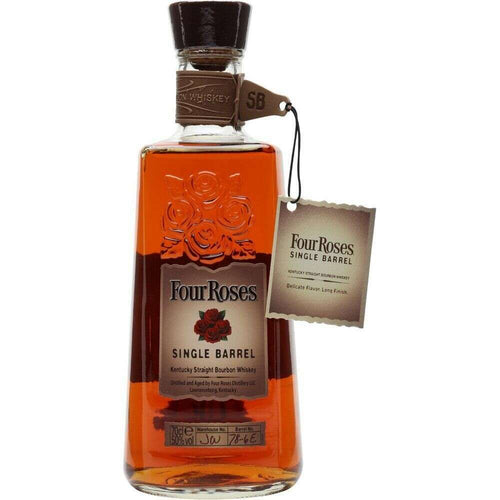
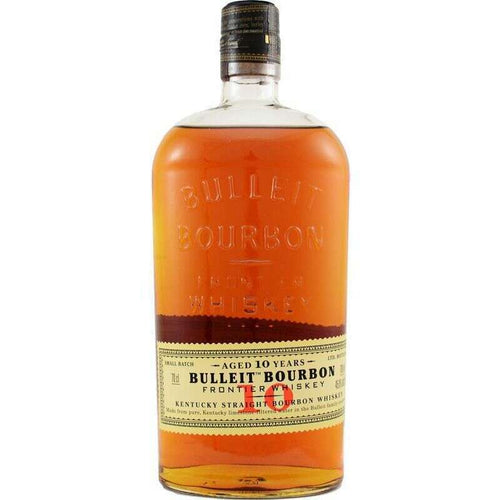
The best high-rye bourbons our panel ranked are Four Roses Single Barrel, Bulleit Bourbon 10-Year, and Four Roses Small Batch — each built on a mash bill with roughly 28–35% rye, which is what gives high-rye bourbon its pepper, clove and dry baking-spice bite. Four Roses Single Barrel took the top spot at 9.1/10: a 100-proof, 35%-rye single barrel that is the benchmark spice-forward bourbon under $60.

Bourbon Central's four-person panel blind-tasted a flight of high-rye bourbons and ranked the six we keep in stock. Four Roses Single Barrel finished first at 9.1/10 — a 100-proof single barrel built on Four Roses' 35%-rye 'B' mash bill, and the most complete spice-forward bourbon in the flight. Bulleit Bourbon 10-Year (8.8) is the aged pick; Four Roses Small Batch (8.7) is the best everyday value; and Bulleit Bourbon (8.5), 1792 Small Batch (8.4) and Basil Hayden (8.2) round out the list.

High-rye bourbon simply means the flavoring grain in the mash bill is rye rather than wheat, usually somewhere north of about 20–25%. That extra rye trades soft caramel sweetness for pepper, clove, mint and a dry, structured finish. Here is the full ranking, with rye percentage, proof, price, availability and panel score for each.

Key takeaways

  • High-rye bourbon means the mash bill's flavoring grain is rye — usually more than about 20–25% — which brings pepper, clove, mint and a dry, spicy finish instead of soft wheated sweetness.
  • Four Roses Single Barrel is the panel's top high-rye pick: a 100-proof single barrel on the 35%-rye 'B' mash bill, and the most complete of the flight.
  • Four Roses Small Batch ($37.99) and 1792 Small Batch ($34.09) are the value picks — genuine high-rye character for under $40.
  • Rye percentage matters more than proof for spice: Basil Hayden is only 80 proof but still reads as high-rye because its mash bill is about 27% rye.
  • Bulleit and Four Roses anchor the category — both distill to mash bills in the high-20s to mid-30s percent rye, the range most drinkers mean by 'high-rye.'
  • 1792's exact recipe is undisclosed, but Barton 1792 is widely regarded as high-rye, and it drinks that way — dry, peppery and bold.
The full ranking

Every bourbon here is high-rye — the flavoring grain in the mash bill is rye, not wheat. Our panel scored on aroma, palate, finish, balance and value; rye percentage and proof are shown so you can see where the spice comes from. Sort any column to re-rank the flight.

Bourbon Central panel ranking — the best high-rye bourbons — blind-tasted August 20, 2026 by a 4-person panel.
Bourbon Rye in mash billPublished or reported Proof Price750 mL Availability Panel score
Four Roses Single Barrel 35% 100 $54.99Wide9.1/10
Bulleit Bourbon 10-Year 28% 91.2 $59.09Wide8.8/10
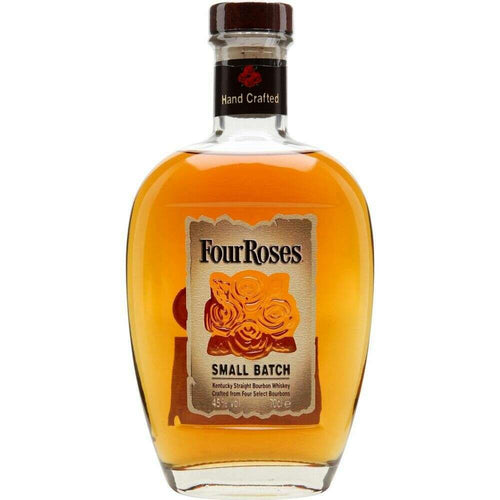
Four Roses Small Batch 20–35% 90 $37.99Wide8.7/10
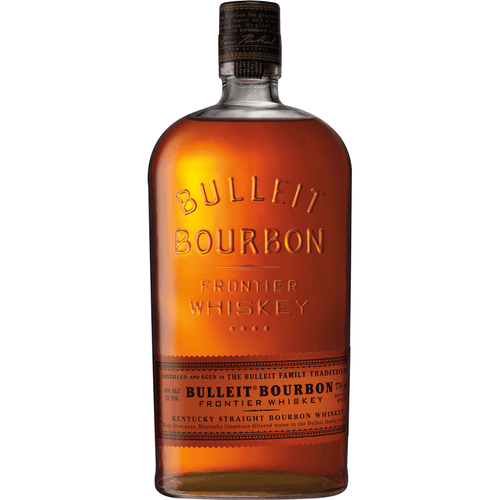
Bulleit Bourbon 28% 90 $37.09Wide8.5/10
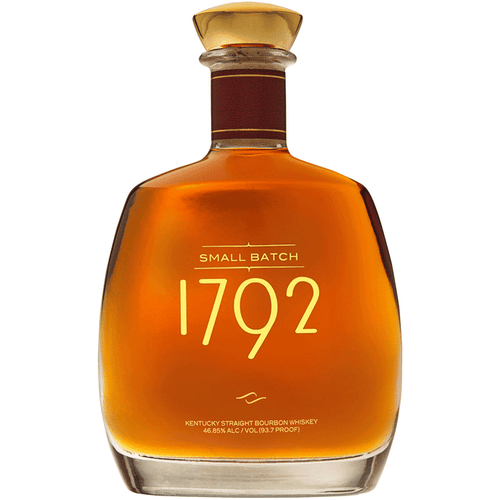
1792 Small Batch High-rye* 93.7 $34.09Wide8.4/10
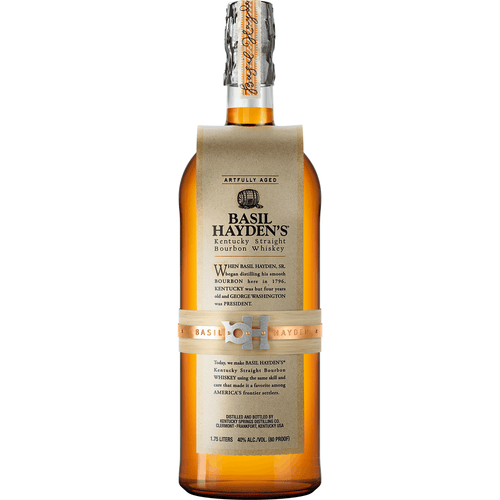
Basil Hayden 27% 80 $53.09Wide8.2/10

*1792's exact mash bill is undisclosed; Barton 1792 is widely regarded as a high-rye bourbon. Rye percentages are the distilleries' published or widely reported mash bills — Four Roses Small Batch blends recipes from roughly 20% to 35% rye. Prices are the live Bourbon Central price at publication and move constantly; the price on each product page is the accurate one. Method: how we tested.

Cite this table

Free to reuse with attribution and a link back:

Nathan Cole. “The Best High-Rye Bourbons, Ranked (2026).” Bourbon Central, August 2026. https://thebourboncentral.com/pages/high-rye-bourbons-ranked

Every high-rye pick, and who it's for

1

What is the best high-rye bourbon overall?

Four Roses Single Barrel. Bottled at 100 proof from Four Roses' 35%-rye 'B' mash bill (recipe OBSV), it is the most complete high-rye bourbon in the flight — deep spice, ripe fruit and a long, dry finish, all for under $60.

Proof
100
Avg. price
$54.99
Availability
Wide
Panel score
9.1/10

Four Roses runs an unusual system: two mash bills and five proprietary yeasts, which the distillery combines into ten recipes. Single Barrel is always the OBSV recipe — the 'B' mash bill at 35% rye, the higher-rye of the two, married to the delicate-fruit 'V' yeast. That 35% rye is right at the top of what mainstream bourbon carries, and it shows.

The panel scored it highest on balance. Big rye spice — clove, black pepper, cinnamon — sits over ripe red fruit and caramel rather than fighting it, and the 100 proof gives the palate weight without heat. Because it is a single barrel, there is some variation bottle to bottle, but the recipe's character is consistent.

At $54.99 it undercuts most allocated single barrels while drinking like something pricier. For a spice-forward bourbon that is still balanced and widely available, it was the panel's clear number one.

Panel tasting note
Nose

Ripe red fruit, clove, cinnamon and rye spice over light caramel.

Palate

Full and structured — black pepper, baking spice, red apple and a firm rye backbone at 100 proof.

Finish

Long, dry and spicy, with lingering clove and oak.

Who it’s for

Anyone who wants the definitive high-rye profile — big spice that stays balanced — in a widely available bottle.

Who should skip it

Drinkers who prefer soft, sweet, wheated bourbon; this is firmly on the spicy side.

2

What is the best aged high-rye bourbon?

Bulleit Bourbon 10-Year. Same roughly 28%-rye 'frontier' mash bill as standard Bulleit, but aged a decade and bottled at 91.2 proof — the extra oak rounds the rye's edges into something deeper and drier.

Proof
91.2
Avg. price
$59.09
Availability
Wide
Panel score
8.8/10

Bulleit built its name on a high-rye recipe — around 28% rye, well above a typical bourbon — and the 10-Year takes that same distillate and gives it a full ten years in charred oak. The result is the category's spice with an extra layer of maturity.

Where standard Bulleit is bright and peppery, the 10-Year is darker and more resolved: the rye reads as clove and dry oak-spice rather than raw pepper, and there is more toffee, leather and char underneath. At 91.2 proof it stays approachable while carrying that decade of wood.

The trade-off is price — at $59.09 it is the most expensive bottle on this list — and a slightly more restrained nose than its age suggests. But for an aged high-rye that still tastes distinctly like Bulleit, it earned second place.

Panel tasting note
Nose

Dry oak, clove, toffee and a little leather.

Palate

Smooth and dry — dark caramel, baking spice and mature oak over the high-rye backbone.

Finish

Medium-long, dry and spice-led, with oak tannin.

Who it’s for

Bulleit drinkers who want more age and depth, and anyone after an aged high-rye under $60.

Who should skip it

Value hunters — standard Bulleit delivers most of the character for $22 less.

3

What is the best value high-rye bourbon?

Four Roses Small Batch, at $37.99. A blend of four recipes drawing on both Four Roses mash bills — roughly 20% to 35% rye — it is the most balanced everyday high-rye on the list, and a genuine bargain.

Proof
90
Avg. price
$37.99
Availability
Wide
Panel score
8.7/10

Small Batch blends four of Four Roses' ten recipes, pulling from both the 20%-rye 'E' mash bill and the 35%-rye 'B' mash bill. That mix is deliberate: enough rye for clear spice, enough of the softer recipes to keep it rounded and easy.

On the palate it splits the difference between a spice bomb and a crowd-pleaser — red fruit, honey and caramel with a measured rye kick and gentle oak. At 90 proof it is smooth enough to sip neat and sturdy enough to carry a cocktail, which is exactly why it is such a reliable house pour.

At $37.99 it is one of the best value bottles in the entire bourbon aisle, high-rye or not. It scores just behind the Single Barrel because it trades some of that bottle's intensity for approachability.

Panel tasting note
Nose

Red fruit, honey, caramel and soft rye spice.

Palate

Balanced and smooth — caramel, red apple, gentle baking spice and light oak.

Finish

Medium, warm and clean, with a touch of rye dryness.

Who it’s for

Anyone who wants dependable high-rye character at an everyday price, neat or in cocktails.

Who should skip it

Drinkers chasing maximum spice or proof — this is tuned for balance over intensity.

4

What is the best high-rye bourbon for cocktails?

Bulleit Bourbon, at $37.09. Its roughly 28%-rye mash bill and bright, peppery profile make it the go-to high-rye mixer — an Old Fashioned or Manhattan built on Bulleit gets real spice for very little money.

Proof
90
Avg. price
$37.09
Availability
Wide
Panel score
8.5/10

Bulleit is the bottle most people first meet high-rye bourbon through. The mash bill sits around 28% rye — high for a bourbon — and the whiskey is bottled at 90 proof with a clean, spice-forward profile that cuts through a cocktail rather than getting lost in it.

Neat, it is bright and a little youthful: pepper, oak and a thread of vanilla, drier than most sub-$40 bourbon. That dryness is exactly what makes it such a good mixer — the rye spice holds up against vermouth, bitters and citrus where a softer, sweeter bourbon would fade.

It is not the most complex pour here, and enthusiasts sometimes find it a touch thin neat. But as the accessible high-rye benchmark — and the workhorse behind countless bar Old Fashioneds — it is hard to argue with at $37.09.

Panel tasting note
Nose

Black pepper, oak, vanilla and a little dried grass.

Palate

Dry and bright — peppery rye spice, light caramel and oak at an easy 90 proof.

Finish

Medium, dry and clean, with lingering pepper.

Who it’s for

Cocktail makers, and anyone who wants a classic, affordable introduction to high-rye bourbon.

Who should skip it

Drinkers who want a rich, sippable neat pour — this leans dry and mixer-friendly.

5

What is the boldest budget high-rye bourbon?

1792 Small Batch, at $34.09. Barton's flagship is bottled at 93.7 proof with a mash bill widely regarded as high-rye, and it drinks the part — dry, peppery and surprisingly bold for the price.

Proof
93.7
Avg. price
$34.09
Availability
Wide
Panel score
8.4/10

1792 is Barton 1792 Distillery's flagship, named for the year Kentucky achieved statehood. The distillery does not publish its exact mash bill, but 1792 is consistently characterised as high-rye, and the pour backs that up: it is one of the drier, spicier value bourbons on the shelf.

At 93.7 proof it lands between the 90-proof Bulleit and the 100-proof Four Roses, and it uses that proof for a punchy, peppery palate — cracked pepper, cinnamon, a little cocoa and a dry, tannic finish. There is real intensity here for a bottle in the low $30s.

Because the recipe is undisclosed, we rank it a touch below the bottles with confirmed high-rye mash bills — but on flavour alone it earns its place, and it is the value spice pick of the flight.

Panel tasting note
Nose

Cracked pepper, cinnamon, dried cherry and a little cocoa.

Palate

Dry and bold — peppery rye spice, baking spice and oak at 93.7 proof.

Finish

Dry, tannic and medium-long, with lingering pepper.

Who it’s for

Value drinkers who want maximum spice and boldness for around $35.

Who should skip it

Anyone who needs a published mash bill, or who prefers a softer, sweeter profile.

6

What is the smoothest high-rye bourbon for beginners?

Basil Hayden, at $53.09. Built on Jim Beam's high-rye mash bill (about 27% rye) but bottled at just 80 proof, it delivers the spice of a high-rye bourbon in the gentlest, most approachable package on the list.

Proof
80
Avg. price
$53.09
Availability
Wide
Panel score
8.2/10

Basil Hayden is the outlier here: it uses the same high-rye mash bill as Old Grand-Dad — roughly 63% corn, 27% rye and 10% malted barley — but is bottled at only 80 proof, the lowest in the flight. That combination is the whole point. You get clear rye spice with almost none of the heat.

On the palate it is light and dry: peppery rye, honey, a little dried fruit and a short, clean finish. It is the bottle to hand someone who is curious about high-rye but put off by proof, and it works beautifully over a large ice cube.

The low proof is also why it scores lowest here. Enthusiasts often find it thin and quick to fade next to the 90-to-100-proof bottles above, and at $53.09 you pay a premium for the brand. But as a gentle, elegant on-ramp to high-rye, nothing else on the list matches it.

Panel tasting note
Nose

Light rye spice, honey, dried fruit and gentle oak.

Palate

Soft and dry — peppery rye and honey at a very easy 80 proof.

Finish

Short, clean and gently spicy.

Who it’s for

Beginners and anyone who wants high-rye spice without the heat; excellent over ice.

Who should skip it

Drinkers who want body and intensity — at 80 proof this is the lightest pour here.

What counts as a high-rye bourbon?

There is no legal definition of 'high-rye.' In practice, drinkers use it for a bourbon whose flavoring grain is rye (not wheat) at roughly 20–25% of the mash bill or more — enough that pepper and spice clearly lead the flavour.

Every bourbon is at least 51% corn by law. The remaining grain — the 'flavoring' and 'malting' grains — is where distilleries differentiate, and most use some rye plus a little malted barley. A 'low-rye' bourbon might carry 8–12% rye; a 'high-rye' bourbon pushes that toward the mid-20s, mid-30s, or higher.

There is no regulation behind the term, so the line is a matter of convention. Bourbons in the high-20s to mid-30s percent rye — Bulleit at around 28%, Four Roses' 'B' recipe at 35% — are the ones almost everyone agrees are high-rye. Below about 20% rye, the spice recedes and the corn sweetness takes over.

The practical test is in the glass: if pepper, clove and dry spice lead ahead of caramel and vanilla, you are drinking a high-rye bourbon.

~20–35%
Typical high-rye range
Rye share of the mash bill in the bourbons most drinkers call high-rye.

High-rye vs. wheated bourbon: what's the difference?

They are opposites in the same recipe slot. Wheated bourbons (like Weller and Pappy) use wheat as the flavoring grain for a soft, sweet profile; high-rye bourbons use rye instead for pepper, clove and a dry, structured finish.

After corn, a bourbon's mash bill needs a secondary flavoring grain. Distilleries pick either wheat or rye, and that single choice defines the style.

Wheat is soft and mellow — it lets the corn's sweetness and the barrel's caramel and vanilla dominate, which is why wheated bourbons read as smooth, round and easy. Rye is the opposite: it brings pepper, clove, mint and a herbal dryness that gives the whiskey structure and bite.

Neither is better; they are different tools. If you love Weller or Maker's Mark, you are a wheated drinker. If you reach for spice, structure and a dry finish — or if you like rye whiskey — high-rye bourbon is your lane.

Rye vs. wheat
The grain that decides the style
Same recipe slot, opposite results — spice versus softness.

Is high-rye bourbon good for an Old Fashioned?

Yes — high-rye bourbon is arguably the ideal Old Fashioned base. Its pepper and dry spice stand up to sugar and bitters where a soft, sweet bourbon can turn flat, which is why so many bar Old Fashioneds are built on Bulleit or Four Roses.

An Old Fashioned is just bourbon, sugar, bitters and a twist, so the spirit has to carry the drink. Soft, sweet, wheated bourbons can get lost once you add sugar — the cocktail turns one-note. A high-rye bourbon brings spice and dryness that cut through the sweetness and keep the drink lively.

That is why bartenders reach for bottles like Bulleit and Four Roses so often: the rye backbone gives the finished cocktail structure and a peppery lift. The higher-proof options here (Four Roses Single Barrel at 100, 1792 at 93.7) hold up especially well when the ice dilutes them.

If you build Old Fashioneds or Manhattans at home, a high-rye bourbon is the most versatile bottle to keep on the shelf.

Old Fashioned
Where high-rye shines
Spice and dryness cut through sugar and bitters.

Frequently asked questions

What is a high-rye bourbon?

A high-rye bourbon is a bourbon whose flavoring grain is rye rather than wheat, at a relatively high proportion of the mash bill — usually somewhere north of about 20–25%. (All bourbon is at least 51% corn by law; 'high-rye' refers to that secondary grain.) The extra rye gives the whiskey pepper, clove, mint and a dry, spicy finish instead of soft, sweet, wheated character. There is no legal definition of the term — it is a matter of convention among drinkers.

What is the best high-rye bourbon?

Bourbon Central's panel ranked Four Roses Single Barrel first (9.1/10) — a 100-proof single barrel on Four Roses' 35%-rye 'B' mash bill, and the most balanced spice-forward bourbon in the flight. Bulleit Bourbon 10-Year (8.8) is the best aged pick, and Four Roses Small Batch (8.7) is the top everyday value at $37.99.

What is the best cheap high-rye bourbon?

Among the bottles Bourbon Central stocks, 1792 Small Batch ($34.09) and Four Roses Small Batch ($37.99) are the value picks — both under $40 with genuine high-rye character. 1792 is the bolder, drier of the two; Four Roses Small Batch is the more balanced and versatile.

Is Bulleit a high-rye bourbon?

Yes. Bulleit Bourbon is built on a mash bill of around 28% rye, which is high for a bourbon, and it is one of the most recognisable high-rye bottles on the market. Its bright, peppery, dry profile is why it is such a popular base for Old Fashioneds and Manhattans.

Is high-rye bourbon the same as rye whiskey?

No. A high-rye bourbon is still a bourbon — at least 51% corn — with rye as its secondary flavoring grain. A rye whiskey is at least 51% rye, so rye is the dominant grain. High-rye bourbon is spicier than most bourbon but still corn-led and sweeter than a true rye whiskey.

What's the difference between high-rye and wheated bourbon?

They use opposite flavoring grains. High-rye bourbon uses rye for pepper, clove and a dry, structured finish; wheated bourbon (like W.L. Weller or Pappy Van Winkle) uses wheat for a soft, sweet, mellow profile. Both are still majority corn — the choice of secondary grain is what sets the style.

Which high-rye bourbon is best for an Old Fashioned?

Four Roses Single Barrel (100 proof) and Bulleit Bourbon are the panel's picks for an Old Fashioned. The rye spice and dryness stand up to sugar and bitters, and the higher proof of the Four Roses survives dilution well. Bulleit is the value choice; Four Roses Single Barrel is the upgrade.

How much rye makes a bourbon 'high-rye'?

There is no official cutoff, but in practice a bourbon with roughly 20–25% rye or more in its mash bill is called high-rye. For comparison, Bulleit is about 28% rye and Four Roses' 'B' mash bill is 35% rye, while a low-rye bourbon like the Buffalo Trace mash bill #1 sits closer to 10%.

Terms used on this page

The high-rye vocabulary, defined once so the rest of the page can move quickly.

High-rye bourbon
An informal category for bourbon whose secondary flavoring grain is rye at a relatively high proportion — roughly 20–25% of the mash bill or more. There is no legal definition; the term describes the spicy, dry, pepper-forward style that results.
Bourbon
American whiskey distilled from at least 51% corn and aged in new charred oak. The grain that fills out the rest of the mash bill — rye or wheat, plus malted barley — is what separates high-rye bourbon from wheated bourbon. See our bourbon selection →Wikidata
Mash bill
The grain recipe a whiskey is distilled from. In bourbon it is at least 51% corn; the share of rye versus wheat in the remainder drives the difference between a high-rye and a wheated bourbon.
Rye whiskey
A whiskey made from at least 51% rye — distinct from high-rye bourbon, which is still majority corn. Rye is the grain responsible for the pepper, clove and dry spice that define both. Wikidata
Wheated bourbon
The opposite style to high-rye: a bourbon that uses wheat rather than rye as its flavoring grain, giving a softer, sweeter, rounder profile. W.L. Weller and Pappy Van Winkle are the best-known examples.
Single barrel whiskey
Whiskey bottled from one individual cask rather than blended from many, so each bottle reflects that barrel. Four Roses Single Barrel is a single-barrel, 35%-rye bourbon. Wikidata
Four Roses
A Lawrenceburg, Kentucky distillery known for combining two mash bills (20% and 35% rye) with five proprietary yeasts to make ten distinct bourbon recipes. Its Single Barrel is always the 35%-rye OBSV recipe.
Small batch bourbon
An unregulated term for bourbon blended from a limited number of selected barrels, rather than a single barrel or the full production run. Four Roses Small Batch and 1792 Small Batch are both examples on this list.
Proof
A measure of alcohol strength equal to twice the alcohol-by-volume percentage. The high-rye bourbons here range from 80 proof (Basil Hayden) to 100 proof (Four Roses Single Barrel); higher proof generally carries more intensity and spice.
How we tested

Our method, in the open

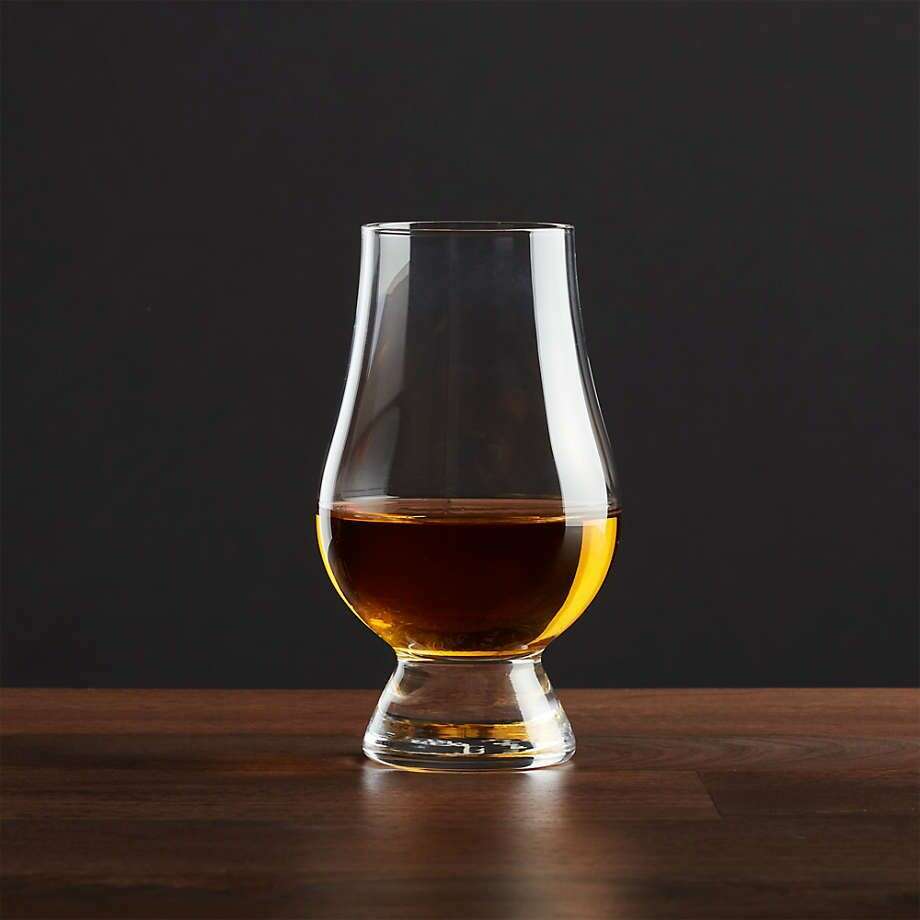
Every bourbon on this page was tasted blind, in a single sitting, as part of a flight of high-rye bourbons. Bottles were decanted into numbered Glencairn glasses by someone who did not participate in the scoring, poured at room temperature, and served in randomised order, with one sample poured twice as a consistency check on the panel.

Panellists scored each pour independently on aroma, palate, finish, balance and value, with no discussion until all scores were recorded. Palates were reset with water and unsalted crackers between pours, and the flight was capped so that fatigue could not skew the later samples. Proof and rye percentage are reported for context, but the ranking reflects quality on each bourbon's own merits — a lower-proof bottle can still rank well if it drinks well.

Panel scores are mean quality ratings out of 10. Prices are the live Bourbon Central price at publication; they move constantly, and the price on each product page is the accurate one. We ranked only high-rye bourbons we keep in stock, so a drinker reading this can actually buy them.

How the score is built

  • 25% Aroma — Depth, cleanliness and complexity of the nose, and how clearly the rye spice reads.
  • 30% Palate — Texture, flavour development and balance between rye spice, corn sweetness and oak.
  • 20% Finish — Length, dryness and how cleanly the bourbon lands.
  • 15% Balance & complexity — How well rye spice, proof, grain and sweetness integrate on the bourbon's own merits.
  • 10% Value — Quality relative to price and to what else the category offers at that price.

The panel

  • Nathan ColeHead of Whiskey SelectionCertified Bourbon Steward; more than a decade sourcing and evaluating American whiskey; samples 500+ whiskeys a year across single barrels, limited releases and shelf staples.
  • Sarah WhitfieldWhiskey EducatorCertified Bourbon Steward; leads bourbon education seminars and guided tastings; extensive experience explaining production methods and flavor profiles to consumers.
  • Michael DonovanSpirits JudgeJudge at regional and national spirits competitions; evaluates whiskey using standardized sensory analysis; 12+ years in the beverage industry.
  • Ryan MitchellSingle Barrel SpecialistOversees private barrel selections for retailers and whiskey clubs; evaluates hundreds of barrel samples annually; specializes in identifying unique flavor profiles.
Disclosure. Bourbon Central sells every bottle ranked on this page, so you should weigh it knowing we have a commercial interest in it. That said, the panel scored every pour blind, in randomised order, without knowing which bottle was in the glass; nothing here was paid for by a brand, and no distillery reviewed this page before publication. 'High-rye' is an informal style term, not a legal one — the rye percentages we cite are the distilleries' published or widely reported mash bills, and one (1792) is undisclosed and noted as such.

Sources

  1. Four Roses — Recipes and mash bills — Four Roses Distillery
  2. Bulleit Frontier Whiskey — Bourbon — Bulleit Distilling Co.
  3. Basil Hayden — Kentucky Straight Bourbon — Basil Hayden / James B. Beam Distilling Co.
  4. 1792 Bourbon — Barton 1792 Distillery — Barton 1792 Distillery
  5. Standards of Identity for Distilled Spirits, 27 CFR Part 5 — U.S. Alcohol and Tobacco Tax and Trade Bureau

Update log

  • — First publication. Ranked the six high-rye bourbons in stock at Bourbon Central; scores pending final panel confirmation of the flight.