
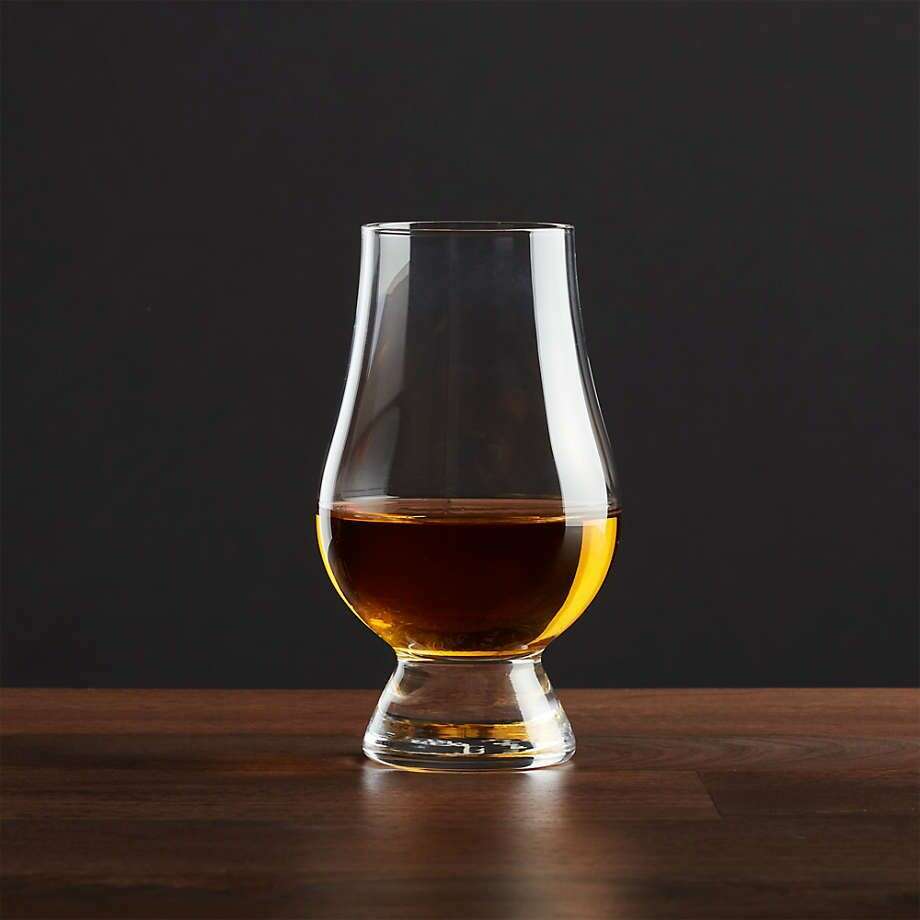
Blind panel tested · Bottled-in-bond

The Best Bottled-in-Bond Bourbons, Ranked (2026)

Short answer

The best bottled-in-bond bourbons our panel ranked are Henry McKenna 10-Year Single Barrel, Colonel E.H. Taylor Small Batch, and Wilderness Trail Small Batch — every bottle is exactly 100 proof, aged at least four years, and the product of a single distillery and a single distilling season, as the 1897 Bottled-in-Bond Act requires. Henry McKenna 10-Year took the top spot as the only bonded bourbon that is both a 10-year age statement and a single barrel.

Bourbon Central's four-person panel blind-tasted a flight of bottled-in-bond bourbons and ranked the five we keep in stock. Henry McKenna 10-Year Single Barrel finished first at 9.2/10 — it is the only bonded bourbon that is both a 10-year age statement and a single barrel, and it remains the benchmark other bonds are measured against. Colonel E.H. Taylor Small Batch (8.9) is the most refined of the group; Wilderness Trail Small Batch (8.6) and New Riff Single Barrel (8.5) are the value standouts under $55.

Every bottle here clears the same legal bar. Bottled-in-bond means 100 proof exactly, at least four years old, from one distillery and one distilling season, aged in a federally supervised warehouse. That standard is why the category is such dependable value — the label itself guarantees the age and the proof before you ever pull the cork.

Here is the full ranking, with proof, age, price, availability and panel score for each.

Key takeaways

  • Bottled-in-bond is a legal guarantee, not a marketing term: 100 proof exactly, aged at least 4 years, one distillery, one distilling season, under U.S. government supervision.
  • Henry McKenna 10-Year Single Barrel is the panel's top bond — the only bottled-in-bond bourbon that is both a 10-year age statement and a single barrel.
  • Wilderness Trail Small Batch ($52.99) and New Riff Single Barrel ($54.99) are the value picks — real bonds, both under $55.
  • Because the label locks in age and proof, bottled-in-bond is one of the most consistent value categories on the shelf.
  • Every bourbon here is 100 proof: the Bottled-in-Bond Act fixes the proof, so proof is not a point of difference — mash bill, age and distillery are.
  • Colonel E.H. Taylor Small Batch is the most polished pour of the group; New Riff and Bardstown lean bold, dry and spicy.
The full ranking

Every bourbon here is bottled-in-bond — 100 proof, at least four years old, one distillery, one distilling season. Because the law fixes the proof, our panel ranked on quality, not proof: aroma, palate, finish, balance and value. Sort any column to re-rank the flight.

Bourbon Central panel ranking — the best bottled-in-bond bourbons — blind-tasted August 19, 2026 by a 4-person panel.
Bourbon Proof100 by law AgeBonded min. 4 yr Price750 mL Availability Panel score
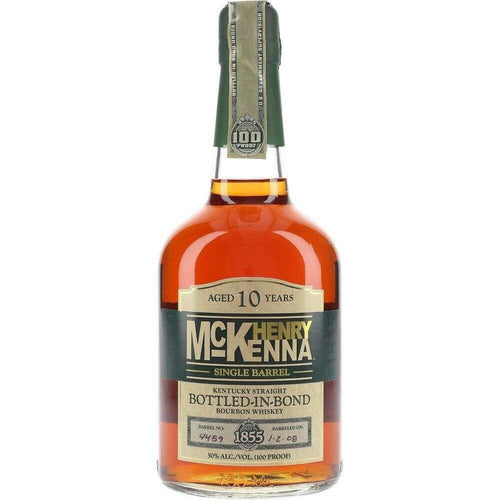
Henry McKenna 10-Year Single Barrel 100 10 yr $98.99Limited9.2/10
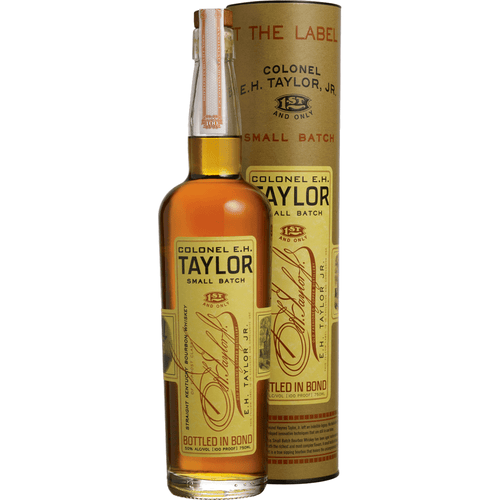
Colonel E.H. Taylor Small Batch 100 No age stmt $89.99Limited8.9/10
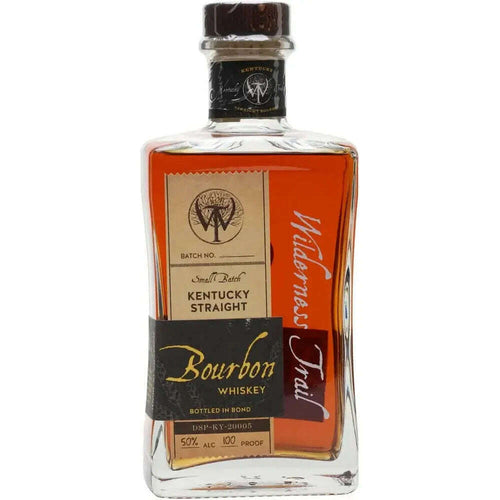
Wilderness Trail Small Batch 100 No age stmt $52.99Wide8.6/10
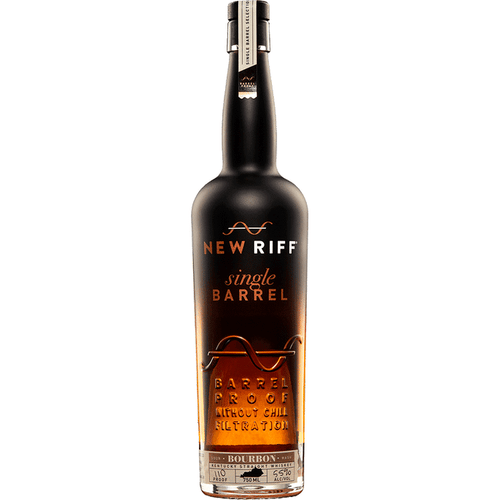
New Riff Single Barrel 100 No age stmt $54.99Wide8.5/10
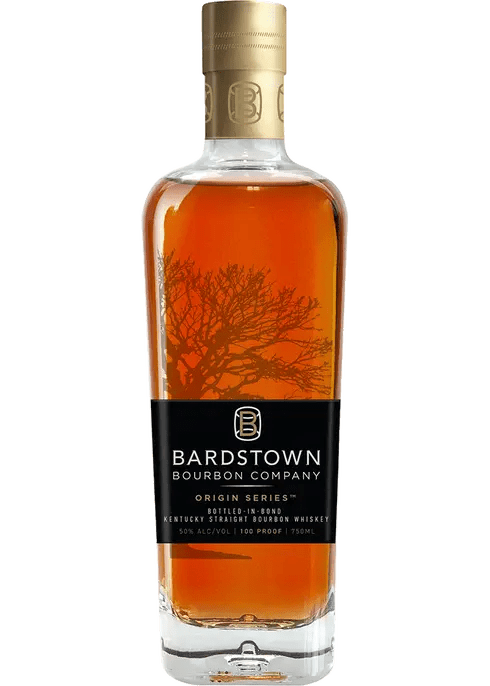
Bardstown Bourbon Company Origin Series Bottled-in-Bond 100 6 yr $49.99Wide8.3/10

Proof is 100 for every bottle by law, so it is not a scoring axis. Scores are our panel's own. Prices are the live Bourbon Central price at publication and move constantly — the price on each product page is the accurate one. Ages reflect the stated age on the label; a 'No age statement' bond still meets the federal four-year minimum. Method: how we tested.

Cite this table

Free to reuse with attribution and a link back:

Nathan Cole. “The Best Bottled-in-Bond Bourbons, Ranked (2026).” Bourbon Central, August 2026. https://thebourboncentral.com/pages/best-bottled-in-bond-bourbons

Every bond, and who it's for

1

What is the best bottled-in-bond bourbon overall?

Henry McKenna 10-Year Single Barrel. It is the only bottled-in-bond bourbon that is simultaneously a 10-year age statement and a single barrel, and at 100 proof it is the benchmark our panel measured every other bond against.

Proof
100
Avg. price
$98.99
Availability
Limited
Panel score
9.2/10

Henry McKenna is distilled by Heaven Hill from its traditional bourbon mash bill — roughly 78% corn, 12% rye, 10% malted barley — then aged a full decade and drawn one barrel at a time. That combination is unique on the shelf: no other bonded bourbon carries both a 10-year age statement and a single-barrel bottling at this price.

The pedigree is not just on paper. In 2019 it was named Best in Show Whiskey at the San Francisco World Spirits Competition, which pulled it from dusty-shelf sleeper to allocated overnight. Ten years in oak shows in the glass — deep caramel, char, dried orchard fruit and a firm tannic spine that the younger bonds on this list simply cannot match.

The trade-offs are the flip side of that age. It is the oakiest, most tannic pour in the flight, and because every bottle is a single barrel, there is real variation from one to the next. Neither is a flaw so much as the character of a genuine 10-year single barrel — but it is why it rewards a drinker who wants maturity over easy drinking.

Panel tasting note
Nose

Toasted oak, brown sugar, dried apple, a thread of leather.

Palate

Rich caramel and char, baking spice, and firm tannin from a full decade in wood.

Finish

Long, dry and oak-forward — the most mature finish in the flight.

Who it’s for

Anyone who wants the most age and pedigree you can get in a bonded bottle, and doesn't mind assertive oak.

Who should skip it

Drinkers who find older bourbon too tannic — this is the oakiest bond on the list.

2

What is the most refined bottled-in-bond bourbon?

Colonel E.H. Taylor Small Batch. Distilled at Buffalo Trace from the low-rye mash bill #1 and bottled in bond at 100 proof, it is the most elegant and balanced bond on the list — soft leather, butterscotch and dusty spice rather than big oak.

Proof
100
Avg. price
$89.99
Availability
Limited
Panel score
8.9/10

The bottle is named for Colonel Edmund Haynes Taylor, Jr., the distiller and reformer who championed the Bottled-in-Bond Act of 1897 in the first place, so a bonded bottling under his name is fitting. It is Buffalo Trace's low-rye mash bill #1 — the same recipe as Eagle Rare — carrying no age statement but drinking like a well-aged bourbon.

What the panel kept returning to was restraint. Where Henry McKenna is about oak and New Riff is about spice, E.H. Taylor Small Batch is about balance: dusty caramel, soft leather and a dry, tidy finish that never turns hot despite the 100 proof. It is the bond you hand to someone who says they find bonded bourbon harsh.

The catch is price and availability. It is allocated, so it costs more per proof point than the value picks below, and it can vanish from shelves for stretches. For a refined, low-drama 100-proof pour, though, nothing else here matches it.

Panel tasting note
Nose

Dusty caramel, leather, tobacco and light baking spice.

Palate

Elegant and dry — butterscotch, oak and a bonded backbone with no rough edges.

Finish

Clean, dry and medium-long. Refined rather than rich.

Who it’s for

Buffalo Trace fans, and anyone who wants a bond that drinks polished and easy at 100 proof.

Who should skip it

Value hunters — two bottles below score nearly as high for roughly $35 less.

3

What is the best value bottled-in-bond bourbon?

Wilderness Trail Small Batch, at $52.99. A genuine bottled-in-bond bourbon made by a fermentation scientist's sweet-mash process and left non-chill-filtered, it delivers far more texture and character than the price suggests.

Proof
100
Avg. price
$52.99
Availability
Wide
Panel score
8.6/10

Wilderness Trail was founded by two fermentation scientists, and it shows in the process. They use sweet mash — a fresh mash for every batch rather than recycling a portion of the previous one — which is rarer and fussier than the industry-standard sour mash. The recipe is high-rye for a wheat-free bourbon: about 64% corn, 24% rye and an unusually high 12% malted barley.

In the glass that translates to a full, oily texture the panel singled out. It is left non-chill-filtered, so the mouthfeel stays rich, and the high malted-barley content gives it a distinct cereal-and-cocoa note you do not find in the big-distillery bonds.

It carries no age statement, but it clears the bonded four-year floor and drinks with more depth than most sub-$55 bourbon. For a characterful everyday bond that overdelivers on texture, this is the panel's value benchmark.

Panel tasting note
Nose

Vanilla, ripe banana, cereal sweetness and a little cocoa.

Palate

Oily and full — caramel, baking spice and a nutty-grain note from the high malted-barley recipe.

Finish

Warming and medium-long, clean; the non-chill-filtered texture carries through.

Who it’s for

Value drinkers who want a characterful, texture-rich bond for close to $50.

Who should skip it

Anyone chasing an age statement — this carries none, though it meets the bonded four-year minimum.

4

What is the best bold, high-rye bottled-in-bond bourbon?

New Riff Single Barrel, at $54.99. New Riff bonds its entire bourbon line, and this single-barrel bottling is the spiciest, most assertive bond on our list — high-rye, sour-mash, non-chill-filtered, 100 proof.

Proof
100
Avg. price
$54.99
Availability
Wide
Panel score
8.5/10

New Riff, just across the river from Cincinnati in Newport, Kentucky, made a decision early on to bottle its whole flagship bourbon range in bond — a statement of confidence in its own distillate. The mash bill runs high on rye: roughly 65% corn, 30% rye and 5% malted barley, fermented sour-mash and bottled non-chill-filtered.

That rye shows immediately. This is the driest, most peppery pour in the flight — clove, cracked black pepper and a herbal edge over a dark-caramel base. As a single barrel it carries the same barrel-to-barrel variation Henry McKenna does, and the non-chill-filtering keeps the texture substantial.

At no age statement it sits at the bonded four-year minimum, so it trades the maturity of the older bonds for youthful, spice-forward energy. For high-rye drinkers who want a single-barrel bond under $55, it is the standout.

Panel tasting note
Nose

Rye spice, orchard fruit, mint and cracked pepper.

Palate

Spicy and dry — clove, black pepper, dark caramel and a herbal rye edge.

Finish

Long, peppery and dry — the most rye-forward finish in the flight.

Who it’s for

High-rye fans who want spice and a single-barrel bond for under $55.

Who should skip it

Drinkers who prefer soft, sweet bourbon — this leans dry and peppery.

5

What is the best bottled-in-bond bourbon under $50?

Bardstown Bourbon Company Origin Series Bottled-in-Bond, at $49.99. It carries a 6-year age statement — two years past the bonded minimum — from Bardstown's own distillate, making it the best age-per-dollar bond on the list.

Proof
100
Avg. price
$49.99
Availability
Wide
Panel score
8.3/10

Bardstown Bourbon Company built its name on sourcing and blending, but the Origin Series is different: it is the company's own house-distilled bourbon, and the bottled-in-bond expression pairs that distillate with a stated 6-year age at exactly 100 proof for under $50.

The profile is modern and polished — bright cherry and vanilla, clean oak and a measured rye spice rather than the heavier char of the older bonds. It is the most approachable pour in the flight, which is exactly why the panel flags it as the on-ramp: the easiest bottle here for someone tasting bottled-in-bond for the first time.

What it gives up is intensity. Next to Henry McKenna's decade of oak or New Riff's rye bite, it is lighter and less demanding. But a stated-age, single-distillery bond for $49.99 is genuinely hard to beat on value.

Panel tasting note
Nose

Bright cherry, vanilla, light oak and baking spice.

Palate

Clean and fruit-forward — red apple, caramel and a measured rye spice.

Finish

Medium, gently drying and easy. Polished rather than powerful.

Who it’s for

Anyone who wants a stated-age bond for under $50, and drinkers new to bottled-in-bond.

Who should skip it

Oak lovers — this is the lightest, most modern profile in the flight.

What does 'bottled-in-bond' actually mean?

Bottled-in-bond is a legal standard from the 1897 Bottled-in-Bond Act. To wear the label, a whiskey must be the product of one distillery and one distilling season, aged at least four years in a federally supervised bonded warehouse, and bottled at exactly 100 proof.

The Bottled-in-Bond Act of 1897 was one of the United States' first consumer-protection laws — it predates the Food and Drug Administration by nearly a decade. At the time, 'whiskey' on a label could mean neutral spirit cut with iodine, tobacco spit or prune juice, and buyers had no way to know. Bonding fixed that.

The requirements are strict and specific. The whiskey must come from a single distillery and a single distilling season (the government defines two: January–June and July–December). It must be aged at least four years in a warehouse under federal supervision, and bottled at exactly 100 proof — no more, no less. The label must name the distillery where it was made.

That is why the green government strip once stamped over the cork meant something: it was a federal guarantee of what was in the bottle.

1897
The year the Act passed
Among the first federal consumer-protection laws, predating the FDA.

Is bottled-in-bond bourbon better than other bourbon?

Not automatically — but it is more guaranteed. The bonded label locks in age (at least 4 years), proof (exactly 100) and a single distillery and season, which removes the two most common ways cheap bourbon disappoints: under-ageing and over-dilution.

Bottled-in-bond is a guarantee, not a quality rating. A young, poorly made bourbon does not become good by being bonded, and plenty of excellent bourbon — barrel-proof and single-barrel releases especially — is not bonded at all.

What the label reliably buys you is a floor. You know it is at least four years old, you know it is a real 100 proof rather than watered to 80, and you know it came from one distillery in one season rather than being a blend of mystery stock. That floor is unusually high for the money, which is why the category punches above its price so consistently.

The main thing bonding is not is a ceiling. If you want big, hot, cask-strength intensity, 100 proof will feel restrained — and that is a matter of taste, not quality.

4 yr
Minimum age, guaranteed
Against a 2-year minimum for 'straight' bourbon and no minimum at all for bourbon that is neither.

What about George Dickel Bottled in Bond?

George Dickel Bottled in Bond is excellent and inexpensive, and it meets the bonded standard — but it is legally Tennessee whisky, not bourbon, so it sits off this bourbon-only list. If you will cross that line, it is one of the best value bonds in any category, and we stock it.

We are asked about Dickel's bond constantly, so it earns a mention. It clears every bottled-in-bond requirement and routinely wins value awards at around $49.

The reason it is not ranked above is a category one, not a quality one. George Dickel is made as Tennessee whisky: it goes through the Lincoln County Process, a charcoal-mellowing step before barreling, which is what legally separates Tennessee whisky from bourbon. This page ranks bourbons, so including it would muddy the comparison.

If the Tennessee distinction does not bother you, treat Dickel Bottled in Bond as a sixth name on this list — arguably the best pure value bond of the bunch.

TN
Tennessee, not bourbon
Meets the bonded standard, but charcoal-mellowed and sold as Tennessee whisky.

Frequently asked questions

What does bottled-in-bond mean?

Bottled-in-bond is a U.S. legal standard from the Bottled-in-Bond Act of 1897. A bourbon can only use the term if it is the product of one distillery and one distilling season, aged at least four years in a federally supervised warehouse, and bottled at exactly 100 proof (50% ABV). The label must also identify the distillery where it was made.

What is the best bottled-in-bond bourbon?

Bourbon Central's panel ranked Henry McKenna 10-Year Single Barrel first (9.2/10) — the only bonded bourbon that is both a 10-year age statement and a single barrel, and the 2019 San Francisco World Spirits Best in Show winner. Colonel E.H. Taylor Small Batch (8.9) is the most refined, and Wilderness Trail Small Batch (8.6) is the top value pick.

Is bottled-in-bond the same as 100 proof?

Every bottled-in-bond bourbon is 100 proof, but not every 100-proof bourbon is bottled-in-bond. Bonding requires more than the proof: a single distillery, a single distilling season, at least four years of age, and federal supervision. A bourbon can be bottled at 100 proof without meeting those other requirements, in which case it cannot legally use the bonded label.

Is bottled-in-bond bourbon better?

It is more guaranteed rather than automatically better. The label locks in a minimum four-year age, an exact 100 proof, and a single distillery and season — which removes the most common ways inexpensive bourbon disappoints. It is not a ceiling, though: barrel-proof and single-barrel bourbons that are not bonded can be outstanding, and 100 proof will feel restrained to cask-strength drinkers.

What is the cheapest bottled-in-bond bourbon worth buying?

Among the bottles Bourbon Central stocks, Bardstown Bourbon Company Origin Series Bottled-in-Bond at $49.99 is the value pick — a stated 6-year age for under $50 — with Wilderness Trail Small Batch close behind at $52.99. Both are genuine single-distillery bonds, not sourced blends.

Is Henry McKenna 10 Year bottled-in-bond?

Yes. Henry McKenna 10-Year Single Barrel is bottled in bond — 100 proof, a 10-year age statement, from a single barrel at Heaven Hill. It is the only bottled-in-bond bourbon that is both a 10-year age statement and a single barrel, and it was named Best in Show Whiskey at the 2019 San Francisco World Spirits Competition.

Does Buffalo Trace make a bottled-in-bond bourbon?

Yes — Colonel E.H. Taylor Small Batch is Buffalo Trace's flagship bottled-in-bond bourbon, distilled from its low-rye mash bill #1 and bottled at 100 proof. The bottle is named for the reformer who championed the 1897 Bottled-in-Bond Act. Note that E.H. Taylor Barrel Proof is not bonded, since bonding requires an exact 100 proof.

Why is bottled-in-bond bourbon good value?

Because the label itself guarantees the two things that usually drive price and quality — age and proof — you rarely overpay for mystery. A bonded bourbon is at least four years old and a full 100 proof by law, from one distillery, so you get a known, high floor for the money. That is why several bonds on this list sit under $55 yet drink well above it.

Terms used on this page

The bottled-in-bond vocabulary, defined once so the rest of the page can move quickly.

Bottled-in-bond
A category of American spirit defined by the Bottled-in-Bond Act of 1897: one distillery, one distilling season, at least four years in a federally supervised warehouse, and bottled at exactly 100 proof. Every bourbon ranked on this page meets that standard.
Bottled-in-Bond Act of 1897
A U.S. federal law, among the first consumer-protection statutes, that created the bonded standard to guarantee the authenticity, age and proof of straight whiskey at a time when adulteration was common.
Bourbon
American whiskey distilled from at least 51% corn and aged in new charred oak containers. Straight bourbon must be aged at least two years; a bonded bourbon must be aged at least four. See our bourbon selection →Wikidata
Single barrel whiskey
Whiskey bottled from one individual cask rather than blended from many, so each bottle carries that barrel's character. Henry McKenna 10-Year and New Riff Single Barrel are both bonded single barrels. Wikidata
Mash bill
The grain recipe a whiskey is distilled from. Bourbon must be at least 51% corn; the balance is usually rye or wheat plus malted barley, and it drives much of the flavour difference between the bonds on this page.
Rye whiskey
In a bourbon mash bill, rye is the flavouring grain responsible for pepper, clove and dry spice. New Riff's high-rye recipe is why it is the spiciest bond in the flight. Wikidata
Buffalo Trace Distillery
The Frankfort, Kentucky distillery that produces Colonel E.H. Taylor, along with Blanton's, Eagle Rare and W.L. Weller. Its two bourbon recipes are known as mash bill #1 and mash bill #2. Wikidata
Henry McKenna
A Heaven Hill bourbon brand whose 10-Year Single Barrel is bottled in bond and won Best in Show Whiskey at the 2019 San Francisco World Spirits Competition.
Sweet mash vs. sour mash
Two fermentation methods. Sour mash recycles a portion of a previous batch to control acidity; sweet mash starts fresh each time and is rarer. Wilderness Trail uses sweet mash; New Riff uses sour mash.
Non-chill filtration
Bottling whiskey without chilling it to strip out fatty acids and esters. It preserves texture and flavour compounds, giving a fuller mouthfeel — used by both Wilderness Trail and New Riff.
How we tested

Our method, in the open

Every bourbon on this page was tasted blind, in a single sitting, as part of a flight of bottled-in-bond bourbons. Bottles were decanted into numbered Glencairn glasses by someone who did not participate in the scoring, poured at room temperature, and served in randomised order, with one sample poured twice as a consistency check on the panel.

Panellists scored each pour independently on aroma, palate, finish, balance and value, with no discussion until all scores were recorded. Palates were reset with water and unsalted crackers between pours, and the flight was capped so that fatigue could not skew the later samples. Because bottled-in-bond fixes every entry at exactly 100 proof, proof was not a scoring axis — the ranking reflects quality on each bourbon's own merits.

Panel scores are mean quality ratings out of 10. Prices are the live Bourbon Central price at publication; they move constantly, and the price on each product page is the accurate one. We ranked only bonds we keep in stock, so a drinker reading this can actually buy them.

How the score is built

  • 25% Aroma — Depth, cleanliness and complexity of the nose at 100 proof.
  • 30% Palate — Texture, flavour development and balance across the mid-palate.
  • 20% Finish — Length, dryness and how cleanly the bourbon lands.
  • 15% Balance & complexity — How well proof, oak, grain and sweetness integrate on the bourbon's own merits.
  • 10% Value — Quality relative to price and to what the bonded guarantee already delivers.

The panel

  • Nathan ColeHead of Whiskey SelectionCertified Bourbon Steward; more than a decade sourcing and evaluating American whiskey; samples 500+ whiskeys a year across single barrels, limited releases and shelf staples.
  • Sarah WhitfieldWhiskey EducatorCertified Bourbon Steward; leads bourbon education seminars and guided tastings; extensive experience explaining production methods and flavor profiles to consumers.
  • Michael DonovanSpirits JudgeJudge at regional and national spirits competitions; evaluates whiskey using standardized sensory analysis; 12+ years in the beverage industry.
  • Ryan MitchellSingle Barrel SpecialistOversees private barrel selections for retailers and whiskey clubs; evaluates hundreds of barrel samples annually; specializes in identifying unique flavor profiles.
Disclosure. Bourbon Central sells every bottle ranked on this page, so you should weigh it knowing we have a commercial interest in it. That said, the panel scored every pour blind, in randomised order, without knowing which bottle was in the glass; nothing here was paid for by a brand, and no distillery reviewed this page before publication. Bottled-in-bond status is set by federal law, not by us — every bottle ranked here meets that standard.

Sources

  1. Bottled-in-Bond — Standards of Identity for Distilled Spirits, 27 CFR Part 5 — U.S. Alcohol and Tobacco Tax and Trade Bureau
  2. 2019 San Francisco World Spirits Competition — Best in Show results — San Francisco World Spirits Competition
  3. Colonel E.H. Taylor, Jr. — Brand information — Buffalo Trace Distillery
  4. Wilderness Trail Distillery — Bottled in Bond — Wilderness Trail Distillery
  5. New Riff Distilling — Bottled in Bond — New Riff Distilling

Update log

  • — First publication. Ranked the five bottled-in-bond bourbons in stock at Bourbon Central; George Dickel Bottled in Bond noted but excluded as a Tennessee whisky.