
Blind panel tested · Bourbon

Is Eagle Rare Worth It? (And What to Buy Instead)

Short answer

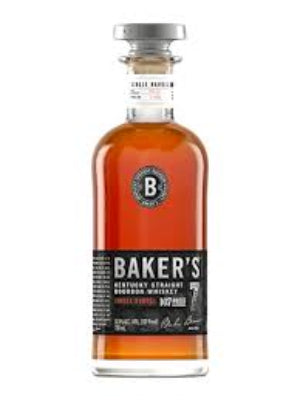
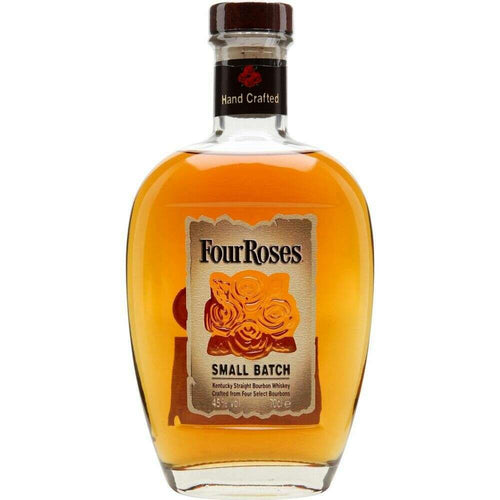
It depends on the price. Eagle Rare 10 Year is a genuinely excellent, elegant, well-aged bourbon — clearly worth it near its ~$40 suggested retail. But it's allocated and usually sells for $60–$90 ($69.99 at Bourbon Central), and at those prices our blind panel would reach for alternatives that come within a fraction of it for less. For the closest everyday value buy Four Roses Small Batch ($37.99); for more depth at Eagle Rare money buy Russell's Reserve Single Barrel ($78.09) or Baker's 7 Year ($64.99).

Is Eagle Rare worth it? Near its suggested retail of about $40, absolutely — it's one of the best-value age-stated bourbons in Kentucky. But Eagle Rare is allocated, so it rarely sells at that price: at many retailers it runs $60–$90, and Bourbon Central lists it at $69.99. At a premium like that, our blind panel says the value case gets much harder to make. Eagle Rare scored 8.7/10 — excellent — but only 0.2 points ahead of Four Roses Small Batch, which sells for $37.99. That's a razor-thin quality gap for nearly double the money.

Where Eagle Rare stays clearly worth it is as an approachable, giftable, beginner-friendly pour when you can find it near retail, and as a reliable introduction to what a 10-year age statement tastes like. Above retail, you're increasingly paying for the label and the hunt rather than the liquid.

So: if you spot it near $40, buy it. If it's marked up, the six in-stock bottles below — with proof, price and blind scores — are what our panel would buy instead.

Key takeaways

  • Eagle Rare is worth it near its ~$40 suggested retail, but at the $60–$90 it usually commands the value case gets much harder to make.
  • Bourbon Central lists Eagle Rare 10 Year at $69.99 — an allocation premium of roughly 60–90% over its intended shelf price.
  • The best value replacement is Four Roses Small Batch ($37.99): same 90 proof, soft and elegant, and it scored just 0.2 points behind Eagle Rare.
  • For the cheapest everyday substitute, Elijah Craig Small Batch ($40.99) delivers the same caramel-and-oak character with total availability.
  • For more depth at Eagle Rare money, Baker's 7 Year ($64.99) and Russell's Reserve Single Barrel ($78.09) are richer, in-stock single barrels.
  • Buffalo Trace is the same mash bill #1 recipe, but it's allocated too and often isn't cheaper ($78.99 here), so it doesn't solve the value problem.
Eagle Rare vs. the value picks

"Experience vs Eagle Rare" is our panel's blind match score against a control pour of Eagle Rare 10 Year, on nose, palate and finish. Panel score is quality on each bottle's own merits — which is why a bottle can score lower on likeness and higher on quality. Sort any column to re-rank the flight.

Bourbon Central panel ranking — is Eagle Rare worth it, and what to buy instead — blind-tasted August 25, 2026 by a 4-person panel.
Bourbon Experience vs Eagle RareBlind panel match score Proof Avg. price750 mL Availability Panel score
Eagle Rare 10 Year Reference 100% 90 $70Allocated8.7/10
Four Roses Small Batch 82% 90 $38Wide8.5/10
Elijah Craig Small Batch 80% 94 $41Wide8.4/10
Baker's 7 Year Single Barrel 79% 107 $65Wide8.6/10
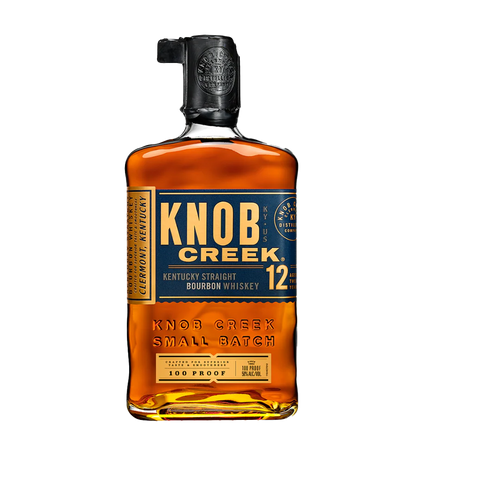
Knob Creek 12 Year 78% 100 $80Wide8.7/10
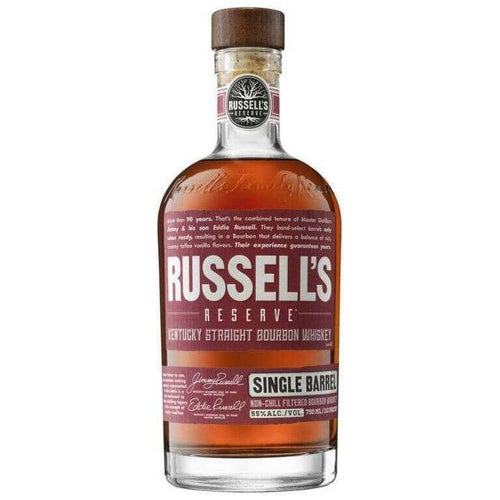
Russell's Reserve Single Barrel 76% 110 $78Wide8.6/10
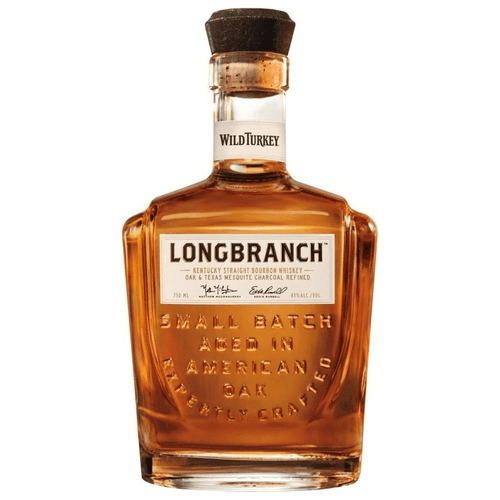
Wild Turkey Longbranch 73% 86 $40Wide8.1/10

Scores are our panel's own and should be treated as informed opinion, not fact. Prices are the median we observed at retail and move constantly — the live price on each product page is authoritative. Eagle Rare's price shown reflects its typical allocated shelf price, not its ~$40 suggested retail. Method: how we tested.

Cite this table

Free to reuse with attribution and a link back:

Nathan Cole. “Is Eagle Rare Worth It? (And What to Buy Instead).” Bourbon Central, August 2026. https://thebourboncentral.com/pages/is-eagle-rare-worth-it

Six bottles we'd buy instead — and who each is for

1

What should I buy instead of Eagle Rare for everyday drinking?

Four Roses Small Batch, at $37.99. Bottled at the same 90 proof as Eagle Rare, it is the closest everyday substitute our panel found for the soft, honeyed, easy-neat experience — for a little more than half the price.

Similarity
82%
Proof
90
Avg. price
$37.99
Availability
Wide
Panel score
8.5/10

If the reason you keep buying Eagle Rare is that it is elegant, gentle and drinkable neat without water, this is the bottle that ends the search. Four Roses Small Batch is bottled at 90 proof — identical to Eagle Rare — so the two pours have the same easy weight in the glass, which is half of what people mean when they say a bourbon reminds them of another.

The recipe is different: Four Roses blends four of its ten mash-bill-and-yeast recipes, which brings a fruity, floral lift Eagle Rare doesn't have, alongside the same caramel-and-vanilla core. It is a small-batch blend rather than a 10-year single, so it trades Eagle Rare's extra age and depth for approachability and consistency — every bottle tastes the same, and it is on shelves everywhere.

The value math is the point: our panel put it 0.2 points behind Eagle Rare on quality, at nearly half the shelf price and with none of the hunt.

Panel tasting note
Nose

Pear, honey, light caramel, a floral top note.

Palate

Soft and rounded — vanilla, red apple, gentle baking spice.

Finish

Clean, medium, faintly fruity; easy neat like the reference.

Who it’s for

Anyone paying an Eagle Rare premium just to have a soft, elegant everyday pour.

Who should skip it

Drinkers who specifically want Eagle Rare's 10-year oak depth — this is younger and lighter.

2

What's the cheapest bourbon that scratches the Eagle Rare itch?

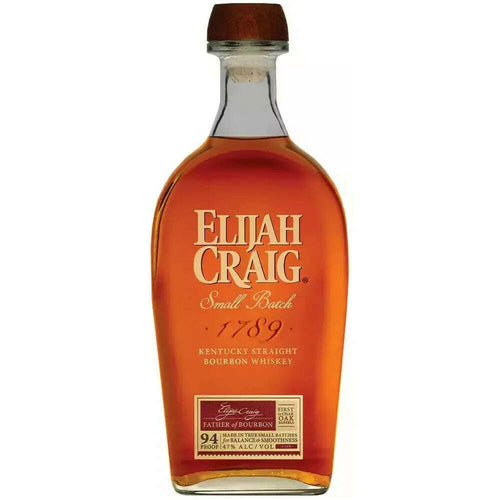
Elijah Craig Small Batch, at $40.99. It delivers the same caramel-and-oak, sip-it-neat character at 94 proof for well under Eagle Rare's shelf price — the value benchmark of the premium-everyday category.

Similarity
80%
Proof
94
Avg. price
$40.99
Availability
Wide
Panel score
8.4/10

Eagle Rare's appeal is a grown-up, oak-forward sweetness that still goes down easy. Elijah Craig Small Batch hits that same brief for the least money on this flight. Heaven Hill's small-batch bourbon runs at 94 proof and leans into brown sugar, toasted oak and a little smoke — a touch bolder and darker than Eagle Rare's brighter caramel, but squarely in the same lane.

It carried a 12-year age statement until 2016 and still tastes older than its price suggests, which is exactly why it is the standing recommendation whenever someone asks for ‘Eagle Rare but cheaper and always in stock.’ What it gives up is Eagle Rare's polish: it is a hair rougher around the edges and a little less refined on the finish.

For a daily pour, or for an Old Fashioned where a $70 allocated bottle would be wasted, this is the value answer on the page.

Panel tasting note
Nose

Brown sugar, toasted oak, vanilla, a wisp of smoke.

Palate

Caramel and char, dry oak, a little pepper.

Finish

Medium-long, oak-forward, slightly warming.

Who it’s for

Value hunters who want the elegant-everyday experience at the lowest price and total availability.

Who should skip it

Anyone whose favorite thing about Eagle Rare is its polish and delicacy.

3

What gives me an actual single-barrel, age-stated bourbon for less?

Baker's 7 Year Single Barrel, at $64.99. Like Eagle Rare it carries an age statement and a barrel number on the label — but at 107 proof it delivers more richness and intensity, for a few dollars under Eagle Rare's shelf price.

Similarity
79%
Proof
107
Avg. price
$64.99
Availability
Wide
Panel score
8.6/10

This is the pick for the buyer who values that Eagle Rare is aged and single-barrel-adjacent, but wishes it had more to say. Baker's is bottled one barrel at a time at a full 107 proof with a 7-year age statement, so it brings genuine single-barrel character and real depth where Eagle Rare stays polite at 90 proof.

The Jim Beam high-corn recipe gives it a rich, nutty, deep-caramel profile — heavier and more concentrated than Eagle Rare's elegant restraint. It reads like Eagle Rare with the volume turned up: same everyday-premium intent, more punch in the glass. A few drops of water brings it toward Eagle Rare's gentleness if you want it there.

Our panel scored it slightly lower on likeness — it is bolder — and equal-to-better on quality, which is the whole point of a value page: for less money you get more bourbon.

Panel tasting note
Nose

Deep caramel, roasted nuts, vanilla, a little oak char.

Palate

Rich and full — toffee, almond, baking spice, warming heat.

Finish

Long, nutty, gently drying.

Who it’s for

Drinkers who like Eagle Rare's age and single-barrel idea but want more intensity for the money.

Who should skip it

Neat drinkers who prize Eagle Rare's easy 90-proof gentleness.

4

What's the upgrade if I want even more age than Eagle Rare?

Knob Creek 12 Year, at $79.99. It doubles down on the thing Eagle Rare is prized for — age — with a 12-year statement at 100 proof, for roughly Eagle Rare's shelf price but reliably on the shelf.

Similarity
78%
Proof
100
Avg. price
$79.99
Availability
Wide
Panel score
8.7/10

Eagle Rare's calling card is its 10-year age statement, which is rare at its price. Knob Creek 12 Year raises that to a full 12 years for about the same money — and unlike Eagle Rare it is not allocated, so you can actually buy it. At 100 proof it is a little stronger and a lot deeper: layers of caramel, mature oak, leather and dark fruit that show the extra years in barrel.

Where Eagle Rare is elegant and restrained, Knob Creek 12 is bold and oak-driven — a different personality built from the same premium-everyday ambition. If what you love about Eagle Rare is the sense of maturity in the glass, this delivers more of it without the hunt.

Our panel scored it high on quality and lower on likeness precisely because it is richer and oakier than the reference. For age-per-dollar you can rely on, it is the standout here.

Panel tasting note
Nose

Mature oak, caramel, leather, dark cherry.

Palate

Full and layered — toffee, tobacco, baking spice, a firm oak backbone.

Finish

Long, dry, tannic; classic well-aged bourbon.

Who it’s for

Eagle Rare fans chasing age and depth who want a bottle that's actually in stock.

Who should skip it

Anyone who prefers Eagle Rare's light, elegant restraint to big oak.

5

What if I liked Eagle Rare mainly for being smooth and easy?

Wild Turkey Longbranch, at $39.99. If what you valued in Eagle Rare was the mellow, sip-it-neat smoothness rather than the age, this refined 86-proof bourbon delivers that easy drinking for a little over half the price.

Similarity
73%
Proof
86
Avg. price
$39.99
Availability
Wide
Panel score
8.1/10

Not everyone who buys Eagle Rare is chasing oak and age — plenty love it simply because it is smooth and easy to drink neat. If that is you, the honest value answer is Longbranch. It takes Wild Turkey's bourbon and refines it with Texas mesquite and American oak charcoal filtering, which strips the rustic edges and leaves something notably mellow and approachable at 86 proof.

It is lighter and less oak-driven than Eagle Rare, with soft caramel, vanilla and a gentle nuttiness rather than deep maturity. Our panel scored it lowest on likeness here — it is younger and simpler than a 10-year bourbon — but it nails the specific thing many Eagle Rare buyers actually want: an effortless, gentle neat pour.

At $39.99 it is the bottle to buy if smoothness, not age, is what you were paying an Eagle Rare premium for.

Panel tasting note
Nose

Soft caramel, vanilla, toasted nuts, faint smoke.

Palate

Light and mellow — honey, vanilla, mild oak, very little heat.

Finish

Short-to-medium, clean, easy.

Who it’s for

Eagle Rare drinkers who were really in it for the smooth, low-heat approachability.

Who should skip it

Anyone who loves Eagle Rare for its 10-year oak depth and complexity.

6

What's the best liquid I can buy for Eagle Rare money?

Russell's Reserve Single Barrel, at $78.09. A hand-selected single barrel at 110 proof, it was the panel's quality upgrade — more depth and character than Eagle Rare, at real retail rather than an allocation premium.

Similarity
76%
Proof
110
Avg. price
$78.09
Availability
Wide
Panel score
8.6/10

If you were prepared to spend Eagle Rare's shelf price anyway, this is where the panel would spend it. Wild Turkey's famously low barrel-entry proof means Russell's Reserve Single Barrel matures rich rather than merely hot for its 110 proof, and it is bottled one barrel at a time, hand-selected by Eddie Russell, with the barrel number printed on the label — a real single-barrel ritual Eagle Rare's single-barrel-adjacent fans will appreciate.

Against the reference it reads as Eagle Rare with far more concentration: vanilla, char, brown sugar and oak, with heat that wants a splash of water or a large cube. It is not the closest match on the flight — it is bigger and bolder — but on sheer quality for the money it is the one several tasters would take home.

Critically, $78.09 is its genuine retail, not a scarcity markup: you are paying for the liquid, not the label.

Panel tasting note
Nose

Vanilla bean, charred oak, brown sugar, orange peel.

Palate

Big and oily — caramel, baking spice, tobacco, real heat.

Finish

Long, drying, oak-forward; water opens it considerably.

Who it’s for

Drinkers ready to spend Eagle Rare money on maximum quality rather than an age statement.

Who should skip it

Neat drinkers sensitive to proof, and anyone who prizes Eagle Rare's gentleness.

Why is Eagle Rare so hard to find — and marked up?

Eagle Rare carries a roughly $35–$45 suggested retail but routinely sells for $60–$90 because Buffalo Trace bottles it with a 10-year age statement — meaning today's supply was filled a decade ago — at a distillery that has run at capacity for years while demand kept climbing.

Eagle Rare's markup is a milder version of the Blanton's story. It is an age-stated bourbon: the whiskey in the bottle was distilled and barreled about ten years ago, forecasting a market far smaller than the one that exists now. You cannot make more ten-year bourbon on demand, so supply is fixed while demand is not.

Because of that, Buffalo Trace allocates it — stores receive limited quantities — and it disappears quickly, which pushes shelf prices above the friendly suggested retail. It is not as scarce or as marked up as Blanton's, but the same forces are at work.

The practical upshot: near $40 it is one of the best values in bourbon; nearer $70–$90 you are paying an allocation premium, and that is the number the alternatives on this page are built to beat.

~1.7×
Typical shelf price vs. MSRP
Based on a ~$40 suggested retail against $60–$90 commonly observed shelf pricing.

How good is Eagle Rare, really?

Very good. Our panel scored Eagle Rare 8.7/10 — an elegant, well-aged, easy-neat bourbon that is one of the best 'premium everyday' pours in Kentucky. The value question isn't about quality; it is whether that quality is worth an allocation premium when the alternatives are this close.

As liquid, Eagle Rare earns its reputation. A 10-year age statement at an approachable 90 proof gives it a refined, oak-kissed elegance — toffee, orange oil, a little leather — that drinks beautifully neat and rarely puts a foot wrong. Nobody on the panel disliked it.

But the gap between Eagle Rare and our closest value pick, Four Roses Small Batch, was just 0.2 points — smaller than the difference many drinkers would notice between two Eagle Rare barrels a year apart. When a bottle's own barrel variation rivals its lead over a $38 alternative, near MSRP you're paying for very good bourbon, and above MSRP you're increasingly paying for the label.

8.7
Panel score for Eagle Rare
Excellent on its own merits; 0.2 points ahead of a bottle costing roughly half as much.

Is Buffalo Trace just a cheaper Eagle Rare?

Almost — they share Buffalo Trace's low-rye mash bill #1 and the same 90 proof, so Eagle Rare is essentially an older, 10-year version of the same recipe. But Buffalo Trace is allocated too, and at many retailers it isn't actually cheaper, so it doesn't solve the value problem on its own.

This is the most common Eagle Rare question, and the answer is mostly yes: Eagle Rare and Buffalo Trace come from the same distillery, the same mash bill #1, and are both bottled at 90 proof. Eagle Rare adds a 10-year age statement, which brings the extra oak and polish; Buffalo Trace carries no age statement and is a touch younger and simpler.

The catch is that Buffalo Trace is every bit as allocated as Eagle Rare, and its own shelf price has climbed with demand — at Bourbon Central it sells for $78.99, which is above Eagle Rare's own price. So while it is the closest recipe match, it does not reliably save you money or effort. The bottles in the flight above are chosen because they beat Eagle Rare on price, on availability, or on quality-per-dollar — which Buffalo Trace, right now, does not.

#1
Shared Buffalo Trace mash bill
Eagle Rare and Buffalo Trace are the same low-rye recipe; Eagle Rare is the 10-year expression.

Frequently asked questions

Is Eagle Rare worth the money?

It depends entirely on the price. Near its ~$40 suggested retail, Eagle Rare is one of the best values in bourbon and clearly worth it — a 10-year, 90-proof bourbon that drinks like something more expensive. At the $60–$90 it often commands on the shelf, the value case weakens: our panel scored it 8.7/10, just 0.2 points ahead of Four Roses Small Batch, which sells for $37.99. So: worth it near retail, harder to justify at a premium.

What is Eagle Rare's real retail price versus what it sells for?

Eagle Rare 10 Year has a suggested retail of roughly $35–$45, but it is allocated and rarely sits at that price. At many retailers it runs $60–$90, and Bourbon Central lists it at $69.99. The difference between MSRP and shelf price is the allocation premium you are deciding whether to pay — the liquid is the same either way.

What should I buy instead of Eagle Rare?

For the same soft, elegant, easy-neat experience at nearly half the price, Four Roses Small Batch ($37.99, 90 proof) is the panel's value pick. For the cheapest classic caramel-and-oak sipper, Elijah Craig Small Batch is $40.99. If you want more intensity and an actual single barrel for similar money, Baker's 7 Year ($64.99) or Russell's Reserve Single Barrel ($78.09) deliver more depth; for even more age, Knob Creek 12 Year ($79.99) is a reliable, in-stock upgrade.

Is Buffalo Trace the same as Eagle Rare?

They are the same recipe. Both are Buffalo Trace's low-rye mash bill #1 at 90 proof, so Eagle Rare is essentially the 10-year, age-stated version of Buffalo Trace. Eagle Rare has more oak and polish from the extra age; Buffalo Trace is younger and simpler. But Buffalo Trace is also allocated and often isn't cheaper — at Bourbon Central it's $78.99, above Eagle Rare — so it doesn't automatically solve the value question.

Is Eagle Rare better than Blanton's?

They come from the same distillery but different recipes. Eagle Rare uses the low-rye mash bill #1 and is softer, rounder and more oak-elegant; Blanton's uses the higher-rye mash bill #2 and is spicier and more citrus-lifted. Our panel scored Blanton's slightly higher on quality (9.1 vs 8.7), but Blanton's carries a far larger markup, so on value Eagle Rare is the easier bottle to justify.

What proof and age is Eagle Rare?

Eagle Rare 10 Year is bottled at 90 proof (45% ABV) and carries a 10-year age statement. It is distilled from Buffalo Trace's mash bill #1, a low-rye bourbon recipe. There is also a much older, far more expensive Eagle Rare 17 Year released as part of the Buffalo Trace Antique Collection.

Is Eagle Rare a good bourbon for beginners or as a gift?

Yes on both counts — this is where Eagle Rare is easiest to recommend. Its gentle 90 proof and elegant, oak-kissed sweetness make it very approachable for newer drinkers, and the 10-year age statement and strong reputation make it a confident gift. If you can find it near retail it is an excellent choice; if it's marked up, Four Roses Small Batch or Elijah Craig Small Batch make similarly giftable, beginner-friendly pours for less.

Terms used on this page

Bourbon vocabulary, defined once so the rest of the page can move quickly.

Eagle Rare
Buffalo Trace's 10-year age-stated bourbon, distilled from the low-rye mash bill #1 and bottled at 90 proof. Prized as an elegant, well-aged 'premium everyday' pour, and allocated because of its age statement. Wikidata
Buffalo Trace Distillery
The Frankfort, Kentucky distillery that makes Eagle Rare, Buffalo Trace, Blanton's, E.H. Taylor and W.L. Weller. Its two bourbon recipes are known as mash bill #1 (low rye) and mash bill #2 (higher rye). Wikidata
Mash bill #1
Buffalo Trace's low-rye bourbon recipe, thought to contain roughly 10% rye. It is the base for both Eagle Rare and standard Buffalo Trace, giving a soft, rounded, caramel-forward profile.
Age statement
A label claim of the youngest whiskey in the bottle. Eagle Rare's 10-year statement is unusual at its price point and is a major reason the bourbon is allocated — age-stated stock cannot be increased on demand.
Single barrel whiskey
Whiskey bottled from one individual cask rather than blended from many, so each bottle carries that barrel's character. Baker's and Russell's Reserve Single Barrel are single-barrel bottlings. Wikidata
Allocation
The practice of distributing a scarce bottle in limited quantities to retailers. Allocated bourbons like Eagle Rare and Blanton's routinely sell above suggested retail because demand outstrips fixed, age-dated supply.
Four Roses
Lawrenceburg, Kentucky distillery producing ten bourbon recipes from two mash bills and five yeast strains. Its Small Batch blends four recipes at 90 proof. Wikidata
Bourbon
American whiskey distilled from at least 51% corn and aged in new charred oak containers. Straight bourbon must be aged at least two years with no added coloring or flavoring. See our bourbon selection →Wikidata
How we tested

How we judged this

Every bourbon on this page was tasted blind, in a single sitting, against a control pour of Eagle Rare 10 Year. Bottles were decanted into numbered Glencairn glasses by someone who did not participate in the scoring, poured at room temperature, and served in randomized order with the control repeated in the flight as a consistency check.

Panellists scored each pour independently on aroma, palate and finish against the control, with no discussion until all scores were recorded. Palates were reset with water and unsalted crackers between pours.

'Experience vs Eagle Rare' percentages are the panel's mean match score against the control. Panel scores are mean quality ratings, judged on each bottle's own merits rather than as substitutes — which is why a bottle can score lower on likeness and higher on quality. Prices are the median we observed at retail; they move constantly, and the live price on each product page is the accurate one. This is an informed value judgement, not a statement of fact.

How the score is built

  • 40% Flavor vs Eagle Rare — How much of Eagle Rare's caramel, orange-oil and oak-elegant character the bottle delivers against the control pour.
  • 25% Quality on its own merits — How good the pour is judged as a bourbon in its own right, not merely as a substitute.
  • 20% Price — Cost relative to the drinking experience delivered — the heart of a value verdict.
  • 15% Availability — Whether a drinker can reasonably buy it at retail. A bottle that can't be found scores low here regardless of flavor.

The panel

  • Nathan ColeHead of Whiskey SelectionCertified Bourbon Steward; more than a decade sourcing and evaluating American whiskey; samples 500+ whiskeys a year across single barrels, limited releases and shelf staples.
  • Sarah WhitfieldWhiskey EducatorCertified Bourbon Steward; leads bourbon education seminars and guided tastings; extensive experience explaining production methods and flavor profiles to consumers.
  • Michael DonovanSpirits JudgeJudge at regional and national spirits competitions; evaluates whiskey using standardized sensory analysis; 12+ years in the beverage industry.
  • Ryan MitchellSingle Barrel SpecialistOversees private barrel selections for retailers and whiskey clubs; evaluates hundreds of barrel samples annually; specializes in identifying unique flavor profiles.
Disclosure. Bourbon Central sells every bottle ranked on this page, and we sell Eagle Rare itself — so we have a commercial interest in what you buy. Panellists scored blind and did not know which bottles were in the flight. Nothing here was paid for by a brand, and no distillery reviewed this page before publication. Scores and 'worth it' verdicts are our panel's informed opinion, not fact.

Sources

  1. Eagle Rare — Official product page and specifications — Sazerac / Buffalo Trace Distillery
  2. Buffalo Trace Distillery — Brands and mash bills — Buffalo Trace Distillery
  3. Four Roses — Small Batch and the ten recipes — Four Roses Distillery
  4. Knob Creek and Baker's — Official specifications — James B. Beam Distilling Co.
  5. Wild Turkey — Longbranch and Russell's Reserve — Wild Turkey Distilling Co.
  6. Standards of Identity for Distilled Spirits, 27 CFR § 5.143 — U.S. Alcohol and Tobacco Tax and Trade Bureau

Update log

  • — First publication. Value verdict and six-bottle 'buy instead' flight scored blind against an Eagle Rare 10 Year control.