
Blind panel tested · Beginner bourbon

The Best Bourbons for Beginners (2026), Ranked

Short answer

The best beginner bourbons are smooth, gently priced and easy to find — our panel's top three are Four Roses Small Batch, Elijah Craig Small Batch and Woodford Reserve. Each is bottled between 90 and 94 proof, costs under $45, and sips easily neat or over ice, which is exactly what a first bourbon should do.

Bourbon Central's four-person panel blind-tasted a flight of approachable, widely available bourbons and ranked the six best for someone new to the category. Four Roses Small Batch finished first at 9.0/10 — a soft, balanced 90-proof bourbon at $37.99 that is almost impossible to dislike. Elijah Craig Small Batch (8.8) is the richest value pick, Woodford Reserve (8.7) is the most polished, and Maker's Mark 46 (8.4), Basil Hayden (8.2) and Bulleit (8.1) round out the list.

A good beginner bourbon does three things: it stays smooth rather than hot, it leans sweet and easy rather than challenging, and it costs little enough that you can experiment without worrying about the bottle. Every pick here is bottled at 94 proof or lower, sits on shelves nationwide, and can be had for around $40. Here is the full ranking, with proof, price, style and panel score for each.

Key takeaways

  • Four Roses Small Batch is the panel's top beginner bourbon — soft, balanced and forgiving at 90 proof, and just $37.99.
  • Proof matters most when you're starting out: every pick here is 80–94 proof, low enough to sip neat without the burn of a barrel-proof bottle.
  • Lead with sweetness, not spice. Balanced and wheated bourbons (Four Roses, Elijah Craig, Woodford, Maker's Mark 46) are easier to like on day one than high-rye ones.
  • You don't need to spend much: five of the six picks are under $45, so you can try two or three bottles for the price of one allocated 'unicorn.'
  • Basil Hayden is the gentlest on-ramp at just 80 proof; Bulleit is the one to try if you suspect you actually prefer spice.
  • Skip barrel-proof, single-barrel and allocated bottles at first — they're harder to find, harder to drink neat, and wasted on a new palate.
The full ranking

Every bourbon here is smooth, affordable and easy to find — the three things that matter most when you're starting out. Our panel scored on approachability, flavour, value, availability and versatility; proof and style are shown so you can see how each will drink. Sort any column to re-rank the flight.

Bourbon Central panel ranking — the best bourbons for beginners — blind-tasted August 22, 2026 by a 4-person panel.
Bourbon StyleHow it drinks Proof Price750 mL Availability Panel score
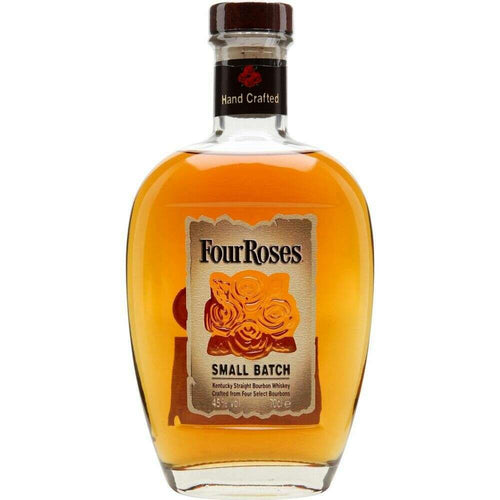
Four Roses Small Batch Balanced & smooth 90 $37.99Wide9.0/10
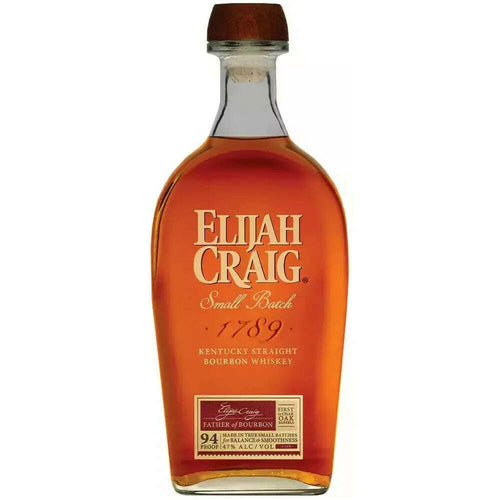
Elijah Craig Small Batch Rich & sweet 94 $40.99Wide8.8/10
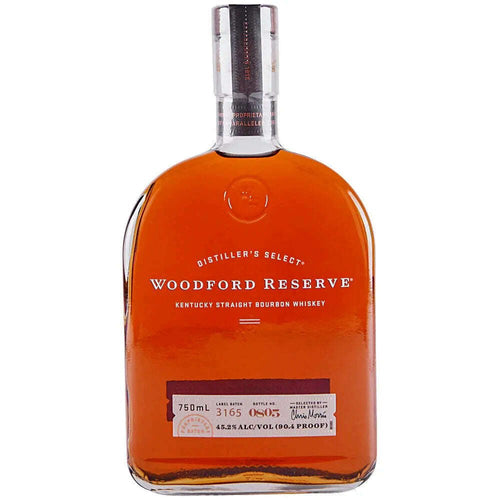
Woodford Reserve Refined & balanced 90.4 $44.99Wide8.7/10
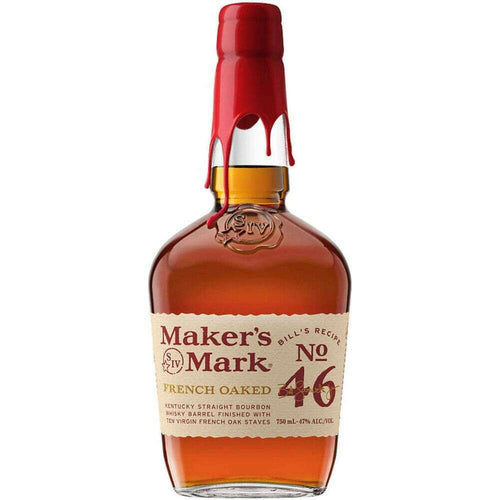
Maker's Mark 46 Soft & sweet (wheated) 94 $44.99Wide8.4/10
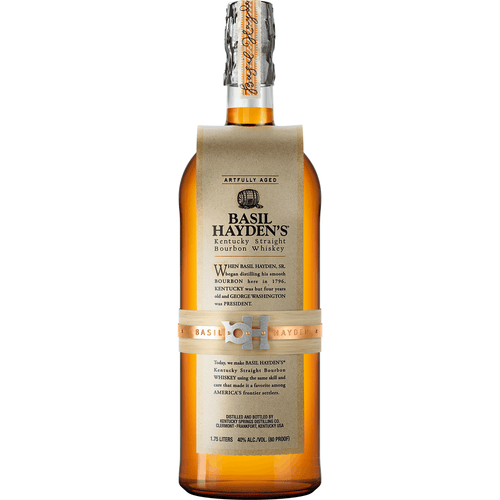
Basil Hayden Light & gentle 80 $53.09Wide8.2/10
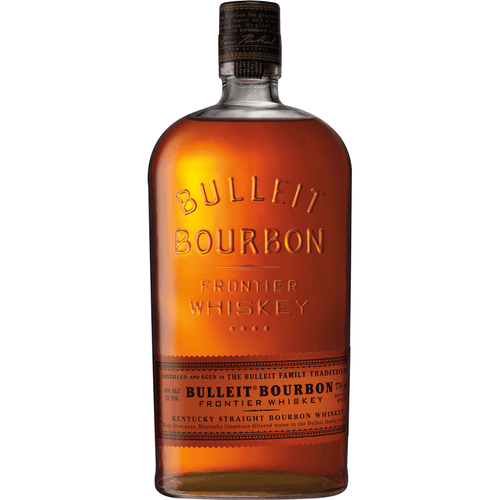
Bulleit Bourbon Bright & spicy 90 $37.09Wide8.1/10

Style is our panel's shorthand for how each bottle drinks, not an official category. Prices are the live Bourbon Central price at publication and move constantly; the price on each product page is the accurate one. We ranked only bottles we keep in stock, so a beginner reading this can actually buy them. Method: how we tested.

Cite this table

Free to reuse with attribution and a link back:

Nathan Cole. “The Best Bourbons for Beginners (2026), Ranked.” Bourbon Central, August 2026. https://thebourboncentral.com/pages/best-bourbons-for-beginners

Every pick, and who it's for

1

What is the best bourbon for a beginner overall?

Four Roses Small Batch, at $37.99. Bottled at a gentle 90 proof from a blend of Four Roses' softer recipes, it is smooth, lightly sweet and almost impossible to dislike — the bottle our panel would hand anyone taking their first real step into bourbon.

Proof
90
Avg. price
$37.99
Availability
Wide
Panel score
9.0/10

If there is a single safest first bourbon, this is it. Four Roses Small Batch blends four of the distillery's ten recipes, deliberately mixing softer, fruitier ones with a little spice so the result lands squarely in the middle: sweet enough to be easy, structured enough to be interesting.

At 90 proof it sips neat without heat, and the flavour is exactly what a beginner hopes bourbon tastes like — caramel, red apple, a little honey and vanilla, with only a whisper of oak and spice on the way out. Nothing about it is challenging or divisive.

It is also one of the best values in the whole bourbon aisle at $37.99, which matters when you're still figuring out what you like. Buy this first; once you know whether you lean sweet or spicy, the rest of this list tells you where to go next.

Panel tasting note
Nose

Caramel, red apple, honey and soft vanilla.

Palate

Smooth and lightly sweet — caramel, ripe fruit and gentle baking spice at an easy 90 proof.

Finish

Medium, warm and clean, with just a touch of oak.

Who it’s for

Anyone buying their very first bottle of bourbon, or looking for a crowd-pleaser no guest will refuse.

Who should skip it

Experienced drinkers chasing big proof or intensity — this is tuned to be easy, not bold.

2

What is the best value bourbon for beginners?

Elijah Craig Small Batch, at $40.99. It is richer and a touch oakier than Four Roses at 94 proof, but still smooth and sweet — and it delivers more depth per dollar than almost anything else a beginner can buy.

Proof
94
Avg. price
$40.99
Availability
Wide
Panel score
8.8/10

Elijah Craig is the bottle that teaches new drinkers what oak aging actually does. Heaven Hill's low-rye mash bill and years in charred barrels give it a deeper, dessert-like profile than the lighter bottles here — brown sugar, toasted vanilla, a little cinnamon and a distinct campfire-marshmallow note that beginners tend to love once they notice it.

At 94 proof it carries a bit more warmth than the 90-proof picks, so a single ice cube or a splash of water suits it well early on. That extra richness is the point: it shows a new palate that 'smooth' and 'flavourful' aren't opposites.

For around $40 it drinks like a bottle costing far more, which is why it is such a common recommendation for a second bourbon — or a confident first one for anyone who already knows they like sweet, oaky flavours.

Panel tasting note
Nose

Brown sugar, toasted vanilla, cinnamon and a hint of smoke.

Palate

Rich and sweet — caramel, oak, vanilla and a warm baking-spice core at 94 proof.

Finish

Long, warm and sweet, with lingering oak.

Who it’s for

Beginners who know they like sweet, dessert-leaning flavours, and anyone after the most bourbon-for-your-money on this list.

Who should skip it

Drinkers who want the lightest, lowest-proof pour — the 94 proof and oak make this the richest bottle in the top three.

3

What is the most reliable bourbon to give a beginner?

Woodford Reserve, at $44.99. Polished, balanced and instantly recognisable, it is the bottle to reach for when you want something a new drinker will feel good owning — smooth at 90.4 proof, and equally at home neat, on the rocks or in a cocktail.

Proof
90.4
Avg. price
$44.99
Availability
Wide
Panel score
8.7/10

Woodford Reserve is the bourbon world's safe, stylish default, and that reputation is earned. It is balanced almost to a fault: caramel and dried fruit, a little cocoa and toasted oak, a touch of Woodford's signature floral spice, all in careful proportion at a comfortable 90.4 proof.

For a beginner that balance is a feature. Nothing sticks out, nothing overwhelms, and it flatters an Old Fashioned as easily as it sips neat — so a first bottle does double duty as a cocktail base while you learn. The presentation and name recognition also make it the confident choice for a gift.

It costs a few dollars more than the value picks above and is arguably a little less exciting for it, which is the only reason it sits third rather than first. As an all-rounder, it is hard to make a mistake with.

Panel tasting note
Nose

Dried fruit, caramel, cocoa and light floral oak.

Palate

Balanced and smooth — caramel, toasted oak, orange and gentle spice at 90.4 proof.

Finish

Medium, rounded and clean.

Who it’s for

Anyone who wants one versatile bottle for sipping and cocktails, and gift-givers who want a name the recipient will recognise.

Who should skip it

Value hunters — Four Roses Small Batch offers a similarly easy experience for several dollars less.

4

What is the best wheated bourbon for beginners?

Maker's Mark 46, at $44.99. Built on Maker's soft, wheated recipe and finished with seared French oak staves, it is sweet and smooth with a little extra spice — the easiest introduction to the mellow, no-rye style of bourbon.

Proof
94
Avg. price
$44.99
Availability
Wide
Panel score
8.4/10

Wheated bourbon swaps the usual rye for wheat, which trades pepper and spice for softness and sweetness — the reason bottles like Maker's Mark and W.L. Weller are so beginner-friendly. Maker's Mark 46 starts from that gentle base and adds ten seared French oak staves to the barrel, which deepen it with vanilla, caramel and a gentle baking-spice warmth without making it hot.

The result at 94 proof is soft and dessert-like: think caramel, toffee and a little cinnamon, rounder and sweeter than the rye-containing bottles above. For a drinker who finds most whiskey too sharp, the wheated style is often the one that finally clicks.

We rank it here rather than higher only because that same softness makes it less versatile and a touch one-note next to the balanced picks. As a gateway to smooth, sweet, wheated bourbon, it does the job beautifully.

Panel tasting note
Nose

Caramel, vanilla, toffee and warm baking spice.

Palate

Soft and sweet — caramel, toffee and gentle French-oak spice, with no rye bite, at 94 proof.

Finish

Medium, sweet and smooth.

Who it’s for

Anyone who finds whiskey too sharp or spicy, and drinkers who want to explore the soft, sweet wheated style.

Who should skip it

Beginners curious about spice and structure — a wheated bourbon deliberately leaves those out.

5

What is the smoothest, lowest-proof bourbon for a nervous beginner?

Basil Hayden, at $53.09. Bottled at just 80 proof — the lowest here — it is light, gentle and easy-drinking, the least intimidating pour on the list for anyone put off by the burn of stronger whiskey.

Proof
80
Avg. price
$53.09
Availability
Wide
Panel score
8.2/10

Basil Hayden is the on-ramp for the proof-averse. It uses a high-rye mash bill, so there is real spice, but it is bottled at only 80 proof, which keeps everything light and soft — you get the flavour of bourbon with almost none of the heat that scares new drinkers off.

On the palate it is delicate and dry rather than rich: light peppery spice, honey, a little dried fruit and a short, clean finish. It is the bottle to pour for someone who has tried whiskey once, winced, and decided it wasn't for them — served over a large ice cube, it rarely fails to change their mind.

The trade-offs are body and price. At 80 proof it can feel thin next to the fuller bottles above, and at $53.09 you pay a premium for the elegance and the brand. But for gentleness alone, nothing here beats it.

Panel tasting note
Nose

Light rye spice, honey, dried fruit and gentle oak.

Palate

Soft, dry and delicate — light pepper and honey at a very easy 80 proof.

Finish

Short, clean and gently spicy.

Who it’s for

Anyone nervous about whiskey's burn, and drinkers who want the gentlest possible introduction; excellent over ice.

Who should skip it

Drinkers who want body, richness or value — at 80 proof and $53 it is the lightest and priciest pour here.

6

What should a beginner try if they think they like spice?

Bulleit Bourbon, at $37.09. Its high-rye mash bill makes it brighter and drier than the sweeter bottles here — the pick for a beginner who suspects they prefer pepper and structure to caramel, and a cheap, versatile cocktail base.

Proof
90
Avg. price
$37.09
Availability
Wide
Panel score
8.1/10

Not every new drinker wants sweet. Bulleit is built on a high-rye recipe — around 28% rye — which gives it a brighter, spicier, drier profile than the other bottles on this list. It is the bourbon to try if the sweet picks leave you wanting more bite, or if you already enjoy things like rye bread, ginger or black pepper.

At 90 proof it stays approachable, and its clean, peppery character makes it an excellent, forgiving cocktail base — a beginner's first Old Fashioned or whiskey sour is hard to ruin with Bulleit. Neat, it is a little youthful and lean, which is the main reason it ranks below the richer bottles for pure sipping.

At $37.09 it is one of the cheapest bottles here, so it is a low-risk way to find out early whether you are a spice person or a sweetness person — the single most useful thing a new bourbon drinker can learn about their own palate.

Panel tasting note
Nose

Black pepper, oak, vanilla and a little dried grass.

Palate

Bright and dry — peppery rye spice, light caramel and oak at 90 proof.

Finish

Medium, dry and clean, with lingering pepper.

Who it’s for

Beginners who lean toward spice over sweetness, and anyone who wants one affordable bottle for cocktails.

Who should skip it

New drinkers chasing soft, sweet, easy flavours — this is the driest, spiciest pick on the list.

What makes a bourbon good for beginners?

Three things: a moderate proof (roughly 80–95) so it sips without burning, a sweeter or softer flavour profile that's easy to enjoy, and a low enough price that you can experiment freely. Wide availability helps too — a great first bourbon is no good if you can't find it.

A beginner bourbon's job is to be likeable, not impressive. The single biggest factor is proof: at 80–95 proof a bourbon carries flavour without the alcohol heat that makes new drinkers wince, whereas barrel-proof bottles at 120-plus can be genuinely unpleasant to a fresh palate. Every bottle on this list sits at 94 proof or lower for exactly that reason.

Flavour is the next factor. Sweet, rounded, caramel-and-vanilla profiles — whether from a balanced recipe or a soft wheated one — are simply easier to like than dry, peppery, high-rye ones. That's why our top four all lean sweet or balanced.

Finally, price and availability. A first bottle should be cheap enough to pour freely and easy enough to rebuy, which is why we ranked only widely stocked bottles, most of them under $45.

80–95
The beginner-friendly proof range
Enough flavour to enjoy, little enough heat to sip neat. Every pick here falls at or below it.

Should a beginner drink bourbon neat, on the rocks, or in a cocktail?

All three — and switching between them is the fastest way to learn. Start with a splash of water or a single large ice cube to tame the heat, sip it neat once you're comfortable, and build a simple Old Fashioned to see how the same bourbon changes in a drink.

There is no wrong way to drink bourbon, and beginners learn fastest by trying more than one. A large ice cube or a few drops of water lowers the perceived heat and opens up the aroma, which makes the early sips far more approachable — there is nothing unsophisticated about it.

As your palate adjusts, try the same bourbon neat at room temperature to taste it at full strength. Then put it in an Old Fashioned — bourbon, sugar, bitters and a twist — and notice how sweetness and dilution change everything. Bottles like Woodford Reserve and Bulleit are ideal for this because they work neat and in cocktails.

The goal early on isn't to drink it 'correctly.' It's to figure out what you enjoy, which is the whole point of starting with affordable, forgiving bottles.

Ice → neat → cocktail
A beginner's tasting order
Tame it, taste it, then mix it — the quickest way to find your preference.

Should a beginner chase allocated bourbon like Blanton's or Pappy Van Winkle?

No. Allocated 'unicorn' bottles are expensive, hard to find, and largely wasted on a new palate that can't yet tell them apart from a $40 bottle. Learn what you like on affordable bourbon first — then, if you want to, chase the hype with a trained palate.

The bourbons that dominate social media — Blanton's, Pappy Van Winkle, Eagle Rare, E.H. Taylor — are genuinely good, but they are the wrong place to start. They cost multiples of their shelf price on the secondary market, they're difficult to actually buy, and, most importantly, their subtleties are lost on a palate that is still learning the basics of what bourbon tastes like.

Far better to spend $40 on a bottle you can drink freely, pay attention to what you enjoy, and build a reference point. Once you know whether you lean sweet or spicy, wheated or high-rye, the allocated bottles — and the widely available bourbons that taste like them — will mean far more to you.

When you're ready for that step, our 'bourbons that taste like' guides map each famous allocated bottle to easier-to-find alternatives.

$40 first
Where to start, not $250
Build a palate on affordable bottles before chasing the allocated hype.

Frequently asked questions

What is the best bourbon for beginners?

Bourbon Central's panel ranked Four Roses Small Batch first for beginners (9.0/10) — a soft, balanced 90-proof bourbon at $37.99 that's easy to sip and hard to dislike. Elijah Craig Small Batch (8.8) is the richest value pick and Woodford Reserve (8.7) is the most polished all-rounder. All three are smooth, widely available and under $45.

What is a good smooth bourbon for someone who doesn't really like whiskey?

Start with a low-proof, soft bottle. Basil Hayden at 80 proof is the gentlest pick on our list, and Maker's Mark 46 — a soft, sweet wheated bourbon — is the easiest sweet option. Serve either over a large ice cube or with a splash of water to lower the heat further. Wheated bourbons in particular are often the ones that finally win over people who think they dislike whiskey.

What proof should a beginner bourbon be?

Roughly 80 to 95 proof. That range carries plenty of flavour but not the alcohol burn of a barrel-proof bourbon (often 120 proof or more), which can be genuinely unpleasant to a new palate. Every bottle on this list is 94 proof or lower, and Basil Hayden at 80 proof is the gentlest.

Should beginners drink bourbon neat or with ice?

Either — and a single large ice cube or a small splash of water is a great place to start, because it lowers the perceived heat and opens up the aroma. There's nothing wrong with drinking bourbon on the rocks. As your palate adjusts, try the same bottle neat to taste it at full strength, then in a simple cocktail like an Old Fashioned to see how it changes.

Is Maker's Mark a good bourbon for beginners?

Yes. Maker's Mark is a wheated bourbon, meaning it uses wheat instead of rye as its secondary grain, which makes it soft, sweet and mellow rather than spicy — an ideal beginner profile. We ranked Maker's Mark 46, a French-oak-finished version that adds a little extra vanilla and spice while staying smooth, at $44.99.

What's the difference between wheated and high-rye bourbon for a beginner?

It's the secondary grain in the recipe, and it decides the style. Wheated bourbons (like Maker's Mark) use wheat for a soft, sweet, mellow profile that's very beginner-friendly. High-rye bourbons (like Bulleit) use rye for pepper, spice and a drier finish. Most beginners find the sweeter wheated and balanced bottles easier to like first, then explore spice later.

What's a good cheap bourbon to start with?

Four Roses Small Batch ($37.99) and Bulleit Bourbon ($37.09) are the value picks on our list, both well under $40. Four Roses is the softer, sweeter of the two; Bulleit is brighter and spicier. Elijah Craig Small Batch ($40.99) is the pick if you want a little more richness for a few dollars more.

Is Bulleit a good bourbon for beginners?

It can be, with a caveat. Bulleit is a high-rye bourbon, so it's drier and spicier than the sweeter bottles most beginners start with. If you already enjoy peppery or spicy flavours, or you want one affordable, versatile bottle for cocktails, it's a great first bourbon. If you're not sure, start with a sweeter pick like Four Roses Small Batch and try Bulleit second to see which you prefer.

Terms used on this page

Beginner bourbon vocabulary, defined once so the rest of the page can move quickly.

Bourbon
American whiskey distilled from at least 51% corn and aged in new charred oak. Straight bourbon must be aged at least two years with no added colouring or flavouring. The grain that fills out the rest of the recipe — rye or wheat — shapes how sweet or spicy it tastes. See our bourbon selection →Wikidata
Proof
A measure of alcohol strength equal to twice the alcohol-by-volume percentage — so 90 proof is 45% ABV. Lower-proof bourbons carry less alcohol heat, which is why the 80–94 proof bottles here suit beginners.
Wheated bourbon
A bourbon that uses wheat rather than rye as its secondary flavouring grain, giving a softer, sweeter, mellower profile. Maker's Mark and W.L. Weller are the best-known examples, and the style is popular with new drinkers.
High-rye bourbon
A bourbon whose secondary grain is rye at a relatively high proportion, giving pepper, clove and a dry, spicy finish. Bulleit is a common example. Spicier and less sweet than wheated bourbon.
Mash bill
The grain recipe a whiskey is distilled from. In bourbon it's at least 51% corn; the balance of rye versus wheat in the remainder is what makes one bourbon sweet and soft and another dry and spicy.
Small batch bourbon
An unregulated term for bourbon blended from a limited, selected number of barrels rather than a single barrel or the full production run. Four Roses Small Batch and Elijah Craig Small Batch are both examples on this list.
Neat
A pour of spirit served on its own at room temperature, with no ice or mixer. Beginners often start with a splash of water or a single ice cube before working up to drinking bourbon neat.
Four Roses
A Lawrenceburg, Kentucky distillery that combines two mash bills and five proprietary yeasts into ten bourbon recipes. Its Small Batch bottling blends several of them into a soft, balanced, beginner-friendly whiskey. Wikidata
Rye whiskey
A whiskey made from at least 51% rye, distinct from high-rye bourbon, which is still majority corn. Rye is the grain responsible for the pepper and dry spice a beginner learns to recognise. Wikidata
How we tested

Our method, in the open

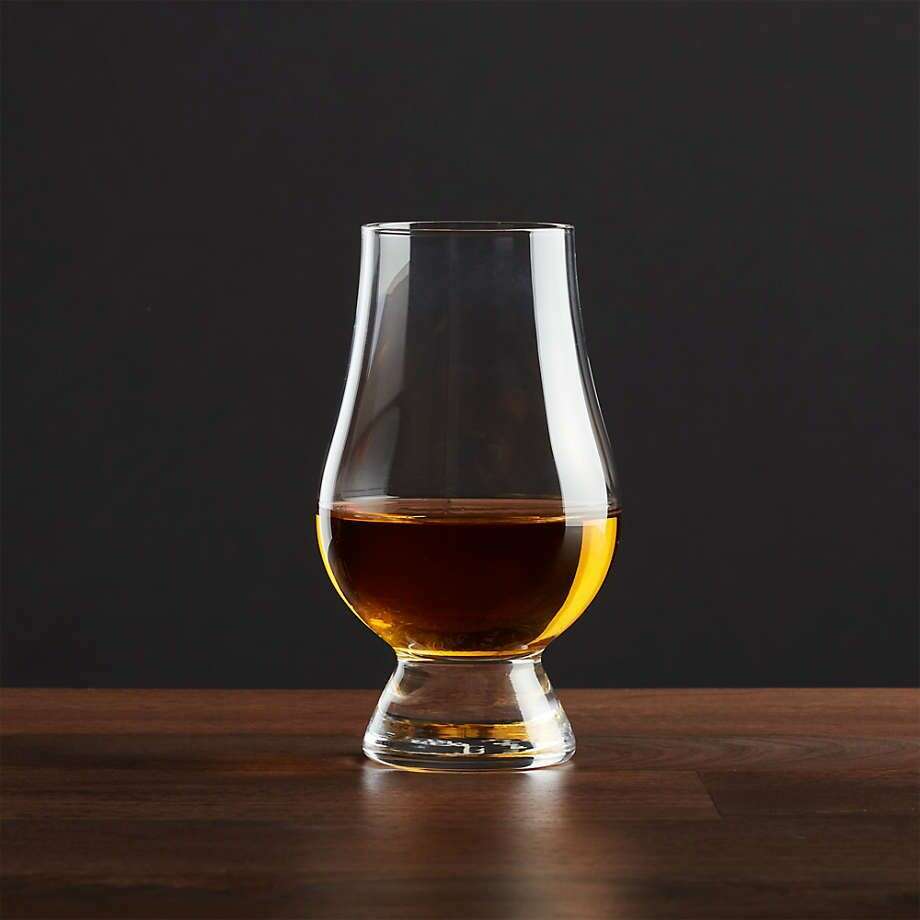
Every bourbon on this page was tasted blind, in a single sitting, as part of a flight of approachable, widely available bourbons chosen for new drinkers. Bottles were decanted into numbered Glencairn glasses by someone who did not participate in the scoring, poured at room temperature, and served in randomised order, with one sample poured twice as a consistency check on the panel.

Panellists scored each pour independently on approachability, flavour, value, availability and versatility, with no discussion until all scores were recorded. Palates were reset with water and unsalted crackers between pours, and the flight was capped so that fatigue could not skew the later samples. Because this is a beginner guide, approachability — how smoothly and easily each bottle drinks — carries the most weight, while proof and price are reported for context.

Panel scores are mean quality ratings out of 10, judged for a new drinker rather than a collector. Prices are the live Bourbon Central price at publication; they move constantly, and the price on each product page is the accurate one. We ranked only bottles we keep in stock, so a beginner reading this can actually buy them.

How the score is built

  • 35% Approachability & smoothness — How easy the bourbon is to drink neat — how little heat, harshness or challenge a new palate meets.
  • 25% Flavour & balance — Depth and appeal of the flavour, and how well sweetness, spice, grain and oak integrate.
  • 20% Value — Quality relative to price, and whether it's cheap enough for a beginner to pour and rebuy freely.
  • 10% Availability — Whether a new drinker can reliably buy it. A bottle that can't be found scores low here regardless of flavour.
  • 10% Versatility — How well it performs across neat, on the rocks and in simple cocktails while a beginner experiments.

The panel

  • Nathan ColeHead of Whiskey SelectionCertified Bourbon Steward; more than a decade sourcing and evaluating American whiskey; samples 500+ whiskeys a year across single barrels, limited releases and shelf staples.
  • Sarah WhitfieldWhiskey EducatorCertified Bourbon Steward; leads bourbon education seminars and guided tastings; extensive experience explaining production methods and flavor profiles to consumers.
  • Michael DonovanSpirits JudgeJudge at regional and national spirits competitions; evaluates whiskey using standardized sensory analysis; 12+ years in the beverage industry.
  • Ryan MitchellSingle Barrel SpecialistOversees private barrel selections for retailers and whiskey clubs; evaluates hundreds of barrel samples annually; specializes in identifying unique flavor profiles.
Disclosure. Bourbon Central sells every bottle ranked on this page, so you should weigh it knowing we have a commercial interest in it. That said, the panel scored every pour blind, in randomised order, without knowing which bottle was in the glass; nothing here was paid for by a brand, and no distillery reviewed this page before publication. 'Beginner-friendly' is our panel's judgement, not an official category — your own palate is the final authority, which is exactly why we recommend starting with affordable bottles.

Sources

  1. Four Roses — Small Batch and recipes — Four Roses Distillery
  2. Woodford Reserve — Kentucky Straight Bourbon — Woodford Reserve / Brown-Forman
  3. Maker's Mark — Maker's Mark 46 — Maker's Mark Distillery
  4. Basil Hayden — Kentucky Straight Bourbon — Basil Hayden / James B. Beam Distilling Co.
  5. Bulleit Frontier Whiskey — Bourbon — Bulleit Distilling Co.
  6. Standards of Identity for Distilled Spirits, 27 CFR Part 5 — U.S. Alcohol and Tobacco Tax and Trade Bureau

Update log

  • — First publication. Ranked the six beginner-friendly bourbons in stock at Bourbon Central; scores pending final panel confirmation of the flight.