
Blind panel tested · Bourbon

Bourbons That Taste Like Eagle Rare (But Are Easier to Find)

Short answer

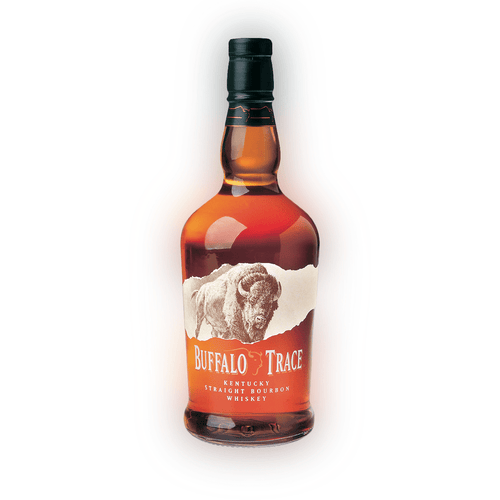
The bourbons closest to Eagle Rare 10 Year that you can actually buy are Evan Williams Single Barrel and Elijah Craig Small Batch — both deliver Eagle Rare's honeyed caramel-and-toffee profile at a lower price. Buffalo Trace is the closest match of all, because it shares Eagle Rare's exact mash bill, but it is nearly as allocated as Eagle Rare itself.

Bourbon Central's four-person panel blind-tasted seven low-rye Kentucky bourbons against a control pour of Eagle Rare 10 Year. Buffalo Trace scored closest — 88% similarity — because it is distilled from the same Buffalo Trace mash bill #1 recipe as Eagle Rare, in the same Frankfort distillery. The catch is that Buffalo Trace flagship is nearly as hard to find as Eagle Rare, so it fails the only test that matters here.

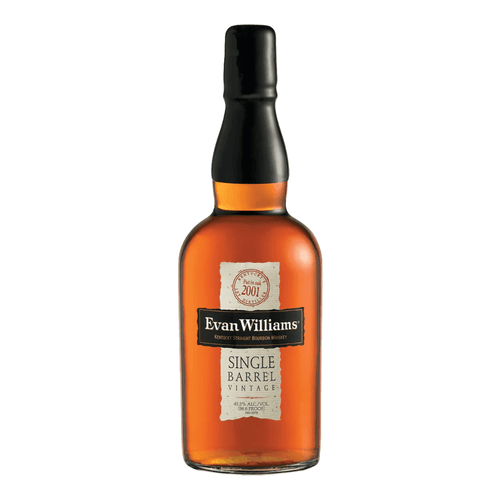
The bourbon that actually tastes like Eagle Rare and sits on a shelf is Evan Williams Single Barrel — 85% similarity at $58.09 — a soft, honeyed, low-rye single barrel that mirrors Eagle Rare's gentle character. For an everyday pour, Elijah Craig Small Batch ($40.99) delivers the same caramel-and-oak core for less. What all of them share with Eagle Rare, and what the name on the label does not, is a low-rye mash bill and real age.

Here is the full ranking, with proof, price, availability and panel score for each.

Key takeaways

  • Evan Williams Single Barrel is the closest widely-available match to Eagle Rare — 85% similarity at $58.09, a soft honeyed single barrel from Heaven Hill's low-rye recipe.
  • Eagle Rare is bottled at 90 proof from Buffalo Trace's low-rye mash bill #1; low rye, gentle proof and real age — not the distillery name — predict the match best.
  • Buffalo Trace flagship is the closest taste of all (88%) because it shares Eagle Rare's exact mash bill, but it is nearly as allocated, so it isn't the easy answer.
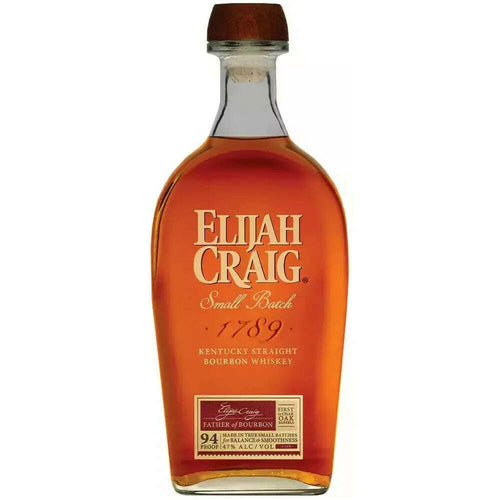
  • Elijah Craig Small Batch is the value pick at $40.99 — the same caramel-and-oak core at a weeknight price, and the easiest of the seven to find.
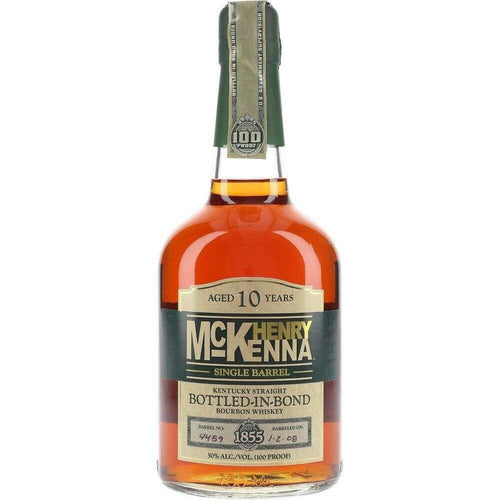
  • Henry McKenna 10 Year is the age-statement match: like Eagle Rare it carries a 10-year age statement, but bottled in bond at 100 proof it hits harder.
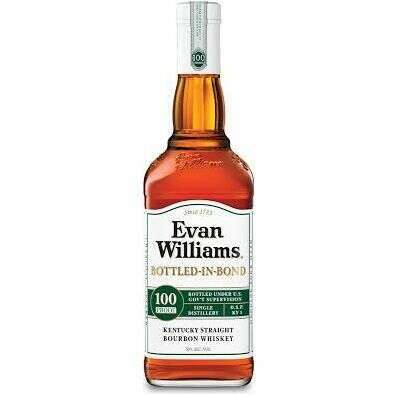
  • Evan Williams Bottled-in-Bond is the cheapest credible substitute at $38.09, bonded at 100 proof.
The full ranking

Similarity is scored against a control pour of Eagle Rare 10 Year on nose, palate and finish. Sort any column to re-rank the flight.

Bourbon Central panel ranking — bourbons closest to Eagle Rare 10 Year — blind-tasted July 30, 2026 by a 4-person panel.
Bourbon Similarity to Eagle RareBlind panel score Proof Avg. price750 mL Availability Panel score
Eagle Rare 10 Year Reference 100% 90 $70Allocated9.0/10
Buffalo Trace 88% 90 $79Limited8.7/10
Evan Williams Single Barrel 85% 86.6 $58Wide8.5/10
Henry McKenna 10 Year 83% 100 $99Limited8.8/10
Elijah Craig Small Batch 82% 94 $41Wide8.3/10
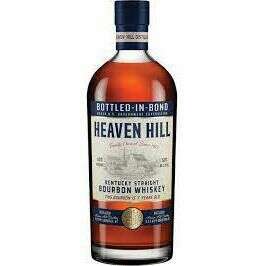
Heaven Hill 7 Year Bottled-in-Bond 80% 100 $58Wide8.2/10
Evan Williams Bottled-in-Bond 78% 100 $38Wide7.9/10

Scores are our panel's own. Prices are the median observed at retail and move constantly — the live price on each product page is authoritative. Similarity is scored against the reference bottle on nose, palate, finish and body, not on mash bill alone. Method: how we tested.

Cite this table

Free to reuse with attribution and a link back:

Nathan Cole. “Bourbons That Taste Like Eagle Rare (But Are Easier to Find).” Bourbon Central, August 2026. https://thebourboncentral.com/pages/bourbons-that-taste-like-eagle-rare

Every pick, and who it's actually for

1

Does Buffalo Trace taste like Eagle Rare?

Yes — more than anything else on this list. Buffalo Trace flagship is distilled from the same mash bill #1 as Eagle Rare, in the same distillery; our panel put it at 88%. The one knock is availability: it is nearly as hard to find as Eagle Rare itself.

Similarity
88%
Proof
90
Avg. price
$78.99
Availability
Limited
Panel score
8.7/10

Eagle Rare is not a separate recipe from Buffalo Trace — it is the same low-rye mash bill #1, selected and matured to a 10-year age statement. Buffalo Trace flagship carries no age statement and typically runs six to eight years, so it is the younger sibling of the same juice: identical DNA, a little less time in oak. That makes it the closest thing to Eagle Rare our panel found, and it isn't close.

Toffee, brown sugar, orange oil and a whisper of mint — the family resemblance is total on the nose. Where the two separate is depth. Eagle Rare's extra years show up as more leather, more dried fruit and a longer, drier finish; Buffalo Trace is a touch sweeter and simpler.

The reason it isn't the headline answer is honesty about supply. Buffalo Trace flagship is itself an allocated bottle in most markets, so calling it the 'easier to find' Eagle Rare is only half true. If you can catch it, it is the best match on this page. If you can't, the Heaven Hill bottles below are the ones actually sitting on the shelf.

Panel tasting note
Nose

Toffee, brown sugar, orange oil, faint mint — the most Eagle Rare-like nose in the flight.

Palate

Soft caramel and vanilla, light oak, gentle spice. Sweeter and a shade simpler than the reference.

Finish

Clean, medium, lightly drying. Fades a little sooner than Eagle Rare's.

Who it’s for

Anyone who loved Eagle Rare for its smoothness and honeyed core and can occasionally catch its sibling on a shelf.

Who should skip it

Drinkers who need a bottle they can reliably buy — this one is nearly as allocated as Eagle Rare.

2

What is the closest bourbon to Eagle Rare you can actually buy?

Evan Williams Single Barrel, at $58.09. It is a soft, honeyed, low-rye single barrel bottled at 86.6 proof — the closest widely-available match to Eagle Rare's gentle, refined character, at 85% similarity.

Similarity
85%
Proof
86.6
Avg. price
$58.09
Availability
Wide
Panel score
8.5/10

If Buffalo Trace is off the table because you can't find it, this is the answer. Evan Williams Single Barrel is a genuine single barrel — like Eagle Rare, every bottle is drawn from one cask — bottled at a gentle 86.6 proof that mirrors Eagle Rare's easy 90. Heaven Hill's low-rye mash bill lands in the same corner of the flavour map: honeyed caramel, vanilla, a little baked apple and toasted oak, without the pepper and clove a high-rye bourbon brings.

The single-barrel format is the part most Eagle Rare lists miss. It is what gives both bottles their sense of individual character and their soft, unhurried texture — the thing people actually mean when they call Eagle Rare 'elegant.'

Against the reference it reads a hair sweeter and less oak-driven, because it carries no 10-year statement. But for a bottle you can buy at almost any decent shop, it is remarkably close — and it is the pour our panel reached for again once the flight was over.

Panel tasting note
Nose

Honeyed caramel, vanilla, baked apple, light toasted oak.

Palate

Soft and rounded — caramel, orchard fruit, a gentle grain sweetness. Low heat.

Finish

Medium, smooth, faintly oaky. Very close to Eagle Rare's easy tail.

Who it’s for

Eagle Rare drinkers who want the same soft single-barrel character in a bottle that's actually on the shelf.

Who should skip it

Anyone chasing bigger proof or heavier oak — this is deliberately gentle.

3

What bourbon has the same 10-year age statement as Eagle Rare?

Henry McKenna 10 Year. Like Eagle Rare it is a low-rye single barrel with a 10-year age statement — but bottled in bond at 100 proof, it is bolder and oakier. 83% similarity, and the highest-scoring bottle on the flight for outright quality.

Similarity
83%
Proof
100
Avg. price
$98.99
Availability
Limited
Panel score
8.8/10

On paper this is the closest match: a low-rye Kentucky bourbon, single barrel, ten years old — the same three specs that define Eagle Rare. Henry McKenna is Heaven Hill's bonded 10-year, and it famously took Best in Show at the 2019 San Francisco World Spirits Competition, which is most of why our panel scored it highest here on quality.

Where it diverges from Eagle Rare is proof. Bottled in bond means exactly 100 proof against Eagle Rare's 90, and those ten points change the experience: more oak, more baking spice, more grip. The honeyed caramel core is there, but it sits under a bigger, drier, more tannic structure.

Think of it as Eagle Rare with the volume turned up — same shape, more intensity. It scores lower on similarity and higher on quality, which is the distinction worth keeping straight: it is not the closest pour on the flight, but it may be the best one. Supply is streaky, since it is a single barrel and moves quickly, so treat it as a grab-it-when-you-see-it bottle.

Panel tasting note
Nose

Dark caramel, charred oak, dried orchard fruit, a dusting of baking spice.

Palate

Bigger and drier than the reference — toffee, oak tannin, cinnamon, real 100-proof grip.

Finish

Long, oak-forward, drying. Water rounds it out.

Who it’s for

Eagle Rare fans who want the same age and pedigree with more proof and more oak.

Who should skip it

Neat drinkers who loved Eagle Rare precisely for its gentleness.

4

What is the best everyday alternative to Eagle Rare?

Elijah Craig Small Batch, at $40.99. Heaven Hill's low-rye small batch delivers Eagle Rare's caramel-and-oak core at an everyday price — 82% similarity, and the value backbone of any Eagle Rare drinker's shelf.

Similarity
82%
Proof
94
Avg. price
$40.99
Availability
Wide
Panel score
8.3/10

Eagle Rare's appeal is a well-aged, low-rye bourbon at a friendly proof, and Elijah Craig Small Batch hits that brief for the price of a cocktail out. It shares Heaven Hill's low-rye mash bill with the Evan Williams bottles, but its small-batch blend leans a little further into oak and dark caramel, with the faint campfire smoke that is Elijah Craig's signature.

At 94 proof it sits between Eagle Rare's 90 and the bonded bottles' 100, which gives it a touch more weight than the reference without tipping into heat. The gap our panel measured is refinement: Eagle Rare's decade in oak buys a smoothness and a dried-fruit complexity that a younger small batch can't quite match.

As the bottle you actually open on a weeknight — or build an Old Fashioned from without wincing at the cost — it is the most sensible answer on the list. It is also the easiest of the seven to find; nearly every shop stocks it.

Panel tasting note
Nose

Caramel, vanilla, toasted oak, a wisp of smoke.

Palate

Sweet and oaky — brown sugar, char, a little baking spice.

Finish

Medium, warm, gently smoky. A touch less refined than Eagle Rare.

Who it’s for

Anyone who wants Eagle Rare's caramel-and-oak profile as an everyday pour or a cocktail base.

Who should skip it

Drinkers chasing Eagle Rare's specific age-driven smoothness.

5

Is there an aged, bottled-in-bond alternative to Eagle Rare?

Heaven Hill 7 Year Bottled-in-Bond, at $58.09. A seven-year, 100-proof bonded bourbon from the same low-rye Heaven Hill recipe — more oak and structure than Eagle Rare, at 80% similarity.

Similarity
80%
Proof
100
Avg. price
$58.09
Availability
Wide
Panel score
8.2/10

This is the connoisseur's value pick: an age-stated, bottled-in-bond bourbon from one of Kentucky's most respected low-rye distilleries, at well under $60. Seven years in oak gives it the depth that separates a serious bourbon from an entry-level one — the resinous, slightly leathery note Eagle Rare has in greater measure.

Bonded at 100 proof, it is firmer and drier than the 90-proof reference, with a caramel core wrapped in more char and grain. Our panel scored it a little lower on similarity precisely because of that bonded structure: it is bolder where Eagle Rare is gentle.

But if what you value in Eagle Rare is its age and its low-rye, corn-forward sweetness rather than its softness, this delivers both for a fair price and is far easier to find. It is a lot of aged bourbon for the money.

Panel tasting note
Nose

Caramel, oak, roasted grain, a little leather.

Palate

Firm and dry — brown sugar, char, cereal sweetness, a bonded backbone.

Finish

Long, oaky, drying. Bolder than the reference.

Who it’s for

Value hunters who want age and a bonded backbone over Eagle Rare's softness.

Who should skip it

Anyone who prizes Eagle Rare's gentle, low-proof ease.

6

What is the cheapest bourbon that tastes like Eagle Rare?

Evan Williams Bottled-in-Bond, at $38.09. The same Heaven Hill low-rye profile, bonded at 100 proof, for the lowest price on the flight — 78% similarity, and the smart budget answer.

Similarity
78%
Proof
100
Avg. price
$38.09
Availability
Wide
Panel score
7.9/10

Proof and price are where this bottle argues its case. At $38.09 it is the cheapest credible Eagle Rare substitute our panel would still call a match, and bottled in bond means a guaranteed 100 proof, one distilling season, and at least four years in a federally supervised warehouse. That is a lot of provenance for the money.

The Heaven Hill low-rye recipe gives it the same honeyed caramel and soft grain sweetness that anchors Eagle Rare, though with less age it shows a more youthful cereal note and less of the dried-fruit and leather complexity Eagle Rare's decade delivers. It is bolder than the reference thanks to the extra ten proof points, and a splash of water brings it closer to Eagle Rare's easy weight.

This is the bottle for a mixed drink where a $70 Eagle Rare would be wasted, or for a daily pour that scratches the same itch at half the cost.

Panel tasting note
Nose

Caramel, vanilla, fresh grain, light oak.

Palate

Sweet and firm — brown sugar, corn, a bonded 100-proof warmth.

Finish

Medium, warming, a little youthful. Water settles it.

Who it’s for

Anyone who wants the Eagle Rare shape for a cocktail or a daily pour at the lowest price.

Who should skip it

Sippers chasing Eagle Rare's aged smoothness — this is younger and hotter.

Why is Eagle Rare so hard to find?

Eagle Rare is hard to find because it is a 10-year age-stated bourbon made at Buffalo Trace, a distillery that has run at capacity for over a decade while demand outgrew the stock it laid down ten years ago. Its low price for its age makes it a target for resellers, which empties shelves fast.

Eagle Rare carries a 10-year age statement, which means every bottle sold today was distilled and barrelled around a decade ago — by people forecasting a bourbon market far smaller than the one that exists now. Buffalo Trace cannot simply make more this year; the barrels are already committed.

Layer on the value dynamic. At roughly $40–$45 suggested retail for a 10-year single-distillery bourbon, Eagle Rare is underpriced for what it is, which makes it a magnet for flippers who clear shelves and re-list at a markup. The result is a bottle with an MSRP under $45 that regularly trades well above it, and a near-permanent waitlist at retailers that carry it.

None of that scarcity has anything to do with how it tastes — which is the whole reason this page exists.

10 yrs
Eagle Rare's age statement
Every bottle is at least ten years old — barrelled a decade before it reaches a shelf.

Is Eagle Rare worth the hype?

As a pour, yes — but it is not unique. Our panel scored Eagle Rare 9.0/10, with Evan Williams Single Barrel just behind at 8.5 for less money. Eagle Rare is an excellent, gentle, well-aged bourbon; several low-rye bottles get most of the way there.

Two questions hide inside 'is it worth it,' and they have different answers.

At MSRP, Eagle Rare is one of the best values in bourbon — a genuine 10-year single-distillery whiskey for around $40. If you can buy it at that price, buy it. At the inflated secondary price it often commands, the math changes: the gap between Eagle Rare and our top available substitute is smaller than the price gap between them.

What makes Eagle Rare special is not a secret recipe — it is age and restraint. A low-rye mash bill, ten years in oak and a modest 90 proof produce a bourbon that is smooth and honeyed rather than loud. That profile is repeatable, which is exactly what the bottles on this page do at a lower price and with far less hunting.

90
Proof (45% ABV)
A restrained bottling proof is part of why Eagle Rare drinks so gently.

What makes a good Eagle Rare substitute?

Three specs predict the match: a low-rye mash bill, a gentle-to-medium proof, and real age. Distillery matters less than those. The bottles that score highest here are low-rye, corn-forward bourbons with years on them — mostly from Heaven Hill and Buffalo Trace.

Eagle Rare's character comes from a specific combination, and you can shop for it directly.

First, low rye: Buffalo Trace mash bill #1 is only around 8% rye, which is why Eagle Rare is honeyed and soft rather than peppery. Heaven Hill's standard bourbon recipe is similarly low-rye, which is why its bottles dominate this list.

Second, proof: Eagle Rare's 90 proof keeps it gentle, so the closest matches sit at 86–94 proof; the 100-proof bonded bottles are excellent but read as bolder.

Third, age: the dried-fruit, leather and long dry finish that separate Eagle Rare from cheaper bourbons come from a decade in oak, so an age statement — or a well-aged single barrel — closes the gap. Match those three and you are most of the way to Eagle Rare, regardless of the name on the label.

~8%
Rye in mash bill #1
Buffalo Trace's low-rye recipe — the source of Eagle Rare's honeyed, gentle profile.

Frequently asked questions

What proof is Eagle Rare?

Eagle Rare 10 Year is bottled at 90 proof (45% ABV). The rare 17 Year expression, released as part of the Buffalo Trace Antique Collection, is bottled at 101 proof.

What mash bill does Eagle Rare use?

Eagle Rare uses Buffalo Trace's mash bill #1, the lower-rye of the distillery's two bourbon recipes — generally understood to be around 8% rye. Buffalo Trace flagship and E.H. Taylor Small Batch come from the same recipe, which is why they taste like relatives.

Is Eagle Rare a single barrel?

No. Despite its refined, single-barrel-like character, Eagle Rare 10 Year is a small-batch bourbon blended from a limited number of barrels, all at least ten years old. Genuine single barrels among its closest substitutes include Evan Williams Single Barrel and Henry McKenna 10 Year.

What is the closest bourbon to Eagle Rare under $50?

Elijah Craig Small Batch at $40.99, or Evan Williams Bottled-in-Bond at $38.09. Both use Heaven Hill's low-rye recipe and share Eagle Rare's honeyed caramel core; the Elijah Craig is closer on proof, the Evan Williams is the cheaper of the two.

Does Buffalo Trace taste like Eagle Rare?

More than any other bourbon, because they are the same mash bill #1 from the same distillery — Eagle Rare is simply selected and aged to a 10-year statement. Our panel scored the similarity at 88%. The drawback is that Buffalo Trace flagship is itself allocated, so it is not much easier to find than Eagle Rare.

Why is Eagle Rare so hard to find?

Eagle Rare is a 10-year age-stated bourbon from Buffalo Trace, a distillery running at capacity, so today's supply was barrelled a decade ago. Its low MSRP for a 10-year bourbon also makes it a target for resellers, who clear shelves quickly.

Can I buy Eagle Rare online?

Bourbon Central ships Eagle Rare 10 Year when we have allocation, sometimes as a standalone bottle and sometimes as part of a Buffalo Trace bundle. Availability changes weekly. The bourbons ranked on this page are in stock far more consistently.

Terms used on this page

Bourbon vocabulary, defined once so the rest of the page can move quickly.

Eagle Rare
Buffalo Trace's 10-year age-stated bourbon, distilled from the low-rye mash bill #1 and bottled at 90 proof. Prized for a gentle, honeyed profile and hard to find at retail. Wikidata
Buffalo Trace Distillery
The Frankfort, Kentucky distillery that makes Eagle Rare, Buffalo Trace, Blanton's, E.H. Taylor and W.L. Weller. Its two bourbon recipes are known as mash bill #1 (low rye) and mash bill #2 (high rye). Wikidata
Heaven Hill
Bardstown, Kentucky distillery behind Evan Williams, Elijah Craig and Henry McKenna. Its low-rye bourbon recipe makes it the closest widely-available profile to Eagle Rare. See our heaven hill selection →
Bottled in bond
A bourbon made by one distiller in one season, aged at least four years in a federally supervised warehouse, and bottled at exactly 100 proof under the 1897 Bottled-in-Bond Act.
Single barrel whiskey
Whiskey bottled from one individual cask rather than blended, so each bottle carries that barrel's character. Evan Williams Single Barrel and Henry McKenna 10 Year are single barrel bottlings. Wikidata
Mash bill
The grain recipe a whiskey is distilled from. Bourbon must be at least 51% corn; a low-rye mash bill like Eagle Rare's produces a softer, honeyed, less peppery bourbon.
Bourbon
American whiskey distilled from at least 51% corn and aged in new charred oak. Straight bourbon must be aged at least two years with no added colouring or flavouring. See our bourbon selection →Wikidata
Age statement
A label claim naming the youngest whiskey in the bottle. Eagle Rare's 10-year statement guarantees a decade in oak, the source of its dried-fruit and leather notes.
How we tested

Our method, in the open

Every bourbon on this page was tasted blind, in a single sitting, against a control pour of Eagle Rare 10 Year. Bottles were decanted into numbered Glencairn glasses by someone who did not participate in the scoring, poured at room temperature, and served in randomised order with the control repeated in the flight as a consistency check.

Panellists scored each pour independently on aroma, palate and finish against the control, with no discussion until all scores were recorded. Palates were reset with water and unsalted crackers between pours, and the flight was capped so that fatigue could not skew the later samples.

Similarity percentages are the panel's mean match score against the control. Panel scores are mean quality ratings, judged on each bottle's own merits rather than as substitutes — which is why a bottle can score lower on similarity and higher on quality. Prices are the median we observed at retail; they move constantly, and the live price on each product page is the accurate one.

How the score is built

  • 30% Aroma match — How closely the nose tracks the reference pour across caramel, orchard fruit and oak.
  • 35% Palate match — Mid-palate texture, sweetness and low-rye character measured against the control.
  • 20% Finish match — Length, dryness and the presence of Eagle Rare's gentle, honeyed tail.
  • 15% Availability — Whether a drinker can reasonably buy it at retail. A bottle that cannot be found scores low here regardless of flavour.

The panel

  • Nathan ColeHead of Whiskey SelectionCertified Bourbon Steward; more than a decade sourcing and evaluating American whiskey; samples 500+ whiskeys a year across single barrels, limited releases and shelf staples.
  • Sarah WhitfieldWhiskey EducatorCertified Bourbon Steward; leads bourbon education seminars and guided tastings; extensive experience explaining production methods and flavor profiles to consumers.
  • Michael DonovanSpirits JudgeJudge at regional and national spirits competitions; evaluates whiskey using standardized sensory analysis; 12+ years in the beverage industry.
  • Ryan MitchellSingle Barrel SpecialistOversees private barrel selections for retailers and whiskey clubs; evaluates hundreds of barrel samples annually; specializes in identifying unique flavor profiles.
Disclosure. Bourbon Central sells every bottle ranked on this page, and we sell Eagle Rare itself. Panellists scored blind and did not know which bottles were in the flight, but you should weigh this page knowing we have a commercial interest in it. Nothing here was paid for by a brand, and no distillery reviewed this page before publication.

Update log

  • — First publication. Blind panel flight of seven low-rye bourbons against an Eagle Rare 10 Year control.