
Blind panel tested · Bourbon

Bourbons That Taste Like Four Roses (What to Pour Next)

Short answer

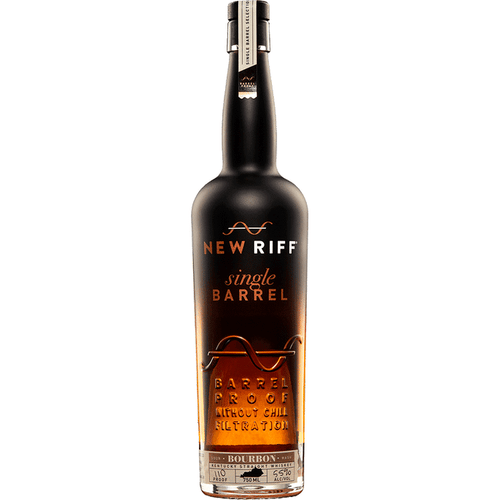
The bourbons that taste most like Four Roses are New Riff Single Barrel, Bulleit and 1792 Small Batch — each shares the floral, fruity, high-rye character of the Four Roses house style. New Riff is the closest match at 91% similarity ($54.99); 1792 Small Batch is the value pick at $34.09.

Bourbon Central's four-person panel blind-tasted six widely-available bourbons against a control pour of Four Roses Single Barrel. New Riff Single Barrel scored closest on Four Roses' floral, red-fruited, high-rye signature — 91% similarity, 8.8/10 — at $54.99, the same shelf price as the reference. Bulleit followed at 89%, and it is no accident: Four Roses distilled Bulleit Bourbon under contract for Diageo for years.

The pattern the panel kept seeing is that rye content, not brand, predicts the match. Four Roses' signature comes from its high-rye "B" mash bill (35% rye) and fruity yeast, so the closest bottles are other high-rye bourbons — New Riff, Bulleit, 1792 — while wheated bourbons like Weller and Maker's Mark taste nothing like it. Unlike an allocated bottle, Four Roses is easy to buy, so this page is about widening your shelf, not beating a waitlist.

Here is the full ranking, with proof, price, availability and panel score for each.

Key takeaways

  • New Riff Single Barrel is the closest match — 91% similarity, bottled in bond at 100 proof from a high-rye mash bill, at the same $54.99 shelf price as Four Roses Single Barrel.
  • Four Roses' signature comes from its high-rye "B" mash bill (35% rye) and fruity yeast, so the best matches are other high-rye bourbons — not wheated ones like Weller or Maker's Mark.
  • 1792 Small Batch is the cheapest credible match at $34.09, bottled at 93.7 proof.
  • Bulleit tastes like Four Roses for a concrete reason: Four Roses distilled Bulleit Bourbon under contract for Diageo for years.
  • Russell's Reserve 10 scored lowest on similarity (74%) but highest on quality (8.9) — a richer step up rather than a like-for-like swap.
  • Four Roses is widely available, so this list is about expanding your shelf, not beating an allocation.
The full ranking

Similarity is scored against a control pour of Four Roses Single Barrel on nose, palate and finish. Sort any column to re-rank the flight.

Bourbon Central panel ranking — bourbons closest to Four Roses Single Barrel — blind-tasted August 28, 2026 by a 4-person panel.
Bourbon Similarity to Four RosesBlind panel score Proof Avg. price750 mL Availability Panel score
Four Roses Single Barrel Reference 100% 100 $55Wide8.7/10
New Riff Single Barrel 91% 100 $55Wide8.8/10
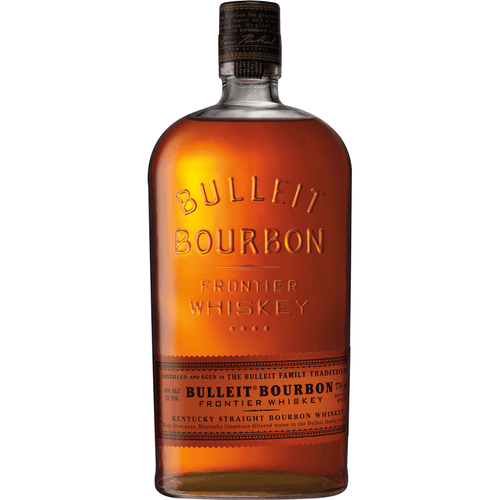
Bulleit Bourbon 89% 90 $37Wide8.5/10
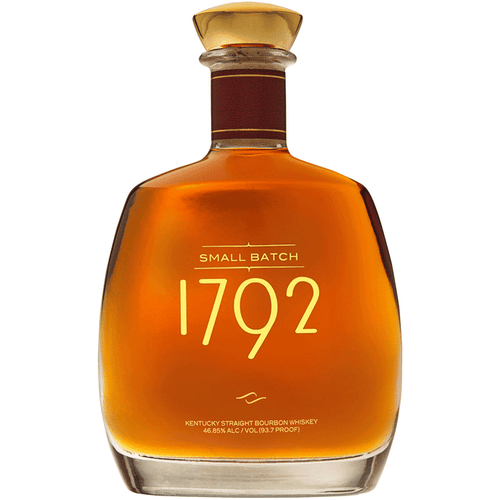
1792 Small Batch 84% 93.7 $34Wide8.4/10
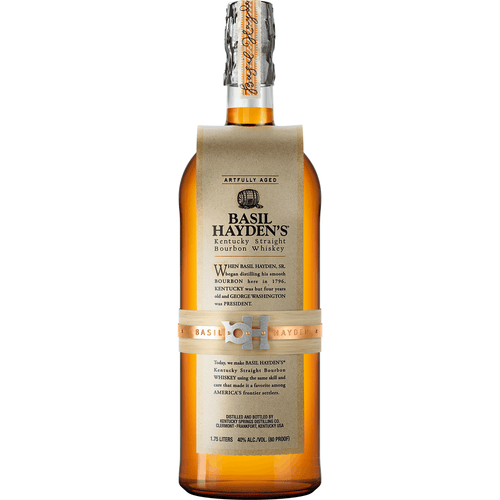
Basil Hayden 82% 80 $53Wide8.3/10
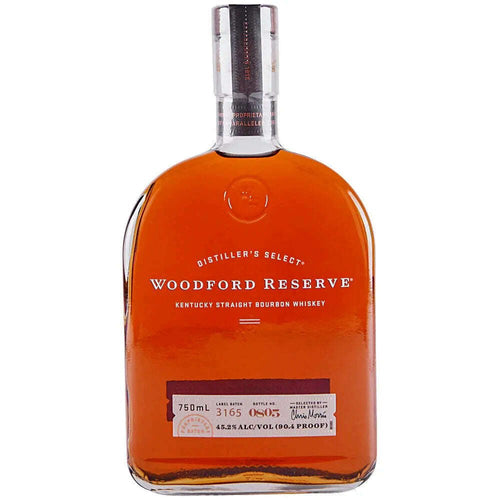
Woodford Reserve 80% 90.4 $45Wide8.6/10
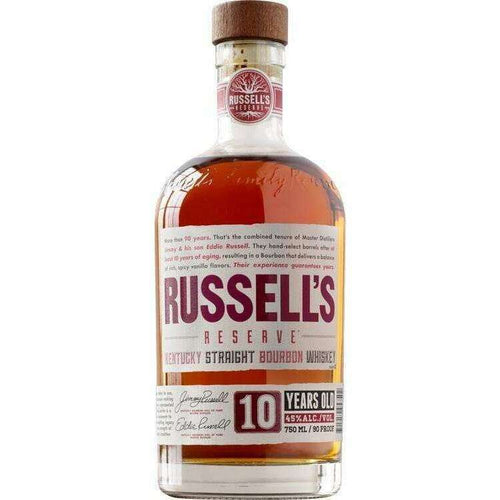
Russell's Reserve 10 Year 74% 90 $58Wide8.9/10

Scores are our panel's own. Prices are the median observed at retail and move constantly — the live price on each product page is authoritative. Similarity is scored against the reference bottle on nose, palate, finish and body, not on mash bill alone. Method: how we tested.

Cite this table

Free to reuse with attribution and a link back:

Nathan Cole. “Bourbons That Taste Like Four Roses (What to Pour Next).” Bourbon Central, September 2026. https://thebourboncentral.com/pages/bourbons-that-taste-like-four-roses

Every pick, and who it's actually for

1

What is the closest bourbon to Four Roses Single Barrel?

New Riff Single Barrel. It is a bottled-in-bond, 100-proof, high-rye single barrel — the same structure as Four Roses Single Barrel — and our panel put it at 91% similarity for the same $54.99 shelf price.

Similarity
91%
Proof
100
Avg. price
$54.99
Availability
Wide
Panel score
8.8/10

If you want a like-for-like swap for Four Roses Single Barrel, this is it. New Riff mashes roughly 30% rye (plus a slug of malted rye), bottles one barrel at a time, does it at bonded 100 proof, and leaves it non-chill-filtered. Every one of those decisions lines up with what makes Four Roses Single Barrel taste like itself: high rye for spice, single-barrel character for individuality, 100 proof for weight.

What the panel kept noting is that New Riff runs a shade greener and more mineral than Four Roses — Kentucky limestone water and younger, brighter oak, where Four Roses leans into soft red fruit. But the floral-and-pepper spine is unmistakably the same shape. Non-chill filtration gives it a slightly oilier texture than the reference, which most panellists counted in its favour.

It is the rare pick that matches Four Roses on price as well as profile, which is why it topped the flight.

Panel tasting note
Nose

Green herbs, clove, pear skin, a mineral lift over vanilla.

Palate

Peppery rye up front, then honey and baking spice; oilier than the reference.

Finish

Long, dry, spice-driven — the closest tail to Four Roses on the flight.

Who it’s for

Four Roses Single Barrel drinkers who want another true high-rye single barrel at the same price, and who like a bourbon with a little edge.

Who should skip it

Anyone who found Four Roses already too spicy — New Riff pushes the rye, not the fruit.

2

Does Bulleit taste like Four Roses?

More than any other bottle on this list, and for a concrete reason: Four Roses distilled Bulleit Bourbon under contract for Diageo for years. At 89% similarity and $37.09 it is the high-rye, floral-and-pepper profile at a daily-pour price.

Similarity
89%
Proof
90
Avg. price
$37.09
Availability
Wide
Panel score
8.5/10

This is the pick with a paper trail. For much of the 2000s and 2010s, the bourbon in a Bulleit bottle was made at Four Roses in Lawrenceburg, Kentucky under a supply contract — which is exactly why so many drinkers describe Bulleit as "Four Roses' spicier little brother." Diageo has since built its own Kentucky distillery and transitioned production, but the target profile Bulleit was built around is Four Roses' high-rye recipe.

In the glass it reads as a leaner, drier Four Roses: the same oaky-vanilla base and rye-pepper kick, with a touch less of the soft red fruit that Four Roses' fruity yeast strains bring. At 90 proof it is a hair below the Single Barrel's 100, which shows up as a slightly lighter body.

For an everyday bottle or a high-rye Old Fashioned, it delivers most of the Four Roses experience for two-thirds of the price.

Panel tasting note
Nose

Oak, black pepper, vanilla, a little dried orange.

Palate

Dry and spicy — rye pepper, toasted grain, light caramel.

Finish

Medium, clean, peppery; less fruit than the reference.

Who it’s for

Anyone who likes the Four Roses profile and wants a bottle they can pour nightly or mix without a second thought.

Who should skip it

Drinkers chasing Four Roses' fruit-forward, single-barrel richness — Bulleit is leaner and blended.

3

What is the cheapest bourbon that tastes like Four Roses?

1792 Small Batch, at $34.09. Barton's high-rye recipe and 93.7 proof land it at 84% similarity — the value answer for the Four Roses profile, with a slightly darker, spicier accent.

Similarity
84%
Proof
93.7
Avg. price
$34.09
Availability
Wide
Panel score
8.4/10

1792 comes out of the Barton 1792 distillery in Bardstown and is built on a higher-than-average rye content, which is why it shares Four Roses' peppery backbone. Bottled at 93.7 proof, it has real weight in the glass without needing water.

Against the reference it reads a little darker and more brown-sugar-forward than Four Roses' brighter floral-fruit signature — think cinnamon and cocoa where Four Roses gives pear and rose. The rye spice arrives earlier and hits a touch harder. Where it gives ground is complexity and length: Four Roses Single Barrel keeps unfolding, while 1792 makes its case quickly and cleanly.

For a sub-$35 daily bourbon that scratches the same high-rye itch, it is the easiest recommendation on the list.

Panel tasting note
Nose

Brown sugar, cinnamon bark, cocoa, a little orange oil.

Palate

Peppery and dry with dark caramel; spice arrives earlier than the reference.

Finish

Medium, warming, a touch more oak tannin than Four Roses.

Who it’s for

Anyone who wants the high-rye Four Roses shape in a bottle they can open on a Tuesday.

Who should skip it

Drinkers who love Four Roses specifically for its delicate floral side — 1792 is darker and spicier.

4

Is there a Four Roses alternative for someone who likes it delicate?

Basil Hayden. Built on a 27%-rye mash bill but bottled at just 80 proof, it matches Four Roses' floral, honeyed, gently spicy character while being even easier to sip — 82% similarity at $53.09.

Similarity
82%
Proof
80
Avg. price
$53.09
Availability
Wide
Panel score
8.3/10

Basil Hayden uses the Old Grand-Dad high-rye mash bill (around 27% rye) but is bottled at a deliberately gentle 80 proof, which makes it the softest, most aromatic bourbon on this flight. If what you love about Four Roses is the perfume — the rose, the honey, the light spice — rather than the punch, this is the closest match to that specific experience.

The trade-off is body. At 80 proof it is lighter and shorter than Four Roses Single Barrel's 100, and it lacks the mid-palate density that the extra twenty proof points give. Panellists split on this: some called it "Four Roses with the volume turned down," others wanted more grip.

It is the pick for new bourbon drinkers, and for anyone who reaches for Four Roses Yellow Label or Small Batch over the Single Barrel.

Panel tasting note
Nose

Honey, dried rose, light clove, soft vanilla.

Palate

Delicate and sweet — honey, gentle rye spice, a wisp of mint.

Finish

Short to medium, clean, easy; lighter than the reference.

Who it’s for

Drinkers who love Four Roses for its elegance and perfume, and anyone easing into bourbon at a friendly proof.

Who should skip it

Anyone who wants Four Roses' weight and length — at 80 proof this is deliberately lighter.

5

What if I want the fruity, floral side of Four Roses?

Woodford Reserve. It is lower in rye than Four Roses but is one of the most fruit-and-floral-forward bourbons on the shelf — dried fruit, cocoa, mint — so it captures the aromatic half of the Four Roses signature at 80% similarity.

Similarity
80%
Proof
90.4
Avg. price
$44.99
Availability
Wide
Panel score
8.6/10

Woodford runs a lower rye content than Four Roses (around 18%), so it will never match it on pure spice. What it does share — and share strongly — is the fruity, floral, almost dessert-like aromatic profile that makes Four Roses so recognisable. Woodford's marketing leans on its "flavour wheel" of dried fruit, spice, floral and cocoa notes, and in a blind pour those overlap noticeably with Four Roses' red-fruit-and-rose character.

At 90.4 proof it sits comfortably between Bulleit and the Single Barrel in weight. The panel scored it lower on similarity because the rye spice is muted, but higher on outright quality than several closer matches — it is a polished, well-integrated bourbon.

Reach for it if the Four Roses note you chase is the fruit and the flowers, not the pepper.

Panel tasting note
Nose

Dried fruit, cocoa, orange, a floral top note.

Palate

Rounded and fruity — toffee, dried cherry, mild spice, cocoa.

Finish

Medium, smooth, gently drying; less rye bite than the reference.

Who it’s for

Four Roses drinkers who are in it for the fruit and floral aromatics rather than the high-rye spice.

Who should skip it

Anyone matching Four Roses on rye pepper — Woodford is the softer, lower-rye direction.

6

What if I want something richer than Four Roses?

Russell's Reserve 10 Year. It is lower-rye and more caramel-and-oak driven than Four Roses, so at 74% it is the loosest match here — but at 8.9 it scored the highest quality on the flight. A step up in richness, not a like-for-like swap.

Similarity
74%
Proof
90
Avg. price
$57.99
Availability
Wide
Panel score
8.9/10

This is the pick that best illustrates the difference between similarity and quality. Russell's Reserve 10 is Wild Turkey's lower-rye recipe (around 13% rye), aged a full ten years and bottled at 90 proof. It does not chase Four Roses' floral, high-rye brightness — it goes the other way, into deep caramel, vanilla and seasoned oak with a warm baking-spice backbone.

The panel scored it lowest on likeness precisely because it is a different flavour direction. But it scored it highest on outright quality: it is the most complete, richest, most satisfying pour in the flight on its own terms.

Include it if you love Four Roses but occasionally want more weight and oak in the glass — just know you are trading the floral high-rye signature for depth.

Panel tasting note
Nose

Deep caramel, vanilla bean, seasoned oak, dried apple.

Palate

Rich and rounded — toffee, brown sugar, baking spice, mellow oak.

Finish

Long, warm, oak-forward; far less rye lift than the reference.

Who it’s for

Four Roses fans who sometimes want a richer, oakier, more caramel-driven bourbon of genuinely high quality.

Who should skip it

Anyone matching flavour to Four Roses — five other bottles here score higher on likeness.

What makes Four Roses taste the way it does?

Four Roses builds every bottling from ten distinct bourbon recipes — two mash bills crossed with five proprietary yeast strains. The floral, fruity, high-rye character people recognise comes mainly from its high-rye "B" mash bill (35% rye) and its fruit-forward yeasts.

No other major distillery works the way Four Roses does. It runs two mash bills — "B" at 60% corn / 35% rye / 5% malted barley, and "E" at 75% corn / 20% rye / 5% malted barley — and ferments each with one of five proprietary yeast strains, each chosen for a specific character (fruit, spice, floral, herbal, creamy). Cross the two mash bills with the five yeasts and you get ten recipes, each named with a four-letter code such as OBSV or OESK.

The house style most people mean by "tastes like Four Roses" is the high-rye, fruit-and-floral profile: pear and red berry from the yeast, rose and honey aromatics, and a clean rye-pepper spine. That is why the closest matches on our flight are other high-rye bourbons — the rye content and the fruity aromatics are doing most of the work.

10
Recipes Four Roses uses
Two mash bills crossed with five proprietary yeast strains, each with a four-letter recipe code.

Which Four Roses am I trying to match — Small Batch or Single Barrel?

Four Roses Single Barrel is the high-rye "B" mash bill (OBSV) at 100 proof — spicier and more intense. Four Roses Small Batch blends four recipes at 90 proof — softer and rounder. We used the Single Barrel as the control because it expresses the house style at full volume.

The two mainstream Four Roses expressions taste meaningfully different, so it is worth knowing which one you are chasing. Single Barrel is a single recipe — OBSV, the high-rye B mash bill with the delicate, fruity V yeast — bottled one barrel at a time at 100 proof. It is the spicier, more intense, more single-minded pour, and the one enthusiasts usually mean.

Small Batch (the Yellow Label's step up) blends four of the ten recipes at 90 proof for a softer, more balanced, everyday profile. If your Four Roses is the Small Batch or Yellow Label, lean toward the gentler matches here — Basil Hayden and Woodford. If it is the Single Barrel, New Riff and Bulleit are your bottles.

We scored the flight against the Single Barrel because it is the clearest statement of the Four Roses house style.

100 proof
Four Roses Single Barrel
Bottled from the single high-rye OBSV recipe, one barrel at a time.

Is Four Roses a high-rye bourbon?

Yes — its "B" mash bill is 35% rye, one of the highest rye contents in mainstream Kentucky bourbon, and even its "E" mash bill at 20% rye sits above the industry norm. That rye content is the single best predictor of which other bourbons will taste like it.

High-rye bourbon simply means a bourbon whose flavouring grain skews toward rye rather than wheat, usually anything above roughly 20% rye in the mash bill. Four Roses' B recipe, at 35% rye, is near the top of the mainstream range — higher than Buffalo Trace's mash bills, higher than Maker's Mark (which is wheated, with no rye at all), and comparable to the rye-forward recipes at New Riff and Bulleit.

This is why wheated bourbons like Weller and Maker's Mark do not belong on a Four Roses substitute list, and why the bottles that do belong all share a rye-forward mash bill. If you are shopping by spec, look for a rye content in the high 20s to mid 30s and a proof at or near 100, and you will land in Four Roses territory.

35%
Rye in the "B" mash bill
Among the highest rye contents in mainstream Kentucky bourbon; the E mash bill is 20%.

Frequently asked questions

What proof is Four Roses Single Barrel?

Four Roses Single Barrel is bottled at 100 proof (50% ABV) from the high-rye OBSV recipe. Four Roses Small Batch is 90 proof, Four Roses Bourbon (Yellow Label) is 80 proof, and the annual Small Batch Select is 104 proof.

What is Four Roses' mash bill?

Four Roses uses two mash bills: "B" at 60% corn, 35% rye and 5% malted barley, and "E" at 75% corn, 20% rye and 5% malted barley. Each is fermented with one of five proprietary yeast strains, producing ten recipes in total. Single Barrel is the OBSV recipe — the B (high-rye) mash bill with the fruity V yeast.

Is Four Roses a high-rye bourbon?

Yes. Its B mash bill is 35% rye, one of the highest rye contents in mainstream Kentucky bourbon, and its E mash bill is 20% rye. That rye-forward character is why the best flavour matches are other high-rye bourbons such as New Riff, Bulleit and 1792, rather than wheated bourbons like Weller or Maker's Mark.

Did Four Roses make Bulleit Bourbon?

For much of the 2000s and 2010s, the bourbon sold as Bulleit was distilled at Four Roses in Lawrenceburg, Kentucky under a supply contract with Diageo. Diageo has since built its own Kentucky distillery and moved production over, but Bulleit was built around the high-rye Four Roses profile — which is why the two taste so similar. Our panel scored the match at 89%.

What is the cheapest bourbon that tastes like Four Roses?

1792 Small Batch, at $34.09. It is bottled at 93.7 proof from Barton's high-rye recipe and scored 84% similarity in our blind tasting. Bulleit at $37.09 is the next step up and scored higher (89%).

Four Roses Small Batch vs Single Barrel — what's the difference?

Single Barrel is one recipe (the high-rye OBSV) bottled from an individual barrel at 100 proof — spicier and more intense. Small Batch blends four of Four Roses' ten recipes at 90 proof for a softer, rounder, more balanced pour. We used the Single Barrel as our control because it expresses the Four Roses house style at full strength.

Is Four Roses good for an Old Fashioned?

Yes — the high-rye Single Barrel and Small Batch both make an excellent, spice-forward Old Fashioned, and so do the rye-forward matches on this page such as Bulleit and 1792. If a cocktail is the goal, a $35 bottle like 1792 does the job without wasting a single barrel bottling.

Can I buy Four Roses online?

Yes — Bourbon Central stocks Four Roses Single Barrel and Four Roses Small Batch and ships them where local law allows. Standard Four Roses expressions are widely available; the annual Limited Edition Small Batch is allocated and sells out quickly.

Terms used on this page

Bourbon vocabulary, defined once so the rest of the page can move quickly.

Four Roses
Lawrenceburg, Kentucky distillery that builds its bourbons from ten recipes — two mash bills crossed with five proprietary yeast strains. Known for a floral, fruity, high-rye house style. Wikidata
Four Roses Single Barrel
Four Roses' flagship single-barrel bottling, made from the high-rye OBSV recipe at 100 proof. Used as the reference pour for this page. See our four roses single barrel selection →
High-rye bourbon
A bourbon whose flavouring grain skews toward rye — roughly 20% or more of the mash bill — giving pepper, clove and dry spice. Four Roses' B mash bill is 35% rye.
Mash bill
The grain recipe a whiskey is distilled from. Bourbon must be at least 51% corn; the rest is typically rye or wheat plus malted barley. Four Roses uses two mash bills, B (35% rye) and E (20% rye).
Bourbon
American whiskey distilled from at least 51% corn and aged in new charred oak containers. Straight bourbon must be aged at least two years with no added colouring or flavouring. See our bourbon selection →Wikidata
Rye whiskey
Whiskey distilled from at least 51% rye. Inside a bourbon mash bill, rye is the flavouring grain responsible for pepper, clove and dry spice on the finish. Wikidata
Single barrel whiskey
Whiskey bottled from one individual cask rather than blended from many, so each bottle reflects that barrel's character. Four Roses Single Barrel and New Riff Single Barrel are both single-barrel bottlings. Wikidata
Bulleit Bourbon
A high-rye Kentucky bourbon brand owned by Diageo. For years the liquid was distilled under contract at Four Roses, which is why the two share a profile.
Woodford Reserve
Brown-Forman's small-batch Kentucky bourbon, known for a fruit-, floral- and cocoa-forward profile. Bottled at 90.4 proof.
Wild Turkey
Lawrenceburg, Kentucky distillery behind Russell's Reserve. Its bourbon recipe is lower in rye (around 13%), favouring deep caramel, vanilla and oak.
How we tested

Our method, in the open

Every bourbon on this page was tasted blind, in a single sitting, against a control pour of Four Roses Single Barrel. Bottles were decanted into numbered Glencairn glasses by someone who did not participate in the scoring, poured at room temperature, and served in randomised order with the Four Roses control repeated in the flight as a consistency check.

Panellists scored each pour independently on aroma, palate and finish against the control, with no discussion until all scores were recorded. Palates were reset with water and unsalted crackers between pours, and the flight was capped so that fatigue could not skew the later samples.

Similarity percentages are the panel's mean match score against the control. Panel scores are mean quality ratings, judged on each bottle's own merits rather than as substitutes — which is why a bottle can score lower on similarity and higher on quality. Prices are the median we observed at retail; they move constantly, and the live price on each product page is the accurate one.

How the score is built

  • 30% Aroma match — How closely the nose tracks Four Roses across floral, red-fruit and rye-spice notes.
  • 35% Palate match — Mid-palate texture, fruit, sweetness and rye character measured against the control.
  • 20% Finish match — Length, dryness and the presence of Four Roses' spice-and-floral tail.
  • 15% Availability — Whether a drinker can reasonably buy it at retail. A bottle that cannot be found scores zero here regardless of flavour.

The panel

  • Nathan ColeHead of Whiskey SelectionCertified Bourbon Steward; more than a decade sourcing and evaluating American whiskey; samples 500+ whiskeys a year across single barrels, limited releases and shelf staples.
  • Sarah WhitfieldWhiskey EducatorCertified Bourbon Steward; leads bourbon education seminars and guided tastings; extensive experience explaining production methods and flavor profiles to consumers.
  • Michael DonovanSpirits JudgeJudge at regional and national spirits competitions; evaluates whiskey using standardized sensory analysis; 12+ years in the beverage industry.
  • Ryan MitchellSingle Barrel SpecialistOversees private barrel selections for retailers and whiskey clubs; evaluates hundreds of barrel samples annually; specializes in identifying unique flavor profiles.
Disclosure. Bourbon Central sells every bottle ranked on this page, including Four Roses itself, the reference bottle — so we have a commercial interest in it. Panellists scored blind and did not know which bottles were in the flight. Nothing here was paid for by a brand, and no distillery reviewed this page before publication.

Update log

  • — First publication. Six widely-available bourbons ranked against a Four Roses Single Barrel control.