
Buying guide - Chianti under $20

Best Chianti Under $20 (2026)

What is the best Chianti under $20?
Short answer

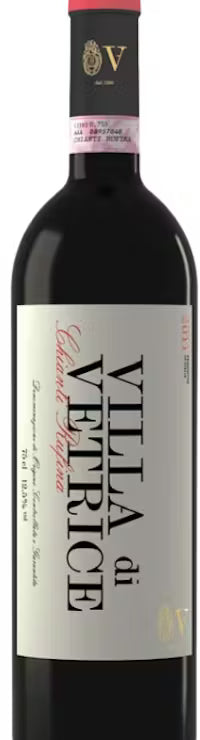
The best Chianti under $20 is Villa di Vetrice Chianti Rufina Riserva at $10.99 - a Riserva from the coolest, highest subzone in the Chianti system, with more structure and a longer life than anything else at the price. San Felice Chianti Classico ($14.99) is the best straightforward Classico, and Melini La Selvanella ($12.99) is the most serious wine here.

Chianti under $20 is one of the last genuinely good deals in European wine, but only if you can read the label - because four different words on the bottle all look like they mean 'better' and none of them quite does.

Buy Villa di Vetrice Chianti Rufina Riserva ($10.99) if you want the most wine per dollar on the page. Rufina is the coolest and highest subzone in the Chianti system and has never commanded the premium the Classico name does, so a Riserva from there costs what entry-level Chianti costs.

Buy San Felice Chianti Classico ($14.99) if you want the reference bottle - the black rooster style with nothing editorialised. Buy Melini La Selvanella ($12.99) if you want the most structured wine here and are prepared to give it food.

Key takeaways

  • Villa di Vetrice Chianti Rufina Riserva ($10.99) is the best value on the page: a Riserva from the best subzone, at entry-level Chianti money.
  • Chianti Classico is a different place, not a better grade - a separate DOCG with its own rulebook and the black rooster seal.
  • Riserva buys twenty-four months of cellar time before release. It says nothing about fruit quality or vineyard site.
  • Rufina is the subzone worth learning: highest, coolest, most structured, and consistently underpriced against Classico.
  • San Felice Chianti Classico ($14.99) is the reference bottle if you have never bought Classico deliberately.
  • Plain Chianti DOCG at around $11 is genuinely good now in a way it was not a generation ago - drink it within two years.
  • Serve Chianti at about 60°F. Warm Sangiovese tastes sour and hot at once, and that is why people think they dislike it.
  • Gran Selezione is the only tier that regulates the vineyard rather than the calendar - but nothing in that tier lands under $20.
Eight Chiantis under $20, lightest to most structured

The weight index describes how light or structured each wine is relative to the others on this page. It is our own editorial judgement and it is not a quality score - a 3/10 is not worse than an 8/10, it is a different bottle for a different evening.

Bourbon Central weight index - best Chianti under $20 .
Wine What the label says WeightEditorial index, 1-10 Price750 mL Drink window
Villa di Vetrice Chianti Rufina Riserva Chianti Rufina Riserva 7/10 $10.99Now to 6 years
Melini La Selvanella Chianti Classico Riserva Chianti Classico Riserva 8/10 $12.99Now to 8 years
San Felice Chianti Classico Chianti Classico 6/10 $14.99Now to 5 years
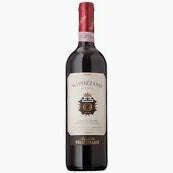
Frescobaldi Nipozzano Chianti Rufina Riserva Chianti Rufina Riserva 7/10 $15.99Now to 8 years
Rodano Chianti Classico Chianti Classico 6/10 $16.99Now to 5 years
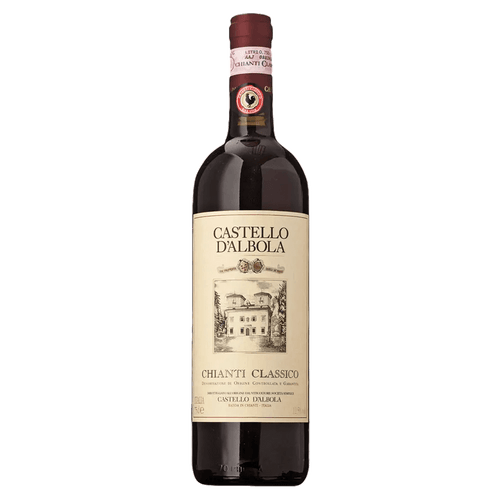
Castello d'Albola Chianti Classico Chianti Classico 6/10 $17.99Now to 4 years
Salcheto Chianti Colli Senesi Chianti Colli Senesi DOCG 4/10 $10.99Now to 3 years
Antica Torre Chianti Chianti DOCG 3/10 $10.99Now to 2 years

*Drink windows are our estimates and assume reasonable storage. The label tier column reports what the appellation permits the producer to print, not a quality judgement. Prices are live at publication and change. Method: how we tested.

Cite this table

Free to reuse with attribution and a link back:

Bourbon Central. “Best Chianti Under $20 (2026).” Bourbon Central, September 2026. https://thebourboncentral.com/pages/best-chianti-under-20

Every bottle, and who it is for

1

Is Villa di Vetrice Chianti Rufina Riserva a good Chianti under $20?

Villa di Vetrice Chianti Rufina Riserva is Chianti Rufina Riserva at $10.99, 7/10 on our weight index. Anyone who wants the most wine per dollar on this page.

Proof
Chianti Rufina Riserva
Avg. price
$10.99

This is the best-value bottle in Tuscan wine right now and it is not close. Rufina is the coolest, highest subzone in the Chianti system, east of Florence, and it makes the most structured and longest-lived wine of any Chianti outside the Classico zone. Villa di Vetrice is the estate most associated with that argument.

What is in the glass is sour cherry and dried herb over a genuinely savoury, almost iron-like core, with acidity that stays upright and tannins that are firm rather than soft. It tastes like a bottle that costs twice as much, because the Rufina name has never commanded the premium the Classico name does.

It is also a Riserva, so it has already had two years before release. Open it now with something braised, or leave it five years and it will still be improving.

Who it’s for

Anyone who wants the most wine per dollar on this page.

Who should skip it

Anyone who wants soft, plush, low-acid red wine.

2

Is Melini La Selvanella Chianti Classico Riserva a good Chianti under $20?

Melini La Selvanella Chianti Classico Riserva is Chianti Classico Riserva at $12.99, 8/10 on our weight index. Drinkers who want structure and are willing to give the bottle food.

Proof
Chianti Classico Riserva
Avg. price
$12.99

A single-vineyard Chianti Classico Riserva priced below most straight Classico, which is a pricing anomaly rather than a quality one. La Selvanella is a named site in Radda, one of the higher and cooler communes in the Classico zone.

Expect the most serious wine on this page: dark cherry rather than red, dried rose and tobacco, firm tannin and a long dry finish. It is the least immediately charming bottle here and the one most likely to reward a decanter and a plate of food.

If you are buying one bottle to find out what Chianti can do rather than what it usually does, buy this one.

Who it’s for

Drinkers who want structure and are willing to give the bottle food.

Who should skip it

Drinking on its own without food. It will read as severe.

3

Is San Felice Chianti Classico a good Chianti under $20?

San Felice Chianti Classico is Chianti Classico at $14.99, 6/10 on our weight index. The reference bottle if you have never bought Chianti Classico deliberately.

Proof
Chianti Classico
Avg. price
$14.99

The most textbook Chianti Classico under $15 we stock. San Felice sits in Castelnuovo Berardenga at the southern end of the zone, and the wine is the regional house style without editorial: red cherry, violet, a little leather, clean acidity and a dusty tannin that dries the finish.

It does nothing unexpected, which is exactly the point. If you want to know what the black rooster is supposed to taste like before you spend more, this is the reference bottle.

It is also the most food-flexible wine on this page. Pizza, ragu, roast chicken, hard cheese - it does not fight any of them.

Who it’s for

The reference bottle if you have never bought Chianti Classico deliberately.

Who should skip it

Anyone looking for a wine that surprises them.

4

Is Frescobaldi Nipozzano Chianti Rufina Riserva a good Chianti under $20?

Frescobaldi Nipozzano Chianti Rufina Riserva is Chianti Rufina Riserva at $15.99, 7/10 on our weight index. Anyone who wants Rufina with polish, and a bottle to cellar.

Proof
Chianti Rufina Riserva
Avg. price
$15.99

The benchmark Rufina, from an estate the Frescobaldi family has held since the fourteenth century. It is more polished than the Villa di Vetrice and slightly more international in style, with noticeable oak alongside the cherry and dried herb.

That polish is what the extra five dollars buys. Some drinkers prefer it; others find the Villa di Vetrice more honestly Rufina. Both arguments are defensible and the two bottles together make the most interesting side-by-side on this page.

It ages well. Eight years is realistic, and the fifth is usually better than the first.

Who it’s for

Anyone who wants Rufina with polish, and a bottle to cellar.

Who should skip it

Drinkers who dislike obvious oak.

5

Is Rodano Chianti Classico a good Chianti under $20?

Rodano Chianti Classico is Chianti Classico at $16.99, 6/10 on our weight index. Drinkers who already like savoury, high-acid Sangiovese.

Proof
Chianti Classico
Avg. price
$16.99

A traditionalist Classico from Castellina, made in a style that has not chased the international palate. Higher acid, leaner fruit, more obvious savouriness, less new oak.

It is the bottle on this page most likely to read as austere on its own and most likely to come alive next to food. If your reaction to a first glass is 'this is a bit thin', open it with a steak and try again.

Good value for anyone who already knows they like the savoury end of Sangiovese.

Who it’s for

Drinkers who already like savoury, high-acid Sangiovese.

Who should skip it

Newcomers to Sangiovese - start one rung softer.

6

Is Castello d'Albola Chianti Classico a good Chianti under $20?

Castello d'Albola Chianti Classico is Chianti Classico at $17.99, 6/10 on our weight index. A table of people who are not thinking about wine.

Proof
Chianti Classico
Avg. price
$17.99

From a large Radda estate at relatively high altitude, and it shows: bright red fruit, sharp acidity, a lighter body than most Classico at this money.

This is the most immediately drinkable Classico here, which makes it the best choice if the bottle is going on a table with people who are not thinking about wine. It is also the one to serve slightly cooler - around 58 to 60 degrees - to keep the fruit lifted.

Drink it inside four years. It is not built for the long haul and does not pretend to be.

Who it’s for

A table of people who are not thinking about wine.

Who should skip it

Cellaring. Drink it young.

7

Is Salcheto Chianti Colli Senesi a good Chianti under $20?

Salcheto Chianti Colli Senesi is Chianti Colli Senesi DOCG at $10.99, 4/10 on our weight index. Weeknight drinking, and anyone curious about the subzones.

Proof
Chianti Colli Senesi DOCG
Avg. price
$10.99

Colli Senesi is the subzone in the hills around Siena, and Salcheto is a Montepulciano producer with a serious sustainability record. At the same price as generic Chianti you get a wine with an actual address.

Lighter and fresher than anything above it on this page: bright sour cherry, a herbal snap, moderate tannin, short clean finish. It is a weeknight bottle rather than an occasion bottle and it is very good at that job.

Serve it cool. It is the one wine here that genuinely improves with twenty minutes in the fridge.

Who it’s for

Weeknight drinking, and anyone curious about the subzones.

Who should skip it

An occasion, or anything that needs a big wine.

8

Is Antica Torre Chianti a good Chianti under $20?

Antica Torre Chianti is Chianti DOCG at $10.99, 3/10 on our weight index. The everyday bottle. Pizza, pasta, no ceremony.

Proof
Chianti DOCG
Avg. price
$10.99

Plain Chianti DOCG at the bottom of the price range, and a fair demonstration of how much the generic end of the appellation has improved. Clean, bright, uncomplicated red-cherry Sangiovese with enough acidity to do its job at the table.

There is no structure to speak of and nothing to think about, which is not a criticism of a bottle at this price. It is the Tuesday wine, and the fact that a Tuesday wine from Chianti is now reliably decent is the real story of the last twenty years in the region.

Drink it within two years of purchase and do not decant it.

Who it’s for

The everyday bottle. Pizza, pasta, no ceremony.

Who should skip it

Anyone wanting to taste what Chianti is capable of.

What is Chianti?

Chianti is a Tuscan red wine made principally from Sangiovese. Plain Chianti DOCG requires at least 70% Sangiovese; Chianti Classico is a separate DOCG covering the historic zone between Florence and Siena and requires at least 80%.

Every Chianti is Sangiovese from Tuscany. What changes between bottles is altitude, yield and how long the wine was held before release - and every extra word on the label encodes one of those three.

The house style is consistent across the whole range: sour red cherry, dried herbs, a savoury earthiness underneath, firm acidity and drying tannin. It is a food wine by construction. The acidity that can feel austere in a glass on its own is exactly what makes it work with tomato, olive oil and cured pork.

Is Chianti Classico better than Chianti?

Not automatically. Chianti Classico is a different place with a stricter rulebook, not an upgraded grade of Chianti. At the same price it usually is better; a good subzone Chianti beats an indifferent Classico.

Chianti Classico has been its own DOCG since 1996. It covers the original historic zone, requires a minimum of 80% Sangiovese, has banned white grapes since 2006, demands twelve months of ageing, and carries the black rooster - the Gallo Nero - on the neck.

The zone is hillier and stonier than the flatter land outside it, so the wines are usually tighter and more structured. But the rooster is a map reference rather than a quality seal, and the Rufina subzone in particular produces wine that outperforms its price against Classico regularly.

What does Riserva mean on a Chianti label?

Time, not fruit. Chianti Classico Riserva must be held twenty-four months before release, at least three of them in bottle. That is the entire requirement - it says nothing about vineyard site or grape quality.

Most producers do put their better parcels into the Riserva, so the correlation between the word and the quality is real. But it is a habit rather than a rule, and the price premium is charged either way.

The practical consequence: if you are drinking the bottle tonight, a good Classico is usually a better buy than a mediocre Riserva. Riserva earns the money when you are giving the wine several years, or serving it with something substantial enough to need the structure.

Which subzone should I look for?

Rufina. It is the coolest and highest part of the Chianti system, east of Florence, and it makes the most structured and age-worthy Chianti outside the Classico zone - at prices that have never caught up.

Seven named subzones sit inside Chianti DOCG and almost nobody recognises them, which is precisely why they are underpriced. Colli Senesi covers the hills around Siena and produces lighter, fresher wine. Colli Fiorentini sits nearer Florence.

Rufina is the one worth learning. Higher altitude means later ripening, higher acidity and wines that actually improve in bottle. Two of the eight wines on this page are Rufina, and one of them is the top pick.

Does Chianti under $20 age?

Some of it does. The Riserva bottles on this page have five to eight years of improvement in them. Plain Chianti DOCG does not - drink it within two years.

Ageing potential in Chianti tracks acidity and tannin, and both track altitude and yield. That is why the Rufina and Classico Riserva bottles here carry realistic six- to eight-year windows while the entry-level bottles do not.

If you want one under-$20 Chianti to put away, make it a Rufina Riserva. If you want one to open on a Tuesday, the ageing question does not apply and you should not pay for structure you are not going to use.

Frequently asked questions

What is the best Chianti under $20?

Villa di Vetrice Chianti Rufina Riserva at $10.99 is the best Chianti under $20 on our shelf. It is a Riserva from Rufina, the coolest and highest subzone in the Chianti system, which gives it more structure and a longer life than almost anything else at the price. San Felice Chianti Classico at $14.99 is the best straightforward Classico.

Is Chianti Classico worth the extra money over regular Chianti?

Usually, but not automatically. Chianti Classico is a separate DOCG covering a hillier, stonier zone, with a higher Sangiovese minimum and a twelve-month ageing requirement, so the wines tend to be tighter and more structured. The exception is the Rufina subzone, which regularly outperforms entry-level Classico at a lower price because the name carries no premium.

What does Riserva mean on Chianti?

It means the wine was held longer before release - twenty-four months for Chianti Classico Riserva, of which at least three must be in bottle. It is a rule about time, not about fruit quality or vineyard site. Most producers do use their better parcels for Riserva, but nothing requires them to, and you pay the premium either way.

What grape is Chianti made from?

Sangiovese. Plain Chianti DOCG requires a minimum of 70% Sangiovese with up to 30% of other permitted varieties; Chianti Classico requires at least 80% and has prohibited white grapes since 2006. Chianti Classico Gran Selezione, the top tier, requires at least 90% Sangiovese with the balance restricted to native Tuscan varieties.

What should I eat with Chianti?

Anything with tomato, olive oil, cured pork or hard cheese. Chianti's high acidity is what makes those pairings work, and it is the reason the clichés survive. Entry-level bottles want pizza, ragu or roast chicken; Classico wants steak or mushroom risotto; Riserva wants something braised with fat and time in it.

What temperature should Chianti be served at?

Around 60°F, which is cooler than most rooms. Warm Sangiovese reads as sour and hot at the same time, and serving it at true room temperature is the single most common reason people conclude they dislike Chianti. Twenty minutes in the fridge before opening is usually the whole fix.

Terms used on this page

The Chianti vocabulary, defined once so the rest of the page can move quickly.

Sangiovese
The thin-skinned, high-acid, late-ripening red grape behind every Chianti. It gives the wine its sour cherry fruit, dried-herb savouriness, firm acidity and drying tannin.
DOCG
Denominazione di Origine Controllata e Garantita, the top tier of Italian wine law. It fixes the permitted grapes, yields, minimum ageing and boundaries for a named wine. Chianti and Chianti Classico are two separate DOCGs.
Chianti Classico
A separate DOCG since 1996 covering the historic zone between Florence and Siena. Minimum 80% Sangiovese, no white grapes since 2006, twelve months' ageing, and the Gallo Nero black rooster seal on the neck.
Riserva
A Chianti held twenty-four months before release, at least three of them in bottle. A rule about time rather than about fruit quality or vineyard site.
Gran Selezione
The top tier of Chianti Classico, created in 2014 and tightened in 2023: estate-grown fruit only, thirty months' ageing, minimum 90% Sangiovese, and eligibility for the eleven named village designations.
Rufina
The coolest and highest subzone of Chianti DOCG, east of Florence. Later ripening and higher acidity produce the most structured and age-worthy Chianti made outside the Classico zone, at consistently lower prices.
Weight index
The 1-10 scale used on this page to compare how light or structured each bottle is relative to the others. It is an editorial judgement by Bourbon Central, not a measured value and not a quality score.
How we tested

How this guide was built

This is an editorial buying guide, not a blind tasting. We have not run a scored panel on these bottles, and this page deliberately carries no tasting scores - the ranking is by value at the price, and the index on the table is a weight index, which describes how light or structured a wine is rather than how good it is.

What it is built from: every Chianti we stock under $20 with a live price and current availability, read against the appellation rules that govern what each label tier is allowed to mean. Appellation requirements are as published by the Consorzio Vino Chianti and the Consorzio Vino Chianti Classico. Drink windows are our estimates and assume reasonable storage. Prices are live at the time of publication and change.

Every bottle named on this page is one we sell, which is a commercial interest you should weigh. Where a bottle is a poor fit for a particular reader we have said so rather than leaving it off the page.

Disclosure. Bourbon Central sells every bottle on this page, so weigh this guide knowing we have a commercial interest in it. This page carries no tasting scores because we did not run a scored panel on these bottles; the table ranks them by weight, which is descriptive. Where a bottle is wrong for a particular reader, we have said so.

Sources

  1. Consorzio Vino Chianti Classico — Consorzio Vino Chianti Classico
  2. Consorzio Vino Chianti — Consorzio Vino Chianti
  3. Castello di Nipozzano — Marchesi Frescobaldi

Update log

  • — First publication. Eight Chiantis under $20 in stock, ordered on an editorial weight index. No panel scores - see methodology.