
Buying guide - Amaro, ranked by bitterness

Best Amaro for Beginners (2026)

What is the best amaro for a beginner?
Short answer

The best amaro for a beginner is Ramazzotti at $26.99 - the gentlest bottle on our shelf, with cola and orange peel in front of a mild bitter finish. Amaro Lucano ($37.99) is the best all-rounder if you also want to mix with it, and Amaro Nonino ($54.99) is the one worth saving for. Avoid Fernet-Branca until you know you like bitter.

Amaro is not one flavour, it is a range - and almost everyone who says they dislike it was handed a bottle from the hard end of that range. This guide orders the eight amari we stock from gentlest to hardest on a 1-10 bitterness index, so you can start in the right place.

Start with Ramazzotti (3/10, $26.99) if you want the easiest possible introduction, or Amaro Lucano (4/10, $37.99) if you want one bottle that is good neat and good in cocktails. Both are gentle enough that the bitterness reads as structure rather than a dare.

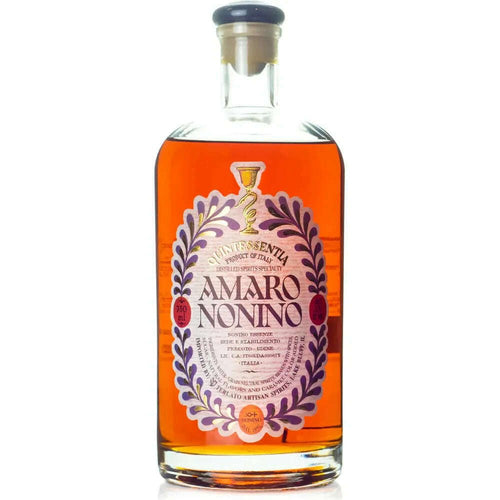
Amaro Nonino (4/10, $54.99) is the best bottle here and the one that makes a Paper Plane work, but it is the most expensive. Fernet-Branca (9/10) is on this page as a warning, not a recommendation: buy it fourth.

Key takeaways

  • Amaro is a range, not a flavour - our shelf runs from 3/10 to 9/10 on bitterness, and most people who 'dislike amaro' were handed something from the hard end.
  • Ramazzotti ($26.99) is the best first bottle: cola and orange peel, a mild finish, nothing challenging.
  • Amaro Lucano ($37.99) is the best all-rounder - good neat, and the most versatile mixer of the gentle bottles.
  • Amaro Nonino ($54.99) is the quality pick and the bottle the Paper Plane is built around, but it is the priciest here.
  • Aperitivo before food, digestivo after - buying the wrong one is the commonest reason a bottle goes unfinished.
  • Serve it cold in a small glass, or over ice with an orange twist. Neat at room temperature is the hardest serve and the worst introduction.
  • Amaro does not spoil once opened - unlike vermouth, it needs no refrigeration and keeps for years.
  • Fernet-Branca (9/10) is not a beginner bottle. Buy it fourth, and use it two dashes at a time.
The bitterness ladder

Eight amari ordered from gentlest to hardest. The bitterness index is our own editorial judgement, made so these eight can be compared against each other - there is no standard scale for amaro bitterness and no producer publishes one.

Bourbon Central bitterness index - best amaro for beginners .
Amaro BitternessEditorial index, 1-10 ABV Price750 mL Best first drink
Ramazzotti Amaro 3/10 30% $26.99Over ice with orange
Caffo Vecchio del Capo 3/10 35% $27.99Neat, from the freezer
Amaro Lucano 4/10 28% $37.99Black Manhattan
Amaro Nonino Quintessentia 4/10 35% $54.99Paper Plane
Amaro Montenegro 5/10 23% $42.99Neat, then Paper Plane
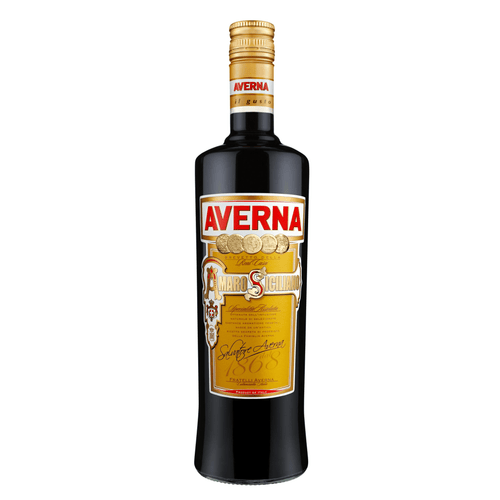
Averna Amaro 5/10 29% $39.99Black Manhattan
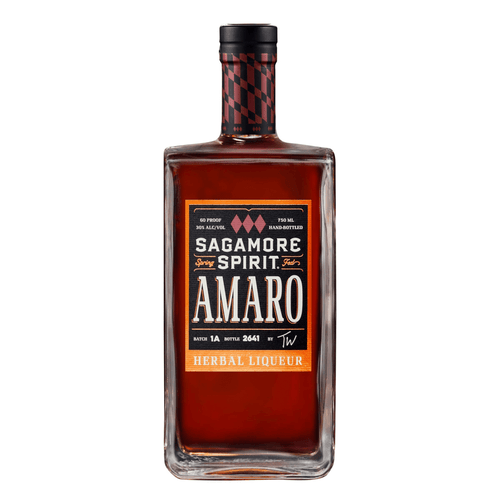
Sagamore Spirit Reserve Amaro 6/10 35% $34.99Black Manhattan
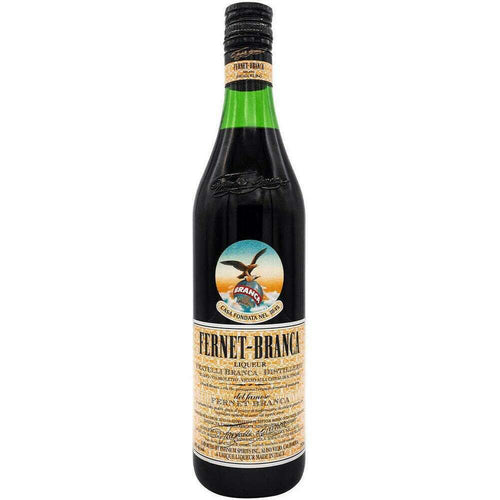
Fernet-Branca 9/10 39% $39.99Hanky Panky (2 dashes)

*The bitterness index is descriptive, not a quality score. A 9/10 is not worse than a 3/10; it is harder to start with. ABV is as stated by the producer. Prices are live at publication and change. Method: how we tested.

Cite this table

Free to reuse with attribution and a link back:

Bourbon Central. “Best Amaro for Beginners (2026).” Bourbon Central, September 2026. https://thebourboncentral.com/pages/best-amaro-for-beginners

Every bottle, and who it is for

1

Is Ramazzotti Amaro a good amaro for a beginner?

Ramazzotti Amaro rates 3/10 on our bitterness index at 30% ABV, $26.99. Anyone buying their first bottle of amaro.

Proof
30%
Avg. price
$26.99

Ramazzotti is the amaro to buy if you are not yet sure you like amaro. Made in Milan since 1815 from a recipe of around 33 botanicals, it leads with cola, orange peel and a little star anise, and the bitter finish arrives late and politely. Nothing about it is challenging.

That gentleness is the point. It gives you the shape of the category - sweet arrival, herbal middle, bitter close - without the gentian slap that puts people off Fernet or Campari. Drink it over ice with a wedge of orange, or top it with soda for something closer to an aperitivo.

It also makes the most forgiving Black Manhattan of any bottle here, because it will not overpower the whiskey. If you buy one amaro in your life, the odds are good this is the one you finish.

Who it’s for

Anyone buying their first bottle of amaro.

Who should skip it

Anyone who already finds Campari too tame.

2

Is Caffo Vecchio del Capo a good amaro for a beginner?

Caffo Vecchio del Capo rates 3/10 on our bitterness index at 35% ABV, $27.99. Someone who wants a freezer bottle, not a cocktail project.

Proof
35%
Avg. price
$27.99

Vecchio del Capo is the Calabrian answer to the question 'what if amaro were easy?' It is sweeter and mintier than almost anything else in the category, with liquorice, eucalyptus and citrus over a soft bitter base.

The traditional serve is straight from the freezer, in a small glass, after food - and served that cold the sweetness tightens up and the mint does the work. At room temperature it can read as slightly confected; chilled hard it is excellent.

This is a habit bottle rather than a cocktail bottle. It does not have a classic drink built around it, and it does not need one.

Who it’s for

Someone who wants a freezer bottle, not a cocktail project.

Who should skip it

Anyone who dislikes mint or sweetness.

3

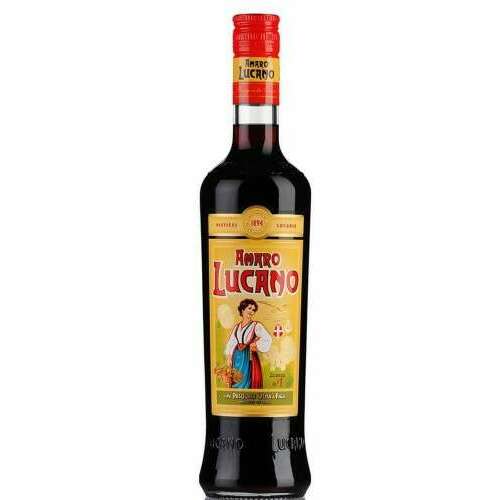
Is Amaro Lucano a good amaro for a beginner?

Amaro Lucano rates 4/10 on our bitterness index at 28% ABV, $37.99. The best all-round first bottle if you want one that also mixes.

Proof
28%
Avg. price
$37.99

Amaro Lucano sits in the middle of the beginner range and is arguably the best-balanced bottle on this page. Made in Basilicata since 1894, it is drier than Ramazzotti and more herbal - bitter orange, wormwood, a little sage - without ever getting aggressive.

It is the bottle that most reliably converts someone from 'amaro is medicine' to 'I understand what this is for.' The bitterness is present enough to be the point, restrained enough not to be a dare.

It is also the most versatile mixer here. It makes a clean Black Manhattan, it works in a Paper Plane when you do not want to open the Nonino, and it is good neat.

Who it’s for

The best all-round first bottle if you want one that also mixes.

Who should skip it

Drinkers chasing the hard, medicinal end of the category.

4

Is Amaro Nonino Quintessentia a good amaro for a beginner?

Amaro Nonino Quintessentia rates 4/10 on our bitterness index at 35% ABV, $54.99. Paper Plane drinkers, and anyone who liked amaro and wants the good version.

Proof
35%
Avg. price
$54.99

Nonino is the outlier and the one worth the money. Where most amari are built on a neutral spirit, Quintessentia is built on Nonino's own grappa and aged in barriques - and the result tastes more like a dry sherry or a light brandy than a digestif.

Apricot, orange oil, honey, a touch of oak, and a bitter finish that is more suggestion than statement. It is the least bitter amaro here by feel, even though it is not the sweetest.

It is also the single ingredient that makes the Paper Plane work, which is the reason most people buy it. If you already know you like amaro and want to understand how good the category gets, this is the bottle.

Who it’s for

Paper Plane drinkers, and anyone who liked amaro and wants the good version.

Who should skip it

Anyone on a budget - it is the most expensive bottle here.

5

Is Amaro Montenegro a good amaro for a beginner?

Amaro Montenegro rates 5/10 on our bitterness index at 23% ABV, $42.99. Drinkers who like floral, orange-forward flavours.

Proof
23%
Avg. price
$42.99

Montenegro is the floral one. Forty botanicals, a distinctly orange-and-rose-petal nose, and a bitterness that arrives in the middle of the sip rather than at the end. At 23% it is the lowest-proof bottle on this page, which makes it easy to drink and easy to over-pour.

People tend to feel strongly about it in one direction or the other. The floral character is either the most attractive thing in the category or faintly soapy, and there is not much middle ground.

Try it neat before you commit to a cocktail with it. If you like it neat, it makes an excellent, slightly sweeter Paper Plane.

Who it’s for

Drinkers who like floral, orange-forward flavours.

Who should skip it

Anyone who finds floral flavours soapy.

6

Is Averna Amaro a good amaro for a beginner?

Averna Amaro rates 5/10 on our bitterness index at 29% ABV, $39.99. Black Manhattan builders and after-dinner drinkers.

Proof
29%
Avg. price
$39.99

Averna is the classic Sicilian digestivo and the traditional call for a Black Manhattan. Caramel, liquorice, dried fig and burnt orange, with a genuinely bitter finish that separates it from the gentler bottles above.

This is where the category starts asking something of you. It is noticeably darker and heavier than Lucano or Ramazzotti, and it is better after a meal than before one.

Stock on it runs thin. If it is unavailable, Lucano is the closest available substitute for cocktails, though it is lighter.

Who it’s for

Black Manhattan builders and after-dinner drinkers.

Who should skip it

First-time buyers. Start one step lighter.

7

Is Sagamore Spirit Reserve Amaro a good amaro for a beginner?

Sagamore Spirit Reserve Amaro rates 6/10 on our bitterness index at 35% ABV, $34.99. American whiskey drinkers approaching amaro for the first time.

Proof
35%
Avg. price
$34.99

The American entry, from a Maryland rye distillery, and it behaves differently from the Italians. Finished in rye whiskey barrels, it brings baking spice and oak to a category that usually leans on roots and citrus.

Bitterness is moderate but drier than the Italian bottles - less sugar to cushion it. For an American whiskey drinker curious about amaro, this is probably the most natural entry point on the whole page, because the barrel character is already familiar.

It makes a Black Manhattan that tastes deliberate rather than adapted.

Who it’s for

American whiskey drinkers approaching amaro for the first time.

Who should skip it

Drinkers who want the classic Italian profile.

8

Is Fernet-Branca a good amaro for a beginner?

Fernet-Branca rates 9/10 on our bitterness index at 39% ABV, $39.99. Not beginners. Buy it fourth, once you know you like bitter.

Proof
39%
Avg. price
$39.99

Fernet-Branca is not a beginner bottle and it is on this page so you know what you are avoiding, and why you might eventually want it. Menthol, saffron, myrrh, bitter bark, 78 proof, and almost no sugar to soften any of it.

The first sip is genuinely unpleasant for most people. The category term for what happens next is 'acquired taste,' and it is accurate - a meaningful number of people who hate it at first end up keeping a bottle permanently.

Buy it last, not first. Use it as a seasoning: two dashes in a gin and sweet vermouth makes a Hanky Panky, and that is the drink that explains the bottle.

Who it’s for

Not beginners. Buy it fourth, once you know you like bitter.

Who should skip it

Beginners, unreservedly.

What is amaro?

Amaro is a category of Italian bittersweet herbal liqueur, usually 16-40% ABV, made by infusing a base spirit with roots, barks, citrus peel and herbs, then sweetening it. 'Amaro' simply means 'bitter' in Italian.

There is no legal definition of amaro and no single recipe. What the bottles share is a method: macerate bitter botanicals in alcohol, sweeten the result, sometimes age it. The bitterness usually comes from gentian root, wormwood, cinchona bark or bitter orange peel.

Because the category is undefined, the range inside it is enormous - from 23% ABV and barely bitter to 39% and aggressively medicinal. That is why 'I don't like amaro' is rarely true; it usually means someone was handed one specific bottle at the hard end.

How bitter is amaro, really?

It varies more than any other spirits category. The gentlest bottles read as slightly bitter cola; the hardest are genuinely medicinal. The bitterness index on this page rates the shelf from 3/10 to 9/10.

Bitterness in amaro is not measured the way ABV is - there is no standard scale and no producer publishes one. The index on this page is our own editorial judgement, made to let you compare bottles against each other rather than against an absolute.

Two things shift the perception more than the recipe does: sugar and temperature. A sweeter amaro reads as less bitter even when it is not, and any amaro served very cold reads as less bitter than the same pour at room temperature. If a bottle is too much, chill it before you conclude you dislike it.

Aperitivo or digestivo - does the distinction matter?

Yes, and it is the most useful distinction for a beginner. Aperitivi are lighter, lower proof and drunk before food to build appetite. Digestivi are heavier, sweeter and drunk after it.

Aperol and Campari are aperitivi: low-to-moderate proof, citrus-driven, designed to be lengthened with soda or sparkling wine. Most of the bottles on this page are digestivi - heavier, more rooted, meant for a small glass after a meal.

If you are buying for a summer afternoon on a terrace, you want an aperitivo. If you are buying for after dinner in October, you want a digestivo. Buying the wrong one is the most common way people end up with a bottle they never finish.

How should a beginner actually drink it?

Cold, in a small glass, after food. Or over ice with soda and an orange wedge if neat is too much. Both are correct; neither requires a cocktail shaker.

Neat at room temperature is the hardest way to drink amaro and the way most people are first given it. Start colder and longer.

A useful first week with a new bottle: night one, two fingers over a large ice cube with an orange twist. Night two, the same amount topped with soda water. Night three, neat in a small glass after dinner. By the third night you will know whether the bottle is for you, and you will have learned something about where its bitterness sits.

Does amaro go bad once opened?

No. Amaro is sugar-rich and 23-39% ABV, so an open bottle is stable for years. Unlike vermouth, it does not need refrigeration.

This is one of the practical advantages of the category. A bottle of amaro opened today will taste essentially the same in two years, kept upright, out of sunlight, at room temperature. Very slow oxidation will soften it slightly over a long period, which most people do not notice and some prefer.

That matters for a beginner because it removes the pressure. A bottle you are unsure about is not a race against spoilage. Vermouth is the opposite case and genuinely does need the fridge.

Frequently asked questions

What is the best amaro for a beginner?

Ramazzotti Amaro at $26.99 is the best first bottle. It is the gentlest full-size amaro on our shelf - cola, orange peel and a mild bitter finish - so it teaches you the shape of the category without the gentian bite that puts people off harder bottles. Amaro Lucano is the close second and mixes better.

Is amaro sweet or bitter?

Both, in a ratio that varies enormously by bottle. Every amaro is sweetened, so the arrival is usually sweet; the bitterness comes in the middle and the finish. Gentler bottles like Ramazzotti keep the sugar in front; Fernet-Branca has very little sugar and the bitterness is immediate. That is why 'sweet or bitter' is the wrong question and 'how bitter' is the right one.

What is the difference between amaro and Campari?

Campari is an aperitivo bitter rather than an amaro in the traditional sense. It is lighter, more citrus-and-rhubarb driven, and designed to be drunk before food and lengthened with soda or vermouth. Most amari are digestivi - heavier, rooted, herbal, meant for after a meal in a small glass. In practice the categories overlap and the distinction is about use, not law.

How do you drink amaro?

Cold and in small measures. The two easiest serves for a beginner are two fingers over one large ice cube with an orange twist, or the same amount topped with soda water. Neat at room temperature is the most demanding serve and the one most likely to put you off a bottle you would otherwise like. Chill the glass first.

Does amaro need to be refrigerated after opening?

No. Amaro is high enough in sugar and alcohol to be shelf-stable for years once opened - keep it upright, out of direct sunlight, at room temperature. Some Calabrian styles such as Vecchio del Capo are traditionally kept in the freezer, but for flavour rather than preservation. Vermouth, by contrast, does need the fridge and lasts only weeks.

What cocktail should I make with my first bottle of amaro?

A Black Manhattan: two ounces rye, one ounce amaro, two dashes of aromatic bitters, stirred and served up. It is a Manhattan with amaro in place of the sweet vermouth, it needs no special equipment, and it shows you what amaro does structurally rather than just how it tastes. Amaro Lucano or Averna are the best bottles for it.

Terms used on this page

The amaro vocabulary, defined once so the rest of the page can move quickly.

Amaro
A category of Italian bittersweet herbal liqueur, typically 16-40% ABV, made by macerating roots, barks, citrus peel and herbs in a base spirit and sweetening the result. There is no legal definition; the word simply means 'bitter' in Italian.
Gentian
A mountain root used as the primary bittering agent in many amari and in aperitivo bitters. It gives a clean, earthy, persistent bitterness distinct from the drying bitterness of bark or the sharp bitterness of citrus pith.
Digestivo
An Italian drink taken after a meal to aid digestion - typically heavier, sweeter and more rooted than an aperitivo. Most of the bottles on this page are digestivi.
Aperitivo
An Italian drink taken before a meal to stimulate appetite - lighter, usually lower proof, often citrus-led and lengthened with soda or sparkling wine. Aperol and Campari are the best-known examples.
Fernet
A sub-style of amaro defined by very low sugar and aggressive bitterness, usually with menthol and saffron. Fernet-Branca is the reference bottle. Not a beginner category.
Bitterness index
The 1-10 scale used on this page to compare how bitter each bottle reads relative to the others. It is an editorial judgement by Bourbon Central, not a measured value - no standard scale for amaro bitterness exists.
How we tested

How this guide was built

This is an editorial buying guide, not a blind tasting. We have not run a scored panel on these bottles, and this page deliberately carries no panel scores - the ranking here is by bitterness, which is a descriptive ordering rather than a quality judgement.

What it is built from: the amari actually in stock at Bourbon Central, ordered on a 1-10 bitterness index that is our own editorial judgement. No standard scale for amaro bitterness exists, and no producer publishes one, so the numbers are useful for comparing these eight bottles against each other and not for anything else. ABV figures are as stated by the producer. Prices are live at the time of publication and change.

Every bottle named on this page is one we sell, which is a commercial interest you should weigh. Where a bottle is a poor fit for a beginner - Fernet-Branca is the clear case - we have said so rather than leaving it off the page.

Disclosure. Bourbon Central sells every bottle on this page, so weigh this guide knowing we have a commercial interest in it. This page carries no tasting scores because we did not run a scored panel on these bottles; the ordering is by bitterness, which is descriptive. Where a bottle is wrong for the reader this page is written for, we have said so.

Sources

  1. Amaro Nonino Quintessentia — Distilleria Nonino
  2. Fernet-Branca — Fratelli Branca Distillerie
  3. Amaro Lucano — Lucano 1894

Update log

  • — First publication. Eight amari in stock, ordered on an editorial bitterness index. No panel scores - see methodology.