
Blind panel tested · Bourbon

Bourbons That Taste Like E.H. Taylor (But Are Easier to Find)

Short answer

The closest widely-available bourbons to Colonel E.H. Taylor Small Batch are Eagle Rare 10 Year, Henry McKenna 10 Year Bottled in Bond, and Heaven Hill 7 Year Bottled in Bond. Eagle Rare shares E.H. Taylor's exact Buffalo Trace recipe, while the bonded Heaven Hill bottles match its 100-proof structure at a shelf price rather than an allocated one.

Bourbon Central's panel blind-tasted seven bourbons against a control pour of Colonel E.H. Taylor Small Batch. Eagle Rare 10 Year scored closest — 90% similarity, 8.7/10 — because it is distilled at Buffalo Trace from the same mash bill #1 as E.H. Taylor, at $69.99 rather than the marked-up allocated price E.H. Taylor commands.

The key insight: E.H. Taylor Small Batch is two things at once — a Buffalo Trace bourbon and a Bottled-in-Bond bourbon. Its recipe twins, Eagle Rare and standard Buffalo Trace, taste closest but come from the same allocated distillery, so they can be nearly as hard to find. Its bonded structure — exactly 100 proof, aged, refined — is matched by Heaven Hill's bonded bourbons (Henry McKenna, Heaven Hill 7 Year, Evan Williams), which actually stay on shelves.

Here is the full ranking, with proof, price, availability and panel score for each.

Key takeaways

  • Eagle Rare 10 Year is the closest recipe match — same distillery, same Buffalo Trace mash bill #1 — at $69.99 and 90% similarity.
  • E.H. Taylor Small Batch is Bottled in Bond: exactly 100 proof, one distillation season, at least four years in a federally supervised warehouse.
  • The cheapest credible substitute is Evan Williams Bottled-in-Bond at $38.09 — the same 100-proof bonded format from the same Heaven Hill roots as two other picks.
  • E.H. Taylor's own Buffalo Trace siblings (Eagle Rare, standard Buffalo Trace) share its recipe but are themselves allocated and often marked up.
  • Henry McKenna 10 Year scored highest on quality (8.8) — a 100-proof, 10-year single-barrel bonded bourbon that won Best in Show in 2019.
  • Proof and bonded structure predict the match better than brand: five of the six picks are bottled at exactly 100 proof, like E.H. Taylor.
The full ranking

Similarity is scored against a control pour of Colonel E.H. Taylor Small Batch on nose, palate and finish. Sort any column to re-rank the flight.

Bourbon Central panel ranking — bourbons closest to Colonel E.H. Taylor Small Batch — blind-tasted August 18, 2026 by a 4-person panel.
Bourbon Similarity to E.H. TaylorBlind panel score Proof Avg. price750 mL Availability Panel score
Colonel E.H. Taylor Small Batch Reference 100% 100 $90Allocated9.0/10
Eagle Rare 10 Year 90% 90 $70Wide8.7/10
Henry McKenna 10 Year Bottled in Bond 87% 100 $99Limited8.8/10
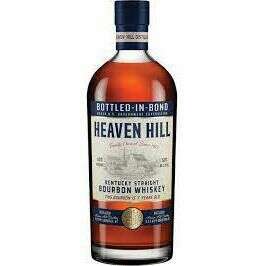
Heaven Hill 7 Year Bottled in Bond 85% 100 $58Wide8.3/10
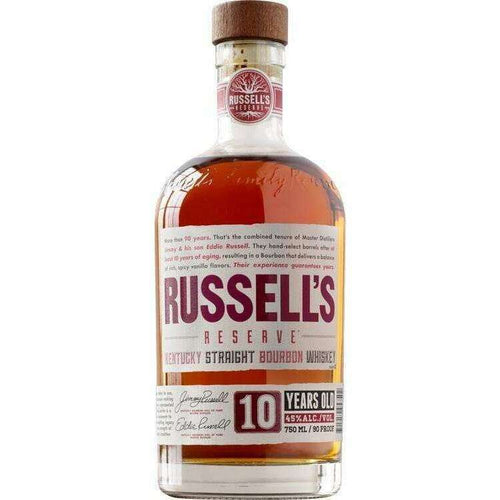
Russell's Reserve 10 Year 81% 90 $58Wide8.4/10
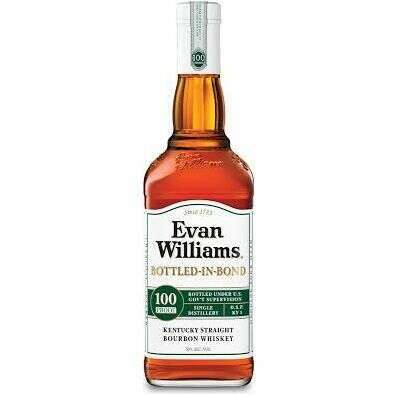
Evan Williams Bottled-in-Bond 80% 100 $38Wide7.9/10
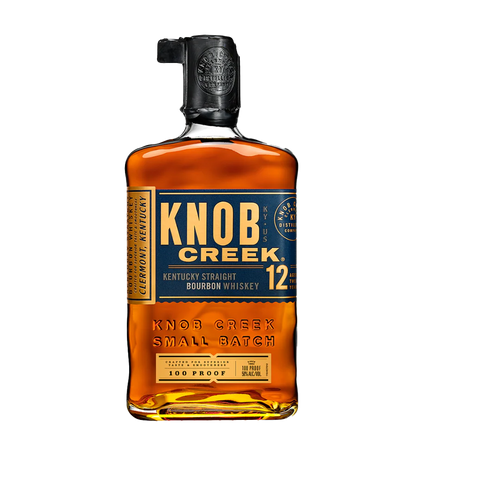
Knob Creek 12 Year 78% 100 $80Wide8.3/10

Scores are our panel's own. Prices are the median observed at retail and move constantly — the live price on each product page is authoritative. Similarity is scored against the reference bottle on nose, palate, finish and body, not on mash bill alone. Method: how we tested.

Cite this table

Free to reuse with attribution and a link back:

Nathan Cole. “Bourbons That Taste Like E.H. Taylor (But Are Easier to Find).” Bourbon Central, August 2026. https://thebourboncentral.com/pages/bourbons-that-taste-like-e-h-taylor

Every pick, and who it's actually for

1

Is Eagle Rare a good E.H. Taylor substitute?

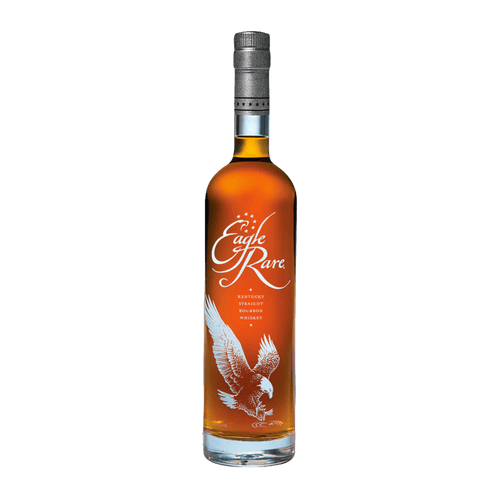
Yes — it is the closest recipe match our panel found. Eagle Rare is distilled at Buffalo Trace from the same mash bill #1 as E.H. Taylor Small Batch, so the two are genuine cousins. It landed at 90% similarity and $69.99.

Similarity
90%
Proof
90
Avg. price
$69.99
Availability
Wide
Panel score
8.7/10

E.H. Taylor Small Batch and Eagle Rare 10 Year are made from the same thing: Buffalo Trace's low-rye mash bill #1, distilled in the same Frankfort stills and aged in the same rickhouses. That shared DNA is why they smell like siblings — dusty caramel, orange oil, a little leather and tobacco — and why our panel put Eagle Rare closer to the reference than any bonded bottle from another distillery.

The gap the panel measured is proof and age presentation. Eagle Rare is bottled at 90 proof with a 10-year age statement; E.H. Taylor Small Batch is Bottled in Bond at 100 proof with no age statement but a similar span in wood. The extra ten proof points give E.H. Taylor a firmer, drier, more peppery mid-palate, while Eagle Rare is rounder and a touch sweeter. A bottle of Eagle Rare left open a while, or E.H. Taylor cut with a few drops of water, closes most of the distance.

The honest caveat: Eagle Rare is itself a semi-allocated Buffalo Trace bottle, so it is easier to find than E.H. Taylor but not always easy. If you want E.H. Taylor's exact flavor family, this is the bottle. If you want something that is reliably on a shelf, keep reading.

Panel tasting note
Nose

Dusty caramel, orange oil, leather, faint dried herbs — the most E.H. Taylor-like nose in the flight.

Palate

Soft honeyed caramel, almond, gentle oak. Rounder and sweeter than the reference.

Finish

Clean, medium-length, a little less dry oak than E.H. Taylor's bonded tail.

Who it’s for

Anyone who loved E.H. Taylor for its Buffalo Trace character and wants the same distillery DNA at close to retail price.

Who should skip it

Drinkers chasing E.H. Taylor's 100-proof spine — at 90 proof this is the gentler pour.

2

What is the best E.H. Taylor alternative on quality alone?

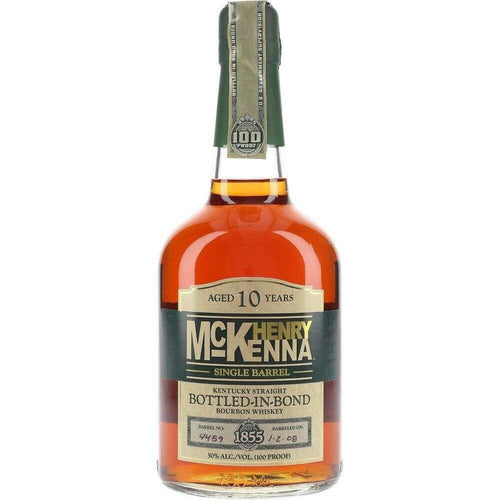
Henry McKenna 10 Year Single Barrel. Like E.H. Taylor Small Batch it is Bottled in Bond at 100 proof, but it is also a 10-year single barrel — the highest-scoring pour on our flight (8.8) and a former Best in Show winner. 87% similarity at $98.99.

Similarity
87%
Proof
100
Avg. price
$98.99
Availability
Limited
Panel score
8.8/10

This is the pick that scores highest on quality and second on likeness, and the distinction matters. Henry McKenna 10 Year is Bottled in Bond — exactly 100 proof, one distillation season, at least four years (here a full ten) in a federally supervised Heaven Hill warehouse — and it is bottled one barrel at a time. That is the same bonded architecture as E.H. Taylor Small Batch, built on Heaven Hill's traditional low-rye mash bill rather than Buffalo Trace's.

What you get is E.H. Taylor's refinement with more oak underneath it: deep caramel, baking spice, toasted grain and a long, dry, tannic finish that reads as genuinely old. Our panel kept describing it as "E.H. Taylor with an extra couple of years in the barrel." It won Best in Show at the 2019 San Francisco World Spirits Competition, which is exactly why it is no longer a $35 sleeper — but it is still findable in a way E.H. Taylor often is not.

Because it is a single barrel, the exact profile shifts bottle to bottle. That variability is part of the appeal for E.H. Taylor fans who like the bonded, hand-selected character.

Panel tasting note
Nose

Deep caramel, oak, baking spice, toasted grain, a thread of vanilla.

Palate

Full and dry — brown sugar, clove, tobacco leaf, real oak tannin.

Finish

Long, drying, spice-forward. The most age-driven finish in the flight.

Who it’s for

E.H. Taylor drinkers who want the bonded, aged, single-barrel experience and will trade a little availability for a higher-quality pour.

Who should skip it

Anyone who wants a light, everyday sipper — this is a big, oak-driven 100-proof bourbon.

3

What is the closest bourbon to E.H. Taylor's bonded structure?

Heaven Hill 7 Year Bottled in Bond. It matches E.H. Taylor Small Batch on the two things that define it — 100 proof and Bottled-in-Bond status — with a similar span in oak, at $58.09. Our panel scored it 85% similarity.

Similarity
85%
Proof
100
Avg. price
$58.09
Availability
Wide
Panel score
8.3/10

If E.H. Taylor Small Batch's identity is "an elegant, mid-aged, 100-proof bonded bourbon," then Heaven Hill 7 Year Bottled in Bond is its structural twin from a different distillery. Both are bottled in bond at exactly 100 proof; both sit around the seven-year mark in wood; both aim for balance and refinement rather than a flavor gimmick.

The difference is house character. Heaven Hill's traditional mash bill and yeast bring a slightly softer, more floral, honey-and-cinnamon profile against E.H. Taylor's drier, more tobacco-and-licorice Buffalo Trace signature. On the palate the two track closely on weight and heat — that shared 100-proof, bonded backbone is doing most of the work — and diverge mainly on the specific spices.

For the money, this is the value answer for anyone who liked E.H. Taylor specifically for its bonded, 100-proof structure rather than its Buffalo Trace flavor. It is widely stocked and less than two-thirds of E.H. Taylor's marked-up price.

Panel tasting note
Nose

Honey, cinnamon, light caramel, soft oak.

Palate

Balanced and slightly floral — vanilla, baking spice, a bonded 100-proof firmness.

Finish

Medium-long, dry, gently spiced.

Who it’s for

Drinkers who valued E.H. Taylor's bonded, 100-proof structure and want it reliably on a shelf for under $60.

Who should skip it

Anyone matching Buffalo Trace's specific dusty, tobacco-forward flavor — that is a distillery signature this bottle does not share.

4

What if I want something with a bit more spice than E.H. Taylor?

Russell's Reserve 10 Year. It is a 10-year, 90-proof Wild Turkey bourbon with a touch more rye in the recipe, giving it E.H. Taylor's aged elegance plus a little extra baking-spice lift. 81% similarity at $57.99.

Similarity
81%
Proof
90
Avg. price
$57.99
Availability
Wide
Panel score
8.4/10

Russell's Reserve 10 Year is Wild Turkey's mid-aged flagship, and it lands close to E.H. Taylor for a slightly different reason than the Buffalo Trace bottles do. Its mash bill carries a bit more rye, and Wild Turkey's famously low barrel-entry proof means ten years in oak produces a rich, layered bourbon rather than a hot one.

Against the reference pour it reads as E.H. Taylor with the spice dial turned up: the same caramel-and-vanilla core and dry oak finish, but more cinnamon, clove and pepper riding on top. At 90 proof it is a touch softer in weight than E.H. Taylor's bonded 100, which keeps it from scoring higher on similarity even though the flavor family overlaps.

Our panel liked it a lot on its own merits — 8.4 on quality — and flagged it as the best pick for someone who found E.H. Taylor a little restrained and wants more going on in the glass.

Panel tasting note
Nose

Vanilla, brown sugar, orange zest, a clear rye-spice lift.

Palate

Caramel and baking spice, cinnamon and clove, gentle oak.

Finish

Medium, warming, a little sweeter than E.H. Taylor's dry tail.

Who it’s for

E.H. Taylor drinkers who wished it had a bit more spice and aromatic lift, at a shelf price.

Who should skip it

Purists matching Buffalo Trace's low-rye, tobacco-driven profile — this leans spicier and fruitier.

5

What is the cheapest bourbon that drinks like E.H. Taylor?

Evan Williams Bottled-in-Bond, at $38.09. It is the same 100-proof, Bottled-in-Bond format as E.H. Taylor Small Batch, from the same Heaven Hill distillery as several picks here, at well under half the price. Our panel scored it 80% similarity.

Similarity
80%
Proof
100
Avg. price
$38.09
Availability
Wide
Panel score
7.9/10

The single most underrated fact about E.H. Taylor Small Batch is that its most important spec — Bottled in Bond, 100 proof — is legally identical to a bourbon that costs under $40. Evan Williams Bottled-in-Bond is exactly 100 proof, one distillation season, aged at least four years in a Heaven Hill warehouse, and it delivers the same firm, dry, structured mouthfeel that the bonded designation guarantees.

Where it falls short of E.H. Taylor is age and polish. Evan Williams BiB is younger, so it shows less of the deep oak and layered spice that a few extra years give the reference pour, and its caramel-and-corn profile is simpler. Our panel described it as "the same skeleton with less on the bones."

That is exactly why it earns a place: for a bonded 100-proof daily pour, or for an Old Fashioned where a marked-up allocated bottle would be wasted, it scratches the E.H. Taylor itch for a third of the price.

Panel tasting note
Nose

Caramel, corn sweetness, light oak, a touch of baking spice.

Palate

Firm and dry — the bonded 100-proof structure without the age.

Finish

Medium, clean, a little grain-forward.

Who it’s for

Anyone who wants E.H. Taylor's bonded 100-proof structure in a bottle they can open on a Tuesday.

Who should skip it

Drinkers chasing E.H. Taylor's older-oak depth and complexity — this is the value skeleton, not the full pour.

6

Is there an E.H. Taylor alternative with even more age?

Knob Creek 12 Year. Bottled at 100 proof with a 12-year age statement, it gives you E.H. Taylor's bonded-style strength plus more oak than the reference, at $79.99. It is the loosest match on our shortlist at 78% similarity, mostly because of Beam's house yeast.

Similarity
78%
Proof
100
Avg. price
$79.99
Availability
Wide
Panel score
8.3/10

Knob Creek 12 Year answers a specific question: what if I want E.H. Taylor's 100-proof weight but with an explicit, older age statement? Twelve years in Jim Beam's warehouses build a deep, resinous oak note and a dark-caramel richness that even the reference pour cannot fully match.

The reason it scores lowest here is the Beam signature. The distillery's house yeast brings a toasted-peanut, nutty character that has no counterpart in E.H. Taylor's Buffalo Trace profile — our panel called it "the right proof and age, the wrong accent." If that Beam note is one you enjoy, none of this is a drawback; if you are matching E.H. Taylor precisely, it is the clearest point of difference in the flight.

Treat it as the pick for oak lovers: a genuinely aged, 100-proof bourbon at a fair price, in the same structural neighborhood as E.H. Taylor even if the flavor accent is its own.

Panel tasting note
Nose

Dark caramel, heavy oak, toasted nuts, vanilla.

Palate

Rich and oaky, brown sugar and char, a nutty Beam core.

Finish

Long, oak-driven, drying.

Who it’s for

Oak lovers who want E.H. Taylor's 100-proof strength with a bigger, older, woodier profile.

Who should skip it

Anyone sensitive to Jim Beam's nutty house yeast — it is the loudest point of difference from E.H. Taylor here.

Why is E.H. Taylor so hard to find?

E.H. Taylor is made in limited quantities at Buffalo Trace, a distillery that has run at capacity for over a decade, and demand — amplified by awards and collector interest — far outstrips the aged stock available. Bottles carry a suggested retail near $45 but routinely sell for $70–$100 or more.

E.H. Taylor is part of Buffalo Trace's tightly allocated portfolio, alongside Blanton's, Weller and Eagle Rare. The distillery cannot simply make more this quarter: the bourbon being bottled today was barrelled years ago, forecast against a market smaller than the one that exists now. Every case is spread thin across the country.

The brand also carries genuine prestige. It is named for Colonel Edmund Haynes Taylor Jr., one of the fathers of the Bottled-in-Bond Act of 1897, and the Small Batch, Single Barrel and Barrel Proof expressions are perennial award winners. That reputation turns a modestly priced bourbon into a collector target, and collector demand pulls bottles off shelves and onto secondary listings.

The result is a bourbon with roughly a $45 suggested retail that regularly clears $70–$100 at retail and more on the secondary market — and a waiting list at most stores that carry it.

1897
The Bottled-in-Bond Act
Championed by Col. E.H. Taylor Jr., whose name the brand carries; it set the 100-proof, single-season, federally supervised standard.

What does Bottled-in-Bond actually guarantee?

Bottled in Bond means the whiskey is exactly 100 proof, the product of one distillation season and one distiller at one distillery, and aged at least four years in a federally supervised warehouse. It is the spec that most defines E.H. Taylor Small Batch — and the reason bonded bourbons from other distilleries substitute for it so well.

The Bottled-in-Bond Act of 1897 is one of the oldest consumer-protection laws in the United States, written when adulterated whiskey was rampant. To wear the label, a bourbon must be the product of one distillation season and one distiller at a single distillery, aged at least four years in a federally supervised bonded warehouse, and bottled at exactly 100 proof.

That 100-proof requirement is why bonded bourbons share a family resemblance in weight and texture. When our panel matched E.H. Taylor Small Batch against other bottles, the strongest structural matches were the other bonded bottles — Henry McKenna, Heaven Hill 7 Year, Evan Williams — precisely because they are held to the same proof and aging floor.

So if what you like about E.H. Taylor is its firm, dry, 100-proof mouthfeel rather than its specific Buffalo Trace flavor, a different Bottled-in-Bond bourbon is the most reliable way to get it — often for a fraction of the price.

100
Proof, exactly, for any Bottled-in-Bond bourbon
Five of the six picks on this page are bottled at exactly 100 proof, like E.H. Taylor Small Batch.

Should you just buy E.H. Taylor's Buffalo Trace siblings?

Eagle Rare and Buffalo Trace share E.H. Taylor's exact mash bill #1 and taste closer to it than anything else — but they come from the same allocated distillery, so they can be nearly as hard to find and are often marked up too. The bonded bottles from Heaven Hill deliver E.H. Taylor's structure and actually stay on shelves.

If availability were no object, this list would start and end with Eagle Rare and standard Buffalo Trace, both distilled from mash bill #1 in the same building. The family likeness is unmistakable in a side-by-side.

The catch is the same one E.H. Taylor has. Both are part of Buffalo Trace's allocated range: Eagle Rare is semi-allocated and frequently sells above its suggested price, and standard Buffalo Trace can be genuinely scarce in many markets. Chasing "same distillery" can put you right back in the allocation trap you were trying to escape.

We flag them because they are the honest answer to "what tastes closest," and Eagle Rare earns the top spot here for exactly that reason. But the reason this page runs seven bottles deep is that the bonded bourbons from Heaven Hill — and Wild Turkey's Russell's Reserve 10 — deliver most of E.H. Taylor's character while being things you can actually buy.

#1
The mash bill you're chasing
Buffalo Trace's low-rye bourbon recipe, shared by E.H. Taylor Small Batch, Eagle Rare and standard Buffalo Trace.

Frequently asked questions

What proof is E.H. Taylor Small Batch?

Colonel E.H. Taylor Small Batch is bottled at 100 proof (50% ABV) as a Bottled-in-Bond bourbon. Other expressions differ: E.H. Taylor Single Barrel is also 100 proof and bonded, while E.H. Taylor Barrel Proof is bottled at cask strength, typically in the 125–135 proof range.

What mash bill does E.H. Taylor use?

E.H. Taylor Small Batch is distilled from Buffalo Trace's mash bill #1, the low-rye of the distillery's two bourbon recipes — generally understood to contain roughly 8–10% rye. Eagle Rare and standard Buffalo Trace use the same recipe, which is why they are the closest flavor matches on this page.

Why is E.H. Taylor so hard to find?

E.H. Taylor is made in limited quantities at Buffalo Trace, a distillery that has run at capacity for more than a decade, and the aged stock available cannot keep up with demand. Award wins and collector interest pull bottles off shelves, so a bourbon with roughly a $45 suggested retail routinely sells for $70–$100 or more.

What is the closest bourbon to E.H. Taylor Small Batch?

Eagle Rare 10 Year. It is distilled at Buffalo Trace from the same mash bill #1 as E.H. Taylor Small Batch, so the two share a distillery, a recipe and a flavor family. Our panel scored it 90% similarity. The main difference is proof — Eagle Rare is 90, E.H. Taylor is a bonded 100 — which makes E.H. Taylor drier and firmer.

What is the best budget alternative to E.H. Taylor?

Evan Williams Bottled-in-Bond, at $38.09. It matches E.H. Taylor Small Batch's most important spec — exactly 100 proof, Bottled in Bond — and comes from Heaven Hill, the same distillery behind two other picks here. It is younger and simpler than E.H. Taylor, but delivers the same bonded 100-proof structure for under half the price.

Is Eagle Rare the same as E.H. Taylor?

Not the same bottling, but very close relatives. Eagle Rare 10 Year and E.H. Taylor Small Batch are both distilled at Buffalo Trace from mash bill #1 and aged in the same rickhouses. They differ in presentation: Eagle Rare is 90 proof with a 10-year age statement, while E.H. Taylor Small Batch is Bottled in Bond at 100 proof with no age statement. The extra proof gives E.H. Taylor a firmer, drier palate.

Who was E.H. Taylor?

Colonel Edmund Haynes Taylor Jr. (1830–1923) was a pioneering Kentucky distiller who owned and modernized what is now Buffalo Trace Distillery, and was one of the leading advocates for the Bottled-in-Bond Act of 1897. The E.H. Taylor line is named in his honor and is bottled in bond in keeping with that legacy.

Can I buy E.H. Taylor online at Bourbon Central?

Bourbon Central stocks Colonel E.H. Taylor Small Batch and other E.H. Taylor expressions when allocation allows; availability changes week to week and prices reflect the bottle's allocated status. The alternatives ranked on this page are in stock far more consistently and at steadier prices.

Terms used on this page

Bourbon vocabulary, defined once so the rest of the page can move quickly.

Colonel E.H. Taylor
Buffalo Trace's Bottled-in-Bond bourbon line, named for Col. Edmund Haynes Taylor Jr. The Small Batch expression is bottled in bond at 100 proof from mash bill #1. See our colonel e.h. taylor selection →
Buffalo Trace Distillery
The Frankfort, Kentucky distillery that produces E.H. Taylor, Eagle Rare, Blanton's, W.L. Weller and Buffalo Trace bourbon. Its two bourbon recipes are known as mash bill #1 and mash bill #2. Wikidata
Bottled in bond
A U.S. designation from the Bottled-in-Bond Act of 1897: the whiskey must be one distillation season from one distiller at one distillery, aged at least four years in a federally supervised warehouse, and bottled at exactly 100 proof.
Mash bill
The grain recipe a whiskey is distilled from. Bourbon must be at least 51% corn; the rest is usually rye or wheat plus malted barley. E.H. Taylor uses Buffalo Trace's low-rye mash bill #1.
Eagle Rare
Buffalo Trace's 10-year age-stated bourbon, distilled from mash bill #1 and bottled at 90 proof. Shares E.H. Taylor's recipe and rickhouses but not its bonded 100 proof. Wikidata
Henry McKenna
Heaven Hill's Bottled-in-Bond single barrel bourbon, aged 10 years at 100 proof. Won Best in Show at the 2019 San Francisco World Spirits Competition.
Heaven Hill
Bardstown, Kentucky distillery behind Evan Williams, Henry McKenna, Elijah Craig and its own Bottled-in-Bond bourbon, all built on a traditional low-rye mash bill.
Single barrel whiskey
Whiskey bottled from one individual cask rather than blended from many, so each bottle carries that barrel's character. Henry McKenna 10 Year is a Bottled-in-Bond single barrel. Wikidata
Bourbon
American whiskey distilled from at least 51% corn and aged in new charred oak containers. Straight bourbon must be aged at least two years with no added coloring or flavoring. See our bourbon selection →Wikidata
How we tested

Our method, in the open

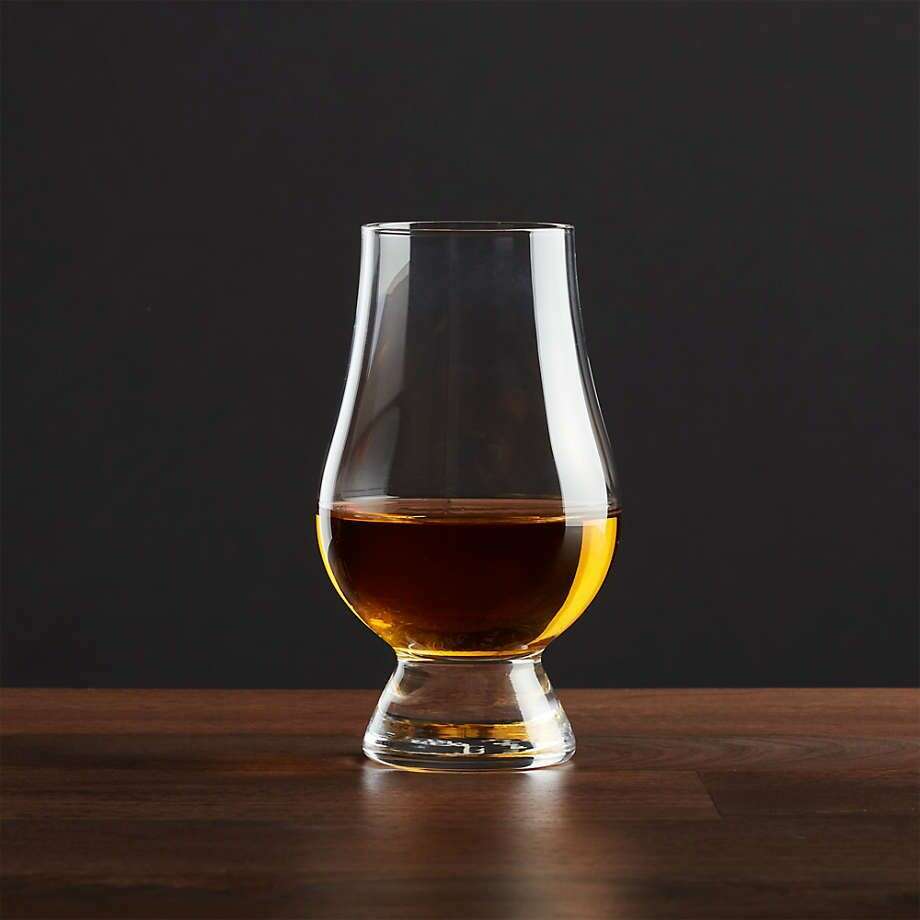
Every bourbon on this page was tasted blind, in a single sitting, against a control pour of Colonel E.H. Taylor Small Batch. Bottles were decanted into numbered Glencairn glasses by someone who did not participate in the scoring, poured at room temperature, and served in randomised order with the control repeated in the flight as a consistency check.

Panellists scored each pour independently on aroma, palate and finish against the control, with no discussion until all scores were recorded. Palates were reset with water and unsalted crackers between pours, and the flight was capped so that fatigue could not skew the later samples.

Similarity percentages are the panel's mean match score against the control. Panel scores are mean quality ratings, judged on each bottle's own merits rather than as substitutes — which is why a bottle can score lower on similarity and higher on quality. Prices are the median we observed at retail; they move constantly, and the live price on each product page is the accurate one.

How the score is built

  • 30% Aroma match — How closely the nose tracks the reference pour across caramel, oak, spice and tobacco.
  • 35% Palate match — Mid-palate weight, dryness and spice measured against E.H. Taylor's bonded 100-proof structure.
  • 20% Finish match — Length, dryness and oak character against the control's dry, refined tail.
  • 15% Availability — Whether a drinker can reasonably buy it at retail. A bottle that cannot be found scores zero here regardless of flavor.

The panel

  • Nathan ColeHead of Whiskey SelectionCertified Bourbon Steward; more than a decade sourcing and evaluating American whiskey; samples 500+ whiskeys a year across single barrels, limited releases and shelf staples.
  • Sarah WhitfieldWhiskey EducatorCertified Bourbon Steward; leads bourbon education seminars and guided tastings; extensive experience explaining production methods and flavor profiles to consumers.
  • Michael DonovanSpirits JudgeJudge at regional and national spirits competitions; evaluates whiskey using standardized sensory analysis; 12+ years in the beverage industry.
  • Ryan MitchellSingle Barrel SpecialistOversees private barrel selections for retailers and whiskey clubs; evaluates hundreds of barrel samples annually; specializes in identifying unique flavor profiles.
Disclosure. Bourbon Central sells every bottle ranked on this page, and we sell E.H. Taylor itself. Panellists scored blind and did not know which bottles were in the flight, but you should weigh this page knowing we have a commercial interest in it. Nothing here was paid for by a brand, and no distillery reviewed this page before publication.

Update log

  • — First publication. Flight built around Colonel E.H. Taylor Small Batch as the Bottled-in-Bond, mash bill #1 reference; picks split between same-recipe (Buffalo Trace) and same-format (Bottled in Bond) alternatives.