


Wine | Zinfandel

Saldo Zinfandel - The Prisoner Wine Company

The Walking Fool Red Blend Caymus Suisun Valley

Frank Family Vineyards Zinfandel

Rombauer Zinfandel
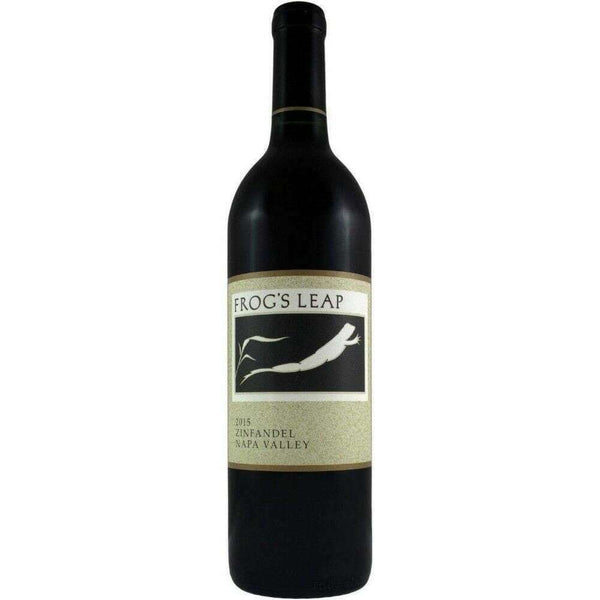
Frog's Leap Zinfandel

Bear Flag Zinfandel

Ridge Geyserville Red

Ridge East Bench Zinfandel

Seghesio Family Vineyards Zinfandel Sonoma County

Neal Zinfandel Rutherford Dust Vineyards
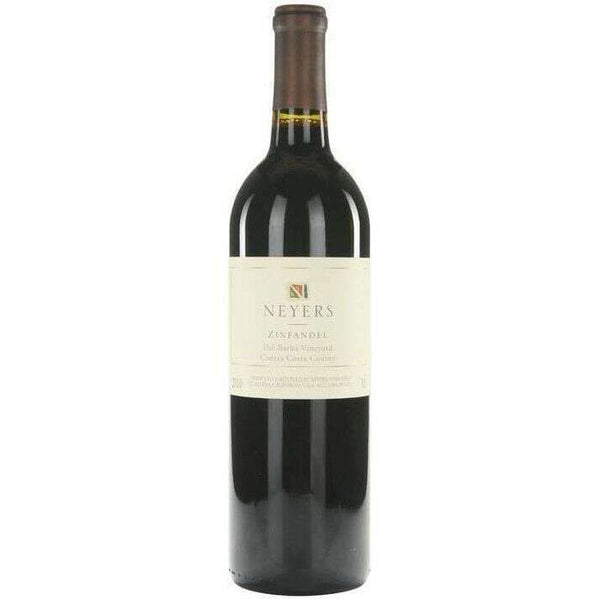
Neyers Zinfandel del Barba Vineyard

Beran Zinfandel Sonoma County
Wine | Zinfandel
Read more about Wine | Zinfandel
Zinfandel is America's most misunderstood grape, and most of the misunderstanding traces back to one thing: for a generation, the best-selling wine with "Zinfandel" on the label was pink and sweet. White Zinfandel was a happy accident of the 1970s that became a phenomenon, and it left the red wine — old, serious, and grown in some of California's most historic vineyards — carrying a reputation that had nothing to do with it.
Red Zinfandel is a big, ripe, brambly wine with black-pepper spice, moderate tannin and enough acidity to cut through fat. It ripens unevenly, which means a single cluster can hold raisined berries next to under-ripe ones, and that unevenness is where its layered, sweet-and-savoury character comes from. The grape is genetically identical to Croatian Crljenak Kaštelanski and to Italy's Primitivo, but what California did with it over 130 years — much of it in head-trained, dry-farmed old vines in Sonoma, Lodi and the Sierra Foothills — made it something of its own.
Where it comes from matters more than usual
Zinfandel is unusually site-expressive for a grape people think of as simple. Dry Creek Valley and the surrounding Sonoma appellations give the most structured, savoury versions — the ones that reward a decade in a cellar. Ridge East Bench Zinfandel ($45.09) is the reference point here and the bottle we would hand to anyone who thinks Zinfandel is just jam; it is peppery, firm and built like a serious red. Ridge Geyserville Red ($56.09) is the field blend from Alexander Valley that made Ridge's reputation, and it is one of the great American red wines by any measure.
Sonoma County more broadly produces the balanced middle of the category. Seghesio Family Vineyards Zinfandel Sonoma County ($26.09) comes from a family that has been growing Zinfandel here since 1895, and it remains the best first bottle in the collection — generous but not heavy, and priced to open on a Tuesday. Beran Zinfandel Sonoma County ($39.99) is the plusher, more polished expression of the same fruit.
Napa and the modern style push toward richness and higher alcohol. Rombauer Zinfandel ($42.09) is the definitive example — lush, sweet-fruited and unapologetic, and one of the most requested red wines in the country. The Rombauer Zinfandel 375ML half-bottle is the low-commitment way in. Frank Family Vineyards Zinfandel ($39.99) sits alongside it with a little more oak and grip. Saldo Zinfandel - The Prisoner Wine Company ($27.49) is the maximalist take, blended from vineyards across the state and made for people who want the volume turned up.
What to eat with it
Zinfandel is the best barbecue wine there is, and it is not close. The ripeness handles sweet glazes that would make a Cabernet taste sour, the pepper works with smoke and rub, and the acidity cuts through pork fat and brisket. It is also the right answer for sausage, for anything with charred edges, and for a burger. The one thing it does not do well is delicate food — it will flatten fish and most chicken.
On a board, it wants aged, salty cheese rather than soft or fresh: aged Gouda, a firm Manchego, a two-year cheddar. Our wine and cheese pairing guide works through why.
Serving
Serve Zinfandel slightly cooler than you would a Cabernet — around 60–63°F. Zinfandel typically runs 14.5% to 16% alcohol, and warmth makes that alcohol the first thing you notice. Twenty minutes in the fridge before opening fixes it. Big glasses help; a decanter is optional but genuinely useful on the higher-alcohol bottles.
Most Zinfandel is at its best inside five years, and the modern, high-extract styles are best young. The exception is old-vine Dry Creek fruit, which can hold and improve for a decade or more.
Where to go next
If you like Zinfandel, the natural moves are Italian reds with the same savoury-fruit balance, or a Napa Cabernet when you want more structure and less sweetness. Browse the full wine collection, or the white wine range for the other side of the table. Our guide to the best red wines to buy in 2026 places Zinfandel against everything else in the light-to-full-bodied spectrum, which is the fastest way to work out whether it is your grape.

