


Peated vs. Unpeated Scotch (2026): What the Smoke Actually Is — and 8 Bottles That Show Both Sides

National Scotch Day is July 27, and every year it triggers the same conversation at our counter: "I want to get into scotch, but I don't know if I like the smoky ones." That single fork in the road — peated or unpeated — divides the scotch world more decisively than region, age, or price. So three weeks out from Scotch Day 2026, here's a plain-English guide to what peat actually is, why some whiskies taste like a campfire and others like a baked apple, and eight bottles — four smoky, four not — that show both sides at their best.
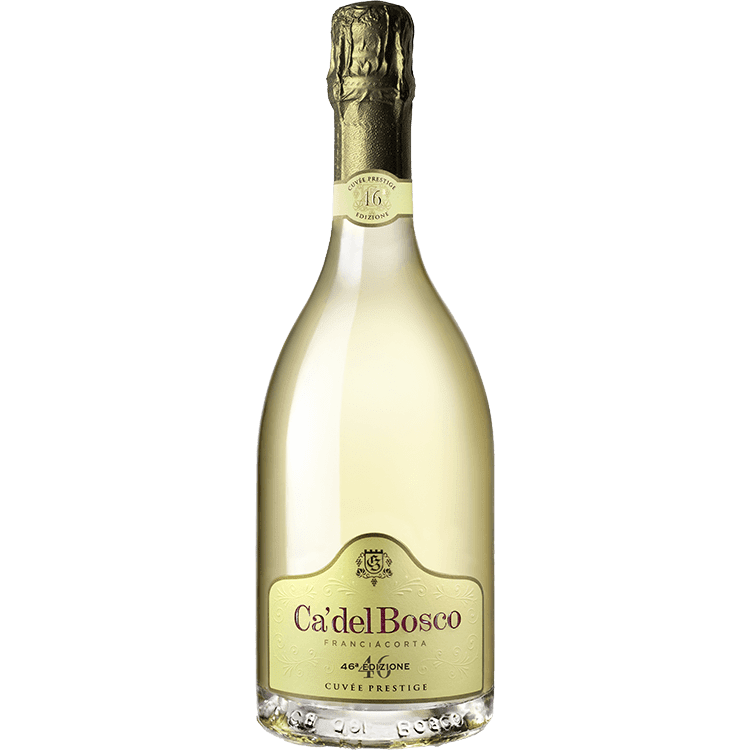
The 8 bottles in this guide: 4 peated, 4 unpeated


What peat actually is (and isn't)
Peat is compressed, partially decayed plant matter — thousands of years of moss and heather packed into wet bogs across Scotland. For centuries it was simply the local fuel, and distilleries used it to dry their malted barley. The smoke bonds to the grain as phenols, measured in parts per million (ppm), and those phenols survive fermentation, distillation, and decades in oak. That's the entire trick: peat is a drying fuel, not an ingredient. Unpeated distilleries dry the same barley with hot air, so none of the smoke character ever enters the whisky. It has nothing to do with age, color, or cask type — a point we covered from the Irish angle in single pot still vs. single malt.
How smoky is smoky? A quick ppm ladder
Distillers measure peat in phenol parts per million on the malted barley. Unpeated malts sit at effectively zero. A lightly peated whisky like Bowmore runs around 25ppm. Laphroaig and Lagavulin land near 35–40ppm, and Ardbeg pushes 50ppm or beyond. But ppm on the barley isn't the whole story — distillation cut points, cask choice, and age all shave or amplify the smoke you actually taste. An older Islay malt often drinks gentler than a young mainland experiment at half the ppm. Treat the numbers as a rough map, not a promise.
Geography helps too: most of the famous smoke comes from Islay, a small Hebridean island with nine distilleries and more sheep than people, where peat bogs are literally the ground underfoot. But peat isn't an Islay monopoly — Skye (Talisker), Orkney, and the Highlands all produce peated whisky, each with its own accent, from maritime brine to heathery sweetness.
The peated side: four smoky benchmarks
Laphroaig 10 Year ($59.99) is the most polarizing whisky in the world and proud of it — iodine, seaweed, campfire, and band-aid (their word, printed on the box) over a surprisingly sweet vanilla core. It's the cheapest ticket to full-throttle Islay on our shelf. Ardbeg 10 Year ($78.09) runs even higher in phenols but reads cleaner: lime, black pepper, and espresso smoke with a bone-dry finish that critics have crowned repeatedly. If you want smoke with a rounder edge, Lagavulin 8 Year ($79.99) delivers the distillery's famous richness at a younger, punchier proof — and its big sibling, the Lagavulin 16 Year ($99.99), remains the after-dinner smoky scotch. The gateway bottle is Bowmore 12 Year ($64.09): moderately peated, with honey and citrus wrapped around the smoke — smoky scotch with training wheels, in the best way. Maritime-peat fans should also grab Talisker 10 Year ($89.99) from Skye while we have it, and deep divers can level up to Ardbeg Corryvreckan ($148.09).
The unpeated side: four orchard-and-honey classics
Unpeated scotch is what most of the world actually drinks. Glenfiddich 12 Year ($69.09) is the best-selling single malt on earth — pear, apple, and a whisper of oak, endlessly easy. The Glenlivet 12 Year ($75.09) is its eternal rival, slightly creamier with more citrus blossom. Move up the sherry ladder and Macallan Double Cask 12 Year ($88.99) layers dried fruit, ginger, and toffee from a mix of American and European oak sherry casks. Balvenie 12 Year DoubleWood ($79.99) finishes the flight with honeyed malt rounded off in sherry butts — the bottle we recommend most often to bourbon drinkers crossing over (if that's you, start with scotch vs. bourbon). For a sherried step further, Glenmorangie Lasanta ($74.99) is a sleeper pick.
Three peat myths worth retiring
First: peat has nothing to do with strength. A 40% peated whisky is no "stronger" than a 40% unpeated one — smoke is flavor, not alcohol. Second: color tells you nothing about peat. Smoke is invisible in the glass; that deep amber comes from casks (or, in some budget bottles, caramel coloring). Pale whiskies can be smoke monsters and dark ones can be gentle as toast. Third: peat doesn't mean harsh. Well-made Islay malt is layered and even sweet under the smoke — the harshness people remember usually came from drinking it too fast, too young, or without a drop of water.
How to decide which side you're on
Don't guess — taste in pairs. Pour something unpeated first (Glenfiddich or Glenlivet), then something moderately smoky (Bowmore), then full Islay (Laphroaig or Ardbeg). Add a few drops of water to each; peat softens and sweetens dramatically with dilution. If you're new to all of this, our scotch for beginners guide walks the full flavor map, and the home tasting flight blueprint turns this exact lineup into a six-person Scotch Day event. One more secret: peated scotch makes phenomenal cocktails — the Penicillin uses a smoky float over honey-ginger, and it converts peat skeptics on the spot.
Build your Scotch Day shelf
All eight bottles are in stock and ship fast from our warehouse — order by mid-July and you're set for July 27. Browse the full scotch collection for both camps, the broader whiskey collection if you want to compare across countries, and our best sellers to see which side of the peat divide your fellow customers landed on. Slàinte mhath.

