


Scotch Whisky for Beginners: How to Find Your Perfect Dram in 2026
Scotch whisky can feel intimidating from the outside. The terminology alone — single malt, blended malt, Speyside, Islay, cask strength — is enough to make a newcomer reach for something more familiar. But here is the truth: finding a scotch you love is less about memorizing labels and more about understanding what flavors appeal to you. Once you have that figured out, the right bottle practically finds itself.
This guide is designed to cut through the noise. We will walk you through the major scotch regions and what they taste like, recommend specific bottles at every price point from our collection, and give you the confidence to order your next dram without second-guessing yourself.
What Makes Scotch Different from Bourbon or Irish Whiskey
Before we get into regions and bottles, a quick grounding. Scotch whisky must be made in Scotland, aged in oak barrels for at least three years, and bottled at a minimum of 40% ABV. Unlike bourbon, which relies heavily on corn and new charred oak barrels, scotch uses malted barley and typically ages in used barrels — often ex-bourbon or ex-sherry casks. This gives scotch a wider range of flavors, from the sweet and fruity to the intensely smoky, depending on where and how it was made.
The single biggest factor that shapes a scotch is its region of origin. Think of scotch regions like wine appellations — each has a general character, though individual distilleries always have their own personality.
The Major Scotch Regions and What They Taste Like
Speyside — The Sweet Spot for Beginners
If you have never tried scotch before, Speyside is almost certainly where you want to start. Nestled around the River Spey in northeastern Scotland, this region produces the most scotch of any area and tends toward the approachable end of the spectrum. Think honey, orchard fruit, vanilla, and gentle malt sweetness — flavors that are familiar and inviting rather than challenging.
Start here: Balvenie 12 Year DoubleWood ($78.99) is a near-perfect introduction. Aged first in ex-bourbon barrels and then finished in sherry casks, it delivers honey, vanilla, and dried fruit in a package that feels rich without being heavy. If you enjoy bourbon, this is the bridge scotch that will make immediate sense to your palate.
For a lighter touch, Auchentoshan 12 Year ($49.99) is triple-distilled in the Lowland style, giving it an almost creamy smoothness with notes of toasted almond and citrus. It is as gentle as scotch gets.
Highland — Broad and Versatile
The Highlands cover a vast area and produce an equally vast range of styles, from light and floral to rich and robust. This is the region where you will find the most variety, making it both exciting and slightly harder to generalize.
Start here: Aberfeldy 12 Year Single Malt ($49.99) is a Highland gem that does not get enough attention. It has a distinctive honeyed character with hints of spice and orange zest — think golden syrup drizzled over warm toast. Incredibly approachable and well-priced for the quality.
Islay — For the Adventurous
This is where scotch gets bold. Islay (pronounced EYE-luh) is a small island off Scotland's west coast famous for heavily peated whiskies — think campfire smoke, sea salt, iodine, and medicinal notes. It sounds intense, and it is. But if you have ever loved the char on a smoked brisket or the funk of a farmhouse beer, Islay might be your thing.
Ease in with: Bowmore 12 Year ($64.09) balances smoke with citrus and dark chocolate, making it one of the more accessible Islay malts. It is peated, but not overwhelmingly so — a good litmus test for whether you want to go deeper into smoke.
Go all in with: Ardbeg 10 Year ($78.09) is a smoke bomb in the best possible way. Intense peat, lemon, and brine wrap around a surprisingly sweet core. If you try this and love it, welcome to the Islay fan club. There is no going back. Ardbeg's limited editions — like the BizarreBQ ($119.09) and Smokiverse ($113.99) — are worth exploring once you have found your footing.
Blended Scotch: Do Not Overlook It
There is a persistent myth that single malts are superior and blends are somehow lesser. Ignore it. Great blended scotch is an art form — master blenders combine grain and malt whiskies from multiple distilleries to create something balanced and consistent that no single distillery could achieve alone.
Buchanan's Master Blended Scotch ($45.99) is a perfect example. Smooth, slightly fruity, with a touch of spice, it drinks well neat or on the rocks and will not punish you for adding a splash of water. Chivas Regal XV 15 Year ($65.99) is another standout — finished in Cognac casks, it adds layers of dried fruit and gentle warmth that make it an excellent after-dinner pour.
For the budget-conscious, Ballantine's 12 Year ($28.99) punches well above its price with a clean, honeyed profile that is perfect for highballs — scotch, soda water, and a lemon twist. The Japanese popularized this serve, and once you try it, you will understand why.
How to Drink Your Scotch
Neat
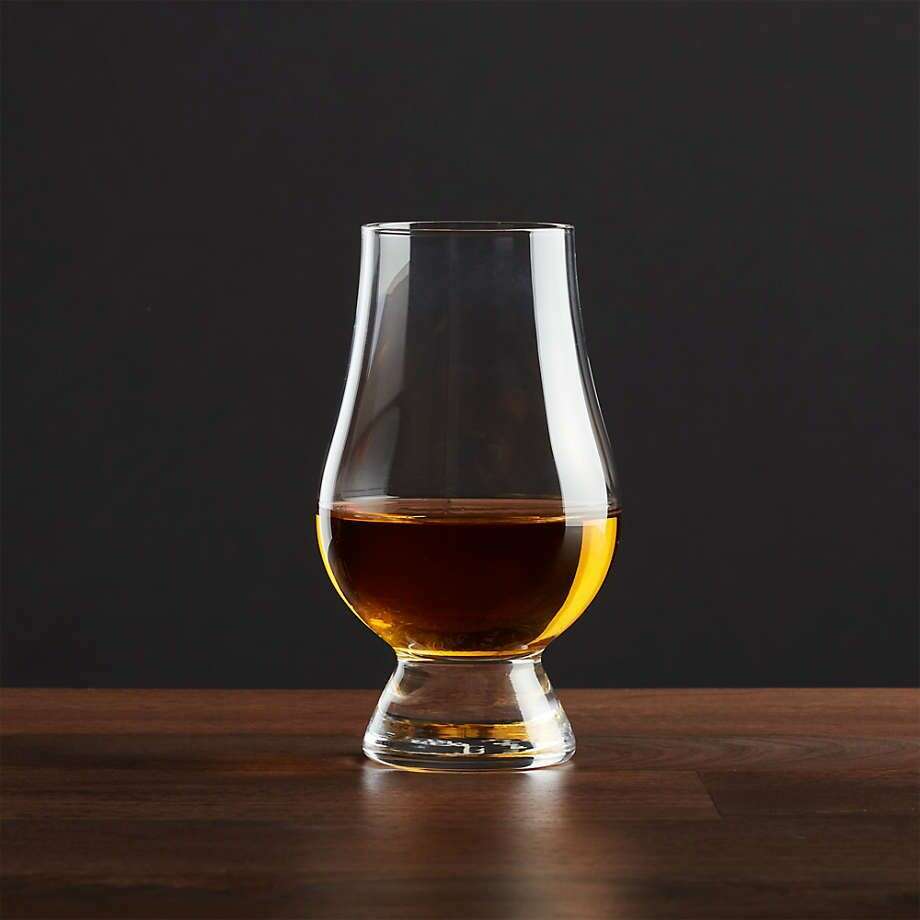
Pour about an ounce and a half into a glass at room temperature. A tulip-shaped Glencairn glass concentrates the aromas beautifully, but any short glass works. Let it sit for a minute, then nose it gently — do not shove your nose in — before taking a small sip. Let it coat your tongue before swallowing.
With a Drop of Water
A few drops of room-temperature water can open up a scotch dramatically, especially cask-strength bottles. It softens the alcohol and releases aromas you might miss otherwise. This is not watering it down — it is a technique distillers themselves use when evaluating their own spirit.
On the Rocks
Nothing wrong with ice. It chills and dilutes gradually, which some people prefer. A single large cube melts slower than several small ones, keeping your drink from getting watery too fast. Start here if you are finding neat pours too intense.
In a Cocktail
A scotch highball — blended scotch, soda water, ice — is one of the most refreshing drinks you can make. A Penicillin cocktail — blended scotch, lemon, honey-ginger syrup, topped with a float of smoky Islay malt — is one of the best modern cocktails period. Do not let anyone tell you scotch is only for sipping neat.
Your First Three Bottles
If you are building a scotch shelf from scratch, here is where we would start:
The Everyday Pour
Ballantine's 12 Year ($28.99) — versatile, affordable, and great in a highball or on the rocks.
The Single Malt Discovery
Balvenie 12 Year DoubleWood ($78.99) — the scotch that converts bourbon drinkers. Rich, approachable, and endlessly sippable.
The Adventure
Ardbeg Wee Beastie 5 Year ($59.99) — young, punchy Islay peat at a fair price. It will tell you immediately whether smoke is your thing.
Start Exploring Scotch Whisky
The best way to learn about scotch is to drink it — start with what sounds appealing, pay attention to what you enjoy, and let your palate guide you from there. Every bottle in this guide is available at Bourbon Central, and we are always adding new arrivals from distilleries across Scotland.
Shop Scotch Whisky
