


Single Pot Still vs. Single Malt: What Actually Separates Irish Whiskey and Scotch (2026 Guide)
Walk into any serious whiskey bar in 2026 and you'll spot them sitting three feet apart on the back bar — the Irish whiskey section and the Scotch section. From across the room, the bottles look nearly identical: amber liquid, proud heritage packaging, age statements on the label. But the two spirits are built on fundamentally different grain bills, distilled on different equipment, and land on the palate in genuinely different places.
The category that gets most often confused with single malt Scotch is Ireland's flagship style, single pot still. Both are made from barley. Both are "single" something. Both are typically aged in ex-bourbon and sherry casks. But as anyone who has tasted a Redbreast next to a Glenfiddich will tell you, the family resemblance only goes so far. This guide unpacks exactly what separates these two great barley whiskies — the legal definition, the grain recipe, the distillation style, the flavor profile — and which style is most likely to match a given palate.
The Quick Definition: Two Barley Whiskies, Two Different Recipes
Single malt Scotch whisky is a Scotch made from 100% malted barley at a single distillery in Scotland, distilled in copper pot stills. Production is almost always double-distilled, and the final spirit is aged for a minimum of three years in oak casks — though almost all expressions you'll actually drink spend 10 to 18 years in the barrel.
Single pot still Irish whiskey is made at a single Irish distillery from a mash of both malted and unmalted barley — always at least 30% of each — and distilled in large copper pot stills. Traditionally, it's triple-distilled, and the style only exists in Ireland. By Irish law, single pot still cannot be made anywhere else in the world, which gives the category the same geographic protection that Scotch and bourbon enjoy.
The difference in grain bill is the single biggest flavor driver. Malted barley contributes sweet, bready, honeyed notes and most of the enzymatic conversion that produces alcohol. Unmalted "green" barley — the pot still's defining ingredient — adds a peppery, grainy, slightly oily texture that Scotch drinkers almost never encounter. That's the spicy "pot still bristle" that fans of the style describe.
Why Ireland Uses Unmalted Barley (It's a Tax Story)
The unmalted-barley tradition in Ireland didn't start as a flavor choice. In the late 1700s, the British Crown imposed a tax on malted barley, and Irish distillers reacted by working unmalted grain into their mashes to avoid the levy. What started as tax dodging became the category's identity — Irish distillers discovered that the resulting whiskey had a uniquely creamy, oily, spicy weight that pure malt spirit lacked. By the 1830s, pot still whiskey was the most popular spirit style in the English-speaking world.
Scotland, meanwhile, went the other direction. Scottish distillers leaned into malted barley, and when they wanted smoke, they dried that barley over peat fires — a practice that gave Scotch its famously "medicinal," "earthy," or "campfire" character. Today, only a handful of single pot still producers remain in Ireland (Midleton is by far the largest), while Scotland has more than 140 active single malt distilleries.
Distillation: Double vs. Triple
The standard distillation count is one of the most quoted differences between the two categories, and the generalization mostly holds. Single pot still Irish whiskey is traditionally triple-distilled, which produces a cleaner, lighter, smoother spirit by stripping out more of the heavy "congeners" (fusel oils and flavor compounds) during distillation. Most single malt Scotch is double-distilled, which leaves more of those congeners intact — giving Scotch its heavier, oilier, more textured mouthfeel.
The exceptions matter, though. Auchentoshan in the Lowlands is triple-distilled. A few Irish pot stills — including some Midleton releases — are double-distilled. And the triple-distillation generalization is a bigger deal in lighter-style Irish whiskeys than in the dense, pot-still-forward expressions we're focused on here.
Peat: The Elephant in the Room
The single biggest sensory difference between Scotch and Irish whiskey isn't grain bill or distillation — it's peat smoke. In Scotland, malted barley is typically dried over peat fires, and the smoke infuses phenolic compounds into the grain that carry all the way through to the final whisky. The bigger the peat influence, the more the whisky tastes like smoke, iodine, seaweed, tar, or campfire — think Laphroaig 10 Year ($59.99) or Lagavulin 8 Year ($79.99), both of which are unmistakably smoky from the first sniff.
In Ireland, barley is almost never dried over peat. The result: Irish whiskey, including single pot still, is typically smoke-free. If you don't like peat, Irish whiskey is the safer landing pad; if you love peat, almost nothing in Ireland will scratch the itch. (Connemara is the lone exception — a peated Irish single malt — but peated single pot still is effectively nonexistent.)
How They Actually Taste
A side-by-side blind tasting is the quickest way to learn the difference, but here's a generalized sketch.
Single pot still Irish whiskey drinks thick and creamy, with a signature green-pepper spiciness from the unmalted barley. Sherry-cask pot stills like Redbreast 12 Year Irish Whiskey ($88.09) and Redbreast 15 Year ($139.99) layer dried fruit, baking spice, honey, and a distinctive "Christmas cake" richness on top of that spicy pot-still backbone. Green Spot ($65.99) is the lighter, more delicate expression — apple, pear, honey, and just enough spice to know it's not Scotch. Yellow Spot 12 Year ($129.99) adds Málaga wine cask finishing for a richer, more confectionary profile.
Single malt Scotch varies wildly by region. Unpeated Speysiders like Glenfiddich 12 Year ($69.09) and The Glenlivet 18 Year ($169.99) drink clean and honeyed — pear, green apple, a whisper of vanilla oak. Highland malts like Highland Park 12 Year ($67.99) split the difference with a touch of heather smoke. Island and Islay single malts — Talisker 10 Year ($89.99), Laphroaig, Lagavulin — pile on the peat, salt, and coastal character. Sherry-forward single malts like Balvenie 12 Year DoubleWood ($78.99) and Glenmorangie 18 Year ($159.99) lean toward raisin, orange peel, and dark chocolate.
Which One Should You Drink?
If you're a bourbon drinker stepping sideways into world whiskies for the first time, start with single pot still Irish whiskey. The sweetness is higher, the smoke is absent, and the texture is closer to the rich bourbons you already know. A bottle of Redbreast 12 or Green Spot will feel familiar in a way that a peated Islay will not. If you liked our Bourbon vs. Rye guide, think of pot still as "bourbon-friendly Irish" and of peated Scotch as the biggest jump in any direction.
If you already love smoke, seaweed, and assertive flavor, single malt Scotch from Islay is where you belong — and you'll find that single pot still, while delicious, will taste almost dessert-like by comparison. If you're somewhere in the middle, a Speyside single malt or a sherry-finished pot still like Redbreast Lustau Sherry Finish ($69.99) is the crossover zone where the two categories overlap most comfortably.
Japanese whisky, for what it's worth, borrows heavily from Scotch tradition — Suntory's Yamazaki 12 Year ($179.99) is built on the single malt template — but Japanese distillers have their own stylistic fingerprint. We cover that category in detail in our 2026 Japanese Whisky Buyer's Guide.
The Best Way to Taste Them Side by Side
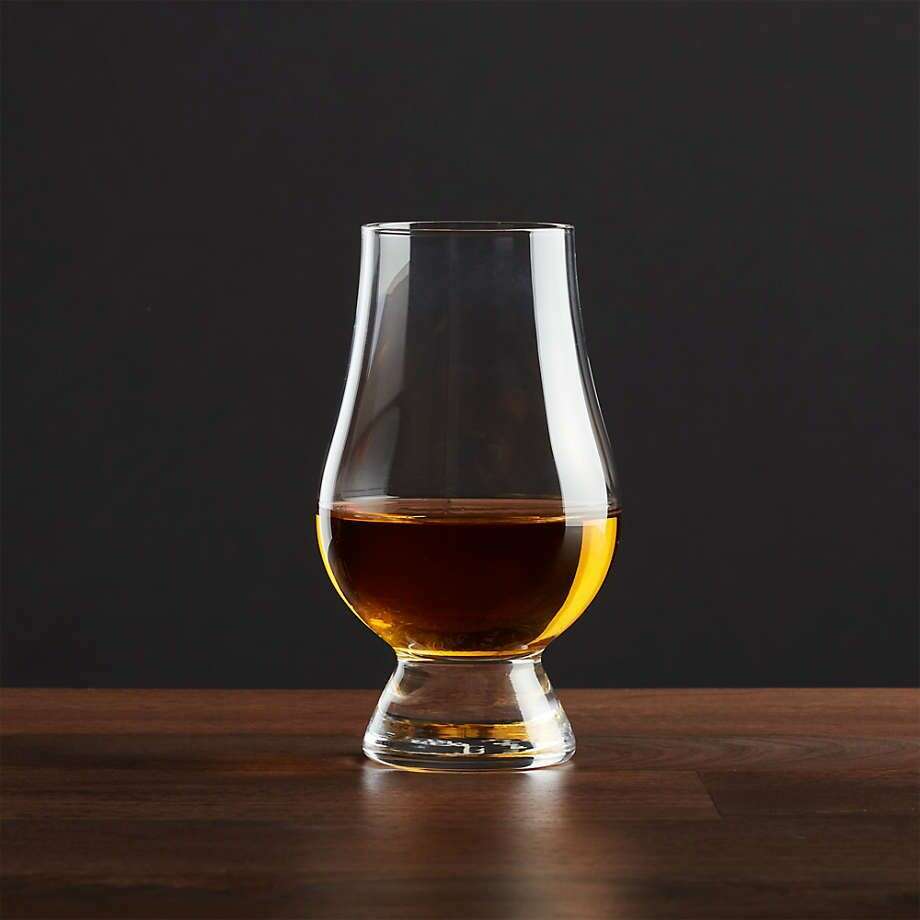
Pour 1 ounce of a Speyside single malt (Glenfiddich 12 or Glenlivet 12) next to 1 ounce of a Redbreast 12 or Green Spot in identical Glencairn glasses. Nose both — the Scotch will read cleaner and more cereal-forward, the pot still will push more dried-fruit, honey, and that distinctive green-pepper note. Sip neat. You'll feel the thicker, creamier pot still texture almost immediately; the Scotch will be lighter on the tongue. Now add a few drops of water to each and nose again. The water will unlock a wave of floral notes on the Scotch and a heavier baking-spice profile on the pot still.
That's the clearest 15-minute education you can give yourself in the difference between these two styles. If you enjoyed this comparison, our 2026 Irish Whiskey Buyer's Guide and Scotch for Beginners guide dig deeper into each category.
Shop Single Pot Still and Single Malt at Bourbon Central
Browse the complete Irish Whiskey collection for every pot still expression we carry, from Green Spot to the rare Midleton Barry Crockett Legacy ($329.99). For Scotch, start with our full Scotch collection — or dive straight into the broader Whiskey and Best Sellers collections for the most popular pours on the site. Whether you're a single malt loyalist or a pot still convert, both categories reward patient sipping — and both pair beautifully with the same Glencairn glass, the same slow evening, and the same refusal to rush.

