


How to Make a Penicillin Cocktail: The Modern Scotch Classic for World Whisky Day 2026 (Bottle Picks, Recipe & Variations)
World Whisky Day lands on Saturday, May 16, 2026 — five days from now — and if you want to celebrate with something more interesting than a neat pour, the cocktail to make is the Penicillin. Created in 2005 by bartender Sam Ross at Milk & Honey in New York, the Penicillin is the rare modern cocktail that has earned a permanent seat next to the Old Fashioned and the Manhattan. It's smoky, citrusy, gingery, and honey-sweet all at once, and it's the best argument we've ever heard for buying two bottles of Scotch instead of one.
This guide walks through the canonical recipe, the bottles we recommend for the base call and the Islay float, the most common mistakes home bartenders make, and three variations worth knowing. Every bottle mentioned is in stock at Bourbon Central with same-week shipping.
The Penicillin Recipe (As Sam Ross Wrote It)
This is the original spec. Don't substitute — the proportions work because they work.
- 2 oz blended Scotch whisky
- 3/4 oz fresh lemon juice
- 3/4 oz honey-ginger syrup (recipe below)
- 1/4 oz Islay single malt Scotch (the "float")
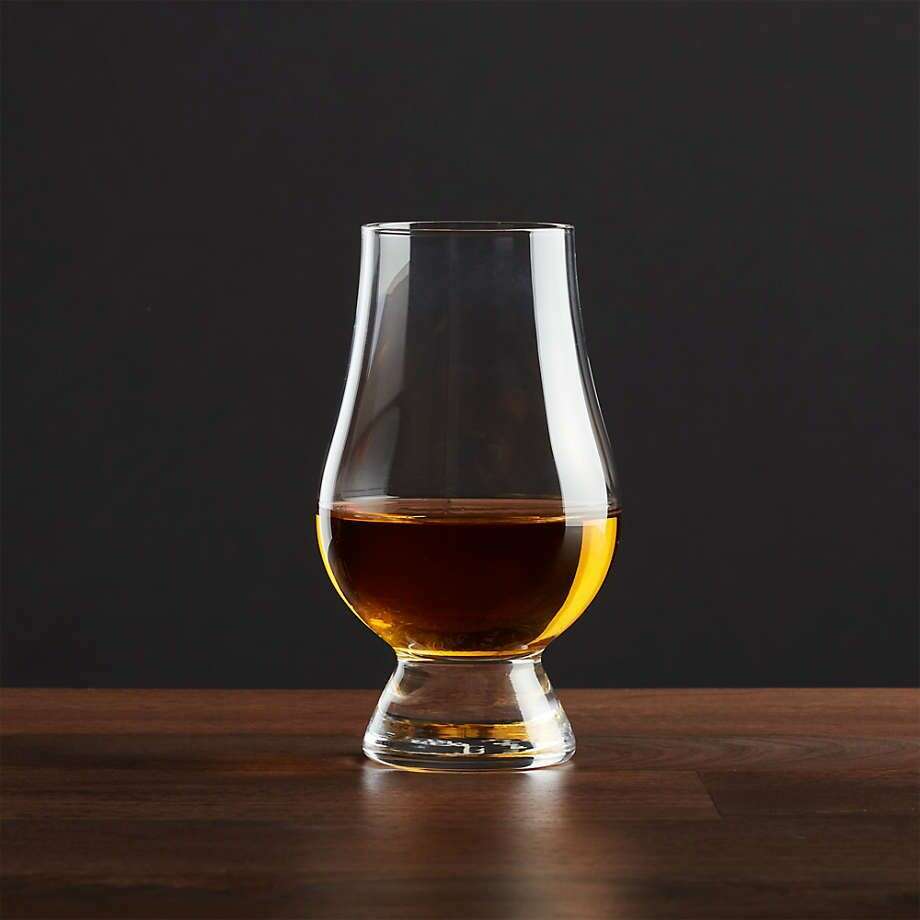
Method: Add the blended Scotch, lemon juice, and honey-ginger syrup to a shaker with ice. Shake hard for 10–12 seconds. Strain over a single large cube in a rocks glass. Carefully pour the Islay single malt over the back of a bar spoon so it floats on top. Garnish with a thin slice of candied ginger.
How to Make Honey-Ginger Syrup
This is the only component you can't buy in a bottle. The good news: it takes ten minutes.
Peel and roughly chop a 3-inch piece of fresh ginger. Combine it with 1 cup of honey and 1 cup of water in a small saucepan. Bring to a low simmer, then turn the heat off and let it steep for 30 minutes. Strain through a fine-mesh sieve into a sealable jar. Refrigerated, it keeps for two weeks. The ratio you want in the finished syrup is roughly 1:1 honey to water with the ginger as the supporting flavor — sweet first, ginger heat second.
Lazy version: 1 oz fresh-pressed ginger juice combined with 2 oz honey shaken until dissolved. Skip the simmer entirely. It's hotter, less mellow, and many bartenders prefer it.
The Best Blended Scotch for the Base Call
The Penicillin needs a blended Scotch with body — something that won't disappear under the lemon and ginger. Sam Ross's original call was Famous Grouse; the bar industry largely shifted to Monkey Shoulder in the years after the recipe spread. Both work. So does any well-made blended malt under 90 proof.
Monkey Shoulder Vatted Malts ($43.09) is the modern industry default and our top pick. It's a blend of three Speyside single malts (Glenfiddich, Balvenie, and Kininvie) and brings just enough malty weight to stand up to the float without overpowering the citrus. If you make Penicillins more than a few times a year, this is the bottle to keep on the shelf.
The Famous Grouse ($24.99) is the original call and still the right answer if you want to taste the cocktail Sam Ross built. It's a touch lighter than Monkey Shoulder and finishes drier, which lets the ginger speak louder.
Dewar's 12 Year ($22.99) is the dark-horse pick — softer and rounder than the other two, with a honeyed finish that mirrors the syrup. It's our recommendation when serving the cocktail to someone who doesn't normally drink Scotch.
Chivas Regal 12 Year ($39.09) works if you want a smoother, more luxurious version. It loses a little of the lemon punch but gains a creamy mouthfeel that some drinkers prefer for the "second round" version of the night.
Compass Box The Lost Blend ($124.99) is the bottle for someone hosting a serious tasting. It's a heavier, oilier blended malt and produces a Penicillin that drinks closer to a Hot Toddy in cocktail form — broader and more wintery, even on a May evening.
The Islay Float: This Is the Whole Point
The Penicillin works because two whiskies do two jobs. The blended Scotch builds the body of the drink; the Islay float supplies the smoke. The peat doesn't blend into the cocktail — it sits on top and you smell it on every sip. That smoke-on-the-nose, sweet-on-the-palate split is what made the recipe famous. Use a peated single malt with character; this is the wrong place to pour a quiet 12-year Speyside.
Bowmore Legend Single Malt Islay ($39.99) is our top value pick for the float. Bowmore sits at the more approachable end of Islay — medium peat, plenty of salinity, not so smoky that it dominates. Because the float is only a quarter ounce, you don't need to spend $100 on a bottle. A single 750ml of Legend will make Penicillins for the rest of the year.
Laphroaig Cairdeas Single Malt ($98.99) is the choice when you want the full Islay statement. Cairdeas is Laphroaig's annual limited release and the current bottling brings the medicinal, iodine-rich profile the distillery is famous for. A quarter ounce on top transforms the cocktail.
Caol Ila Distiller's Edition ($89.99) is the float we reach for when the base is Monkey Shoulder. Caol Ila has a lemony, almost coastal quality that echoes the lemon juice in the drink. It's the most "harmonious" of the Islay options, where Laphroaig is the most "argumentative."
Talisker 10 Year ($89.99) is technically a cheat — Talisker is from the Isle of Skye, not Islay — but it's peated, peppery, and produces a fantastic Penicillin. Use it when you want smoke with a pepper-spice kick that plays against the ginger syrup.
Lagavulin 12 Year ($185.99) is reserved for special-occasion Penicillins. The 12 is cask-strength and intensely peated; a quarter ounce on top produces a drink that drinks like a single malt with a citrus chaser. Save for World Whisky Day or your most patient guest.
The Four Rules Most Home Bartenders Miss
1. The float is not optional. A Penicillin without the smoky float is a Gold Rush — a different (and also great) cocktail, but not a Penicillin. The Islay layer is what makes the drink legendary.
2. Shake hard, strain once. Don't double-strain through a fine sieve. You want a little ginger texture and the slight pulp from the lemon. Single-strain through the Hawthorne strainer only.
3. Big ice, not small ice. A single 2-inch cube is the play. Crushed ice over-dilutes; small cubes melt too fast and dilute the float into the body of the drink within a minute. The whole point is to drink the cocktail in three stages: smoke, then balance, then sweet finish.
4. Use fresh lemon, every time. Bottled lemon juice tastes like bottled lemon juice. The bright citrus is the engine of the cocktail; cutting corners here is the single biggest cause of a flat-tasting Penicillin.
Three Variations Worth Knowing
Bourbon Penicillin: Swap the blended Scotch for 2 oz of Buffalo Trace ($78.99) or Maker's Mark 46 ($44.99). Keep the lemon, syrup, and Islay float identical. The result is sweeter and rounder; the cocktail loses some of its complexity but gains drinkability. A natural choice if you've stocked up for Kentucky Derby and Memorial Day.
Smoked Penicillin (Mezcal): Replace the base with 2 oz of mezcal. The drink doubles down on smoke — mezcal smoke under, Islay smoke over — and the ginger plays a different role, sharper against the agave. Skip if you're not a mezcal drinker; love it if you are.
Japanese Whisky Penicillin: 2 oz of Nikka From the Barrel ($79.09) as the base, with a float of Hakushu 12 Year ($199.99). Hakushu is lightly peated, so the float works similarly to a softer Islay. The cocktail drinks more delicate, almost herbal — a sophisticated alternative for a Japanese whisky tasting.
What to Pair It With
The Penicillin is a pre-dinner cocktail — it has acid, sweetness, and smoke, but no creaminess, no spice, no chocolate. Pair it with charcuterie heavy on cured ham and aged cheddar, with smoked almonds, or with anything featuring honey-glazed pork. It does not pair with anything sweet; save the dessert pours for a dessert cocktail instead.
Stocking Up for World Whisky Day
For the home bar, the budget-conscious Penicillin kit is one bottle of Monkey Shoulder, one bottle of Bowmore Legend, fresh lemons, a knob of ginger, and a jar of good honey. Total spend: under $90, and the kit will make 25+ Penicillins. For a more ambitious kit, swap in Compass Box The Lost Blend as the base and Laphroaig Cairdeas as the float.
Browse the full Scotch collection for more single malts and blends, or the Whiskey collection for the broader American, Irish, and Japanese options that work in the variations above. The Japanese Whisky collection has the Hakushu and Nikka bottles called out in the Japanese variation, and the Best Sellers page is where the most-ordered Penicillin building blocks live.
The Bigger Picture: Cocktails That Reward Two-Bottle Bars
The Penicillin is part of a small group of modern cocktails — the Paper Plane, the Naked & Famous, the Last Word — that became modern classics by combining two spirits in roles that traditional recipes treat as interchangeable. The reason these drinks belong in the home bar canon is that they reward exactly the kind of curiosity that brings someone to a whisky shop: instead of pouring the same neat dram every time, you taste how two whiskies interact in a single glass. World Whisky Day is the right excuse to start.
For other World Whisky Day building blocks, see our 10 Bottles for a Global Whisky Tour, the 8-Cocktail World Whisky Day Guide, or the deep-dive Japanese Highball Guide shipped earlier this month. For the broader Scotch context, the Scotch for Beginners guide is the right starting point.

