


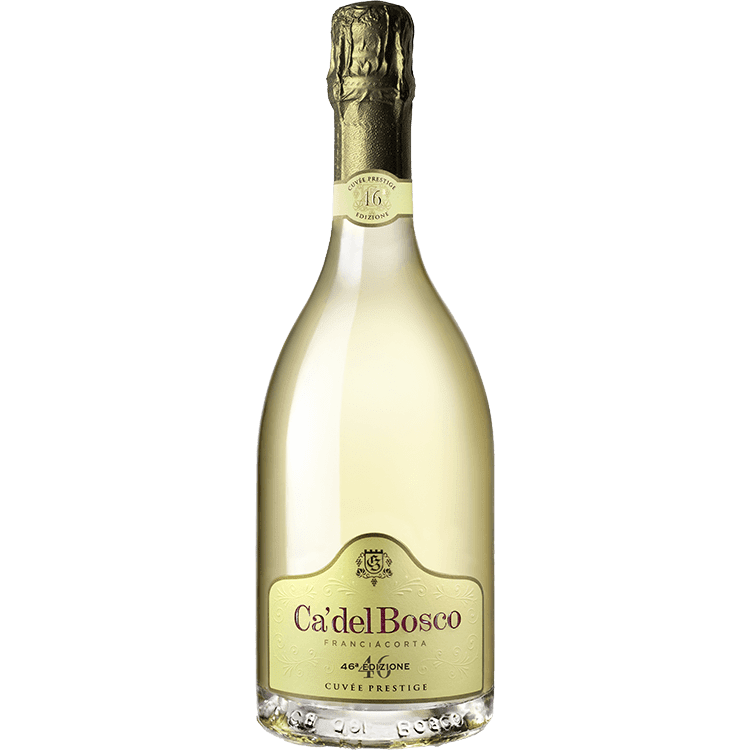
Oktoberfest Starts September 19 (2026): What Germans Actually Drink When It Isn't Beer — Riesling by Ripeness Level, Black Forest Fruit Brandy, and 8 Bottles for the Table

Oktoberfest 2026 runs September 19 through October 4 — sixteen days on the Theresienwiese in Munich, opening with the mayor's noon tapping of the first keg. It is the largest beer festival on earth, and if you are throwing a party for it, you have probably already sorted the beer.
This guide is about the other half of the table, and it exists because of a persistent misreading of German drinking culture. Germany is a serious wine country — roughly 100,000 hectares under vine, thirteen designated growing regions, and a grape in Riesling that a great many sommeliers will privately tell you is the finest white wine grape in the world. Germany is also the home of a fruit-brandy tradition, Obstbrand, that has no real equivalent anywhere else, and of the bitter herbal liqueur category that ends nearly every long German meal.
None of it shows up at the average American Oktoberfest party, which is a shame, because it is the part that actually solves problems. Beer with schnitzel is fine. Riesling with schnitzel is correct. Below: how German wine labels actually work (the part that scares people off is the part that makes it easy), what to pour when, and eight bottles that will carry the table from the first pretzel to the last slice of cherry cake.
The eight bottles in this guide


The label problem, solved in ninety seconds
German wine labels have a reputation for being impenetrable, and the reputation is undeserved. There is really only one concept to learn, and once you have it, the label is telling you more useful information than almost any other country's.
The system is built on ripeness at harvest — how much sugar was in the grape the day it was picked — rather than on geography or producer hierarchy. In ascending order of ripeness: Kabinett (lightest, lowest alcohol, most delicate), Spätlese ("late harvest"), Auslese ("select harvest"), and then the dessert tiers, Beerenauslese and Trockenbeerenauslese.
Here is the crucial catch, and it is the single thing that makes people mistrust German wine: ripeness is not the same as sweetness. A winemaker can ferment all that sugar into alcohol and produce a bone-dry wine, or stop early and leave some behind. The word that tells you which is trocken (dry) or halbtrocken/feinherb (off-dry). A Kabinett with no dryness designation is usually gently off-dry and around 8–10% alcohol. A Riesling marked trocken is dry and usually 11–12.5%.
Two words — the ripeness tier and the presence or absence of trocken — and you know what is in the bottle. That is more than a bottle of California Chardonnay will ever tell you.
Why Riesling is the right wine for this food
Oktoberfest food is fatty, salty, and frequently sweet-and-sour at the same time: roast pork with crackling, sausage, pretzels with mustard, potato salad in vinegar dressing, red cabbage cooked with apple, cheese spätzle.
That combination destroys most wine. Big oaked reds go bitter against vinegar. Rich Chardonnay compounds the fat and the table goes heavy by the second course. Riesling is one of the very few wines built to handle all of it at once, for two structural reasons.
Acidity cuts fat. Riesling carries naturally high acidity even at full ripeness, which is exactly what pork crackling and sausage need — the same job a squeeze of lemon does, delivered in the glass instead of on the plate.
A touch of residual sugar cancels heat, salt and vinegar. Sweetness in wine neutralizes the harshness of mustard, sharp vinegar dressings and heavy salt. This is why off-dry Riesling is the standard sommelier answer for spicy food, and why it works on a table where half the dishes have a vinegar or mustard component.
The low alcohol matters too. A Mosel Kabinett at 8.5% is a wine you can drink for four hours across a long afternoon table. That is the actual Oktoberfest use case, and a 14.5% red is not the tool for it. If you want the wider argument for lighter, higher-acid whites, we made it at length in our summer white wine guide.
The eight bottles, by role
1. The long-afternoon Riesling
Dr. Hans von Müller Riesling Kabinett Mosel ($10.49) is a Mosel Kabinett and the purest illustration of everything above — low alcohol, high acid, gentle sweetness, and enough tension that it never becomes cloying. At this price it is close to the best value in the store for what it does. Buy two. It goes with pretzels, it goes with sausage, and it goes with an afternoon that has no particular structure.
Fritz Windisch Spiegelberg Riesling Kabinett ($13.99) does a similar job from a different corner of Rheinhessen, a Kabinett with a slightly rounder, more orchard-fruited profile. If you are pouring for a group that says it doesn't like sweet wine and then reliably drinks the off-dry bottle first, this is the one to open without commentary.
2. The gateway bottle
Dr. Loosen "Dr. L" Riesling ($16.09) is the wine that has converted more Americans to German Riesling than any other single bottle, and it earns the role. It is off-dry, immediately likeable, apple-and-lime forward, and it does not require anyone at the table to have opinions about ripeness tiers. Put it out first.
3. The dry Riesling, for people who insist
There is always someone who says they don't drink sweet wine. Bassermann-Jordan Riesling ($17.09) is the answer: a Pfalz estate with a serious history, making Riesling in the dry style the southern German regions favour — more body, more stone-fruit weight, noticeably less sugar. It pairs better with the roast pork course than any of the lighter bottles above, and it settles the argument without a lecture.
4. The one for the person who already knows
St. Urbans-Hof Wiltinger Riesling Schlangengraben ($21.09) comes from the Saar, the coolest and most severe of the Mosel tributaries, and it is the bottle on this list with the most to say. Slate, citrus peel, a mineral austerity that takes twenty minutes in the glass to unwind. Serve it later in the evening, in a proper wine glass, to the two or three people at the party who will notice. It is also the bottle we would put on a cheese board — see our wine and cheese pairing guide for why high-acid whites beat reds there far more often than people expect.
5. The aromatic wildcard
Chateau Ste. Michelle Gewürztraminer ($14.99) is Washington State rather than German, and it is on this list deliberately. Gewürztraminer is an Alsatian and German grape — the name literally means "spiced Traminer" — and this is the most reliable, most affordable expression of it available domestically. Lychee, rose, baking spice, a broad oily texture. It is the single best wine on this list for smoked sausage, for anything with paprika, and for cheese spätzle. If you buy one bottle outside the Riesling family, buy this one.
After the meal: the part Americans skip
A German meal of this size does not end with the meal. It ends with a small, cold, clear spirit in a small glass, and the category has a name — Obstbrand, fruit brandy — that covers a tradition largely unknown in the United States despite being one of the great distilling cultures of Europe.
The distinction that matters: a true wasser or brand is fermented and distilled fruit, unsweetened, bottled dry and clear. It is not a schnapps in the American sense, which is usually a neutral spirit with fruit syrup added. The German product is bone-dry, aromatically intense, and tastes overwhelmingly of the fruit without a gram of sugar in it. It takes something like twenty kilos of fruit to make a single bottle, which is why the good ones are not cheap.
6. Black Forest cherry brandy
Schladerer Kirschwasser Black Forest Cherry Brandy ($47.99) is the reference bottle for the style and comes from the region that defines it. The Black Forest is to kirschwasser what Cognac is to grape brandy — the same geographic-and-technique lock. It is distilled from whole black cherries, stones included, which is where the faint almond note comes from.
Serve it cold, in a small glass, after the food is cleared. It is also the correct ingredient for a Black Forest gâteau made properly, and it makes a genuinely excellent cocktail modifier — a bar spoon in a whiskey sour changes it entirely. If dry, dark after-dinner spirits are your territory generally, our beginner’s guide to Cognac covers the French side of the same tradition.
7. Pear
Marie Brizard Pear William ($24.99) is the pear counterpart, and pear is the fruit brandy most likely to convert a sceptic. It is more perfumed and less austere than kirsch, with a ripe Williams-pear nose that is startlingly literal the first time you smell it. At this price it is an easy way into the category. For the theatrical version — the bottle with an entire pear grown inside it, which happens by tying the bottle over the fruit on the branch in spring — Kammer Williams Pear-in-the-Bottle Brandy ($69.99) is on the shelf and makes a better gift than most things costing twice as much.
8. The bitter herbal one
Jägermeister 1L ($29.99) needs no introduction and deserves a better reputation than the one American college bars have given it. In Germany it is a Kräuterlikör — 56 herbs, roots and spices, macerated and aged in oak for a year — and it is drunk cold, slowly, as a digestif, not as a shot at speed. Served properly at around −8°C after a heavy meal, it is a genuinely well-made bitter liqueur doing the exact job that amari do in Italy.
The 1-litre format is the sensible buy for a party. Keep it in the freezer; it is designed for it, and the viscosity it picks up there is the whole point.
How to actually run the table
A working order of service for a party of eight to twelve, using the bottles above:
- Arrival, with pretzels and mustard. The gateway Riesling, cold. It asks nothing of anyone.
- Through the sausage and the salads. One Kabinett open at all times. This is the workhorse position and the reason to buy two bottles rather than one.
- The main course — roast pork, schnitzel, anything with crackling. Switch to the dry Pfalz Riesling. The extra body matches the heavier plate.
- Cheese, spätzle, anything smoked or paprika-spiced. The Gewürztraminer. This is the pairing people will remember.
- After the plates are cleared. Kirschwasser or pear brandy, cold, in small glasses. Herbal liqueur from the freezer for whoever wants it.
Quantities: for twelve people over four or five hours, plan on roughly one bottle of wine per two guests if beer is also being served, and one bottle per person if it isn't. The digestifs are a single small pour each — one 750ml bottle covers a party of fifteen comfortably.
Serving temperature is the one thing most people get wrong. German Riesling is routinely served too cold, straight from the back of a fridge at 3–4°C, where the aromatics are simply switched off. Pull it out fifteen minutes before pouring; 8–10°C is the target. The fruit brandies go the other way — they genuinely want to be cold, and the freezer is correct.
What this has to do with the rest of your autumn
The reason to buy German wine in September is not only Oktoberfest. High-acid, low-alcohol, off-dry whites are the most underrated category for the entire American autumn table — they are the standard answer for Thanksgiving for exactly the same reasons they work with schnitzel, which is why an off-dry Riesling sits in the second position of our Thanksgiving wine plan. Buying now means you are covered for both, and it means the bottles have arrived and rested before the shipping crush of November.
If you are building an autumn drinks shelf more broadly, the two companion pieces are fall whiskey cocktails for the whiskey side, and how long an open bottle of vermouth really lasts — which matters here too, because the same oxidation clock that governs an open bottle of vermouth governs an open bottle of Riesling. Once opened, get it back in the fridge with the cork in and drink it within three or four days. Fruit brandies and herbal liqueurs, at 40% ABV and higher, will keep for years.
Where to start
If you buy exactly three bottles for September 19: the gateway Riesling, the Gewürztraminer, and the kirschwasser. That is the arc of a proper German table in three purchases — easy white, aromatic white, dry fruit spirit — for well under a hundred dollars.
Browse the full Wine | Germany selection for the rest of the Mosel and Pfalz shelf, the Riesling collection for everything by the grape, and Cordials & Liqueurs for the digestif side of the table. The White Wine and Brandy collections are where the rest of the autumn shelf lives.
Sixteen days, starting September 19. Order this week and everything will be in the house with time to chill.

