


Cognac Explained: A Beginner's Guide to France's Finest Spirit (2026 Edition)
If bourbon is the spirit of Kentucky and Scotch the soul of Speyside, cognac is the pride of southwestern France — a tightly regulated style of brandy made from specific grapes, in a specific region, aged in specific oak. It's also one of the most misunderstood spirits on the American shelf. This guide is built for the cognac-curious: what it is, how the grades work, which bottles to start with, and how to drink it without overthinking it. Every bottle mentioned is verified in stock at Bourbon Central — just click through to shop directly.
What Actually Counts as Cognac
Cognac is brandy — distilled wine — but with strict rules. To be called cognac, the spirit must be made in the Cognac region of France from approved white grapes (primarily Ugni Blanc), double-distilled in copper pot stills, and aged at least two years in French Limousin or Tronçais oak. Brandy made outside this region, even from identical grapes, is just brandy. Think of cognac as the Kentucky bourbon of France: a protected geographic designation with teeth.
The Cognac region is divided into six growing areas called crus. The two most prestigious — Grande Champagne and Petite Champagne — have chalky soils that produce the finest, longest-aging eaux-de-vie. When you see "Fine Champagne" on a label, it means at least 50% Grande Champagne grapes.
The Grades: VS, VSOP, XO, and Beyond
Cognac grades tell you the minimum age of the youngest eau-de-vie in the blend. Here's what they mean in practice:
VS (Very Special) — minimum 2 years in oak. Bright, fruity, cocktail-friendly. This is your mixing cognac, and there's no shame in it. Hennessy VSOP Privilege ($74.99) is the best-selling premium cognac in the world for a reason — if you're building a home bar, a V.S. or VSOP from a major house is the correct first bottle.
VSOP (Very Superior Old Pale) — minimum 4 years. Richer, rounder, with real oak-driven depth. Works beautifully neat or in a Sazerac-style cocktail. Martell V.S.O.P. Cognac ($52.09) is our sleeper value pick in this category — Martell is the oldest of the big four cognac houses, and their VSOP is distilled without the lees, making it uniquely elegant.
Napoleón — minimum 6 years. A step up from VSOP but not yet XO. Often great value. Courvoisier 12 Years ($49.99) sits in this territory and gives you true old-cognac complexity for the price of a decent bourbon.
XO (Extra Old) — minimum 10 years (raised from 6 in 2018). The sweet spot for serious sipping cognac. Deep notes of dried fruit, leather, toffee, and rancio — the savory, mushroom-like note that only appears in very old brandy. Courvoisier Cognac X.O. ($16.99 for 50ml; larger formats available) and Martell XO Extra Fine Cognac ($199.99) are textbook examples of what XO should taste like.
XXO (Extra Extra Old) — minimum 14 years, added as a new category in 2018. Still rare on American shelves.
Hors d'âge and named blends — age designations beyond XO. This is the Pappy Van Winkle territory of cognac. For a genuinely impressive gift-shelf bottle, Rémy Martin Centaure ($124.99) blends eaux-de-vie averaging far beyond the XO minimum.
The Four Big Houses (and Why They Matter)
Hennessy — The largest cognac house in the world, and the most imported spirit of any kind into the United States. Their style leans toasty, nutty, and rich. Try Hennessy V.S.O.P. Cognac (375ml) ($39.99) for the house style, or Hennessy Black ($48.99) for a cocktail-forward bottling popular in hip-hop culture. For celebrity-edition fans, Hennessy VSOP x LeBron James Limited Edition ($54.99) and Hennessy 250th Anniversary Limited Edition ($599.99) are worth a look.
Martell — Founded in 1715, the oldest of the four. Known for a drier, more floral style. Their Martell Cordon Bleu Cognac ($174.99) is one of the most distinctive luxury cognacs on the market — deep spice-box notes with a silky finish.
Rémy Martin — The only big house that uses exclusively Fine Champagne grapes (Grande + Petite Champagne crus). Expect elegant, long-aging spirits with pronounced floral character. Rémy Martin V.S. Grand Cru ($39.99) is an excellent first step into the Fine Champagne style at an entry price.
Courvoisier — Famously the cognac of Napoléon Bonaparte. Stylistically bright and floral. Courvoisier VSOP (750ml) ($59.99) is the gateway bottle. For a lighter summer pour, Courvoisier Cognac Rosé ($39.99) is finished in red wine casks for a genuinely unique profile.
Beyond the Big Four: Two Specialty Houses Worth Knowing
The big four dominate the market, but some of the most interesting cognac comes from smaller producers. Camus XO Elegance ($139.99) is the largest family-owned cognac house — their Borderies-focused style is rounder and more floral than the mainstream. For older cognac enthusiasts, Delamain Vesper Cognac ($214.99) is exclusively Grande Champagne and exclusively XO-and-older — one of the most respected labels among sommeliers.
How to Drink Cognac
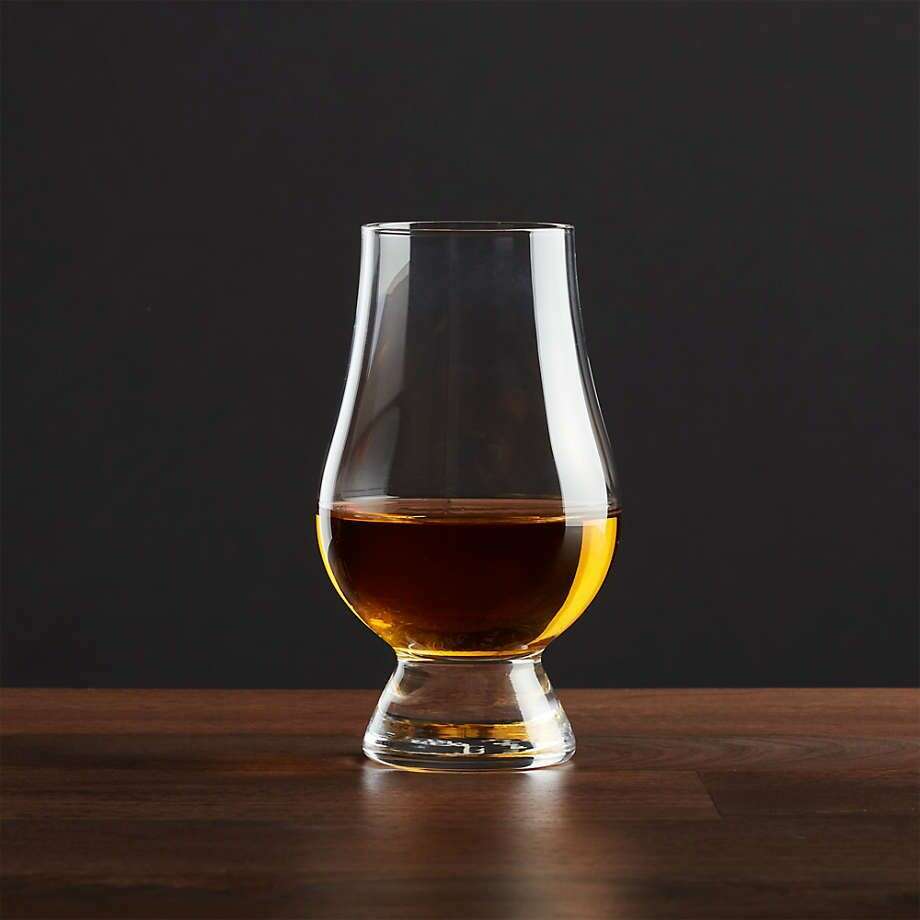
Forget the brandy snifter. Modern cognac sommeliers prefer a tulip-shaped glass that concentrates aroma without suffocating the spirit. Pour half an ounce, let it breathe for a minute, and sip slowly at room temperature.
Neat — for XO and up. Take your time; the flavor evolves over 20 minutes in the glass.
On a large rock — perfectly acceptable with VS and VSOP, especially on a summer evening. Let it sit a minute so the ice doesn't shock the spirit.
Cocktails — the classic Sidecar (2 oz VSOP cognac, 3/4 oz Cointreau, 3/4 oz fresh lemon) is one of the greatest drinks ever invented. A cognac Sazerac substitutes VSOP for rye. And yes, VS cognac in a Manhattan is a revelation.
Pair cognac with dark chocolate, dried fruit, aged hard cheeses, or a light Cuban cigar. Avoid mint — it fights the spirit's fruit character.
Where Cognac Fits Against the Other Brown Spirits
If you already love bourbon, cognac gives you something bourbon can't: grape-driven fruit, floral top notes, and a distinctly French sense of restraint. It's a natural next step for anyone exploring beyond Kentucky — especially if you've also been working through our Scotch Whisky for Beginners guide. Like a peated Islay, a good XO cognac rewards slow sipping and patience.
For the broader brandy family, our brandy collection includes Spanish, American, and South African options alongside cognac. And if you're building a well-rounded home bar, don't forget our whiskey and scotch shelves.
Ready to Shop?
Browse our full cognac collection for more than 80 verified in-stock bottles across every grade and house, from everyday VSOPs to Hors d'âge showpieces. Our New Arrivals shelf gets weekly updates, and the Best Sellers collection shows what your neighbors are actually pouring. Cheers — or as they say in Cognac, santé.

