


Bourbon for People Who Think They Don't Like Bourbon (2026): The 6 Reasons the First Sip Went Wrong — and 8 Bottles That Fix Each One

"I don't like bourbon" is one of the most common things we hear, and it is almost always false. What people mean, nearly every time, is that they once drank something harsh out of the wrong glass at the wrong temperature at the wrong strength, and reasonably concluded that the whole category was not for them.
That is not a taste preference. That is a bad first experience, and it is fixable. Bourbon has a genuinely enormous range — from 80-proof, soft, faintly sweet bottles that drink like a lightly oaked white wine, to 130-proof barrel-proof monsters that will remove the enamel from your teeth. If your only data point sits at the wrong end of that range, you have not actually tested the hypothesis.
Below are the six reasons a first bourbon usually goes wrong, what is actually happening in each case, and the specific bottle that solves it. No lecture, no "you just need to develop a palate." If it burned, we will fix the burn.
Eight bottles for the six reasons


Reason 1: "It burned." (You drank something too strong, too fast.)
What actually happened: Ethanol activates the same heat receptor in your mouth — TRPV1 — that capsaicin does. Above roughly 45% ABV, that activation is strong enough to register as genuine pain, and pain drowns out flavour. If your first bourbon was a shot of well whiskey or a neat pour of something at 100-plus proof, you did not taste bourbon. You tasted burn.
The fix: Start at 80–90 proof, and start with a wheated mash bill, which trades rye's peppery bite for a soft, bready sweetness.
Maker'S Mark Bourbon 375Ml ($22.99) is the bottle we recommend more than any other for this exact problem. Maker's Mark is 90 proof, wheated, and about as gentle as bourbon gets without becoming boring — and the 375ml is a half-size bottle, so if the experiment fails you are out twenty-three dollars rather than fifty. Castle & Key Wheated Small Batch Bourbon ($59.99) is the same idea with more to say: bright, floral, a little honeyed, and made by a Kentucky distillery that is doing genuinely interesting work with wheated mash bills. Larceny Small Batch Bourbon ($40.09) is the value pick in the same lane.
If you want to understand the grain difference properly, our guide to wheated vs. high-rye bourbon explains why one style feels soft and the other feels sharp.
Reason 2: "It tasted like nothing but alcohol." (Nobody told you to add water.)
What actually happened: Adding water to whiskey is not dilution in the sense of weakening it. It is a chemical release. Many of the compounds you want to smell — particularly guaiacol, the one responsible for smoke and vanilla and toasted-oak character — sit clustered near the alcohol in an undiluted pour. Drop the ABV a few points and those molecules migrate to the surface where your nose can reach them. The pour gets more flavourful, not less.
The fix: Three drops of water. Wait thirty seconds. Taste again. If it is still hot, three more drops. Almost everyone who says bourbon tastes like paint thinner has never done this once.
Any of the bottles in this article respond well to it, but a mid-proof pour like Bulleit Bourbon ($37.09) is the ideal test subject — 90 proof, high rye, and dramatically different at full strength versus a few drops down. We wrote a whole guide to what water actually does to bourbon if you want the chemistry in full.
Reason 3: "It was harsh and woody and bitter." (You met young, aggressive bourbon.)
What actually happened: Cheap bourbon is not cheap because the distiller cut corners on the recipe. It is cheap because it came out of the barrel early, and young bourbon has a raw, grainy, sometimes acetone-ish edge that age smooths out. Meanwhile some expensive bourbon is over-oaked in the other direction — too many years in a hot warehouse pulls out bitter tannin that tastes like sucking on a pencil.
The fix: Go to a producer whose whole house style is mellowness rather than power.
Gentleman Jack Whiskey ($42.09) is the clearest example on the shelf. It is charcoal-filtered twice — once before the barrel and once after — and the result is about as round and low-friction as American whiskey gets. Purists sneer at it. Purists are not the audience for this article. Wild Turkey Bourbon Small Batch Longbranch ($39.99) does something similar using oak and Texas mesquite charcoal, and is a step up in complexity.
Reason 4: "It's too sweet / it tastes like corn syrup." (You want rye or you want Ireland.)
What actually happened: Bourbon is legally at least 51% corn, and corn brings sweetness. Some people are simply sensitive to that register and always will be — this is the one complaint on the list that is a genuine preference rather than a fixable accident.
The fix: Two directions. Either move to a high-rye bourbon, where the flavouring grain pushes the profile dry and peppery, or step sideways out of bourbon entirely.
For the rye direction, Bulleit Bourbon ($37.09) again — its mash bill runs unusually high in rye for a mainstream bourbon and it reads as spicy rather than sweet. For the step sideways, Irish whiskey is the softest possible landing: Jameson Irish Whisky 1.0L ($48.99) is triple-distilled, light, faintly grassy and almost impossible to dislike, and JJ Corry The Hanson Irish Whiskey ($34.99) is what to buy when you want to know why people take Irish whiskey seriously. Hibiki Harmony Whisky ($99.99) is the Japanese equivalent, and it is the bottle that has converted more self-declared whiskey-haters than anything else we sell.
Our Scotch for beginners guide covers the third exit route, if you would rather go towards smoke than away from it.
Reason 5: "I only like sweet drinks." (Then don't drink it neat. Drink it long.)
What actually happened: There is an unspoken snobbery that says drinking whiskey neat is the "real" way and everything else is training wheels. This is nonsense, and it is nonsense with a specific historical rebuttal: the highball — whiskey, soda, ice — has been the default way to drink whisky in Japan for a century, and nobody there thinks it is a beginner's move.
The fix: One part bourbon, three parts cold soda water, a lot of ice, a lemon twist. That is it. The dilution drops the effective strength to around wine level, the carbonation lifts aroma, and the cold suppresses the burn.
Legent Bourbon Whiskey ($38.99) is our favourite highball bourbon and the single most interesting bottle in this article. It is a Jim Beam bourbon partly finished in wine and sherry casks and then blended by Shinji Fukuyo, Suntory's chief blender — which means it was literally designed by someone whose job is making whisky that works in a highball. It comes out fruity, gently sweet and completely unintimidating. Pair it with Fever Tree Club Soda Single 200ML ($2.88) and you have a drink that costs about two dollars a glass to make and tastes like a bar built it.
If you want the full method, our highball guide covers ice, ratios and the mistakes most bars make. And if you want to go further into cocktails, the beginner's bourbon starter guide is the natural next stop.
Reason 6: "It didn't taste like anything I want to drink." (You haven't met a finished bourbon.)
What actually happened: Standard bourbon has to be aged in new charred oak — that is the law. New oak gives vanilla, caramel and coconut, and if those three things do not appeal to you, unfinished bourbon has a fairly narrow band to work in.
The fix: A finished bourbon, where the whiskey spends a second stint in a barrel that previously held something else — sherry, port, rum, wine. That second barrel adds an entirely different vocabulary: dried fruit, raisin, fig, chocolate, spice.
Breckenridge PX Sherry Cask Finish Bourbon Whiskey ($74.09) is the one to try. Pedro Ximénez is the sweetest, darkest, most syrupy style of sherry there is, and a bourbon finished in a PX cask comes out tasting like raisins and dark chocolate rather than vanilla and oak. Redemption Cognac Cask Finished Bourbon ($79.99) takes the French route and lands somewhere floral and grape-y. Amador Whiskey Bourbon Double Barrel ($39.99) finishes in Napa red wine barrels and is the cheapest way to understand what the technique does.
Our explainer on what a second barrel actually does goes cask by cask.
A three-week plan, if you want to be systematic about it
Buy one bottle, not three. Give it two weeks. Then decide.
- Week one — the highball. Legent Bourbon Whiskey and soda, three-to-one, over a lot of ice. Drink it the way you would drink a gin and tonic. No pressure, no ceremony.
- Week two — cut the soda. Same bottle, two-to-one. Then one-to-one. You are walking the strength up gradually, which is how palates actually adapt.
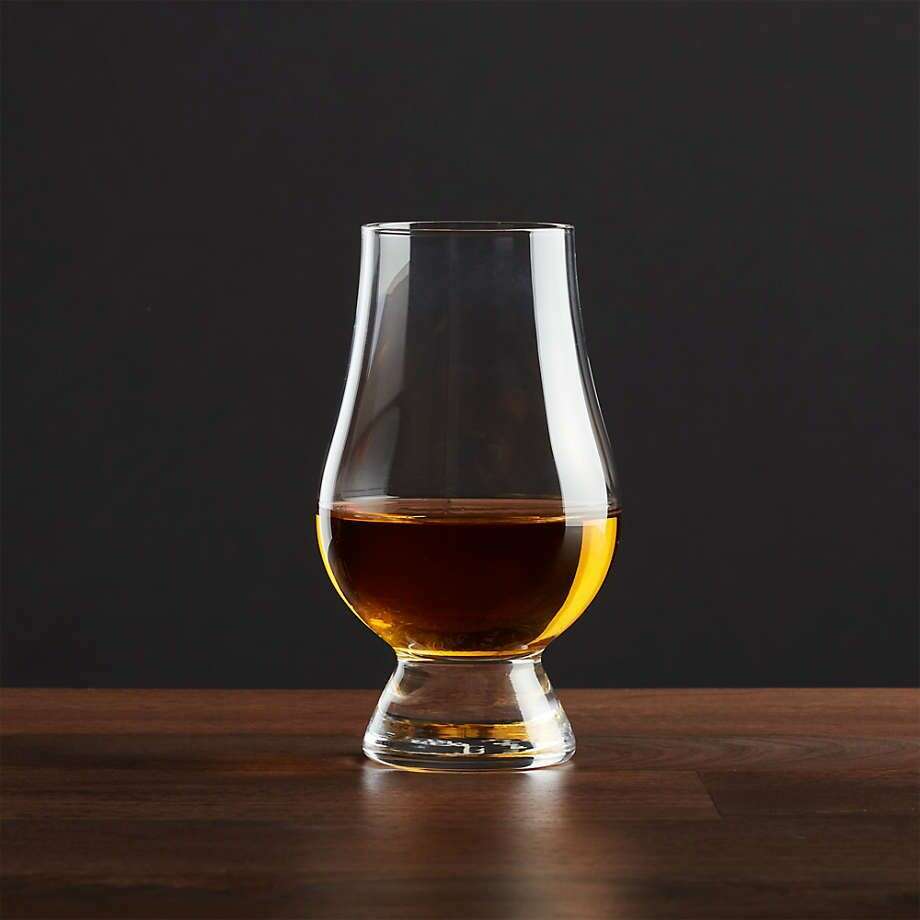
- Week three — a small neat pour with water. Half an ounce of Maker'S Mark Bourbon 375Ml in a small glass, three drops of water, thirty seconds. If it is still not for you after that, it is genuinely not for you, and that is a completely respectable outcome. Go and enjoy the wine collection instead — we would rather sell you something you like.
What not to start with
Three things to avoid until you are sure you like the category:
- Barrel proof. Elijah Craig Barrel Proof Batch C925 Bourbon ($69.99) is a wonderful bottle and completely the wrong place to begin. Come back to cask strength in a year.
- Anything with a cult reputation. Allocated bottles are allocated because they are scarce, not because they are beginner-friendly, and drinking one before you have a reference point is a waste of the bottle and your money.
- Shots. A shot bypasses your nose entirely, which removes most of what makes whiskey worth drinking, and delivers all the ethanol at once. It is the single most efficient way to convince yourself you hate a spirit.
Where to start shopping
The eight bottles above are all in stock and ship fast. If you would rather browse, the bourbon collection is where the wheated and low-proof options live, the whiskey collection covers the Irish and Japanese exits, and best sellers is a decent proxy for "bottles people actually finish." New arrivals is worth a look if you want something the internet has not already decided about.
With Bourbon Heritage Month starting next week, this is as good a moment as any to give the category a second, fairer hearing. And if you do come round, our guide to bourbon at the dinner table is where to take it next.

