


Wheated vs. High-Rye Bourbon: What's the Difference and Which Should You Buy? (2026 Guide)

Every bourbon starts with at least 51% corn — that's the law. But it's the second grain in the mash bill, the so-called flavoring grain, that does the most to shape how a bourbon actually tastes. The two camps that inspire the most debate are wheated bourbon, which uses wheat as that secondary grain, and high-rye bourbon, which leans hard on rye. Understanding the difference is the single most useful thing you can learn for picking bottles you'll love — and it's a great lens for choosing a gift for the bourbon dad in your life this Father's Day weekend. Here's what separates the two, and which bottles to reach for in each camp.
If you've read our bourbon vs. rye whiskey guide, this is the natural next step: that piece compares two whole categories, while this one digs into the mash-bill split within bourbon itself. Our single barrel vs. small batch explainer is another helpful companion for decoding what's on the label.
Eight bottles: four wheated, four high-rye


First, what is a mash bill?
A mash bill is simply the recipe of grains a whiskey is made from. For bourbon, corn must make up at least 51%, which provides the sweet, rounded base every bourbon shares. The remaining grains are where distillers express their style: almost always some malted barley (to aid fermentation) plus a flavoring grain — either wheat or rye. That one choice sends a bourbon down one of two very different flavor paths.
Wheated bourbon: soft, sweet, and mellow
Replace the rye with wheat and you get a bourbon that's gentler and rounder. Wheat doesn't add much spice of its own, so it lets the corn's natural sweetness and the barrel's caramel and vanilla take center stage. The result is soft, smooth, and easy-sipping — bourbons that often drink "older" and silkier than their proof suggests. This is the style behind some of the most chased bottles in America.
The most accessible icon of the style is Maker's Mark ($37.09), the bottle that introduced a generation to wheated bourbon — gentle, sweet, and endlessly approachable. From there, the Weller family is the wheated benchmark: W.L. Weller Special Reserve ($59.99) is the soft, mellow entry point, while Weller Antique 107 ($134.99) cranks up the proof and the richness for a bolder, more concentrated pour. The flagship W.L. Weller 12 Year ($179.99) is the one collectors prize most — a fully-mature wheated bourbon of remarkable depth and balance. For the dedicated enthusiast, Weller Full Proof delivers that same wheated profile at full, uncut strength. Choose wheated if you like your bourbon smooth, sweet, and easy to sip neat — or if you're shopping for someone newer to whiskey.
High-rye bourbon: spicy, bold, and structured
Push the rye content up (roughly 20% or more, versus the trace amounts in a standard mash bill) and the character flips. Rye brings pepper, baking spice, mint, and a drier, firmer backbone. High-rye bourbons are zippier and more assertive — they cut through ice, citrus, and bitters, which is exactly why bartenders reach for them in cocktails like the Old Fashioned and Manhattan.
Bulleit Bourbon ($37.09) is the textbook high-rye workhorse — bright, peppery, and a fantastic mixer. Four Roses Small Batch ($37.99) blends high-rye recipes for a fruit-and-spice profile that's both complex and approachable, and Basil Hayden ($53.09) is one of the gentlest ways to enjoy a high-rye mash bill: light-bodied, spice-forward, and remarkably smooth. For a deeper, more mature take, Bulleit 10-Year ($59.09) ages that signature high-rye recipe a full decade for added oak and richness. Choose high-rye if you like spice and structure, or if you mostly drink bourbon in cocktails.
How to choose (and how to taste the difference)
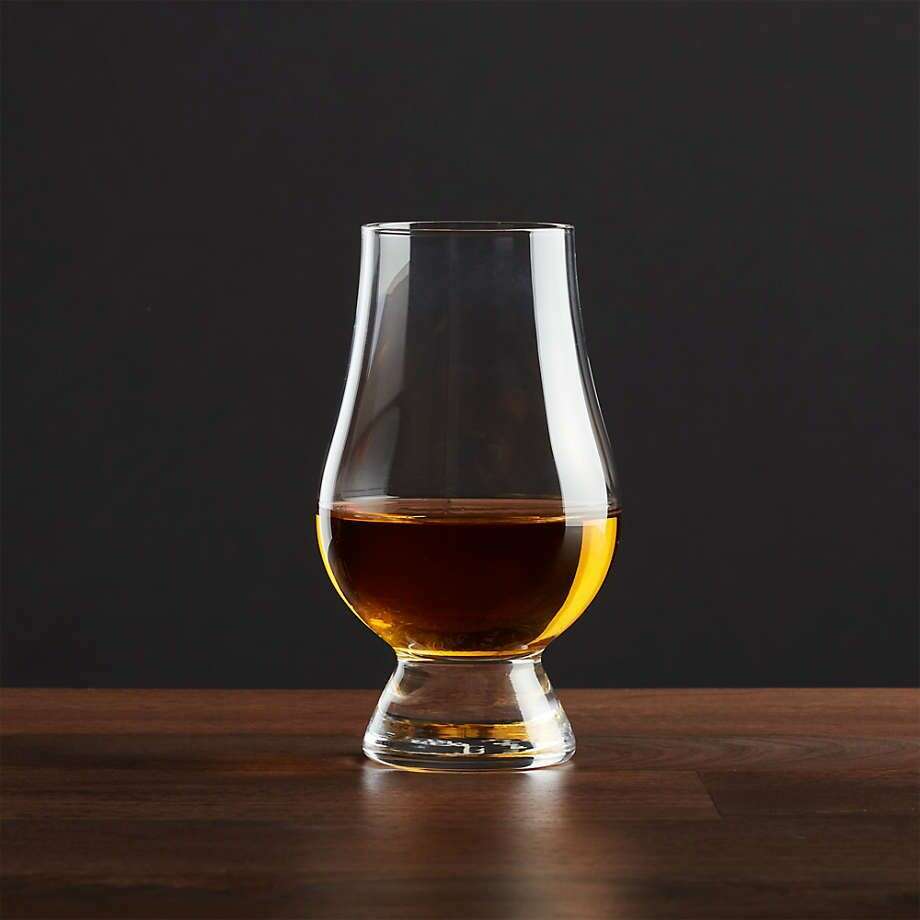
The easiest way to learn your own preference is a side-by-side: pour a small measure of a clearly wheated bottle (say, Maker's Mark or Weller Special Reserve) next to a high-rye one (Bulleit or Four Roses Small Batch) and taste them back to back, neat. You'll immediately notice the wheated pour reads softer and sweeter while the high-rye one feels spicier and drier on the finish. Our guide to tasting bourbon like a pro walks through the nosing-and-sipping method step by step. And if you want to push into the high-proof end of either style, our barrel proof bourbon 101 explains what changes when a bourbon is bottled uncut.
The verdict: there's no wrong answer
Wheated and high-rye aren't better or worse — they're different tools for different moods. Many enthusiasts keep one of each on the shelf: a soft wheated bourbon for slow neat sipping and a spicy high-rye for cocktails. If you're building a collection or shopping for a gift, that's a great place to start. For more on the wheated side, our wheated bourbon gift guide goes deeper, and the allocated Michter's, Weller & Stagg collection is where the most sought-after wheated bottles live.
Shop both styles
Whichever camp you fall into — or if you want one of each — every bottle above is in stock and ready to ship. Browse the full bourbon collection, the broader whiskey collection, or our best sellers, and pour a wheated-versus-high-rye tasting of your own this weekend. For value-minded picks across both styles, our best bourbons under $50 guide is the place to start.

