
Blind panel tested · Barrel-proof bourbon

Bourbons That Taste Like George T. Stagg (But Are Easier to Find)

Short answer

The barrel-proof bourbons closest to George T. Stagg that you can actually buy are Booker's and 1792 Full Proof — both deliver Stagg's huge, uncut, oak-and-dark-caramel intensity at a fraction of the price and the hunt. Wild Turkey Rare Breed is the best value of the group, and Maker's Mark Cask Strength is the softest way in. None is a low-rye Buffalo Trace twin, but each recreates the cask-strength Stagg experience on a shelf you can actually reach.

Bourbon Central's four-person panel blind-tasted six cask-strength Kentucky bourbons against a control pour of George T. Stagg 2025 (142.8 proof). Booker's scored closest — 88% similarity — because it matches Stagg where it matters most: uncut, unfiltered and well past 120 proof, with the same dark-caramel, oak and char intensity and a huge, chewy body. It costs about $110 rather than Stagg's hundreds on the secondary market, and it hits shelves several times a year.

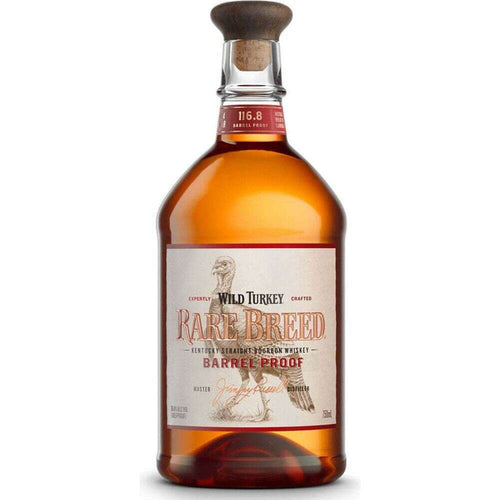
For the best value, Wild Turkey Rare Breed (116.8 proof, about $64) delivers the same barrel-proof richness for the price of a mid-shelf bottle, while 1792 Full Proof (125 proof) is the closest on sheer power for under $60. What none of them shares with Stagg is its low-rye Buffalo Trace mash bill and roughly fifteen years of age — so expect more rye spice and less of that aged, leathery depth. What they do share is the thing people chase Stagg for: enormous, undiluted, oak-driven flavour.

Here is the full ranking, with proof, price, availability and panel score for each.

Key takeaways

  • Booker's is the closest widely-sold match to George T. Stagg — 88% similarity, uncut and unfiltered at roughly 126 proof for about $110, versus Stagg's near-impossible retail hunt.
  • George T. Stagg is a low-rye Buffalo Trace bourbon aged around 15 years and bottled uncut, usually 130–145 proof; the barrel-proof format and huge body — not the exact mash bill — are what these substitutes reproduce.
  • Wild Turkey Rare Breed is the value pick at about $64 and 116.8 proof — barrel-proof richness for mid-shelf money, and the easiest of the six to find.
  • 1792 Full Proof (125 proof) is closest on raw power for under $60; Maker's Mark Cask Strength is the softest, wheated way to get cask-strength intensity.
  • No in-stock bourbon fully copies Stagg's aged, low-rye Buffalo Trace character — Elijah Craig Barrel Proof is the classic match but is currently sold out, so it isn't ranked here.
  • Every pick is bottled at or near barrel strength; add water a few drops at a time, exactly as most drinkers do with Stagg itself.
The full ranking

Similarity is scored against a control pour of George T. Stagg 2025 (142.8 proof) on nose, palate, finish and body. Sort any column to re-rank the flight.

Bourbon Central panel ranking — barrel-proof bourbons closest to George T. Stagg — blind-tasted August 12, 2026 by a 4-person panel.
Bourbon Similarity to StaggBlind panel score Proof Avg. price750 mL Availability Panel score
George T. Stagg (2025) Reference 100% 142.8 $150Allocated9.6/10
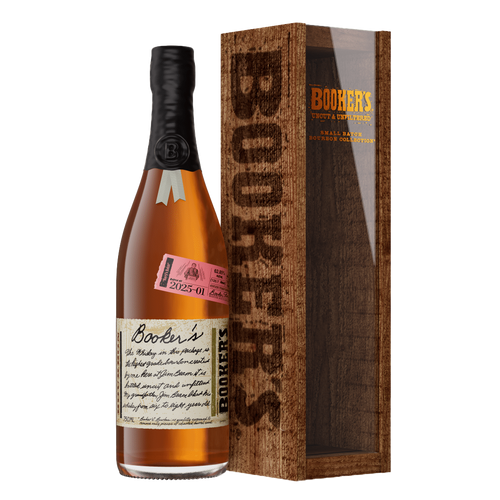
Booker's 88% 126.4 $110Limited9.0/10
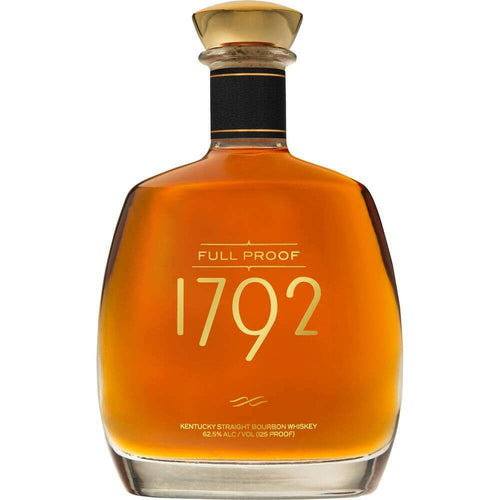
1792 Full Proof 86% 125 $60Limited8.8/10
Wild Turkey Rare Breed 83% 116.8 $64Wide9.0/10
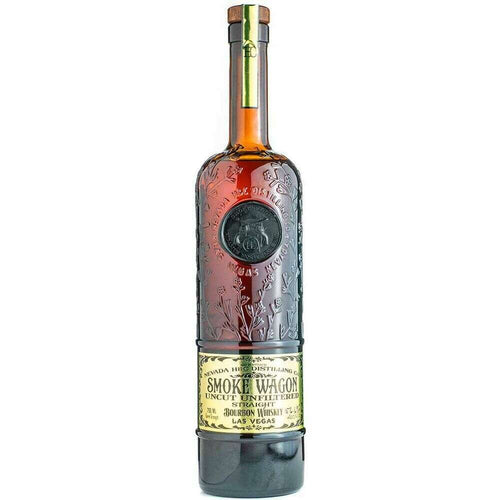
Smoke Wagon Uncut Unfiltered 82% 116 $75Limited8.9/10
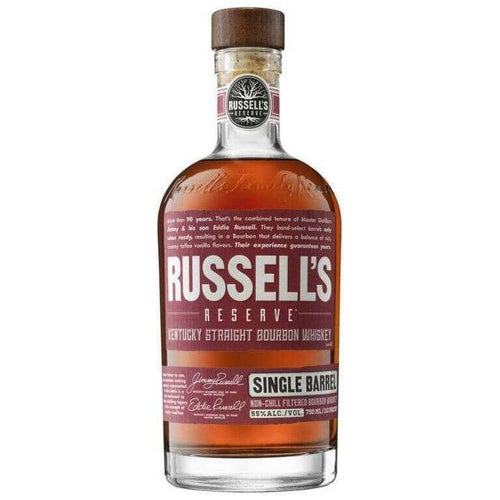
Russell's Reserve Single Barrel 80% 110 $78Wide8.8/10
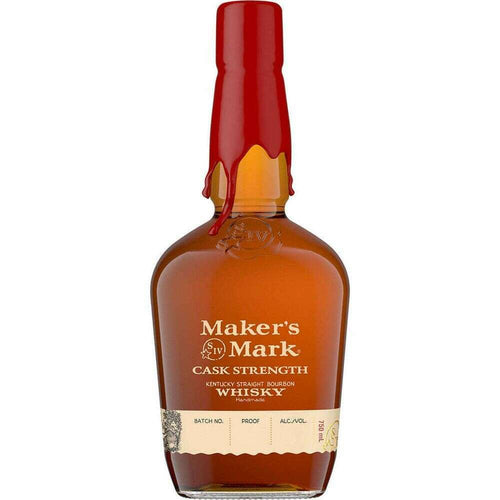
Maker's Mark Cask Strength 74% 111 $58Wide8.7/10

Scores are our panel's own. Cask-strength proof varies batch to batch, so the figures shown are representative of recent releases — the label on the bottle you receive is authoritative. Prices are the median observed at retail and move constantly; the live price on each product page is accurate. Similarity is scored against the reference bottle on nose, palate, finish and body, not on mash bill alone. Method: how we tested.

Cite this table

Free to reuse with attribution and a link back:

Nathan Cole. “Bourbons That Taste Like George T. Stagg (But Are Easier to Find).” Bourbon Central, August 2026. https://thebourboncentral.com/pages/bourbons-that-taste-like-george-t-stagg

Every pick, and who it's actually for

1

Is Booker's a good substitute for George T. Stagg?

Yes — it's the closest one you can actually buy. Booker's is bottled uncut and unfiltered at around 126 proof, straight from the barrel like Stagg, and our panel scored it 88%. It costs about $110 against Stagg's hundreds on the secondary market, and it hits shelves several batches a year.

Similarity
88%
Proof
126.4
Avg. price
$109.99
Availability
Limited
Panel score
9.0/10

Stagg's whole identity is barrel-proof intensity — uncut, unfiltered, aged well past its peers and bottled north of 130 proof. Booker's is the one bourbon on this list that meets it on those exact terms. Every batch is drawn from the center of Jim Beam's rickhouses at full strength, around six to seven years old, and bottled with nothing added and nothing taken away. The result is the same enormous, chewy, mouth-coating body that makes Stagg feel like an event rather than a pour.

Where they diverge is grain and age. Booker's runs on Beam's higher-rye recipe and carries the brand's signature roasted-nut and oak note, where Stagg's low-rye Buffalo Trace mash bill leans darker — dark chocolate, char, leather and dried cherry from fifteen years in wood. Booker's is younger, so it trades some of that aged, resinous depth for raw power and a hotter, spicier core.

Treat it the way you'd treat Stagg: pour it neat to feel the full weight, then add water a few drops at a time to open the caramel and tame the heat. It is the most Stagg-like experience on a shelf you can reach — and the one our panel kept returning to once the flight was blind-scored and over.

Panel tasting note
Nose

Dark caramel, vanilla, charred oak, roasted nuts and a lick of brown sugar — big and boozy.

Palate

Huge and chewy — molasses, oak, baking spice and a peppery high-rye kick. Full barrel-proof weight.

Finish

Long, hot, oak-and-spice driven. A few drops of water unlock more caramel.

Who it’s for

Stagg hunters who want the same uncut, over-120-proof intensity in a bottle that actually restocks.

Who should skip it

Anyone who wants Stagg's specific aged, low-rye softness, or who prefers a gentler pour.

2

What bourbon is closest to George T. Stagg on proof and price?

1792 Full Proof. Bottled at 125 proof — the exact strength it entered the barrel — it's the closest thing to Stagg's raw power for under $60. 86% similarity, and the value-per-proof champion of the flight.

Similarity
86%
Proof
125
Avg. price
$59.99
Availability
Limited
Panel score
8.8/10

'Full proof' means Barton bottles this at 125, the same proof the whiskey went into the barrel at. That gives it a robust, high-octane profile sitting right in Stagg territory: thick caramel, toasted oak, dark fruit and a serious hit of pepper. For a bottle that routinely sells under $60, the intensity is remarkable.

It is a high-rye bourbon, so it brings more cinnamon-and-clove spice than Stagg's low-rye Buffalo Trace recipe, and at a non-age-stated six-to-eight years it can't match fifteen years of oak. But the shape is right — big, sweet, oaky and hot — and it responds beautifully to a few drops of water, blooming into brown sugar and vanilla the way a good barrel-proof bourbon should.

If Booker's is the closest experience and Rare Breed is the easiest buy, 1792 Full Proof is the one that gets nearest to Stagg's sheer strength for the least money.

Panel tasting note
Nose

Brown sugar, toasted oak, dark cherry, black pepper.

Palate

Rich and full — caramel, char, cinnamon and clove, real 125-proof heat.

Finish

Long, spicy, drying. Water rounds the pepper into sweetness.

Who it’s for

Barrel-proof fans who want Stagg-level power and don't want to spend more than $60 to get it.

Who should skip it

Drinkers sensitive to rye spice or chasing Stagg's aged, low-rye character.

3

What is the best value alternative to George T. Stagg?

Wild Turkey Rare Breed, at about $64. A barrel-proof blend of 6-, 8- and 12-year Wild Turkey bottled at 116.8 proof, it delivers cask-strength richness for mid-shelf money — 83% similarity, and the easiest bottle here to find.

Similarity
83%
Proof
116.8
Avg. price
$63.99
Availability
Wide
Panel score
9.0/10

Rare Breed is the value backbone of any barrel-proof shelf. It is a marriage of Wild Turkey stocks aged six, eight and twelve years, bottled at barrel proof without chill filtration, so it carries real age and full strength at a price most single-barrel picks can't touch. That twelve-year component gives it something the younger bottles on this list lack — a genuine layer of aged oak and dark caramel that nods toward Stagg's maturity.

At 116.8 proof it sits below Stagg's 130-plus, so it is less ferocious, and Wild Turkey's mash bill brings its own trademark note — a touch of orange, tobacco and that signature 'Turkey funk' — that Stagg doesn't have. But the core experience is squarely barrel-proof: viscous, oaky, sweet and warming.

For the drinker who wants to scratch the Stagg itch on a weeknight budget and never worry about finding it, this is the sensible answer. It is consistently stocked and consistently excellent.

Panel tasting note
Nose

Caramel, orange peel, toasted oak, a little tobacco.

Palate

Full and sweet — brown sugar, vanilla, oak spice, classic Wild Turkey depth.

Finish

Long, warming, gently drying. Well balanced for its proof.

Who it’s for

Value-minded Stagg fans who want aged, barrel-proof richness they can buy any day of the week.

Who should skip it

Anyone who wants the very highest proof, or who dislikes Wild Turkey's signature profile.

4

Is there a cult barrel-proof bourbon that drinks like Stagg?

Smoke Wagon Uncut Unfiltered. A cult-favourite, uncut and unfiltered high-rye bourbon bottled around 116 proof, it mirrors Stagg's undiluted, oak-and-dark-fruit intensity — 82% similarity, and a connoisseur's pick.

Similarity
82%
Proof
116
Avg. price
$74.99
Availability
Limited
Panel score
8.9/10

Smoke Wagon built its following on exactly the format Stagg drinkers love: uncut, unfiltered, barrel-strength bourbon with nothing hiding the whiskey. Sourced from well-regarded Indiana stock and batched in Nevada, it lands around 116 proof and pours thick, with dark fruit, caramel and a savoury, oaky backbone that reads more mature than its age suggests.

It is a high-rye bourbon, so it brings more baking-spice bite than Stagg's low-rye recipe, and it doesn't carry Stagg's fifteen years. But the intensity, the oily texture and the undiluted, in-your-face delivery are all there — this is a bottle that feels the way a barrel-proof pour should.

Among enthusiasts it has become a genuine 'if you can't get Stagg' recommendation, and our panel agreed. It shows up less predictably than the Wild Turkey and Maker's bottles, so grab it when you see it.

Panel tasting note
Nose

Dark fruit, caramel, oak, a little baking spice and leather.

Palate

Thick and rich — brown sugar, cherry, oak, peppery rye warmth.

Finish

Long, oily, spice-and-oak driven.

Who it’s for

Enthusiasts who want an uncut, unfiltered, high-proof pour with a cult reputation.

Who should skip it

Anyone who needs guaranteed availability or dislikes assertive rye spice.

5

What single-barrel bourbon comes closest to Stagg's aged character?

Russell's Reserve Single Barrel, at about $78. Bottled at 110 proof from a single Wild Turkey cask, it trades a little of Stagg's raw power for depth and single-barrel character — 80% similarity, and the most 'aged' pour of the value picks.

Similarity
80%
Proof
110
Avg. price
$78.09
Availability
Wide
Panel score
8.8/10

If what you love about Stagg is the sense of a serious, oak-soaked, single-cask whiskey rather than just the proof, this is the pick. Russell's Reserve Single Barrel is drawn from one hand-selected Wild Turkey barrel, aged around eight to nine years and bottled at a firm 110 proof — high enough to feel barrel-proof-adjacent, structured enough to show real oak.

Every bottle carries its individual cask's character, which is the closest this list gets to Stagg's single-distillery, hand-selected feel. It brings deep vanilla, char, caramel and dried fruit, with Wild Turkey's signature savoury edge. What it can't do is match Stagg's 130-plus proof or fifteen years — it is more composed and less ferocious.

Think of it as the elegant end of the Stagg-alternative spectrum: a touch more polish, a touch less brawn, and easy to find at a fair price.

Panel tasting note
Nose

Vanilla, char, caramel, dried fruit, a savoury oak note.

Palate

Structured and deep — brown sugar, oak tannin, baking spice, firm 110-proof grip.

Finish

Long, dry, oak-forward.

Who it’s for

Stagg fans drawn to its aged, single-cask depth more than its outright strength.

Who should skip it

Proof chasers who want the biggest, hottest pour on the shelf.

6

What is the softest, most approachable Stagg alternative?

Maker's Mark Cask Strength, at about $58. A wheated bourbon bottled straight from the barrel around 110–112 proof, it delivers cask-strength intensity in a softer, sweeter package — 74% similarity, and the gentlest way into barrel-proof bourbon.

Similarity
74%
Proof
111
Avg. price
$58.09
Availability
Wide
Panel score
8.7/10

This is the outlier on the list, and deliberately so. Maker's Mark is a wheated bourbon — soft red winter wheat stands in for rye — so instead of Stagg's dark, spicy, low-rye intensity you get rounded caramel, vanilla and baked bread. Bottled at cask strength, usually 108 to 114 proof, it keeps the undiluted, full-flavoured barrel-proof experience while sanding off the heat and spice.

Our panel scored it lowest on similarity precisely because of that wheated softness: it is the least like Stagg in flavour. But it earns its place because it answers a real question — 'I want cask-strength richness, but Stagg-level intensity is too much.' Maker's Cask Strength is exactly that bridge, at the lowest price on the flight.

Add a little water and it becomes one of the easiest-drinking barrel-proof bourbons made — a gentle, sweet, high-proof pour that still feels like an upgrade from standard bottlings.

Panel tasting note
Nose

Caramel, vanilla, baked bread, soft oak.

Palate

Rounded and sweet — brown sugar, vanilla, gentle oak, wheated softness at full proof.

Finish

Medium-long, warm, sweet. Very approachable for its strength.

Who it’s for

Drinkers who want cask-strength body without Stagg's dark, spicy intensity — and the lowest price here.

Who should skip it

Anyone chasing Stagg's high-rye-style spice, dark char or 130-plus proof.

Why is George T. Stagg so hard to find?

George T. Stagg is released once a year as part of the Buffalo Trace Antique Collection, in tiny quantities, from roughly 15-year-old barrels laid down when bourbon demand was a fraction of today's. Fixed annual supply plus cult demand make it one of the hardest bourbons in America to buy at retail.

Stagg is one of five whiskeys in the Buffalo Trace Antique Collection, or BTAC, released each autumn. Unlike a core product Buffalo Trace can scale, Stagg is bottled from a specific set of barrels around fifteen years old — meaning today's release was distilled and warehoused a decade and a half ago, long before the current bourbon boom. The distillery cannot make more to meet demand; the barrels are finite and already aging.

Each year's release is small, national, and immediately swept up by collectors and flippers. An MSRP near $150 routinely becomes several hundred dollars on the secondary market, and most retail allocation is sold by lottery or to long-standing customers. That's why a bottle so celebrated is so rarely seen on an actual shelf.

None of that scarcity changes how it tastes — which is the reason this page exists.

~15 yrs
Typical Stagg age
Stagg is bottled from roughly 15-year-old barrels, laid down long before today's demand.

What proof is George T. Stagg?

It varies every year because it's bottled uncut, straight from the barrel. Recent releases have ranged from about 130 to 145 proof; the 2025 edition our panel used as the control is 142.8 proof — a 'hazmat' bottling above 140.

Barrel proof means Buffalo Trace bottles Stagg at whatever strength the whiskey reaches after fifteen years of aging, with no water added to bring it down. Because evaporation and barrel conditions change year to year, so does the proof: George T. Stagg has been released anywhere from the high 120s to the mid 140s.

When a bottling exceeds 140 proof (70% ABV) it crosses a threshold that restricts air shipping — earning the affectionate nickname 'hazmat.' The 2025 release, at 142.8 proof, is one of those. That enormous strength is central to Stagg's identity and to why the substitutes on this page are all chosen for being bottled at or near barrel strength.

As with Stagg itself, most drinkers add a few drops of water to any of these bottles to open them up.

142.8
Proof of the 2025 control
A 'hazmat' bottling above 140 proof (71.4% ABV) — bottled uncut, straight from the barrel.

What makes a good George T. Stagg substitute?

Two specs predict the match: barrel (cask) strength and a big, oak-forward body. Stagg's exact low-rye Buffalo Trace mash bill and 15-year age are almost impossible to replicate on a shelf, so the best available substitutes prioritise proof and intensity — uncut, unfiltered bourbons over 110 proof.

Stagg's character is a stack of things that rarely appear together at retail: a low-rye mash bill, fifteen years in oak, and an uncut, 130-plus-proof bottling. You cannot buy all three in one affordable, available bottle — so the honest approach is to match what matters most.

The non-negotiable is proof and format. Stagg is uncut and unfiltered, which is where its viscous body and concentrated flavour come from, so every pick here is bottled at or near barrel strength. Next is oak-driven intensity: dark caramel, char and dried fruit, which the higher-proof, well-aged bottles deliver best.

What you generally give up is the specific low-rye softness and the fifteen years — most in-stock cask-strength bourbons are higher-rye and younger. Elijah Craig Barrel Proof is the classic bottle that gets closest on all counts, but it's currently sold out, so it isn't ranked here. Match the proof and the oak, and you get most of the Stagg experience regardless of the label.

110+
Minimum proof we'd accept
Every pick is bottled at or near barrel strength — the format that defines Stagg.

Frequently asked questions

What proof is George T. Stagg?

It changes every year because Stagg is bottled uncut, straight from the barrel. Recent releases have ranged from roughly 130 to 145 proof. The 2025 edition is 142.8 proof, a 'hazmat' bottling above 140.

What is the closest bourbon to George T. Stagg you can actually buy?

Among bottles that regularly restock, Booker's — uncut and unfiltered at around 126 proof — was our panel's closest match at 88%. Elijah Craig Barrel Proof is often cited as the single closest substitute, but it is frequently sold out, including right now.

What mash bill does George T. Stagg use?

Stagg is made from Buffalo Trace's mash bill #1, the distillery's low-rye recipe (generally understood to be around 10% rye) — the same recipe behind Buffalo Trace, Eagle Rare and E.H. Taylor. Its distinguishing features are its roughly 15-year age and its uncut, barrel-proof strength.

Is George T. Stagg the same as Stagg Jr.?

They're related but not the same. George T. Stagg is the annual, roughly 15-year Antique Collection release. 'Stagg' (formerly Stagg Jr.) is a younger, more frequent barrel-proof release from the same low-rye recipe — a more attainable, if less aged, taste of the Stagg profile.

What is the cheapest bourbon that drinks like Stagg?

Maker's Mark Cask Strength (about $58) and 1792 Full Proof (about $60) are the value answers. The 1792 is closer to Stagg's dark, spicy intensity; the Maker's is softer and wheated but still bottled at cask strength.

Do I need to add water to these bourbons?

It's optional but common. Every pick here is bottled at or near barrel strength, just like Stagg, so many drinkers add a few drops of water to open up the caramel and tame the heat. Start neat, then adjust to taste.

Can I buy George T. Stagg online?

Bourbon Central lists George T. Stagg when we receive allocation, though it sells quickly and at allocated pricing. The barrel-proof bourbons ranked on this page are in stock far more consistently.

Terms used on this page

Barrel-proof vocabulary, defined once so the rest of the page can move quickly.

George T. Stagg
An uncut, unfiltered barrel-proof bourbon released once a year in Buffalo Trace's Antique Collection, bottled from roughly 15-year-old barrels of the low-rye mash bill #1. Recent releases range from about 130 to 145 proof. See our george t. stagg selection →
Buffalo Trace Distillery
The Frankfort, Kentucky distillery that makes George T. Stagg, Buffalo Trace, Eagle Rare, Blanton's and W.L. Weller. Its low-rye recipe is known as mash bill #1. Wikidata
Barrel proof
Whiskey bottled at the strength it reached in the barrel, with no water added to reduce it. Also called cask strength, it gives a fuller body and more concentrated flavour. George T. Stagg is a barrel-proof bourbon. See our barrel proof selection →
Buffalo Trace Antique Collection
An annual, highly allocated release of five aged whiskeys from Buffalo Trace, including George T. Stagg. Small quantities and high demand make its bottles very hard to find at retail.
Mash bill
The grain recipe a whiskey is distilled from. Bourbon must be at least 51% corn; Stagg's low-rye mash bill produces a darker, less peppery spirit than a high-rye bourbon.
Single barrel whiskey
Whiskey bottled from one individual cask rather than blended, so each bottle carries that barrel's character. Russell's Reserve Single Barrel is a single barrel bottling. Wikidata
Bourbon
American whiskey distilled from at least 51% corn and aged in new charred oak. Straight bourbon must be aged at least two years with no added colouring or flavouring. See our bourbon selection →Wikidata
Wheated bourbon
A bourbon that uses wheat instead of rye as its secondary grain, giving a softer, sweeter profile. Maker's Mark Cask Strength is a wheated bourbon.
How we tested

Our method, in the open

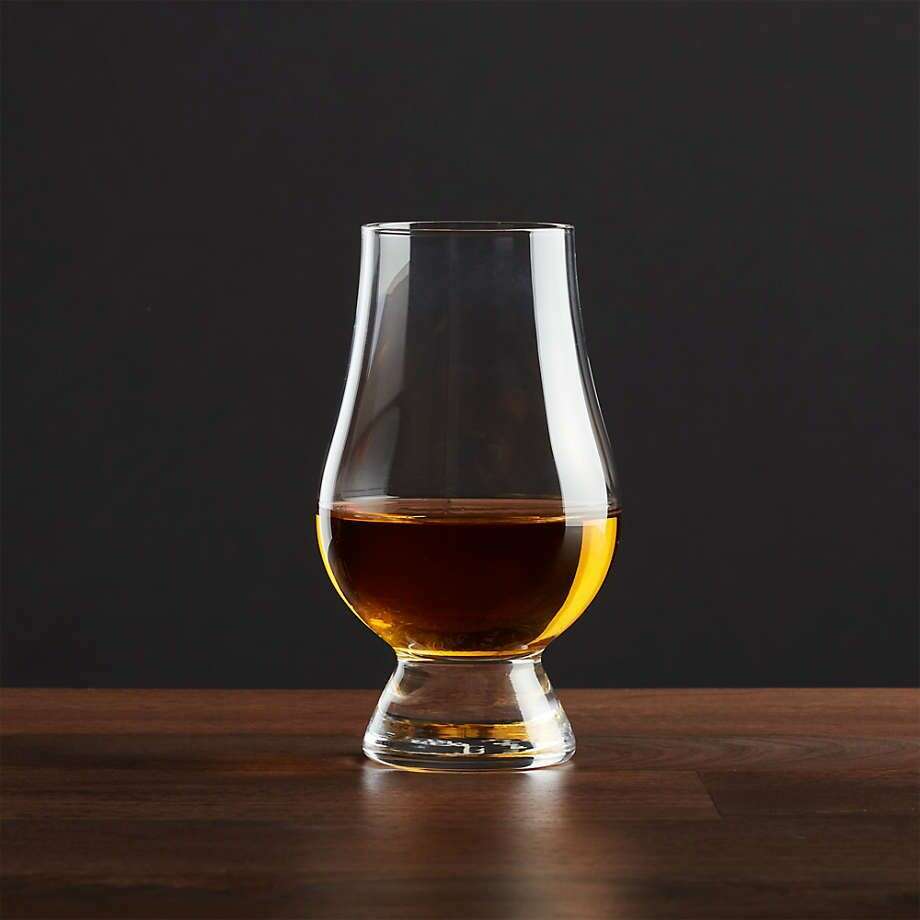
Every bourbon on this page was tasted blind, in a single sitting, against a control pour of George T. Stagg 2025 (142.8 proof). Bottles were decanted into numbered Glencairn glasses by someone who did not participate in the scoring, poured at room temperature, and served in randomised order with the control repeated in the flight as a consistency check.

Panellists scored each pour independently on aroma, palate and finish against the control, with no discussion until all scores were recorded. Palates were reset with water and unsalted crackers between pours, and the flight was capped so that fatigue could not skew the later samples. Because every bottle in the flight is bottled at or near barrel strength, water was available and each pour was assessed both neat and with a few drops added.

Similarity percentages are the panel's mean match score against the control. Panel scores are mean quality ratings, judged on each bottle's own merits rather than as substitutes — which is why a bottle can score lower on similarity and higher on quality. Cask-strength proof varies from batch to batch; the figures on this page are representative of recent releases, and the label on the bottle you receive is authoritative. Prices are the median we observed at retail and move constantly; the live price on each product page is the accurate one.

How the score is built

  • 30% Aroma match — How closely the nose tracks the reference across dark caramel, char, oak and spice.
  • 35% Palate match — Mid-palate body, intensity and oak-driven flavour measured against the barrel-proof control.
  • 20% Finish match — Length, heat and the oak-and-dark-sugar tail that defines Stagg.
  • 15% Availability — Whether a drinker can reasonably buy it at retail. A bottle that cannot be found scores low here regardless of flavour.

The panel

  • Nathan ColeHead of Whiskey SelectionCertified Bourbon Steward; more than a decade sourcing and evaluating American whiskey; samples 500+ whiskeys a year across single barrels, limited releases and shelf staples.
  • Sarah WhitfieldWhiskey EducatorCertified Bourbon Steward; leads bourbon education seminars and guided tastings; extensive experience explaining production methods and flavor profiles to consumers.
  • Michael DonovanSpirits JudgeJudge at regional and national spirits competitions; evaluates whiskey using standardized sensory analysis; 12+ years in the beverage industry.
  • Ryan MitchellSingle Barrel SpecialistOversees private barrel selections for retailers and whiskey clubs; evaluates hundreds of barrel samples annually; specializes in identifying unique flavor profiles.
Disclosure. Bourbon Central sells every bottle ranked on this page, and we sell George T. Stagg itself. Panellists scored blind and did not know which bottles were in the flight, but you should weigh this page knowing we have a commercial interest in it. Nothing here was paid for by a brand, and no distillery reviewed this page before publication. Cask-strength proof and batch details vary release to release; our panel's flight should be confirmed against the specific batches in stock before the numbers are treated as final.

Sources

  1. Buffalo Trace Antique Collection — George T. Stagg — Buffalo Trace Distillery
  2. Booker's Bourbon — Batch information — Jim Beam / Booker's
  3. Wild Turkey — Rare Breed — Wild Turkey Distilling Co.
  4. Standards of Identity for Distilled Spirits, 27 CFR § 5.143 — U.S. Alcohol and Tobacco Tax and Trade Bureau

Update log

  • — First publication. Blind panel flight of six cask-strength bourbons against a George T. Stagg 2025 (142.8 proof) control.