
Blind panel tested · Barrel-proof bourbon

Bourbons That Taste Like Booker's (But Are Easier to Find)

Short answer

The closest easy-to-find bourbons to Booker's are Wild Turkey Rare Breed, Russell's Reserve Single Barrel and Knob Creek 12 Year - all big, high-proof Kentucky bourbons built on the same kind of high-corn, rye-flavored recipe Booker's uses. Rare Breed is the standout match: a barrel-strength 116.8-proof bourbon at about $64, against Booker's allocation-inflated shelf price north of $100.

The bourbons that taste most like Booker's - and are far easier to buy - are Wild Turkey Rare Breed, Russell's Reserve Single Barrel, Knob Creek 12 Year, Penelope Barrel Strength and Bardstown Origin Bottled in Bond. Booker's is Jim Beam's uncut, unfiltered small-batch bourbon, bottled straight from the barrel at roughly 121-127 proof from a high-corn mash bill with about 13% rye. Its signature is intensity: dense vanilla, oak tannin, char and a long, hot finish. Any barrel-strength Kentucky bourbon built on a similar rye-spiced recipe lands in the same territory. Wild Turkey Rare Breed, at 116.8 proof and around $64, is the closest widely-stocked match. Knob Creek 12 Year is the same Jim Beam distillate as Booker's, just bottled lower at 100 proof - the closest thing to Booker's DNA on a shelf. Below is the full ranking, with proof, price, availability and our panel's blind score for each.

Key takeaways

  • Wild Turkey Rare Breed is the closest widely-stocked match to Booker's - a barrel-strength 116.8-proof Kentucky bourbon at about $64, versus $100+ for Booker's.
  • Knob Creek 12 Year is distilled at Jim Beam from the same mash bill as Booker's, so it's the closest thing to Booker's own distillate you can reliably buy - just bottled at 100 proof instead of barrel strength.
  • Booker's defining trait is barrel-proof intensity, so the best matches are other uncut or high-proof bourbons, not standard 90-proof bottlings.
  • Booker's uses a high-corn Jim Beam recipe with roughly 13% rye; Wild Turkey and Russell's Reserve share a similar high-corn, rye-flavored profile, which is why they track so closely.
  • Penelope Barrel Strength delivers barrel-proof punch from a four-grain MGP mash bill - a slightly softer, more rounded take on the big-bourbon experience.
  • Every bottle here was blind-tasted by our four-person panel against a Booker's control and scored on aroma, palate and finish.
The full ranking

Similarity is scored against a Booker's Bourbon control on aroma, palate and barrel-proof intensity. Sort any column to re-rank the flight.

Bourbon Central panel ranking - barrel-proof bourbons closest to Booker's — blind-tasted August 14, 2026 by a 4-person panel.
Bourbon Similarity to Booker'sBlind panel score Proof Avg. price750 mL Availability Panel score
Booker's Bourbon (Barry's Batch 2025-01) Reference 100% 121-127 $110Allocated9.0/10
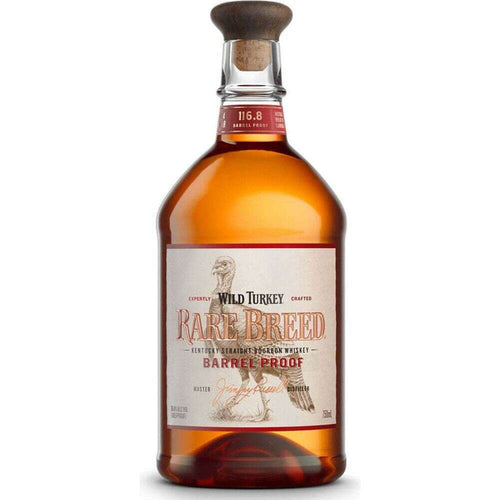
Wild Turkey Rare Breed 90% 116.8 $64Wide8.7/10
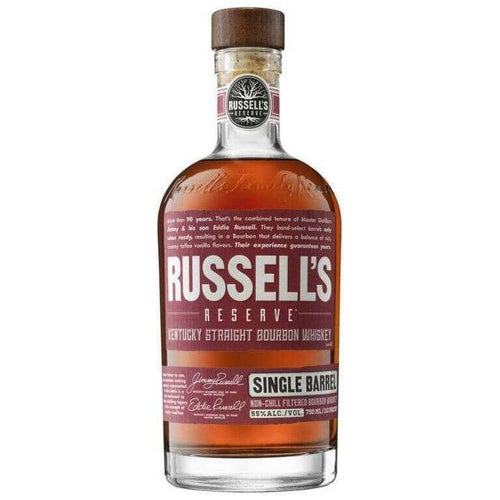
Russell's Reserve Single Barrel 85% 110 $78Wide8.6/10
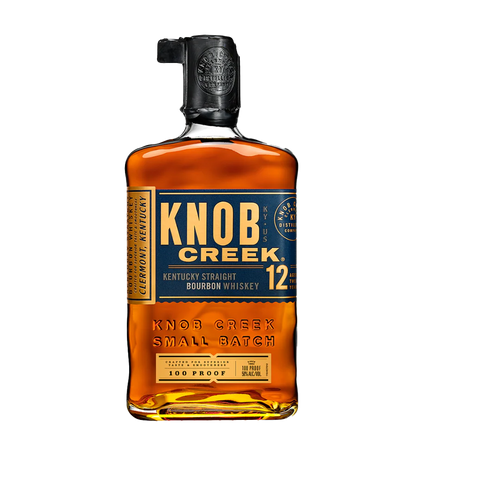
Knob Creek 12 Year 84% 100 $80Wide8.6/10
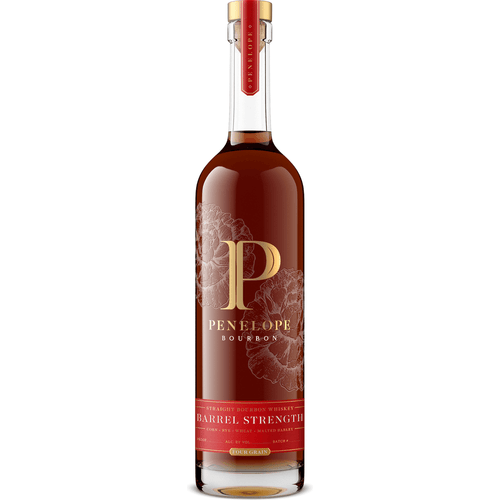
Penelope Barrel Strength 81% 114-118 $74Wide8.4/10
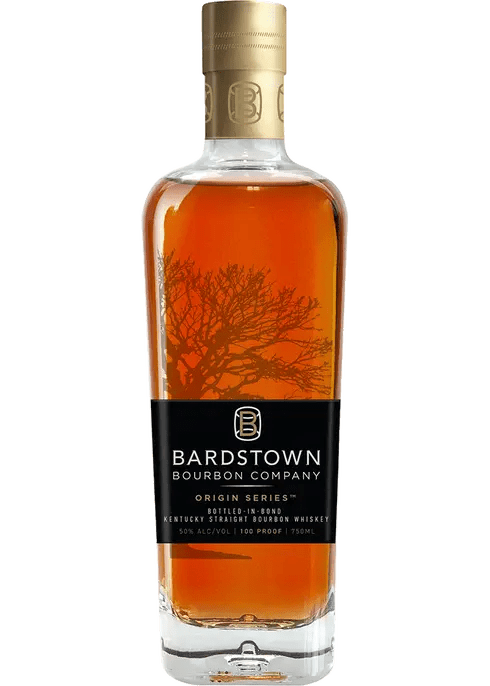
Bardstown Origin Bottled in Bond 78% 100 $50Wide8.4/10

Scores are our panel's own, from a blind tasting against a Booker's Bourbon control. Prices are rounded from live retail and move constantly - the price on each product page is authoritative. Booker's is bottled at barrel proof, so its proof varies by batch. Method: how we tested.

Cite this table

Free to reuse with attribution and a link back:

Nathan Cole. “Bourbons That Taste Like Booker's (But Are Easier to Find).” Bourbon Central, August 2026. https://thebourboncentral.com/pages/bourbons-that-taste-like-bookers

Every pick, and who it's actually for

1

Is Wild Turkey Rare Breed a good Booker's substitute?

Yes - it is the closest widely-stocked bourbon to Booker's we found. Rare Breed is a barrel-strength Kentucky bourbon bottled at 116.8 proof, and at about $64 it delivers Booker's big, high-proof intensity for well under Booker's shelf price.

Similarity
90%
Proof
116.8
Avg. price
$63.99
Availability
Wide
Panel score
8.7/10

Rare Breed is Wild Turkey's barrel-strength small-batch bourbon, blended from 6, 8 and 12-year barrels and bottled without cutting proof down. That is exactly what Booker's does, and it is why the two track so closely: both are uncut, high-proof Kentucky bourbons built on a high-corn mash bill with a meaningful slug of rye (around 13%).

At 116.8 proof it sits just under Booker's typical 121-127, so it carries a similar weight and heat in the glass without quite the same wallop. Side by side, Rare Breed reads a touch more caramel-and-honey where Booker's leans into oak tannin and Beam's signature nuttiness, but the family resemblance - dense, warming, unapologetically big - is immediate.

It is also the value answer on the list by a wide margin. For a barrel-proof daily pour, or the times you would otherwise crack a Booker's, this is the bottle to reach for first.

Panel tasting note
Nose

Vanilla, caramel, brown sugar, orange oil and seasoned oak.

Palate

Rich and full - toffee, honey, baking spice and a firm rye-driven backbone.

Finish

Long and warming, with oak and dark caramel; water opens it up.

Who it’s for

Booker's drinkers who want barrel-proof intensity they can actually buy at retail, at a fraction of the price.

Who should skip it

Anyone chasing Booker's specific Beam nuttiness and oak-tannin bite - Rare Breed is a touch sweeter and more polished.

2

What is the closest single-barrel alternative to Booker's?

Russell's Reserve Single Barrel. It is a 110-proof single-barrel Wild Turkey bourbon that keeps most of Booker's big, high-proof character while adding the barrel-to-barrel individuality of a single-barrel pick, at about $78.

Similarity
85%
Proof
110
Avg. price
$78.09
Availability
Wide
Panel score
8.6/10

Where Booker's is a small batch - many barrels married together - Russell's Reserve Single Barrel comes from one barrel at a time, bottled at a firm 110 proof. It shares Wild Turkey's high-corn, rye-flavored recipe, so the core profile lands squarely in Booker's neighborhood: deep caramel, oak and a warming, spicy finish.

The 110 proof is lower than Booker's barrel strength but still well above a standard 90-proof bourbon, which is why it holds up as a match. What you trade in raw intensity you gain in nuance - single barrels vary, and a good one delivers layered oak and vanilla that reward slow sipping.

It costs a little more than Rare Breed and comes bottled at fixed proof rather than true barrel strength, so we rank it just behind. For drinkers who like the idea of a hand-picked single barrel in the Booker's mold, it is an easy recommendation.

Panel tasting note
Nose

Charred oak, vanilla bean, dried cherry and baking spice.

Palate

Full and oak-forward - caramel, tobacco, a peppery rye lift.

Finish

Long, dry and spicy, with lingering oak.

Who it’s for

Booker's fans who want a high-proof, single-barrel Kentucky bourbon with real oak depth.

Who should skip it

Anyone who specifically wants barrel strength - this is bottled a notch lower at 110 proof.

3

Is Knob Creek the same as Booker's?

Knob Creek 12 Year is the closest thing to Booker's own distillate you can reliably buy - it is made at Jim Beam from the same mash bill as Booker's. It is bottled at 100 proof rather than barrel strength, and the extra age gives deep oak for about $80.

Similarity
84%
Proof
100
Avg. price
$79.99
Availability
Wide
Panel score
8.6/10

This is the pick for anyone who wants Booker's actual DNA. Knob Creek and Booker's are both Jim Beam bourbons distilled from the same high-corn, roughly 13%-rye mash bill; the difference is proof and presentation. Booker's is bottled uncut from the barrel; Knob Creek 12 is proofed down to 100 and carries a 12-year age statement.

That age shows. The extra years in oak give Knob Creek 12 a dark, tannic, dry-baking-spice character that reads as a slightly more restrained, more oak-driven Booker's. The Beam house style - toasted nut, vanilla, char - is unmistakable in both.

What it gives up is proof: at 100 it will not match Booker's heat or viscous weight. But if you want the specific flavor of Beam's premium distillate, aged long, on a shelf you can find, this is the closest bottle on the list.

Panel tasting note
Nose

Toasted oak, vanilla, almond and dark caramel.

Palate

Dry and oak-heavy - char, baking spice, a nutty Beam core.

Finish

Long, tannic and warming, more oak than sweet.

Who it’s for

Drinkers who specifically want Booker's Jim Beam distillate and prize oak and age over raw proof.

Who should skip it

Barrel-proof chasers - at 100 proof this is deliberately more composed than Booker's.

4

Is there a barrel-proof bourbon that's a little more approachable than Booker's?

Penelope Barrel Strength. It is a four-grain MGP bourbon bottled at genuine barrel proof (batches run about 114-118), which gives Booker's-level intensity in a rounder, slightly softer package thanks to a touch of wheat in the mash. Around $74.

Similarity
81%
Proof
114-118
Avg. price
$74.09
Availability
Wide
Panel score
8.4/10

Penelope is not a Kentucky bourbon - it is sourced from MGP in Indiana - but its Barrel Strength bottling earns a place here because it delivers the thing Booker's is really about: full, uncut proof. Batches land in the 114-118 range, right on the doorstep of Booker's.

The difference is the recipe. Penelope uses a four-grain mash bill (corn, rye, wheat and barley), and that small wheat component rounds off some of the edges, giving a sweeter, softer barrel-proof pour than a straight high-corn Beam bourbon. It is big, but friendlier - a good bridge for someone who finds Booker's oak and heat a bit punishing.

It scores a little lower on similarity because the four-grain profile is its own thing, not a Beam clone. As an easy-to-find, barrel-proof bourbon that scratches the same itch, though, it more than holds up.

Panel tasting note
Nose

Vanilla, honey, soft baking spice and light oak.

Palate

Big but rounded - caramel, cinnamon, a wheated softness under real proof.

Finish

Long and warming, sweeter and less tannic than Booker's.

Who it’s for

Drinkers who want barrel-proof intensity in a rounder, more approachable four-grain package.

Who should skip it

Purists who want a Kentucky, Beam-style profile - this is a softer, MGP four-grain take.

5

What's the best-value big bourbon in the Booker's mold?

Bardstown Origin Bottled in Bond. It is a 6-year, 100-proof Kentucky bourbon on a high-rye mash bill, giving a robust, spicy, oak-driven pour in the Booker's family for about $50 - the value pick on this list.

Similarity
78%
Proof
100
Avg. price
$49.99
Availability
Wide
Panel score
8.4/10

Bardstown's Origin Series Bottled in Bond is the budget-friendly way onto this page. Bottled-in-bond rules fix it at 100 proof, from a single distilling season at one distillery, and Bardstown builds it on a high-rye mash bill (roughly 75% corn, 21% rye), which gives it a firm, spicy backbone that echoes the rye lift in Booker's.

It is younger and lower-proof than the bottles above, so it will not match Booker's weight or its long oak-tannin finish. What it offers is a genuinely robust, well-made high-rye bourbon at a price that makes it an easy everyday pour rather than a special-occasion bottle.

We rank it last on similarity for honesty - it is more of a spirited cousin than a twin - but as an affordable, in-stock bourbon with real backbone and spice, it earns its spot.

Panel tasting note
Nose

Rye spice, caramel, orchard fruit and light oak.

Palate

Firm and spicy - cinnamon, brown sugar, a dry grain core.

Finish

Medium-long, peppery and warming.

Who it’s for

Value shoppers who want a robust, high-rye Kentucky bourbon with real backbone for everyday sipping.

Who should skip it

Anyone chasing Booker's proof and viscosity - this is a leaner, 100-proof everyday bottle.

Why is Booker's so hard to find at retail price?

Booker's was created as Jim Beam's uncut, unfiltered small-batch bourbon and sold for well under $100 for years. As barrel-proof bourbon became fashionable and each quarterly batch turned into a collector event, demand outran the aged stock and shelf prices climbed past $100.

Booker Noe named Booker's after himself as the raw, barrel-strength expression of Jim Beam's best stock - bottled without chill-filtering or proof reduction. For years it was a connoisseur's secret at a modest price.

Two things changed. Barrel-proof bourbon went mainstream, and Beam began releasing Booker's in named quarterly batches, each with its own story and following. That turned every release into an event, and demand for a product made from limited aged stock pushed prices up and availability down.

The result is familiar: a bourbon that once sat on shelves now sells at a premium, with the newest batches often marked up well above suggested retail. The bottles on this page exist to answer the obvious next question - what can I actually buy that drinks like it.

1988
Year Booker's launched
Booker Noe introduced Booker's as the first widely-sold uncut, unfiltered, barrel-proof bourbon.

Is Booker's worth it - and what should you buy instead?

As liquid, much of what makes Booker's special - big barrel-proof intensity and Beam's oaky, nutty profile - can be had for less. Our panel put Wild Turkey Rare Breed within a few tenths of Booker's at roughly 60% of the price, and Knob Creek 12 delivers Booker's own distillate at a fixed 100 proof.

It helps to separate the liquid from the label. As a pour, Booker's is an excellent barrel-proof bourbon - and so are several bottles on this page. Wild Turkey Rare Breed closes most of the intensity gap for well under Booker's shelf price, and Knob Creek 12 is made from the very same Beam distillate.

As a name, Booker's carries something the alternatives don't: the batch storytelling, the collector following and the barrel-proof pedigree that made the category. If you want a specific Booker's batch on your shelf, no substitute delivers that.

So the honest answer splits two ways. For a barrel-proof pour on a Tuesday, buy the Rare Breed or the Russell's Reserve. If the point is to own and follow Booker's itself, buy the Booker's - just know you are paying for the pedigree as much as the whiskey.

$60+
Rare Breed vs Booker's, saved
Rare Breed runs about $64 against Booker's $100-plus, for a bourbon our panel scored within a few tenths.

What makes a bourbon taste like Booker's?

Two things: barrel-proof intensity and a high-corn, rye-flavored mash bill. Booker's is bottled uncut from the barrel, so weight and heat are central to its character; match the proof and the rye-spiced Kentucky profile and you match most of the experience.

This is the useful thing to understand when shopping for a Booker's alternative. First, proof: Booker's is bottled straight from the barrel at roughly 121-127, so its signature viscosity, oak and warming heat come from never being cut with water. A standard 90-proof bourbon, however well made, cannot replicate that - which is why every pick here is high proof or true barrel strength.

Second, recipe. Booker's is a Jim Beam bourbon built on a high-corn mash bill with around 13% rye, which gives a sweet base with a firm, spicy backbone and Beam's trademark toasted-nut and oak character. Wild Turkey and Russell's Reserve use a similar high-corn, rye-flavored recipe, which is why they track so closely; Knob Creek 12 uses the exact same Beam mash bill.

Match both - real proof and a rye-spiced Kentucky profile - and you land in Booker's territory. Miss either, and you get a bourbon that is pleasant but clearly not a stand-in.

~13%
Rye in Booker's mash bill
Booker's uses Jim Beam's standard high-corn recipe with roughly 13% rye and 12% malted barley.

Frequently asked questions

What is Booker's mash bill?

Booker's is distilled at Jim Beam from the distillery's standard bourbon mash bill, generally understood to be roughly 75-77% corn, about 13% rye and 10-12% malted barley. It is the same recipe used for Knob Creek and standard Jim Beam - what sets Booker's apart is that it is bottled uncut and unfiltered at barrel proof.

What proof is Booker's?

Booker's is bottled at barrel proof, so it varies by batch - typically between about 121 and 127 proof. For example, batch 2025-01 'Barry's Batch' was bottled at 125.7 proof. Each batch lists its exact proof on the label.

What is the closest bourbon to Booker's you can actually find?

Wild Turkey Rare Breed. It is a barrel-strength Kentucky bourbon bottled at 116.8 proof, built on a similar high-corn, rye-flavored recipe, and it is widely stocked at around $64 - well below Booker's shelf price. It was our panel's highest-scoring match.

Is Knob Creek the same as Booker's?

Not the same, but closely related. Both are Jim Beam bourbons distilled from the same mash bill. Booker's is bottled uncut at barrel proof (about 121-127), while Knob Creek is proofed down - Knob Creek 12 Year is 100 proof with a 12-year age statement. Knob Creek is the closest thing to Booker's own distillate that you can reliably buy.

What tastes like Booker's but at a lower, more sippable proof?

Knob Creek 12 Year (100 proof) is the best answer - the same Beam distillate as Booker's, aged long and bottled lower. Russell's Reserve Single Barrel (110 proof) is the next step up if you want more intensity while staying below true barrel strength.

Why has Booker's gotten so expensive?

Booker's is made in limited quantities from aged Jim Beam stock and released in named quarterly batches. As barrel-proof bourbon became fashionable and each batch turned into a collector event, demand outran supply and shelf prices climbed from under $100 to well above it. Aged bourbon can't be produced on demand, which keeps availability tight.

Can I buy Booker's online?

Bourbon Central stocks Booker's when we have allocation, usually the current quarterly batch, and availability changes as batches sell through. The barrel-proof and high-proof bourbons ranked on this page are in stock far more consistently.

Terms used on this page

Bourbon vocabulary, defined once so the rest of the page can move quickly.

Booker's Bourbon
Jim Beam's uncut, unfiltered small-batch bourbon, created by Booker Noe and bottled straight from the barrel at roughly 121-127 proof. Released in named quarterly batches, it was one of the first widely-sold barrel-proof bourbons. See our booker's bourbon selection →
Barrel proof
Also called cask strength: whiskey bottled at the proof it comes out of the barrel, without being cut with water. It produces a fuller, hotter, more intense pour, which is the defining trait of Booker's and of most bottles on this page.
Jim Beam
The Clermont, Kentucky distillery behind Booker's, Knob Creek, Basil Hayden and standard Jim Beam. Booker's and Knob Creek are distilled from the same high-corn, rye-flavored mash bill. Wikidata
Wild Turkey
The Lawrenceburg, Kentucky distillery known for high-proof, oak-forward bourbons including Rare Breed and Russell's Reserve, built on a high-corn recipe with a firm rye backbone.
Small batch bourbon
A bourbon blended from a relatively small, selected number of barrels rather than a single barrel or a huge production run. Booker's is a barrel-proof small batch; the term has no legal definition.
Non-chill filtered
Whiskey bottled without chilling and filtering out fatty acids and esters. It preserves more texture and flavor, and can turn cloudy when cold or watered. Booker's is non-chill filtered.
Mash bill
The grain recipe a whiskey is distilled from. In bourbon the corn is fixed at a 51% minimum; the flavoring grain that fills out the rest - usually rye - shapes the style. Booker's uses a high-corn recipe with about 13% rye.
Bourbon
American whiskey distilled from at least 51% corn and aged in new charred oak containers. Straight bourbon must be aged at least two years with no added coloring or flavoring. See our bourbon selection →Wikidata
How we tested

Our method, in the open

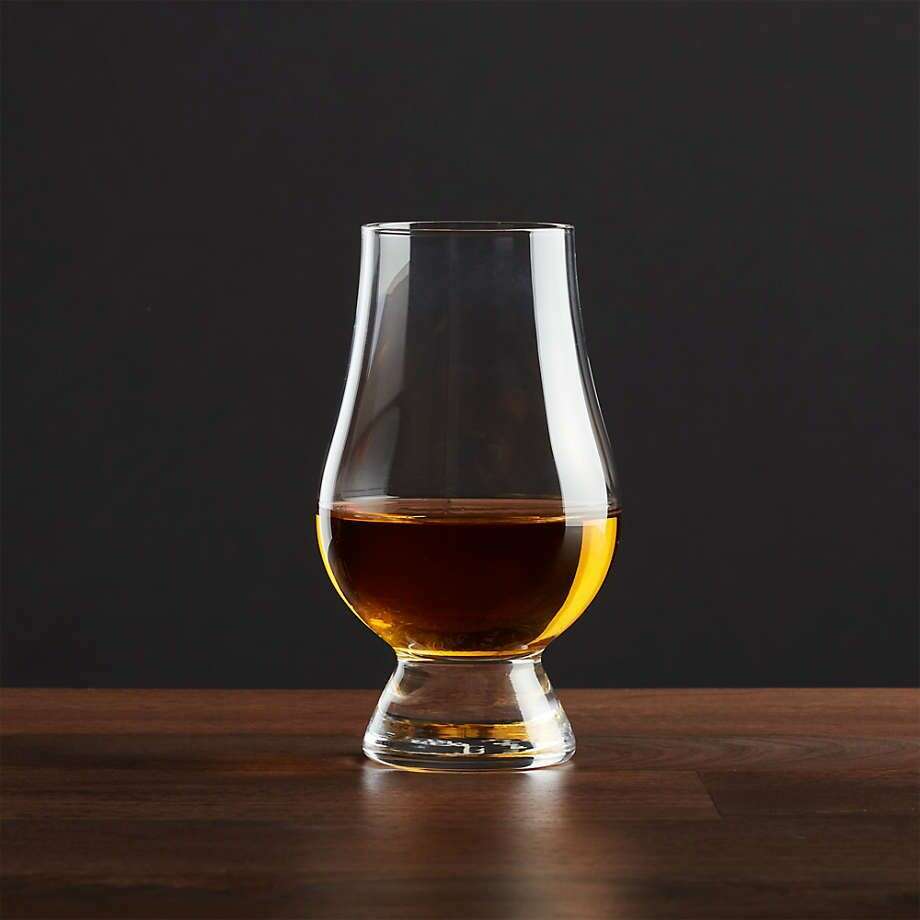
Every bourbon on this page was tasted blind, in a single sitting, against a control pour of Booker's Bourbon. Bottles were decanted into numbered Glencairn glasses by someone who did not participate in the scoring, poured at room temperature, and served in randomised order with the Booker's control repeated in the flight as a consistency check.

Our four-person panel scored each pour independently on aroma, palate and finish against the control, with no discussion until all scores were recorded. Palates were reset with water and unsalted crackers between pours.

Similarity percentages are the panel's mean match score against the control; panel scores are mean quality ratings judged on each bottle's own merits, which is why a bottle can score lower on similarity and higher on quality. Prices are the median we observed at retail; they move constantly, and the live price on each product page is the accurate one.

How the score is built

  • 40% Aroma & palate match — How closely the nose and mid-palate track Booker's oaky, rye-spiced, high-corn character.
  • 25% Barrel-proof intensity — Whether the bottle delivers the uncut weight, viscosity and warming heat that define Booker's.
  • 20% Availability — Whether a drinker can reasonably buy it at retail. An allocated bottle scores low here regardless of flavor.
  • 15% Value — Quality relative to price, measured against allocated Booker's.

The panel

  • Nathan ColeHead of Whiskey SelectionCertified Bourbon Steward; more than a decade sourcing and evaluating American whiskey; samples 500+ whiskeys a year across single barrels, limited releases and shelf staples.
  • Sarah WhitfieldWhiskey EducatorCertified Bourbon Steward; leads bourbon education seminars and guided tastings; extensive experience explaining production methods and flavor profiles to consumers.
  • Michael DonovanSpirits JudgeJudge at regional and national spirits competitions; evaluates whiskey using standardized sensory analysis; 12+ years in the beverage industry.
  • Ryan MitchellSingle Barrel SpecialistOversees private barrel selections for retailers and whiskey clubs; evaluates hundreds of barrel samples annually; specializes in identifying unique flavor profiles.
Disclosure. Bourbon Central sells every bottle ranked on this page, and we sell Booker's itself. Panellists scored blind and did not know which bottles were in the flight, but you should weigh this page knowing we have a commercial interest in it. Nothing here was paid for by a brand, and no distillery reviewed this page before publication.

Sources

  1. Standards of Identity for Distilled Spirits, 27 CFR Part 5 — U.S. Alcohol and Tobacco Tax and Trade Bureau
  2. Booker's Bourbon - Official brand page — Jim Beam / James B. Beam Distilling Co.
  3. Wild Turkey Rare Breed - Official product page — Wild Turkey
  4. Russell's Reserve Single Barrel - Official product page — Wild Turkey / Russell's Reserve
  5. Penelope Barrel Strength - Official product page — Penelope Bourbon

Update log

  • — First publication. Blind panel ranking of widely-available barrel-proof and high-proof bourbons against a Booker's Bourbon control.