


Whisky 101 for World Whisky Day 2026: A Newcomer's Guide to Scotch, Bourbon, Irish & Japanese Whisky (Plus a $200 Starter Shelf)
World Whisky Day lands this Saturday, May 16 — the global, every-bottle-counts holiday for the world's most-poured brown spirit. If this is your first one, you've probably noticed that "whisky" actually means five different things depending on where it was made, what it was made from, and whether the country spells it with an "e" or not. The aisles can feel intimidating. They shouldn't be. Whisky is the easiest category to get into once you understand the four main styles, the words that show up on every label, and one bottle from each style that won't break the bank.
This is the cliff-notes version — the guide you read before your first World Whisky Day, then quietly forget about as you start picking favorites. We'll walk through the four pillars (Scotch, Bourbon, Irish, Japanese), explain what a "single malt" actually means, decode the proof and age statement on the label, and finish with a $40-ish bottle from each style so you can build a starter shelf in one order. Every bottle below is in stock at Bourbon Central's best-sellers as of this week.
The four whisky styles, in 60 seconds each
1. Scotch — Scotland's national spirit
Scotch is whisky made in Scotland, aged at least three years in oak. It splits into two big families: blended Scotch (a mix of malt whisky and grain whisky from multiple distilleries — Famous Grouse, Monkey Shoulder, Dewar's) and single malt Scotch (100% malted barley from a single distillery — Glenfiddich, Glenlivet, Macallan, Laphroaig). Blends are the friendly entry point — softer, more approachable, usually cheaper. Single malts are where the regional accents come through: Highland and Speyside leaning floral and orchard-fruity, Islay leaning into peat smoke and sea salt. Our full Scotch for beginners guide goes deeper on the regions; if you want to skip the homework, start with a blend.
Starter bottle: Monkey Shoulder Vatted Malts ($43.09). Three Speyside single malts blended together, vanilla-and-honey forward, no peat, friendly in cocktails and neat. The most-recommended "first Scotch" bottle for a reason. If you want to dip a toe into single malts under $45, the Glenfiddich 12 Year Single Malt ($39.99 / 375mL) is the entry-level single malt that built the whole category.
2. Bourbon — America's only true native spirit
Bourbon is American whiskey, at least 51% corn in the mash bill, aged in new charred oak barrels (a federal requirement that gives bourbon its big vanilla, caramel, and baking-spice profile). It doesn't have to come from Kentucky — bourbon can legally be made anywhere in the United States — but ~95% of it does. Compared to Scotch, bourbon is sweeter, rounder, and almost always more affordable for the same age. Cask-strength versions get into the 110–130 proof range and need a few drops of water; the standard 80–100 proof bottles drink easy neat or on the rocks. If you've never sat down with a glass before, our how-to-taste-bourbon guide walks through the ritual in five minutes.
Starter bottle: Wild Turkey 101 ($32.99). A 101-proof bourbon that's been on shelves since 1942 — high-rye mash bill, big spice, the bottle every working bartender keeps under the rail. If you want something softer and lower-proof, the Four Roses Small Batch ($37.99) and Bulleit Bourbon ($37.09) are the other two bottles we point newcomers at most often. For a deeper dive, the full best bourbons under $50 guide ranks the shelf.
3. Irish whiskey — softer, lighter, triple-distilled
Irish whiskey is made in Ireland, must be aged at least three years, and is almost always triple-distilled (Scotch is usually double-distilled). That third distillation strips out more of the heavy flavor compounds, which is why Irish whiskey tends to taste lighter, smoother, and less aggressive than Scotch or bourbon. There are four legal styles: blended (Jameson, Tullamore D.E.W.), single grain, single malt (Bushmills), and the uniquely Irish single pot still (Redbreast), which uses a mix of malted and unmalted barley for a creamier mouthfeel. We covered the differences in our single pot still vs single malt explainer if you want the regulatory weeds.
Starter bottle: Jameson Irish Whiskey ($68.99 / 1.75L) — the world's best-selling Irish whiskey, light and approachable. If you want a step up into the single pot still style that nothing else in the world makes, the Redbreast 12 Year ($88.09) is the bottle to grab. For more options, the full best Irish whiskeys 2026 buyer's guide walks through the lineup.
4. Japanese whisky — Scotch's mirror, refined
Japanese whisky is, in spirit (pun intended), the Japanese interpretation of Scotch — the founders trained in Scotland before opening the first distilleries in the 1920s. It tends to be more refined, more elegant, lower-impact than the Scottish original — drier, with green-apple and white-pepper notes alongside the malt. The category has exploded since 2014, prices have followed, and the entry-level bottles that used to be $40 are now closer to $60–$100. World Whisky Day is the right week to try one if you haven't. Our Japanese whisky highball guide covers the cocktail side; for sipping bottles, check the best Japanese whiskies of 2026.
Starter bottle: Nikka From the Barrel ($79.09) — 51.4% ABV, blended malt and grain, punches three times its price. Hibiki Harmony ($99.99) is the next step up if you want the Suntory-house style that built the category.
What every whisky label is trying to tell you
Once you know the four styles, every label starts making sense. The big-print words you'll see:
Single malt — 100% malted barley from one distillery. Doesn't mean it's better than a blend; it means the flavor comes from one place's water, yeast, and casks. Single malt is a Scotch/Irish/Japanese term — there's no such thing as a "single malt bourbon."
Blended — a mix of whiskies from multiple distilleries or grains. Master blenders are the chefs of whisky; a good blend (Monkey Shoulder, Hibiki Harmony, Compass Box) is engineered for consistency and balance, not built from a single barrel's quirks.
Age statement — the number on the bottle is the age of the youngest whisky inside. A "12 Year" Scotch is at least 12 years old; the blend may contain older stocks, but legally it can only print the youngest. "No Age Statement" (NAS) means there's no claim, often used for blends of older and younger casks.
Proof / ABV — in the U.S., proof = 2× ABV. So 80 proof = 40% ABV, 101 proof = 50.5%, 124 proof (cask strength) ≈ 62%. Higher proof isn't better — it's hotter. You want around 80–95 proof for sipping, 100+ for cocktails where dilution matters. Our cask-strength bourbon explainer goes deeper if you're curious.
Bottled in Bond — an American label only. The Bottled-in-Bond Act of 1897 requires the whiskey to be from one distillery, one season, aged at least four years in a federally bonded warehouse, and bottled at exactly 100 proof. A solid quality marker if you see it.
Bourbon vs. rye — both are American whiskey. Bourbon is 51%+ corn (sweet, round). Rye is 51%+ rye grain (spicier, drier). We have a full bourbon vs. rye breakdown if you want to pick a side.
The Bourbon Central starter shelf — under $250 for four bottles
The whole point of World Whisky Day is to try whisky from somewhere new. Here's a one-order starter shelf — one bottle from each of the four styles, all in stock, all under $80:
1. Scotch: Monkey Shoulder ($43.09) — friendliest first Scotch.
2. Bourbon: Wild Turkey 101 ($32.99) — workhorse American whiskey.
3. Irish: Tullamore D.E.W. Irish Whiskey ($42.09) — softer than Jameson, the triple-blend of grain, malt, and pot still.
4. Japanese: Nikka From the Barrel ($79.09) — best value in Japanese whisky.
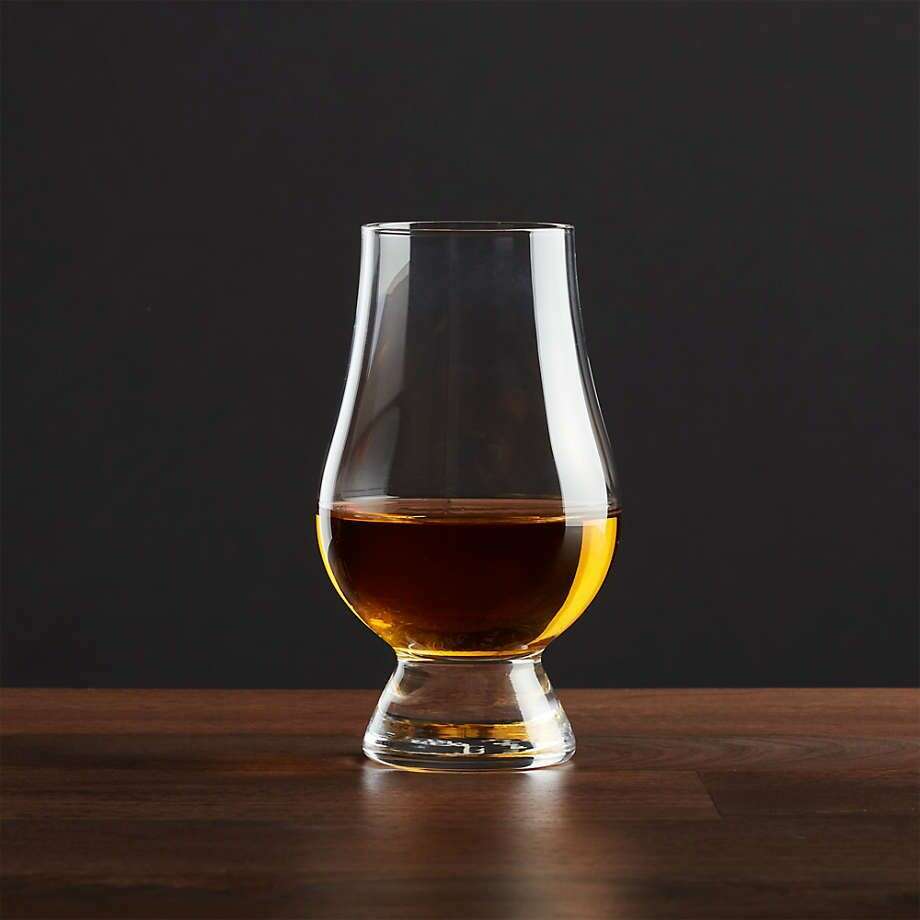
Total: roughly $197 for four bottles that cover the entire global whisky map. Pour all four into glencairns side by side on Saturday — that's the World Whisky Day move.
If you want to go deeper
The Scotch family rewards exploration — once you've tried a Speyside blend, the Islay smoke bombs like Laphroaig 10 Year ($59.99) and the more medicinal Ardbeg 10 Year ($78.09) are the obvious next stop. On the Highland side, the Highland Park 12 Year ($67.99) and Macallan Sherry Oak 12 Year ($99.99) are the two textbook single malts to bracket the style. We sell the full lineup at /collections/scotch.
On the bourbon side, the next step up from $30–$40 workhorses is the $45–$60 bracket — Maker's Mark 46 ($44.99), Knob Creek 9 Year ($49.99), Woodford Reserve ($44.99), Elijah Craig Small Batch ($40.99). For the full ranking, see the best bourbons under $50. Browse all of it at /collections/bourbon.
Japanese whisky scales fast — Yamazaki 12 Year ($179.99) and Hakushu 12 Year ($199.99) are the two flagship single malts of the category, and our full Japanese Whisky collection has the deeper cuts.
One last thing for May 16
Saturday is the day. If you're going to spend money on one whisky bottle this year, do it this week — and skip the obvious choice. Pour something you've never tried. The whole point of World Whisky Day is that the global category is bigger than whatever you already drink. Pair the starter shelf above with our eight cocktail recipes for May 16 and the Penicillin recipe spotlight, and you'll have a one-night world tour without leaving the kitchen.

