


Extra Añejo Tequila, Explained (2026): What Three Years in Oak Does, Extra Añejo vs. Añejo, and 8 Bottles from $74.99

Extra añejo is the youngest official category in tequila and the most expensive. It was added to Mexico's tequila standard in 2006, and in twenty years it has gone from a handful of family reserves to the bottle most people reach for when they want to give tequila as a serious gift. It is also the category most likely to confuse you at the shelf: prices run from about $75 to well over $1,000, and the label rarely tells you why.
Here is what the words on the bottle mean, how extra añejo differs from añejo, what you actually get for more money, and eight bottles in stock now, starting at $74.99.
The rules: what makes a tequila "extra añejo"
Tequila's official standard (the NOM) sets the age classes by time in oak:
Reposado: at least 2 months in oak. Añejo: at least 1 year, in barrels no bigger than 600 liters. Extra añejo: at least 3 years, also in barrels of 600 liters or less. There is no upper limit, so a "5 year" or "7 year" extra añejo is legal and common.
The small-barrel rule matters as much as the time. A 600-liter cap means a lot of wood contact, and most producers use far smaller ex-bourbon barrels (about 200 liters), so three years in Jalisco's heat pulls a great deal of color and flavor from the oak. That is why a good extra añejo can taste closer to a Cognac or an old bourbon than to the blanco it started as.
Two more things to know. First, the standard allows up to 1% "abocado" additives (caramel color, glycerin, oak extract, sugar syrup) without disclosure, and they are most common in aged tequila; our piece on the NOM number on the back of your tequila explains how to check who made a bottle and what is known about it. Second, "cristalino" is not a legal age class. It is aged tequila, often añejo or extra añejo, charcoal-filtered to remove the color, like Maestro Dobel 50 Cristalino ($139.99).
The 8 extra añejo tequilas in this guide


Extra añejo vs. añejo: what the extra years buy
An añejo at one to two years still tastes of agave first and oak second: cooked agave, vanilla, a little caramel. Good examples are Herradura Añejo ($62.99) and El Tesoro Añejo ($95.99), or the richer Don Julio 1942 ($159.99). Our añejo tequila collection has the full range.
At three years and beyond the balance flips. Oak and its byproducts take the lead: dried fruit, toffee, cinnamon, dark chocolate, tobacco, coffee. The texture gets thicker and the finish longer. The best extra añejos keep a thread of agave all the way through; the weaker ones taste like generic sweet oak. That is the main thing to judge, and the main reason the cheapest and most expensive bottles in this guide are worth trying side by side.
The 8 bottles, by price
Under $100: the way in
Patrón Extra Añejo ($74.99) is the entry point, aged over three years in a mix of American, French and Spanish oak. Honey, vanilla and dried fruit, and a lot of category for the money. We are down to the last bottle, so it may not last the week.
Avión Reserva 44 ($99.99) gets its name from a final 44 hours in small barrels that are turned by hand. It is the sweetest, silkiest bottle here: crème brûlée, orange, toasted nuts.
Cava de Oro 5 Year ($99.99) gives you two years past the legal minimum for the same price. Think dried apricot, cocoa and oak spice.
$100 to $160: the sweet spot
Cantera Negra Extra Añejo ($109.99) is a quieter, drier style, with the agave still showing through and black pepper on the finish.
Adictivo Extra Añejo ($119.99) is the dessert pour: caramel, raisin and chocolate, in a bottle that looks the part on a bar cart. More from the brand is in our Adictivo collection.
El Tesoro Extra Añejo ($149.99) is our pick for the tequila drinker. El Tesoro crushes its agave with a stone tahona and ages it for years in ex-bourbon barrels, and that bright cooked-agave character survives the oak. See the full lineup in our El Tesoro collection.
The gift bottles
Reserva de la Familia ($164.99) was first bottled in 1995 for the Cuervo family's own use, and it still ships in a wooden box with commissioned art. Rich oak, almond and vanilla. Browse the rest of the house in our Jose Cuervo collection.
Herradura Selección Suprema ($284.99) is one of the bottles that helped create the category in the 1990s. Herradura ages it for about four years, and it is the deepest pour here: dried fig, toffee, sweet spice and a very long finish. More bottles are in our Herradura collection.
Two more to consider. Tequila Ocho Mesa Colorada Extra Añejo ($249.99) is single-estate, so it shows where its agave grew, and Don Fulano Imperial ($199.99) is five years old with part of its time in oloroso sherry casks.
How to drink extra añejo
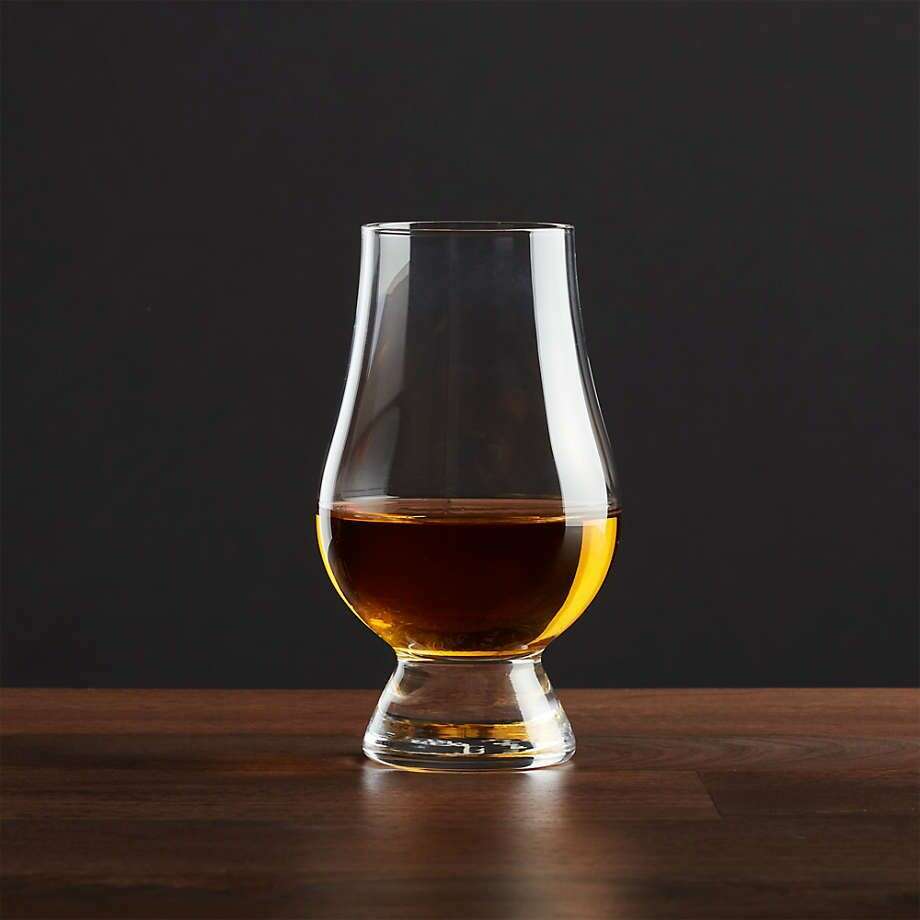
Neat, at room temperature, in a small tulip or copita glass rather than a shot glass. Let it sit for five minutes, nose it gently (tequila vapors are sharper than whiskey's), and take small sips. A few drops of water can open it. Our guide to sipping tequila neat walks through the full method.
Do not put extra añejo in a margarita. The oak fights the lime, and you are paying for flavors the drink will bury. If you want an aged-tequila cocktail, a Tequila Old Fashioned with a reposado or añejo, a little agave syrup and orange bitters is the right place for it. Extra añejo also pairs well with dark chocolate, flan or a good cigar.
Which one should you buy?
For a first extra añejo, start with Patrón or Cava de Oro. For a tequila lover, El Tesoro. For an impressive gift, Reserva de la Familia or Herradura Selección Suprema. Our Christmas tequila and mezcal gift guide has more ideas by budget, and if you are shipping to New York, see our New York tequila delivery page.
Shop extra añejo and aged tequila
Browse every bottle in our tequila collection, step down a class in añejo tequila, or explore the smoky side in mezcal.
