


The Best Añejo Tequilas to Buy Online in 2026: A Complete Buyer's Guide
If 2025 was the year blanco tequila finally got its close-up, 2026 is the year añejo tequila is stealing the spotlight. Aged one to three years in oak barrels, añejo tequila has become the after-dinner spirit of choice for whiskey drinkers who don't want another glass of bourbon — and the Cinco de Mayo pour for anyone who's outgrown shots.
This guide walks through what actually separates a great añejo from a mediocre one in 2026, which specific bottles are worth your money at every price point, and exactly what to order from Bourbon Central right now — with real product pages, current prices, and links to the collections that make shopping easier. If you're still deciding between aged and unaged tequila, our complementary Best Blanco Tequilas guide is the natural companion read.
What Makes Añejo Tequila Different
By Mexican regulation, a tequila labeled añejo must spend a minimum of one year and a maximum of three years in oak barrels of 600 liters or less. (Spend more than three years in barrel and it becomes extra añejo; spend less than a year and it's reposado.) That time in wood is everything — it's what transforms the bright, vegetal, peppery profile of a fresh blanco into something warmer, rounder, and recognizably "aged."
Good añejo picks up color from the barrel (usually a pale-to-amber gold), plus flavors you'd expect from wood aging: vanilla, baking spice, caramel, toasted oak, and sometimes dried fruit or cocoa. The best producers don't let the oak bulldoze the agave — you should still taste cooked agave underneath all that wood. That balance is what separates a beautiful añejo from a tequila that tastes like bourbon pretending to be tequila.
The Best Entry-Level Añejo Tequilas (Under $60)
You don't need to spend $150 to drink a legitimately good añejo. A few producers deliver serious quality at mid-shelf prices, and these are the ones we'd pour for a Cinco de Mayo party or a weeknight sipper.
818 Añejo Tequila ($42.99) is aged in American oak and drinks noticeably smoother than its blanco sibling — soft vanilla, baked-apple sweetness, a clean finish. It's an easy pour for guests who "don't really like tequila," which is usually code for "only ever had bad tequila." Cazadores Tequila Añejo 80 ($49.99) is one of the great value buys in the entire category — aged in new American oak, 80 proof, with a soft caramel-and-cinnamon profile that's begging to be sipped neat or mixed into a barrel-aged Old Fashioned. Espolòn Tequila Añejo ($49.09) is smokier and richer than you'd expect at this price, with dark caramel and a touch of chocolate on the finish.
For a step up that stays under $65, Casamigos Anejo Tequila ($62.99) gives you 14 months of barrel aging with the brand's signature soft, approachable style — sweet agave and vanilla up front, a whisper of oak at the finish.
The Sweet Spot: Premium Añejos From $80 to $150
This is the price band where añejo tequila gets really interesting. Producers have the budget to source better agave, rest in better barrels, and bottle without cutting corners.
123 Organic Añejo Tequila Tres ($84.99) is certified organic, additive-free, and aged in American oak for a clean, honeyed, floral añejo that feels built for careful sipping. Cazcanes No. 7 Añejo 100% Puro Agave ($119.99) is the cult pick of the additive-free tequila crowd in 2026 — it's matured in a combination of American and French oak and balances vanilla and spice against a still-vivid agave core. If you only buy one añejo this year, make it this one.
For an experimental option at the premium end, Alma Del Jaguar Barricas Series Ruby Wine Cask Añejo Tequila ($139.99) finishes añejo tequila in ruby wine casks, producing a bottle that's equal parts tequila and dessert wine — berry, plum, soft tannin, roasted agave. It's a conversation piece and a genuinely beautiful pour.
Luxury & Extra Añejo: When You Want the Showpiece
If you're shopping for a milestone gift, a dinner-party centerpiece, or the "one great bottle" you pour twice a year on birthdays and anniversaries, the top shelf of our Añejo Tequila collection has no shortage of options.
Don Julio 1942 Añejo Tequila ($159.99) is the most recognizable luxury añejo in the world, and for good reason. Aged at least two and a half years in American white oak, it's built around rich vanilla, warm caramel, and a deep, almost syrupy body that makes it one of the easiest high-end tequilas to fall in love with. It's also an extraordinary gift bottle — the elongated agave-leaf design does half the work for you.
Clase Azul Anejo Tequila ($539.99) is the collector's trophy. Aged 25 months in American whiskey casks, presented in one of the most iconic hand-painted ceramic decanters in all of spirits, it delivers deep toffee, cooked agave, and warm spice in a bottle that will sit on display long after it's been emptied. For extra-añejo territory (more than three years in oak), Herradura 150th Aniversario Extra Añejo Tequila ($449.99) is a limited expression aged 49 months — bourbon drinkers, this is the añejo that will convert you.
How to Drink Añejo Tequila
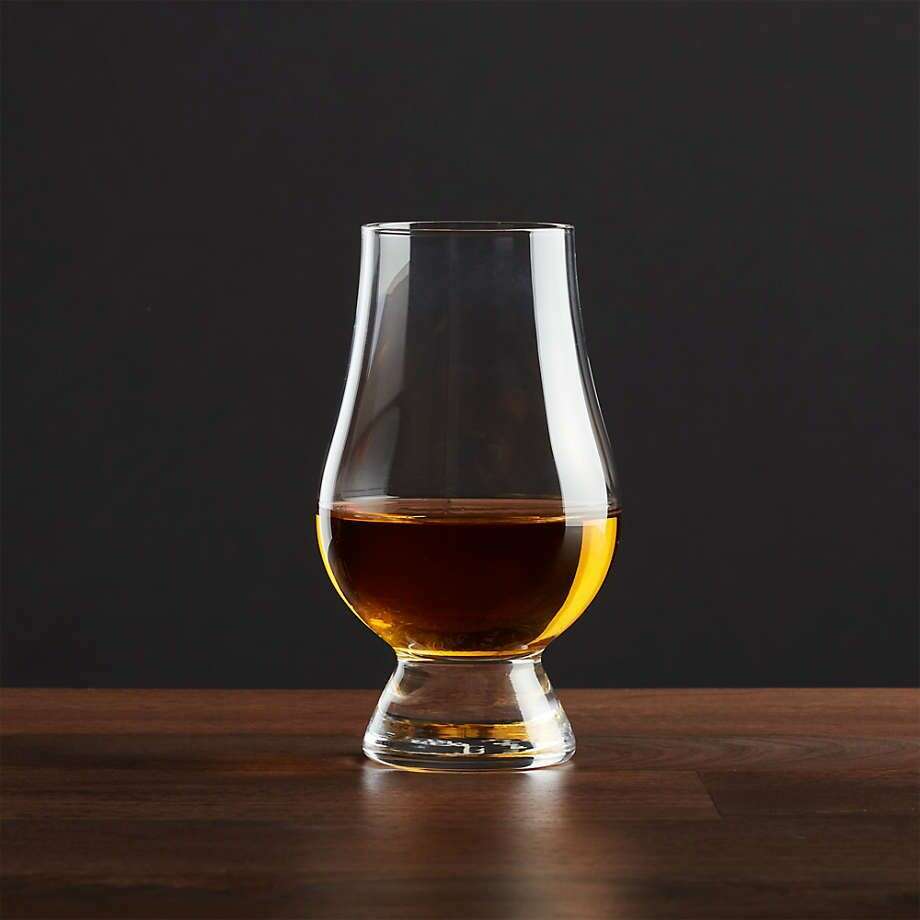
Añejo is built for sipping, not shots. Pour two ounces into a tulip-shaped tasting glass, let it sit for a minute or two, and drink it at room temperature. A single small ice cube is fine if you prefer the pour chilled, but don't drown it — you paid for those barrel flavors.
If you're mixing, añejo shines in stirred, spirit-forward cocktails: Añejo Old Fashioneds, tequila Manhattans, Oaxaca Olds, and any cocktail that would ordinarily use bourbon or aged rum. Do not make a margarita with añejo tequila. Save your good bottles for sipping glasses, and use a blanco for shaken, citrus-heavy cocktails — our full Cinco de Mayo Cocktail Guide walks through exactly which tequila belongs in which cocktail.
Añejo vs. Reposado vs. Extra Añejo: Which Aged Tequila Should You Buy?
Reposado is aged 2 to 12 months and keeps most of the agave character with a light wood influence — great for cocktails, fine for sipping. Añejo (1 to 3 years) splits the difference between agave and oak and is the category most whiskey drinkers gravitate toward. Extra añejo (3+ years) goes deepest into wood territory; at its best, it drinks like a fine Cognac made from agave instead of grapes.
For the broader agave-spirits picture — including how tequila differs from its smoky cousin — see our guide on Mezcal vs. Tequila in 2026. And for those interested in where tequila sits in the larger spirits universe, browse our Mezcal collection to see what aged agave looks like when it's made from different plants altogether.
What to Look For on the Label in 2026
Three things separate serious añejo tequila from marketing-driven bottles. First, "100% de agave" — anything that says "tequila" without this phrase is a mixto made with up to 49% non-agave sugars, and it will taste like it. Second, NOM number — every real tequila has a four-digit NOM number identifying the distillery; looking it up tells you who actually made your bottle. Third, and increasingly important in 2026, "additive-free." Up to 1% of additives (glycerin, caramel color, oak extract, sugar-based syrups) is legally allowed without disclosure, and some of the most famous brands lean on them heavily. Producers like Cazcanes, 123 Organic, and Fortaleza have built their reputations on going without — and it shows in the glass.
Shop Our Full Añejo Selection
Every bottle in this guide is in stock now at Bourbon Central. Browse the full Añejo Tequila collection for more options, explore the broader Tequila & Mezcal collection for blancos, reposados, and extra añejos, or see what's hot this week in Best Sellers and New Arrivals. With Cinco de Mayo on May 5, order by the weekend if you want your bottle on the table by Tuesday night.
