


How to Host a Scotch Tasting at Home for National Scotch Day 2026: A 6-Bottle Flight from Light to Smoky

National Scotch Day lands on July 27, and there is no better way to mark it than the way distillers themselves do: a flight, tasted in order, with friends and a notebook. A home tasting is the fastest way to actually understand scotch — not from a review, but from your own nose, comparing bottles side by side until the differences stop being words on a label and start being obvious in the glass. You do not need to be an expert or spend a fortune. You need six bottles arranged from light to smoky, the right glass, a jug of water, and about ninety minutes. Here is exactly how to run it.
The 6-bottle tasting flight


The one rule: light to smoky
The entire craft of a scotch flight is sequencing. Taste in ascending order of intensity, because once your palate meets a big peated Islay whisky, everything gentler that follows tastes like water. Three to six bottles is the sweet spot — fewer and it barely feels like a tasting; more and your palate fatigues and the subtleties blur. Six is the most you should attempt in one sitting, and only with small pours. The flight above is built to walk a room from a clean, delicate Lowland all the way to full campfire peat, so every glass makes sense in the context of the one before it. If you want the theory behind why these bottles taste so different, our scotch regions guide is the map and our peated vs. unpeated explainer covers the smoke.
The gear you actually need
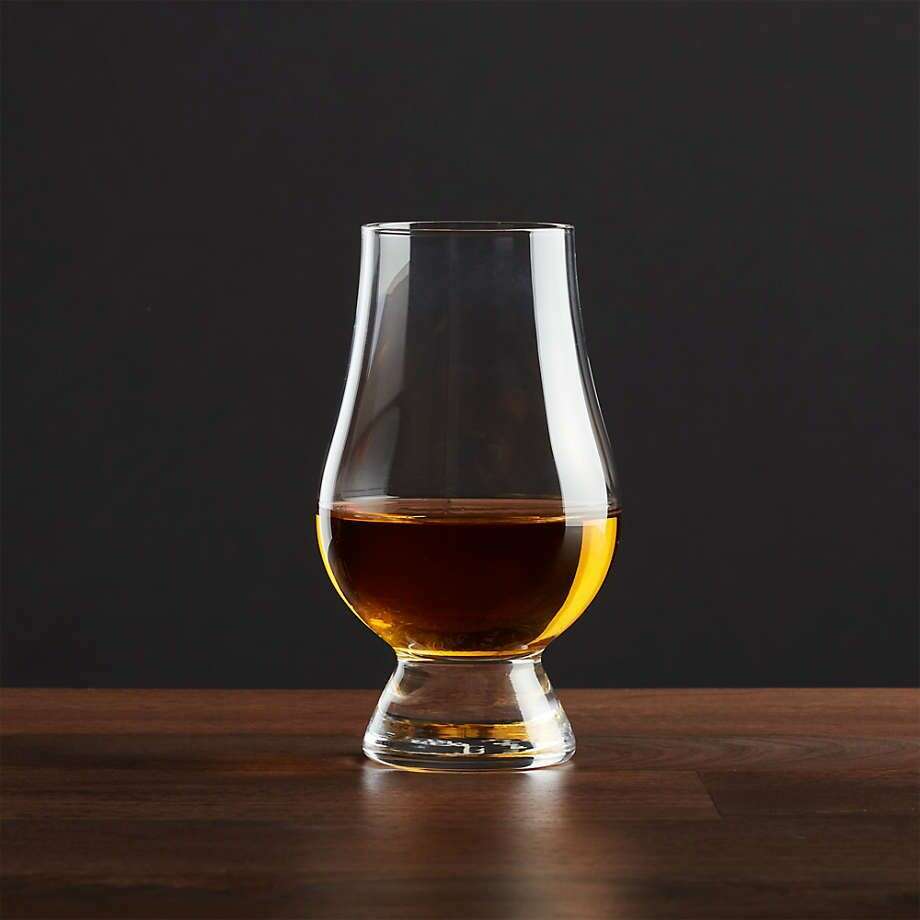
Glassware first, because it matters more than anything except the whisky. A tulip-shaped Glencairn nosing glass narrows at the rim and funnels aroma to your nose, which is where most of "taste" actually happens; a tumbler looks the part and lets all of that escape. If you do not own Glencairns, small wine glasses are a genuinely good substitute — a rocks glass is not. Beyond glasses you need still water at room temperature (a few drops per dram, plus more for drinking between pours), a small pitcher, plain crackers or oatcakes to reset the palate, and a notepad per person. Pour half-ounce samples: at six bottles that is three ounces of whisky per guest across ninety minutes, which is civilized. Skip ice entirely for a tasting — cold mutes aroma, which is the whole point.
Building the flight, glass by glass
Start clean and go up. Auchentoshan 12 Year ($49.99) opens the flight: triple-distilled in the Lowlands, it is the lightest, most delicate single malt on the shelf — citrus, cereal, a clean finish — and the perfect palate-calibrator. Glenfiddich 12 Year ($69.09) follows with Speyside's signature pear and green apple, the world's best-selling single malt and a benchmark everyone should know. Highland Park 12 Year ($67.99) adds the first wisp of smoke woven through Orkney heather honey — the pivot point of the flight. Oban Little Bay ($57.99) brings West Highland richness, sea salt and orchard fruit with more body. Then the two Islays: Bowmore 12 Year ($64.09) is gently peated, smoke as seasoning over toffee and lemon — the bottle that converts people who think they hate peat — and Laphroaig 10 Year ($59.99) closes with the full Islay experience: iodine, seaweed, medicinal smoke and a sweet vanilla core once water hits it. End there; nothing follows Laphroaig.
The five-step method
Teach your guests one simple ritual and the whole night gets better. Look: hold the glass to the light and note the color, which hints at cask and age. Swirl: tip the glass and watch the "legs" run down — slow, thick legs suggest higher strength and body. Nose: this is the main event — put your nose in gently, mouth slightly open, and breathe; give each whisky three or four passes before you sip, because the aroma is most of the flavor. Sip: take a small amount, let it coat your whole mouth, and find the sweetness, the spice, the smoke. Finish: notice how long the flavor lingers and how it changes. Then — and this is the trick that turns a tasting into a lesson — add a few drops of water and do it all again. Water opens a whisky up, releasing aromas that alcohol was holding shut, and the change is often dramatic. Our complete guide to drinking scotch covers neat, water, rocks and highball in full.
Curveballs and splurges
Want to make it a party rather than a seminar? Slip in a blended scotch as a blind ringer: Johnnie Walker Black Label ($37.99) holds its own against single malts for a fraction of the price and makes the point that "blended" is not an insult, and Dewar's White Label ($26.99) is the light, honeyed crowd-pleaser for guests who want an easy pour. If your group has budget and curiosity, add a top-shelf finale after Laphroaig: Lagavulin 16 Year ($99.99) is the deep, elegant Islay legend, Ardbeg 10 Year ($78.09) is peat at cask-strength swagger, Macallan Sherry Oak 12 Year ($99.99) shows what Spanish sherry casks do, and Talisker 10 Year ($89.99) brings a peppery maritime smoke unlike anything else. Just remember to taste these in intensity order too. For value picks to fill out the flight, see our eight best scotches under $70.
Host it well
Feed people first — tasting on an empty stomach is how a fun night goes sideways — keep water on the table, and appoint someone to pour so the measures stay honest. New to scotch entirely? Point beginners to our scotch for beginners guide before they arrive, and if your crowd is coming from the bourbon side, bourbon vs. scotch will translate. When you are ready to build your flight, the full scotch collection runs from twenty-dollar blends to allocated single malts; cross-shop the broader whiskey collection for a bourbon-and-scotch head-to-head, or see what is selling in best sellers. Happy National Scotch Day.

