


American Single Malt Whiskey 101: The New U.S. Category Explained (and the Best Bottles to Try in 2026)

For the first time in more than half a century, the U.S. government has added a brand-new whiskey type to its official rulebook. On January 19, 2025, "American Single Malt Whisky" became a federally recognized category — the first new standard of identity for an American whiskey in over 56 years — and 2026 is the year it has truly arrived on shelves. If you love Scotch single malt but are curious what American distillers are doing with 100% malted barley, this is your guide: what the category actually means, how it compares to Scotch and Japanese single malt, and the in-stock bottles worth starting with.
What makes a whiskey an American single malt?
The new federal standard is refreshingly strict, and it borrows its bones from the Scotch playbook. To be labeled American Single Malt Whisky, a spirit must be: mashed, distilled, and matured entirely in the United States; distilled at one single distillery (that's the "single" — it doesn't mean one barrel); made from a fermented mash of 100% malted barley; distilled to no more than 160 proof; stored in oak casks no larger than 700 liters; and bottled at 80 proof or higher. In other words, same grain and same single-distillery rule as Scotch, but made on American soil — and, crucially, with none of Scotch's geographic or minimum-age requirements, which gives U.S. distillers enormous creative freedom.
6 American single malts to start with


American single malt vs. Scotch vs. bourbon
If you already drink whiskey, the easiest way in is by comparison. Against bourbon, the difference is the grain: bourbon must be at least 51% corn, which is where its sweet, vanilla, caramel character comes from, while single malt is all barley, giving it a maltier, more bready, often fruitier profile. (If the bourbon rules are fuzzy, our what makes a bourbon a bourbon primer lays them out, and bourbon vs. rye covers the other great American grain.)
Against Scotch single malt, the grain and single-distillery rules are nearly identical — but American distillers aren't bound by Scotland's three-year minimum or its regional traditions, so they experiment freely with new-oak aging, local barley varieties, and unusual cask finishes. The result tends to be bolder, sweeter, and more oak-forward than a comparable Scotch. New to malt whisky entirely? Our Scotch for beginners guide and the deeper dive on single pot still vs. single malt are the perfect companions, and Japanese fans will find familiar ground in our best Japanese whiskies guide.
The bottles to start with
The approachable entry points
You don't need to spend big to understand the category. Stranahan's Blue Peak ($38.99) is Colorado's friendliest introduction — a Solera-finished single malt with bright honey and toffee notes that's an easy first pour. Its older sibling Stranahan's Original Colorado Single Malt ($59.99) adds more depth and a touch of high-altitude spice, and remains one of the original American single malts that helped define the style long before it had a legal name.
The benchmark bottlings
Westward American Single Malt ($88.09) is, for many drinkers, the reference point for the category — a Portland, Oregon malt built on American ale yeast and full-size new American oak, giving it a rich, almost bourbon-like sweetness wrapped around its malt core. From Kentucky, New Riff Sour Mash 7 Year Single Malt ($74.99) brings the bourbon world's sour-mash technique to 100% malted barley, bottled bottled-in-bond style at a generous age — a fascinating bridge between the malt and bourbon traditions from a distillery better known for its rye and bourbon.
The cask-finished explorers
Once you've found your footing, the fun is in the finishes. Westward bottles two standouts worth seeking out: Westward Pinot Noir Cask ($88.09), finished in Oregon pinot noir barrels for a jammy, red-fruit lift, and Westward Stout Cask ($88.09), aged in barrels that previously held imperial stout for a chocolate-and-espresso richness. For a different angle entirely, Barrell American Vatted Malt ($78.99) blends malt whiskeys from several distilleries at cask strength — technically a vatted (blended) malt rather than a single malt, but a thrilling, high-proof way to taste what American barley can do.
How to taste it
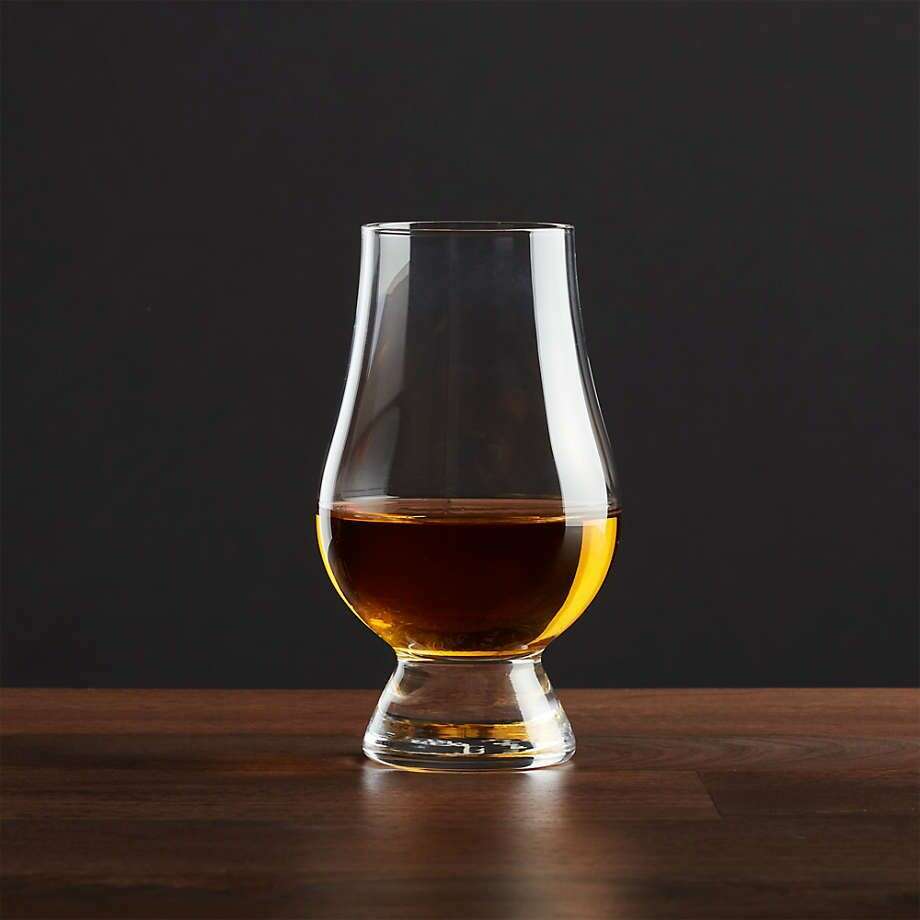
American single malt rewards the same patient approach as any fine whiskey: pour an ounce into a tulip-shaped glass, give it a minute to open, nose it gently, and add a few drops of water to unlock the malt's fruitier aromatics. Our full how to taste whiskey like a pro walkthrough applies cleanly here. And if you want to taste American single malt side by side with its cousins, pour it against a Scotch like Glenfiddich 12 Year ($69.09) or Macallan Double Cask 12 Year ($88.99) and a Japanese malt like Yamazaki 12 Year ($179.99) or Hakushu 12 Year ($199.99) — the family resemblance, and the American accent, will jump right out.
Where to begin
American single malt is the most exciting thing to happen to U.S. whiskey in a generation, and there's never been a better moment to get in early. Start with an approachable bottle like Stranahan's Blue Peak, then graduate to a benchmark like Westward. Browse the full whiskey collection to compare, explore our Scotch collection and Japanese whiskey collection to taste the wider single-malt world, or check the best sellers for the safest first buy. If your tastes still run toward Scotch, our single malt Scotch gift guide is a great next stop. Either way, raise a glass to the newest name in American whiskey.

