


ROSE WINE

ROSE WINE
Read more about ROSE WINE
Rosé season opens in May and runs through October, and the bottles in this collection are the ones that travel best — from Memorial Day cookouts to backyard dinners to weekday porch pours. Provence dominates the category for good reason: the bone-dry, pale-pink, citrus-forward style is the most versatile wine on a summer table. The collection below is built around the Provence anchors with a handful of New World and pink-edge alternatives for variety.
The Provence anchors
Provence accounts for roughly a third of the world's rosé and nearly all of the category's premium volume. The hallmark style — pale salmon color, dry finish, herb-and-citrus aromatics — is what most American buyers picture when they think of "rosé." Four bottles in the collection define the price ladder:
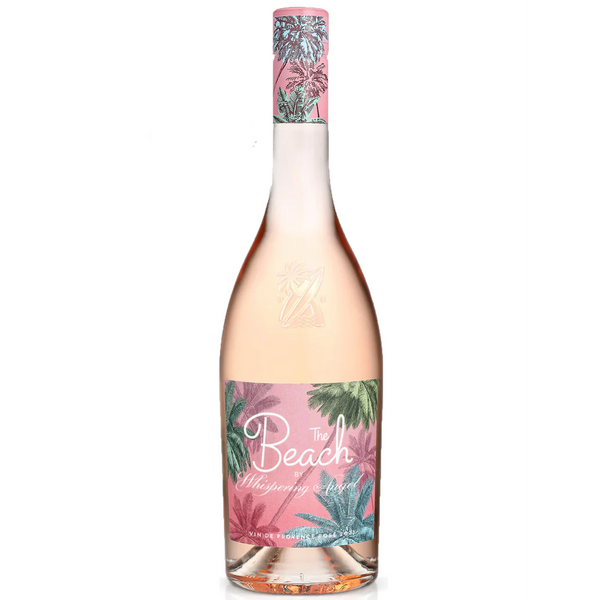
The Beach by Whispering Angel Rosé ($17.99) is the entry point. Caves d'Esclans built the modern Provence rosé category around the Whispering Angel name; The Beach is the value-tier sibling that delivers most of the house style at half the price. Pale pink, dry, with strawberry-and-citrus notes — the cookout default that no guest will turn down.
Château d'Astros Côte de Provence Rosé ($14.99) is the under-$15 workhorse. A working Côtes de Provence estate with a long-standing American distribution footprint; the wine is dry, light-bodied, and built for casual pours rather than contemplation. The bottle you buy two of when you're hosting.
Studio by Miraval Rosé ($19.99) is the brand-aware step-up. Miraval's flagship rosé became a cultural phenomenon in the early 2010s; Studio is the more recent secondary-label release that brings the same Provence pedigree at a friendlier price. Slightly more weight than The Beach with a touch more red-fruit on the palate.
AIX Coteaux d'Aix en Provence Rosé ($24.99) is the design-forward Provence pick. A large-format bottle and a recognizable Aix-en-Provence label that reads as "occasion-worthy" without crossing into the premium-tier price range. Drinks dry, with the textbook Provence salmon-pink color.
Château La Mascaronne Rosé ($15.99) rounds out the Provence section at the value end. Organic-farmed estate in the Côtes de Provence, with a slightly more mineral profile than the volume brands. The bottle for the dinner table where the rosé is part of the meal rather than the warm-up.
The New World rosé alternatives
Outside of Provence, the most interesting American and New World rosés tend to be Pinot Noir-based — pinker, slightly fruitier, and built more for cookout casual than for the dinner table. Two picks worth opening:
Belle Glos Pinot Noir Blanc Rosé ($27.09) is the California Pinot Noir take. Bright strawberry-and-watermelon profile, slightly off-dry compared to the Provence anchors, and the right rosé for the guest who finds Provence-style "too dry." Sources fruit from the Belle Glos Pinot Noir vineyards in Sonoma.
Maison NO. 9 Rosé ($27.99) is the design-driven pink wine — the Post Malone-fronted French rosé project that put Provence-style wine on grocery-store shelves nationwide. Drier than the brand's pop-cultural reputation suggests, and a legitimate Provence-region bottling.
Summer Water Rosé ($18.99) is the Santa Barbara-fronted "summer in a bottle" project. Pale, dry, Provence-influenced but California-sourced. The right pick for the host who wants the Provence style at the California price.
Miraval Côtes de Provence Rosé ($26.09) is the flagship Miraval bottling (separate from the Studio secondary label above). The Pitt/Jolie-founded Provence project that helped re-energize American rosé buying in the early 2010s, still in the same Château Miraval estate hands. Pale, dry, with the textbook Provence profile.
How to serve and chill
Rosé wants colder service than most reds and slightly warmer than most whites. The target is 45–50°F — about 30 minutes in the fridge or 15 minutes in an ice bath if you've forgotten to chill ahead. Over-chilled rosé loses aromatics and reads as flat; under-chilled rosé reads as flabby. For cookouts and outdoor service, keep bottles in a cooler with ice rather than out in the sun, and refill glasses smaller and more often rather than topping up large pours that warm in the heat.
For glassware, a standard white-wine glass works fine; the slightly wider Provence-style coupe is the optional upgrade. Avoid stemless tumblers for any rosé you actually want to taste — the hand-warmth pushes the wine past its service window in under ten minutes.
Pairings: what rosé does that other wines don't
Rosé's pairing range is wider than red or white. It handles grilled chicken, grilled vegetables, charcuterie, grilled salmon, shrimp skewers, pizza, and most cold salads with equal grace — which is why it's the default Memorial Day cookout wine. The pieces that complete the seasonal puzzle:
- The Memorial Day wine and rosé pairing guide covers 12 bottles for the long-weekend cookout, including the rosés above plus sparklings and lighter reds.
- The Memorial Day grilling pairing matrix maps these rosés to ten specific cookout foods alongside bourbon and tequila picks for each course.
Related collections
For more wine options, browse the full wine collection for the complete catalog, the red wine collection for the heavier cookout pours, or the Pinot Noir collection for the lighter reds that drink alongside rosé. The best sellers collection covers the highest-volume rosés across the season, and the new arrivals collection is where the spring rosé releases land first each year.

