


Mezcal 101 for Cinco de Mayo 2026: A Beginner's Guide to Mexico's Smokiest Spirit (Plus 6 Bottles to Start With)
Cinco de Mayo 2026 lands on Tuesday, May 5 — exactly six days from today — which means there's still time to actually do it right this year. And "doing it right" in 2026 looks less like cheap margaritas and more like a single bottle of good mezcal, three friends, and a slice of orange. If you've been mezcal-curious but haven't pulled the trigger because you don't know where to start, this guide is for you. We'll explain what mezcal actually is, how it's made, why every bottle tastes like a small bonfire, and which six bottles in our shop are the right place to start. Every bottle below is in stock, ships fast, and is hand-picked for someone trying mezcal seriously for the first time.
What is mezcal, exactly?
Mezcal is the broad family of distilled agave spirits made in Mexico — the parent category that tequila is technically a subset of. The legal definition is straightforward: any agave-based spirit made in one of the nine designated mezcal-producing states. In practice, the vast majority of mezcal you'll buy comes from Oaxaca, where the spirit is part of the cultural fabric in a way that's hard to overstate. We covered the full agave-spirit family tree in our recent Mezcal vs. Tequila guide if you want the deeper read.
The shorthand most bartenders use: tequila is mezcal's polished cousin, made only from blue Weber agave and almost always steam-cooked. Mezcal is the older, smokier, more terroir-driven sibling — made from dozens of different agave varieties and traditionally roasted underground in earthen pits, which is exactly where that signature campfire-and-charred-pineapple smoke comes from. If you've only had tequila, your first sip of a properly made mezcal is genuinely a different category of experience.
How mezcal is made (and why it matters for what you taste)
Three steps explain almost everything about mezcal flavor. First, the agave hearts (called piñas) are roasted for several days in conical earthen pits lined with hot volcanic stones and covered with banana leaves and earth. This is the smoke — every smoky note in your glass starts here. Second, the roasted piñas are crushed, traditionally by a mule-drawn stone wheel called a tahona, releasing the sugars. Third, the crushed agave ferments naturally with wild yeasts, then is double-distilled in small copper or clay pot stills.
The takeaway: mezcal flavor is wildly variable because so much depends on the agave species, the soil, the wood used in the pit, and the still. Two espadín mezcals from neighboring villages can taste like cousins, not twins. That's the fun of the category — it's a spirit with a sense of place baked into every bottle.
Joven, reposado, añejo — what the labels mean
You'll see three age designations on most mezcal bottles. Joven (or "blanco") is unaged — bottled straight from the still, the most expressive of agave and smoke character, and what most enthusiasts consider the truest representation of the spirit. Reposado is rested in oak for two months to a year, which softens the smoke and adds light vanilla and caramel notes. Añejo is aged at least one year in oak, taking on whisky-like richness while keeping a quieter mezcal character underneath.
If you're brand new to mezcal, joven is where you should start — it shows you what the spirit actually is. Reposado is the friendlier introduction if smoke makes you nervous. Añejo is for once you already know you love mezcal.
6 mezcal bottles to start with — every one in stock now
1. Monte Alban Mezcal — $29.99
The classic American introduction to mezcal — and yes, the bottle with the worm at the bottom. Don't be put off by the marketing legacy: Monte Alban is honest, smoky, agave-forward joven mezcal at a price that's hard to beat for a first try. If you want to know what raw, undisguised mezcal smoke tastes like, this is the cheapest accurate answer in our shop. It's also the most cocktail-friendly bottle on this list — perfect for a smoky margarita or a mezcal mule.
2. Donaji Mezcal Joven — $49.99
An artisanal Oaxacan joven that punches well above its price. Donaji's espadín-based joven is grassy, citrus-forward, and smoky in a much more refined way than entry-level mezcal — you'll taste green pepper, lime peel, and roasted pineapple before the smoke arrives. This is the bottle we'd hand you if you'd already had Monte Alban once and wanted to understand what "good" mezcal tastes like.
3. Ojo de Tigre Mezcal (6 × 50mL) — $38.99
The minis are a gift in disguise: six 50mL bottles of one of the most widely loved entry mezcals on the market, perfect for a tasting flight, party favors, or simply trying mezcal without committing to a full 750mL. Ojo de Tigre is co-founded by Mexican actor Luis Gerardo Méndez and built specifically as a beginner-friendly espadín-tobalá blend — gentler smoke, softer body, more honey on the finish than most jovens.
4. Ilegal Mezcal Reposado — $48.99
Ilegal earned its name and its cult following the hard way — the founder, John Rexer, smuggled mezcal across borders for years to serve at his Antigua bar before turning it into a legitimate brand. The reposado spends six months in American and French oak, which mellows the smoke into something almost cigar-box-savory, with vanilla, dried fig, and warm cinnamon under the agave. This is the mezcal that converts whisky drinkers — pour it neat in a heavy rocks glass and you'll see why.
5. BOZAL Mezcal Espadín Barril Ensamble — $52.99
An ensamble means a blend of two or more agave varieties — in BOZAL's case, espadín (the workhorse) and barril (a wilder, more vegetal variety). The result is a more complex, multi-dimensional mezcal than any single-agave bottle on this list: roasted pineapple, green herbs, leather, and a long smoldering finish. BOZAL is the right step up once you know you like mezcal and want to understand why mezcal nerds get so passionate about specific agave species.
6. Donaji Mezcal Extra Añejo — $99.99
Once you're already converted, this is the bottle to splurge on. Donaji's extra añejo spends years in oak — the smoke retreats into a soft background warmth and what's left is honeyed, leathery, almost cognac-like richness. It's a sipping bottle, full stop. Pour it neat after dinner, drop in one large ice cube, and treat it like a single malt with Mexican passport stamps.
How to drink mezcal (the right way)
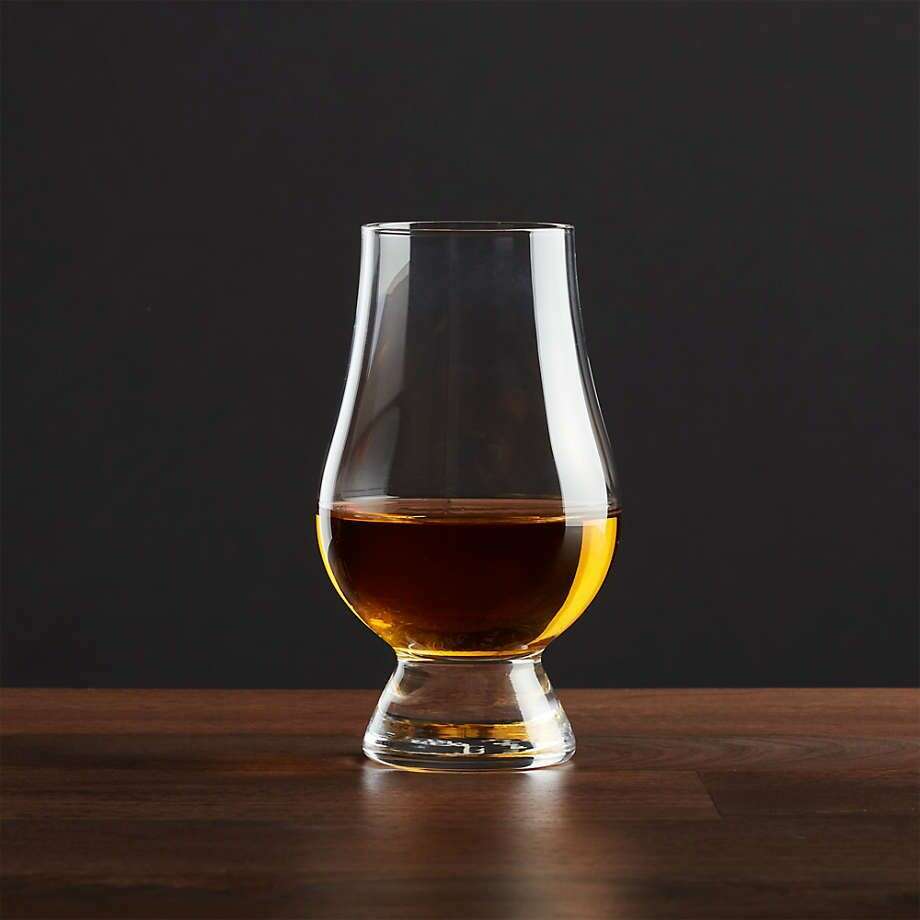
Forget shots and salt. Real mezcal is sipped at room temperature out of a small clay copita or any small ceramic cup, often alongside a slice of orange dipped in sal de gusano (chili-and-worm salt). The orange is the key — citrus opens up the agave's fruity notes and quiets the smoke. Take a small sip, hold it for a second, then bite the orange. That's the ritual.
For cocktails, mezcal is a transformative ingredient — substitute it for tequila in any classic margarita and you've created something dramatically more interesting. We covered eight specific recipes in our Beyond the Margarita guide for Cinco de Mayo, including the Oaxaca Old Fashioned and the smoky Paloma we'll be drinking on May 5.
What food pairs best?
Mezcal's smoke makes it the most food-versatile agave spirit there is. The textbook pairings: dark chocolate, salted nuts, smoked or grilled meats (especially pork al pastor and carne asada), aged cheeses like manchego, and citrus-forward seafood like ceviche. The general rule: anything with a touch of char or umami sings alongside mezcal. Skip delicate, light dishes — mezcal will steamroll a salad but elevate a taco.
Stocking up for Cinco de Mayo 2026
If you're planning a Cinco de Mayo gathering, our suggestion is simple: pick one accessible joven for cocktails (Monte Alban or Ojo de Tigre minis), one nicer reposado for sipping (Ilegal Mezcal Reposado), and a single bag of oranges. That covers everything from the aperitif round through the second margarita. For the broader spirit lineup, browse our Mezcal collection alongside our Tequila page — many of our favorite Cinco de Mayo bars and home hosts run mezcal and tequila side by side, letting guests choose their level of smoke.
For more agave-spirit education ahead of the holiday, our Best Añejo Tequilas of 2026 guide covers the smoother, oak-aged side of the family, and the Best Blanco Tequilas of 2026 rounds out the entry-level side. If you want to go deeper on the agave story, the Best Sellers page is the easy one-stop browse for everything we ship most.
Ready to try mezcal?
The single best piece of advice we can give: don't overthink your first bottle. Start with one of the under-$50 jovens above (Monte Alban, Donaji Joven, or the Ojo de Tigre minis), pour a small amount in any small cup, slice an orange, and pay attention to what you taste. Mezcal rewards slowness — and once you've sat with one good bottle, you'll understand why a generation of bartenders, drinkers, and chefs have called this the most exciting category in spirits. Browse our full Mezcal collection to start your trip into Oaxaca, and we'll see you on May 5.

