


How Bourbon Is Made (2026): From Grain to Glass, the 7 Steps Behind America's Native Spirit

Every great bottle of bourbon starts as little more than corn, water, and time — and ends as the rich, caramel-and-vanilla spirit in your glass. Understanding how it gets there doesn't just satisfy curiosity; it makes you a smarter buyer, because nearly every flavor you taste traces back to a specific step in the process. Why is one bourbon sweet and another spicy? Why does age matter, and why doesn't it always? It all comes down to seven steps, from grain to glass. Here's how bourbon is actually made, and which bottles best show off each part of the journey.
First, the ground rules. To legally be called bourbon, a whiskey must be made in the United States from a grain mixture of at least 51% corn, distilled to no more than 160 proof, and aged in new charred oak barrels with nothing added but water. For the full legal definition, see our guide to what makes a bourbon a bourbon. With that foundation set, here's the process.
Eight bourbons that show off the process


1. The mash bill: choosing the grains
It all begins with the recipe of grains, called the mash bill. Corn (at least 51%, often much more) provides the signature sweetness, while a smaller portion of "flavoring grain" — either rye for spice or wheat for softness — defines the character, and a little malted barley helps with fermentation. This single choice is why a wheated bourbon like Maker's Mark ($37.09) tastes soft and sweet, while a high-rye bourbon like Bulleit Bourbon ($37.09) drinks bright and peppery. Our wheated vs. high-rye guide dives deep into how that one grain changes everything.
2. Milling and cooking the mash
The grains are ground into a coarse meal, then cooked with water to release their starches. This produces a thick, porridge-like "mash." Many distilleries use the sour mash method, adding a portion of spent mash from a previous batch — much like a sourdough starter — to keep the pH consistent and the flavor profile steady from batch to batch. It's a quiet step, but it's a big part of why a bottle tastes the same year after year.
3. Fermentation: where alcohol is born
Yeast is added to the cooled mash, and over several days it converts the grain sugars into alcohol, creating a low-proof, beer-like liquid called "distiller's beer." Yeast strains are closely guarded — many distilleries have used the same proprietary strain for generations — because they contribute their own fruity and floral notes. A producer like Four Roses Small Batch ($37.99) is famous for using multiple yeast strains and mash bills, which is exactly why its bourbon tastes so fruit-and-spice complex.
4. Distillation: concentrating the spirit
The distiller's beer is distilled, usually first in a tall column still and then a second time in a copper "doubler," to concentrate the alcohol and refine the flavor. By law, bourbon must be distilled to no more than 160 proof, and most producers come off the still lower than that to retain more grain character. The clear spirit at this stage — sometimes sold as "white dog" — is the raw, uncolored bourbon-to-be, full of grain flavor but none of the oak.
5. Aging: the barrel does the heavy lifting
This is where the magic happens. The clear spirit goes into new charred oak barrels, and by law nothing but water can ever be added. As the bourbon expands into the wood in summer heat and contracts in winter cold, it pulls out color, caramel, vanilla, and spice — the barrel is responsible for the majority of a bourbon's final flavor and all of its color. Longer aging means more oak influence: an age-stated bottle like Knob Creek 9-Year ($49.99) (a full nine years) or Elijah Craig Small Batch ($40.99) shows the deep caramel and gentle smoke that extra time in the barrel delivers. There's no minimum age for bourbon, but to be called "straight" bourbon it must age at least two years.
6. Bottling: single barrel, small batch, or bottled-in-bond
When it's ready, bourbon is dumped from the barrels, usually proofed down with water, and bottled — and how that's done is what those label terms mean. A Blanton's Original Single Barrel ($119.99) comes from one individual barrel, so every bottle is a little different. A small batch like Woodford Reserve ($44.99) blends a select group of barrels for consistency. And a bottled-in-bond bourbon like Evan Williams Bottled-in-Bond ($38.09) meets a strict federal standard: one distillery, one season, at least four years aging, bottled at exactly 100 proof. Our single barrel vs. small batch guide breaks down the difference in full.
7. From glass to your palate
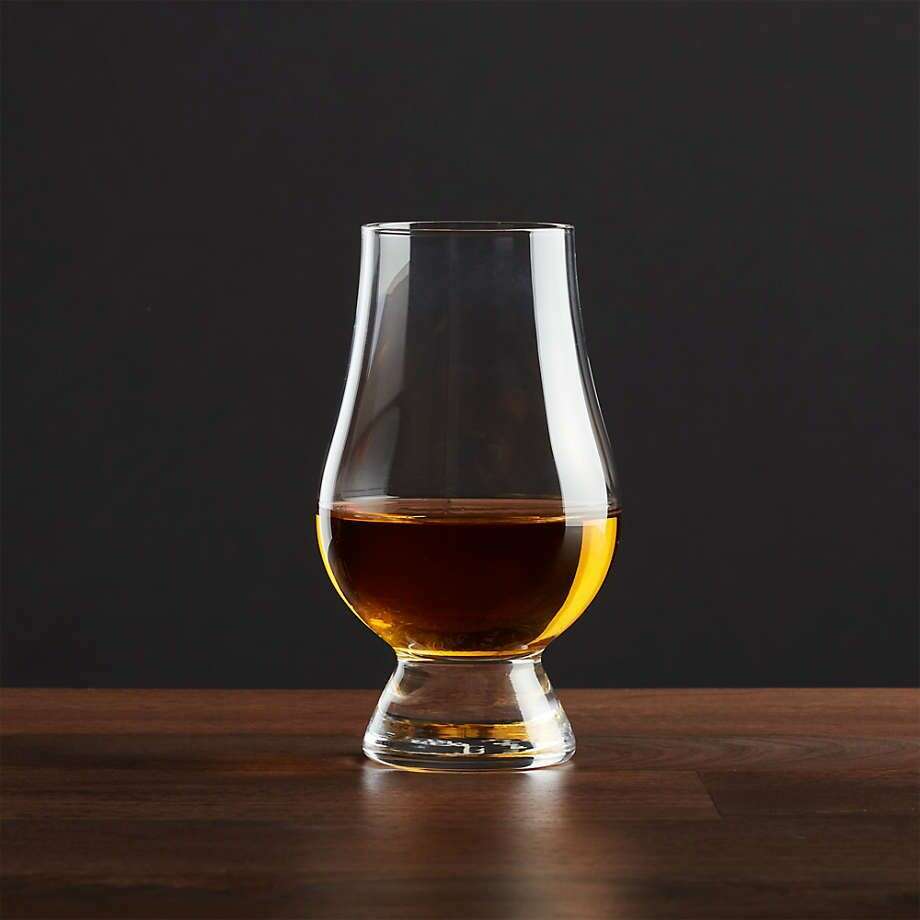
The final step is yours. How you pour it — neat, with a few drops of water, or over a single large cube — changes how all that grain, yeast, and oak express themselves. A splash of water famously "opens up" a bourbon, releasing aromas the higher proof keeps locked in. Our guide to tasting bourbon like a pro walks through nosing and sipping so you can actually taste each step you just read about.
Taste the process for yourself
The best way to understand how bourbon is made is to taste it across the spectrum — a soft wheater, a spicy high-rye, a young pour next to a well-aged one. Every bottle above is in stock and tells part of the story. Browse the full bourbon collection, the broader whiskey collection, or our best sellers. New to it all? Our best bourbons for beginners guide is the perfect next read, and the best bourbons under $50 roundup will help you build a shelf without overspending.

