


Wine | Californian Pinot Noir
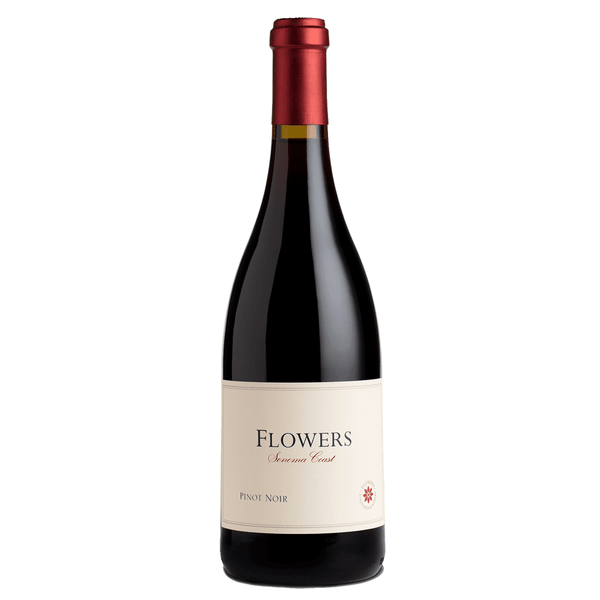
Flowers Pinot Noir Sonoma Coast
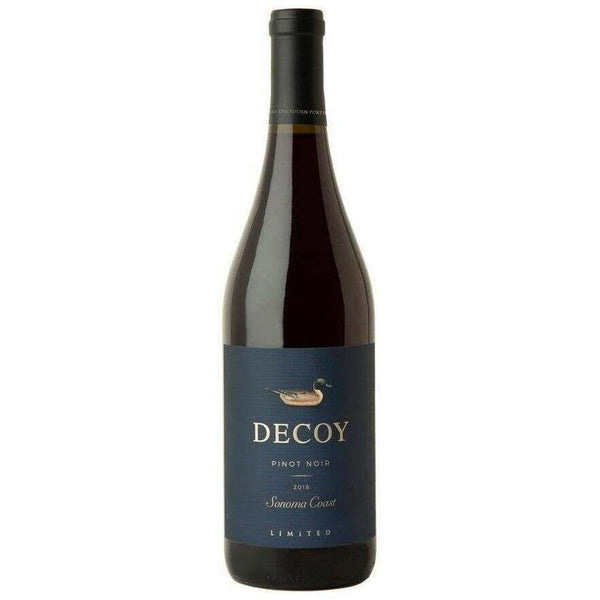
Decoy Blue Pinot Noir

Goldeneye Anderson Valley Pinot Noir

J Vineyards Black Pinot Noir

Belle Glos Pinot Noir Las Alturas Vineyard
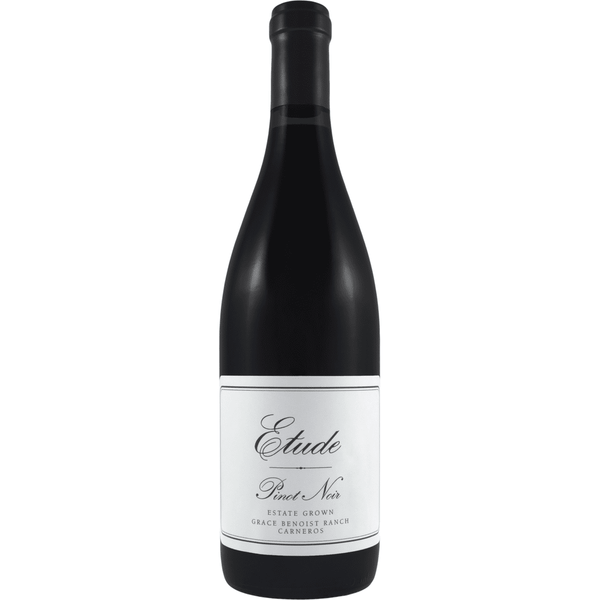
Etude Pinot Noir Carneros

Frank Family Vineyards Pinot Noir

Belle Glos Clark & Telephone Vineyard Pinot Noir

Gary Farrell Pinot Noir Russian River Selection
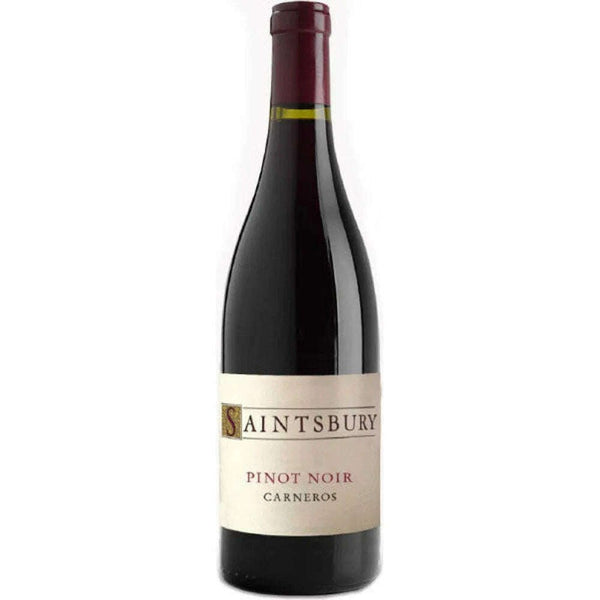
Saintsbury Pinot Noir
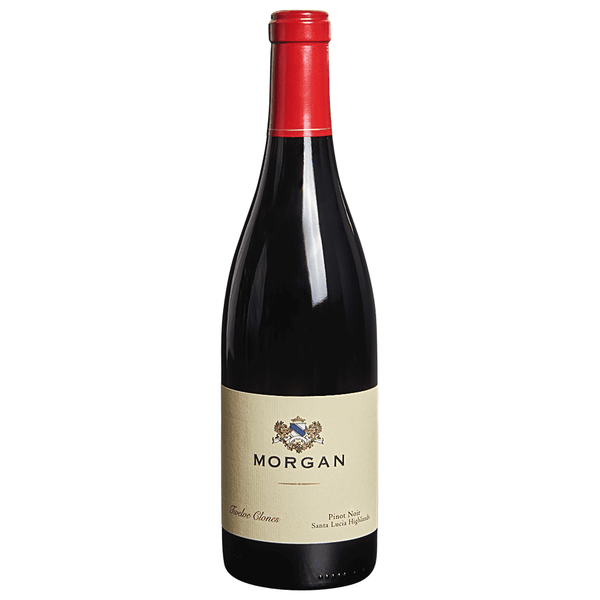
Morgan Pinot Noir Twelve Clones
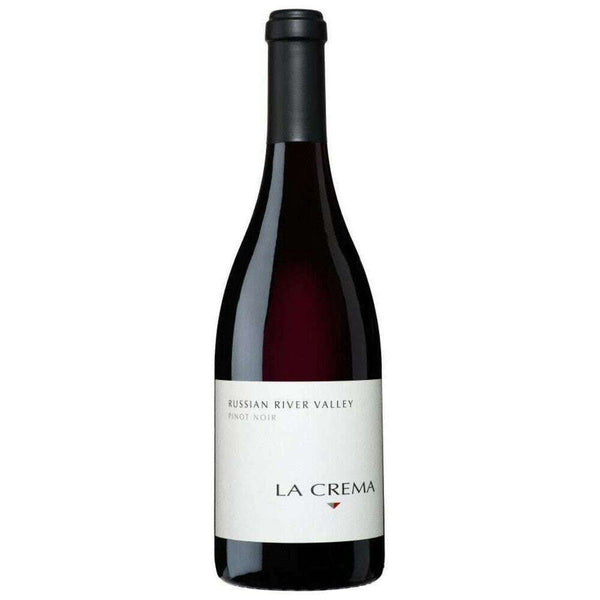
La Crema Pinot Noir Russian River

Sanford Pinot Noir La Rinconada Vineyard
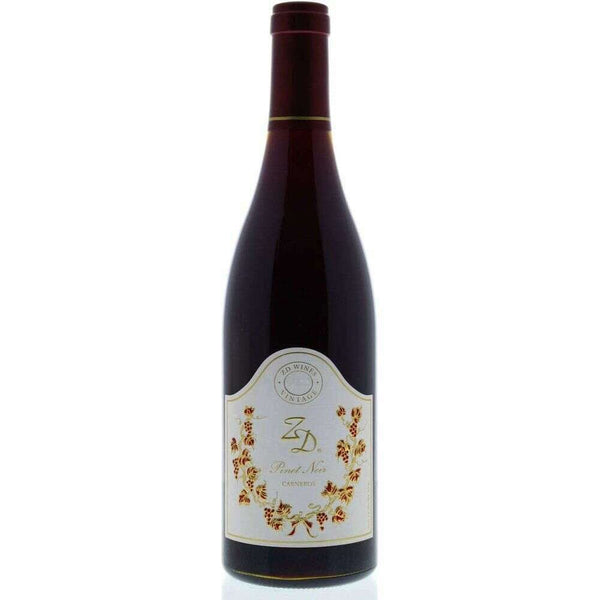
ZD Pinot Noir Napa Valley

Boen Pinot Noir Russian River Valley

Juggernaut Pinot Noir 2020
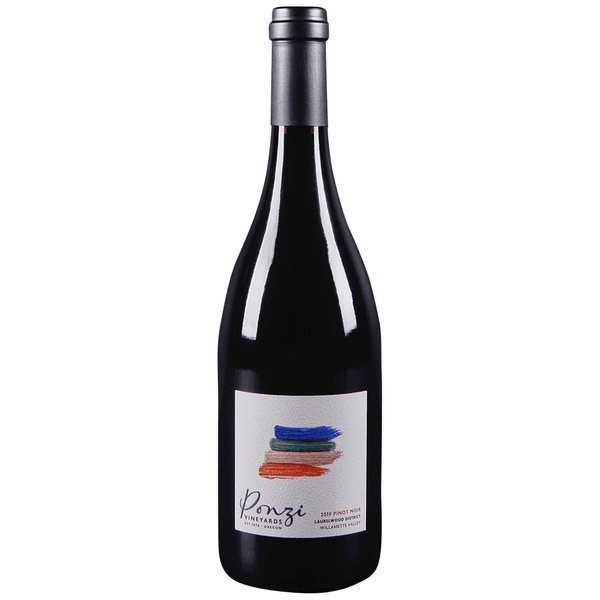
Ponzi Pinot Noir Laurelwood District
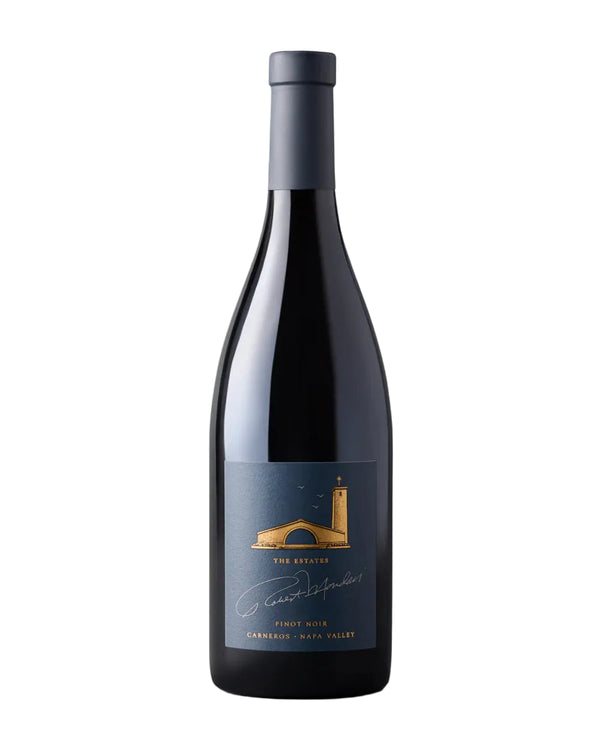
Robert Mondavi Pinot Noir Carneros

Belle Glos Balade Pinot Noir

Davis Bynum Pinot Noir
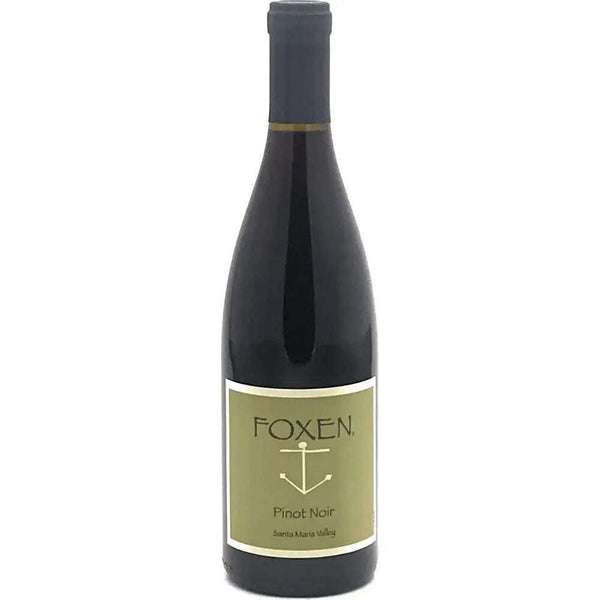
Foxen Pinot Noir Santa Maria

Adelsheim Breaking Ground Pinot Noir

Cuvaison Pinot Noir

Dierberg Pinot Noir Santa Maria Valley
Wine | Californian Pinot Noir
Read more about Wine | Californian Pinot Noir
California Pinot Noir is not one wine. The grape is famously intolerant of heat — it turns jammy and loses its acid the moment it gets too much sun — which means every serious Californian Pinot comes from somewhere the Pacific reaches. Fog, wind and cold water do the work that latitude does in Burgundy. The result is a category defined less by the state than by four or five specific gaps in the coastal hills, and the differences between them are large enough to matter when you are choosing a bottle.
The regions, and what each one tastes like
Russian River Valley is the reference point: morning fog off the Pacific, warm afternoons, and a style that balances red cherry against a savoury, forest-floor edge. Gary Farrell Pinot Noir Russian River Selection ($43.99) is the benchmark expression, and Boen Pinot Noir Russian River Valley ($29.99) is the same region at an everyday price.
Anderson Valley, further north in Mendocino, is cooler and more marginal — the wines are tauter, more red-fruited and higher in acid. Goldeneye Anderson Valley Pinot Noir ($48.09) is the house that made the region's reputation and remains the clearest illustration of what altitude and cold nights do to the grape.
Santa Barbara County — the Santa Maria Valley and Sta. Rita Hills — works because its valleys run east to west rather than north to south, funnelling ocean air directly inland. The wines are darker and more structured than their northern counterparts without losing acidity. Dierberg Pinot Noir Santa Maria Valley ($39.99) is the value pick here and Belle Glos Clark & Telephone Vineyard Pinot Noir ($54.99) the richer, more opulent style that has made Belle Glos one of the most recognised names in American Pinot.
Carneros, straddling the southern ends of Napa and Sonoma where San Pablo Bay cools both, gives leaner, more mineral wines — Etude Pinot Noir Carneros ($41.99) is the long-standing example.
Where to start
If you are new to the category, begin around thirty dollars rather than fifteen: Pinot Noir is expensive to grow well and cheap Californian Pinot is more often confected than merely simple. J Vineyards Black Pinot Noir ($22.99) and Cuvaison Pinot Noir ($32.99) both sit in the range where the grape starts behaving like itself, and Juggernaut Pinot Noir 2020 ($17.49) is the exception that works below it.
Serving and pairing
Serve at 60–65°F, which in most homes means twenty minutes in the fridge before pouring — warm Pinot tastes flabby and alcoholic, and this is the single most common way a good bottle is wasted. Its low tannin and high acid make it the most food-flexible red in the shop: salmon, duck, mushrooms, roast chicken and, famously, the entire Thanksgiving table.
Explore the wider Pinot Noir collection for Oregon, Burgundy and New Zealand alongside these, or the Oregon selection for the cooler, earthier counterpart to California's style. For bigger structure, see California Reds and Red Wine; for the full range, the Wine collection.
Further reading: our guide to the best red wines to buy in 2026, the eight-bottle Thanksgiving table plan — where Pinot does most of the heavy lifting — and buying wine online in California.

