


Brugal Rum


Brugal Rum
Read more about Brugal Rum
Brugal has been the pride of Puerto Plata, Dominican Republic since 1888 — a family house, now in its fifth generation of maestros roneros, famous for doing the opposite of what most Caribbean rum does. Where much of the category leans sweet, Brugal ferments dry and ages hard: intense oak programs, sherry and bourbon casks, and a finished rum that drinks closer to a whiskey than a daiquiri filler. If your palate lives in bourbon country, this is the rum shelf built for you.
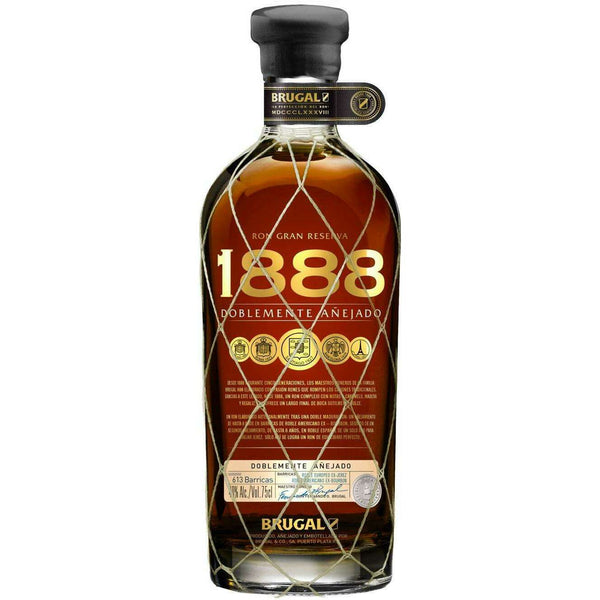
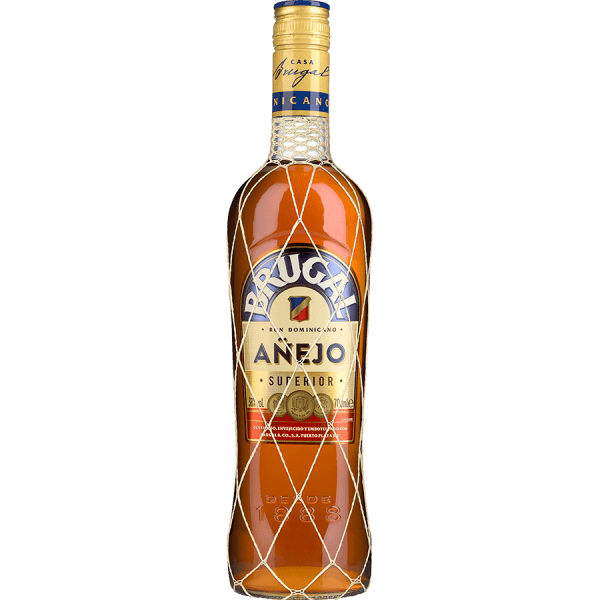
Start with Brugal Anejo Rum ($29.99) — the flagship añejo, dry and toasty with cocoa and toffee, superb in a rum Old Fashioned and a knockout in a classic Mojito when you want backbone instead of sugar. Then step up to Brugal 1888 Rum ($47.09), the double-cask gran reserva finished in first-fill European sherry oak: dried fruit, dark chocolate, and a long dry finish that earns its place in a snifter, neat.
What makes the house style so dry? Brugal double-distills to a cleaner, lighter spirit than most Caribbean stills produce, then leans on wood rather than added sugar for every gram of flavor — the family buys and toasts its own casks, and the añejo stocks spend years in a tropical climate where the oak works fast. The result is a rum with the structure of a good whiskey and the price of an everyday bottle, which is exactly why bartenders keep reaching for it in stirred drinks.
Where does Brugal sit on the map? Our types-of-rum explainer covers the Spanish-style añejo tradition it anchors. Fans of the dry-and-oaky school should also try Diplomatico Rum Reserva Exclusiva ($39.99) for the richer Venezuelan counterpoint, Santa Teresa 1796 Rum ($47.09) for solera-method elegance, and Appleton Rum Estate Signature Blend ($25.99) for the funkier Jamaican answer — all in stock in the full rum collection. See what ships most from the best sellers, and if you are new to the category, the perfect daiquiri guide is a fine place to put any white or gold rum to work.

