


The Ultimate Guide to Japanese Whisky
Japanese whisky has become one of the most sought-after spirits in the world, and for good reason. Combining Scottish distillation traditions with a distinctly Japanese devotion to precision and harmony, these whiskies deliver a level of balance and refinement that continues to win blind tastings and international awards. Here's everything you need to know.
A Brief History
Japanese whisky traces its origins to 1923, when Shinjiro Torii founded Suntory and built Japan's first malt whisky distillery at Yamazaki, near Kyoto. He hired Masatakera Taketsuru — a young chemist who had spent years studying distillation in Scotland — as his distiller. Taketsuru later left to found his own company, Nikka, establishing a second pillar of Japanese whisky. These two houses have shaped the entire category.
For decades, Japanese whisky remained largely unknown outside of Japan. That changed in 2003 when Suntory's Yamazaki 12 Year won a gold medal at the International Spirits Challenge. Since then, demand has surged globally — and many expressions have become extremely difficult to find.
Major Distilleries to Know
Suntory
Japan's largest whisky producer operates two iconic distilleries: Yamazaki (est. 1923) and Hakushu (est. 1973). Yamazaki is known for rich, sherried single malts with dried fruit and spice. Hakushu, nestled in the Japanese Alps, produces lighter, more herbal and refreshing whiskies. Suntory also produces the hugely popular Hibiki blended whisky and the accessible Toki blend.
Nikka
Founded by Taketsuru in 1934, Nikka operates the Yoichi distillery in Hokkaido and the Miyagikyo distillery in Sendai. Yoichi is famous for bold, peated whiskies with a coastal character — often compared to Islay Scotch. Miyagikyo produces softer, more elegant expressions with floral and fruity notes. Nikka's blended offerings like Nikka From The Barrel have become modern classics.
Mars, Chichibu & Others
Beyond the big two, Japan's craft whisky scene is thriving. Mars Shinshu distillery produces small-batch single malts at high altitude. Chichibu, founded in 2008 by Ichiro Akuto, has become a cult favorite for its innovative cask finishing and limited releases. Other names to watch include Akkeshi, Nagahama, and Sakurao.
How Japanese Whisky Differs from Scotch
While heavily influenced by Scottish traditions, Japanese whisky has developed its own identity. Japanese distillers tend to prize harmony and balance above all else — the goal is often a seamless integration of flavors rather than any single dominant note. Production methods are meticulous, with many distilleries producing multiple styles in-house (using different still shapes, yeast strains, and cask types) rather than trading with other distilleries as is common in Scotland.
Cask selection is another differentiator. While bourbon and sherry casks are common, Japanese distillers also use Mizunara (Japanese oak) — an extremely porous, difficult-to-work wood that imparts distinctive sandalwood, incense, and coconut notes found nowhere else in the whisky world.
How to Drink Japanese Whisky
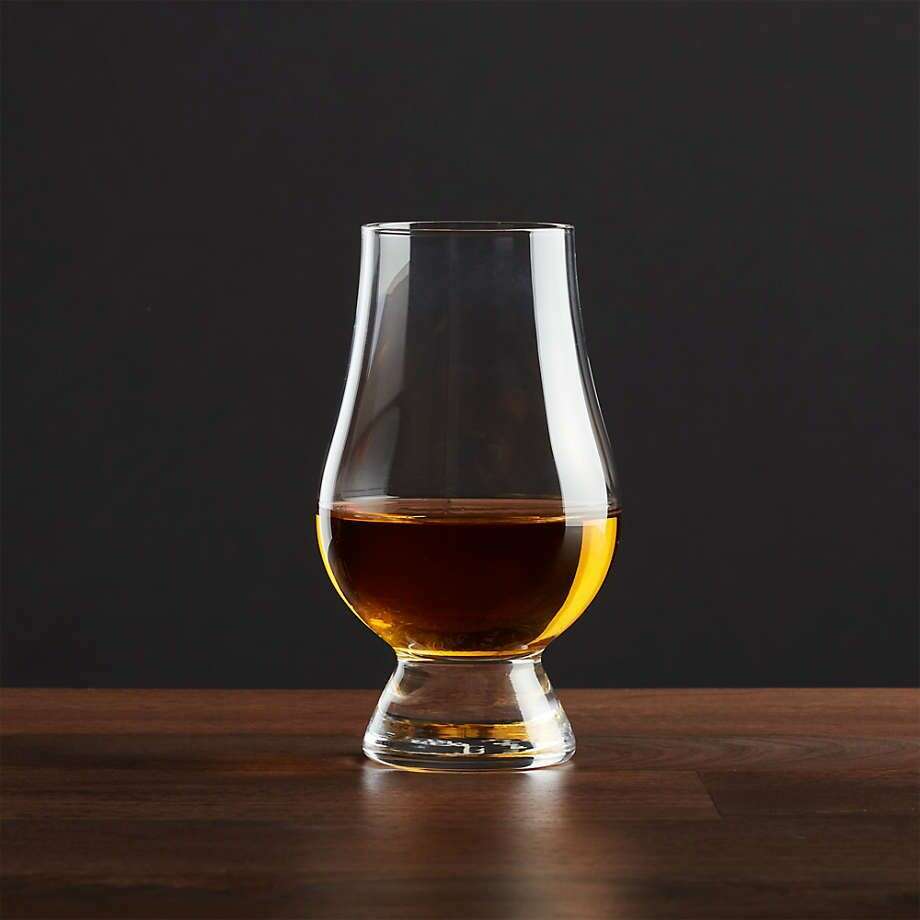
Neat: The purist's approach. Pour at room temperature in a tulip-shaped glass and let it open up for a few minutes. This is the best way to appreciate the layered complexity of premium expressions.
With water (Mizuwari): A traditional Japanese serve. Combine one part whisky with two to three parts still water and ice. This elongates the flavors and makes it a refreshing companion to food — particularly sushi and Japanese cuisine.
Highball: The most popular way to drink whisky in Japan. Fill a tall glass with ice, add one part whisky and three parts chilled sparkling water, and stir gently. Japanese highballs are crisp, effervescent, and incredibly food-friendly. Suntory Toki and Nikka Days are both made with highballs in mind.
On the rocks: A single large ice cube (or sphere) chills the whisky while minimizing dilution. Works particularly well with richer expressions like Yamazaki or Nikka From The Barrel.
What to Buy at Different Price Points
Getting started (under $75): Suntory Toki, Nikka Coffey Grain, Mars Iwai Tradition. These are excellent introductions to Japanese whisky style — approachable, well-balanced, and versatile for both sipping and mixing.
Mid-range ($75–$150): Nikka From The Barrel, Hakushu Distiller's Reserve, Akashi Single Malt. More complexity and character, with distinct distillery personalities starting to emerge.
Premium ($150+): Yamazaki 12, Hibiki Japanese Harmony, Nikka Yoichi Single Malt. These are the expressions that put Japanese whisky on the world map — layered, refined, and deeply satisfying.
Collector/Allocated: Yamazaki 18, Hibiki 21, Chichibu single casks. These are rare, highly allocated, and sell out quickly. If you spot one, don't hesitate.
Start Your Collection
Japanese whisky rewards curiosity. Start with an accessible blend, then explore single malts from different distilleries to discover what resonates with your palate. Our Japanese whiskey collection is regularly updated with new arrivals and allocated releases.
If you enjoy Scotch, you'll find many parallels in Japanese whisky — and some fascinating differences. Explore both and let your palate decide.

